8 weeks · 2 sessions/wk
Strength for cyclists
More watts per pedal stroke, a back that holds your position and balanced legs.
€19.99See program
Buy · €19.99Sport
Single-leg strength, posterior chain and a core that doesn't tire. Here are the 125 exercises that help you most, sorted by goal.
Cycling is an endurance sport built on a pedal stroke repeated thousands of times, with no impact but long hours in a fixed position. Strength training improves your power, sprint, and the health of bones and a back that time on the bike does nothing to protect.
Paid program · 8 weeks
More watts per pedal stroke, a back that holds your position and balanced legs.
Pedaling is a single leg action where the quads and glutes produce most of the force, helped by the hamstrings and calves. You need a big aerobic engine, sustained power on climbs, high peak force to launch attacks and sprints, and an enduring core that keeps your pelvis stable on the saddle. Hours in a bent over position also require a back and neck that can hold up without getting overloaded.
In the off season or winter months, two or three sessions a week build strength with squats, leg press, Bulgarian split squats, deadlifts, and hip thrusts, working toward heavy sets of 4 to 6 reps. During race season, one or two maintenance sessions with a few heavy sets are enough. Lift after easy rides or on days off the bike, never right before interval sessions or long group rides.
The most common issues are overuse knee pain, lower back and neck discomfort from posture, and tendon problems. A proper bike fit is the first line of defense. In the gym, strengthen your lower back, glutes, and upper back, and train each leg separately to fix side to side imbalances. Because cycling has no impact, it barely stimulates bone, which makes loaded training and some jumping especially valuable.
Yes. Several studies show heavy strength work improves power output, pedaling efficiency, and end of race sprint ability without adding meaningful body weight. Two sessions a week in the off season are usually enough to see the benefit.
Yes, just with less volume. A strong upper back, core, and shoulders help you hold your position, control the bike when sprinting or climbing out of the saddle, and reduce neck and lower back discomfort.
Common causes are wrong saddle height or setback, poorly aligned cleats, or a sudden jump in mileage. Check your bike fit and cut back on volume. If it continues, see a physical therapist.

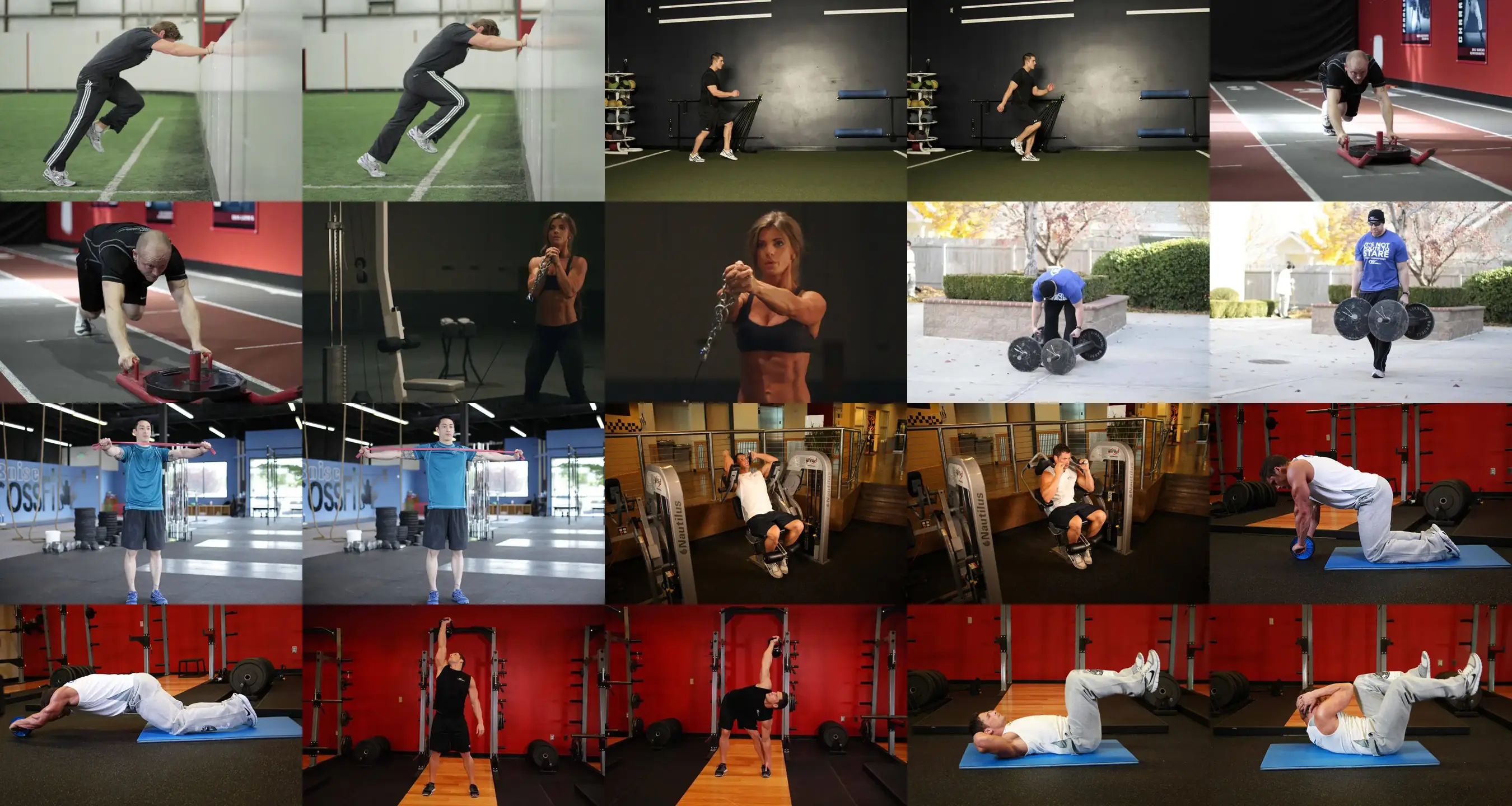
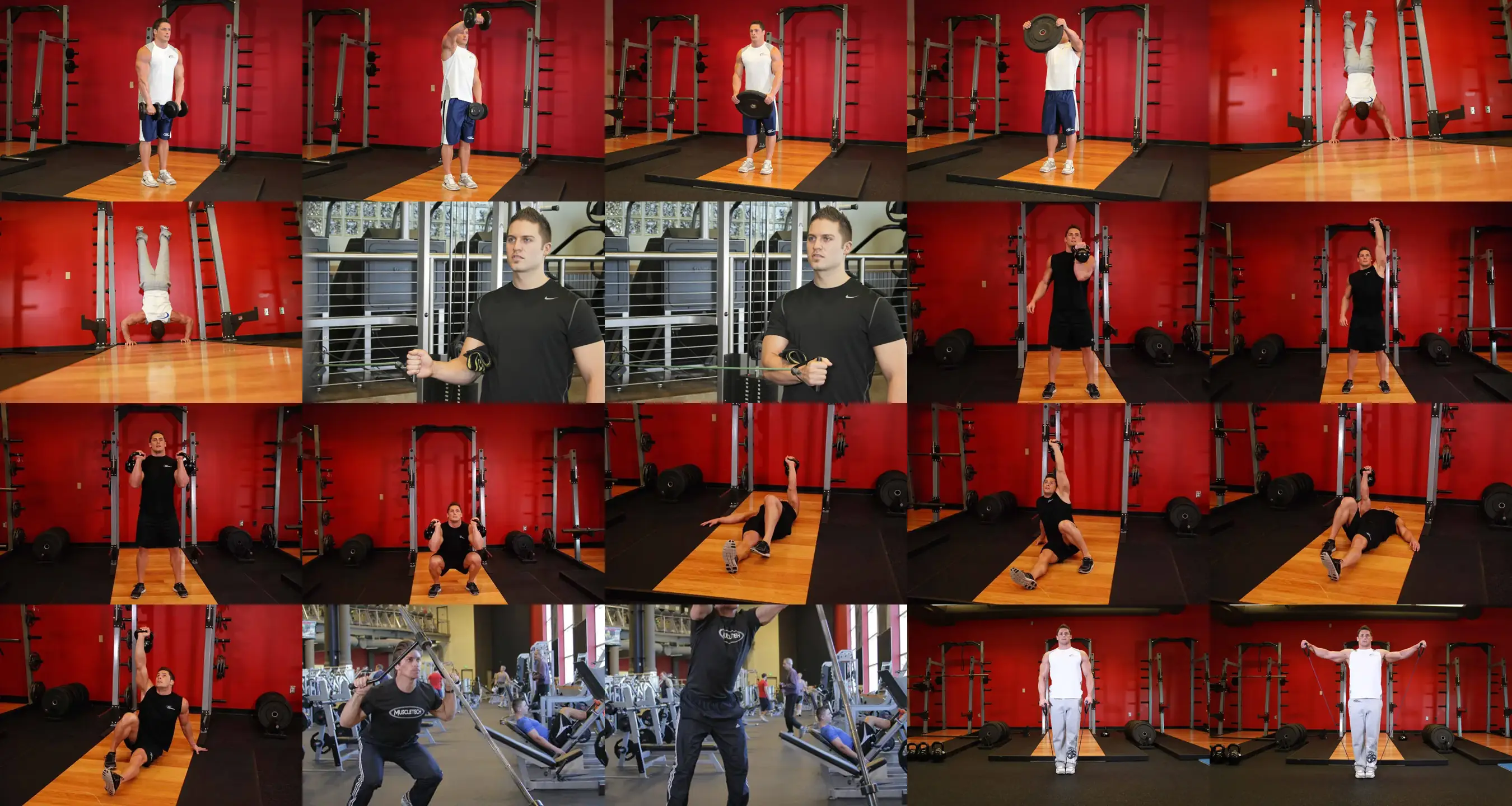
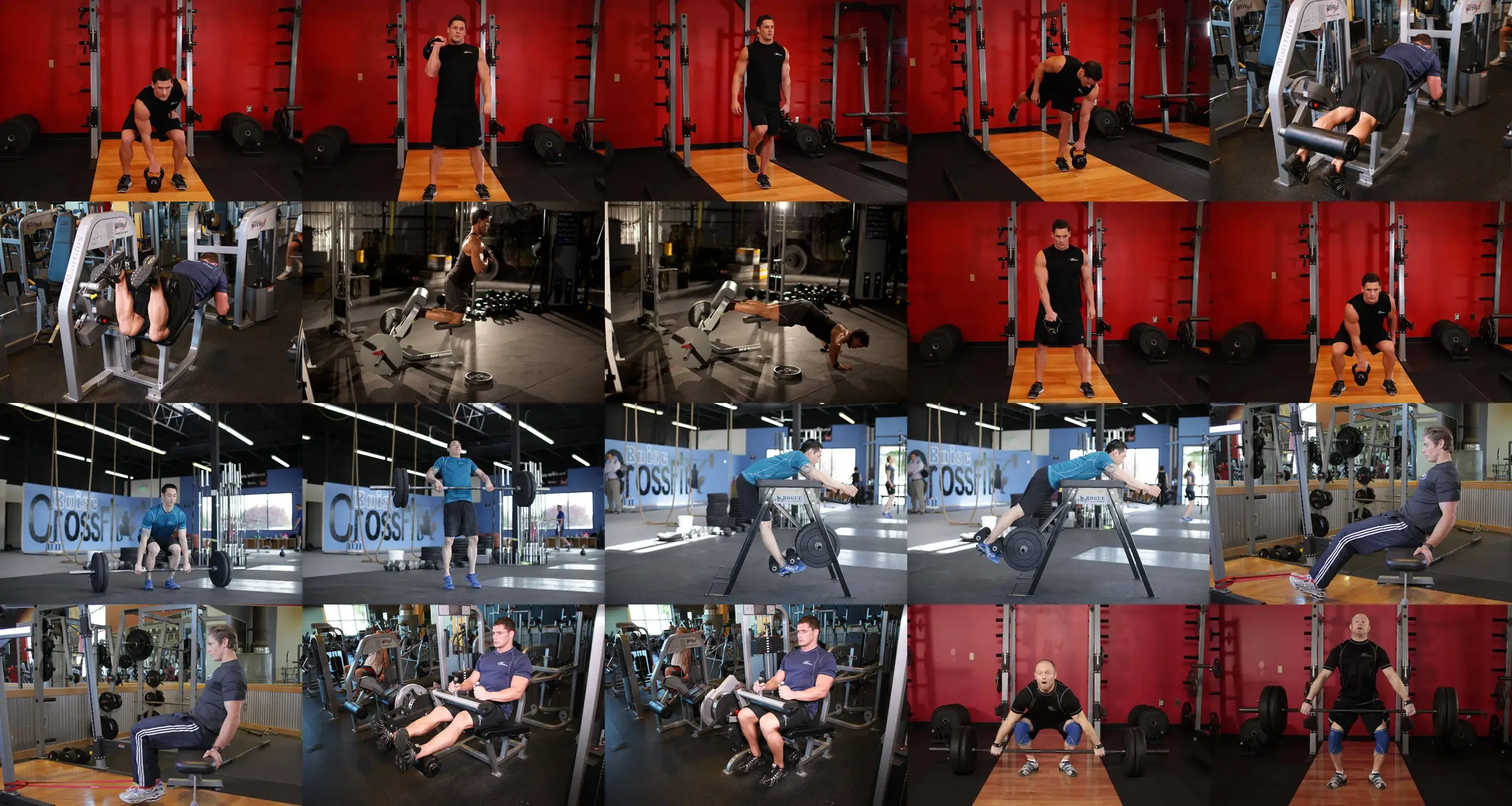
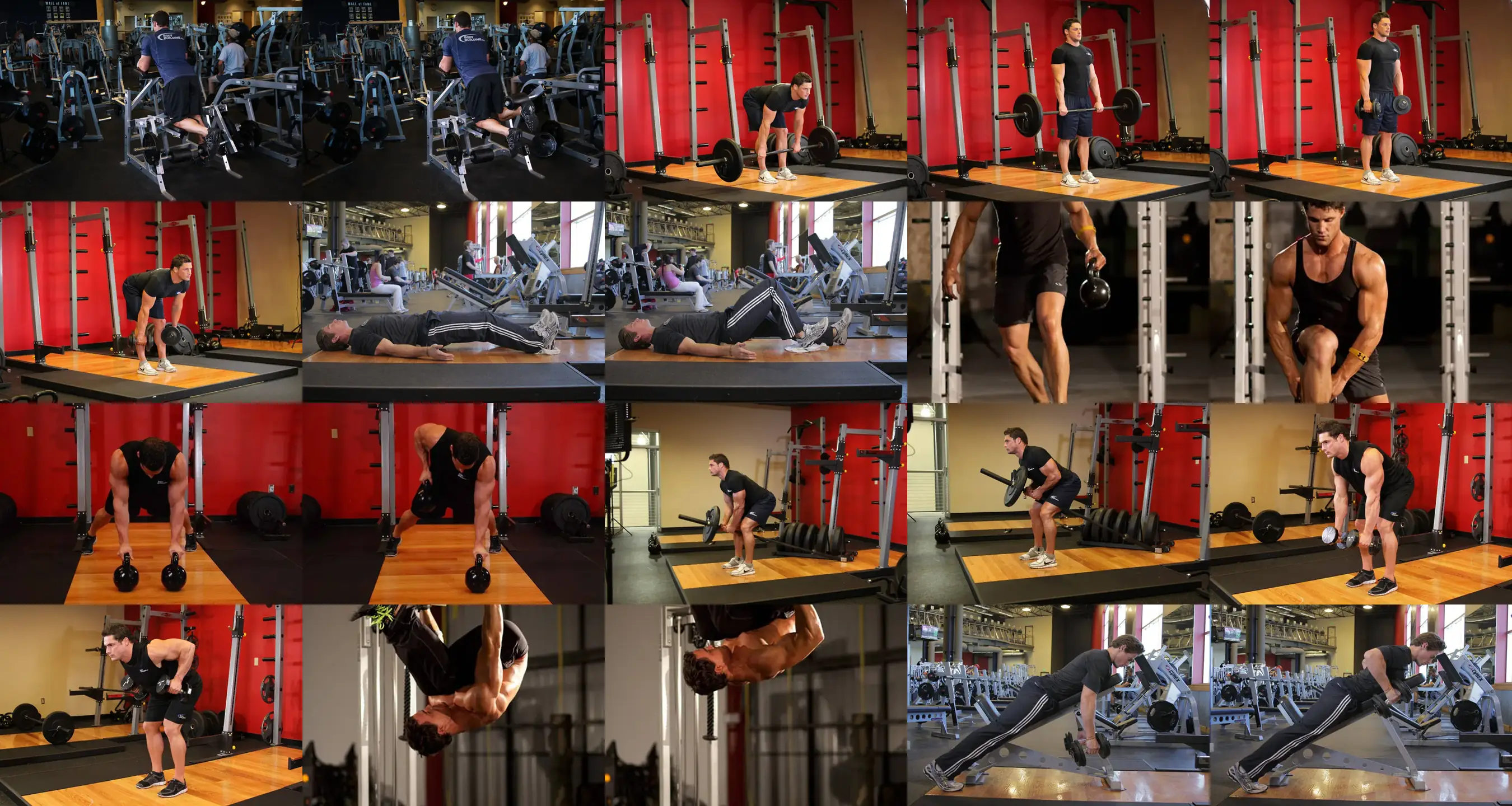
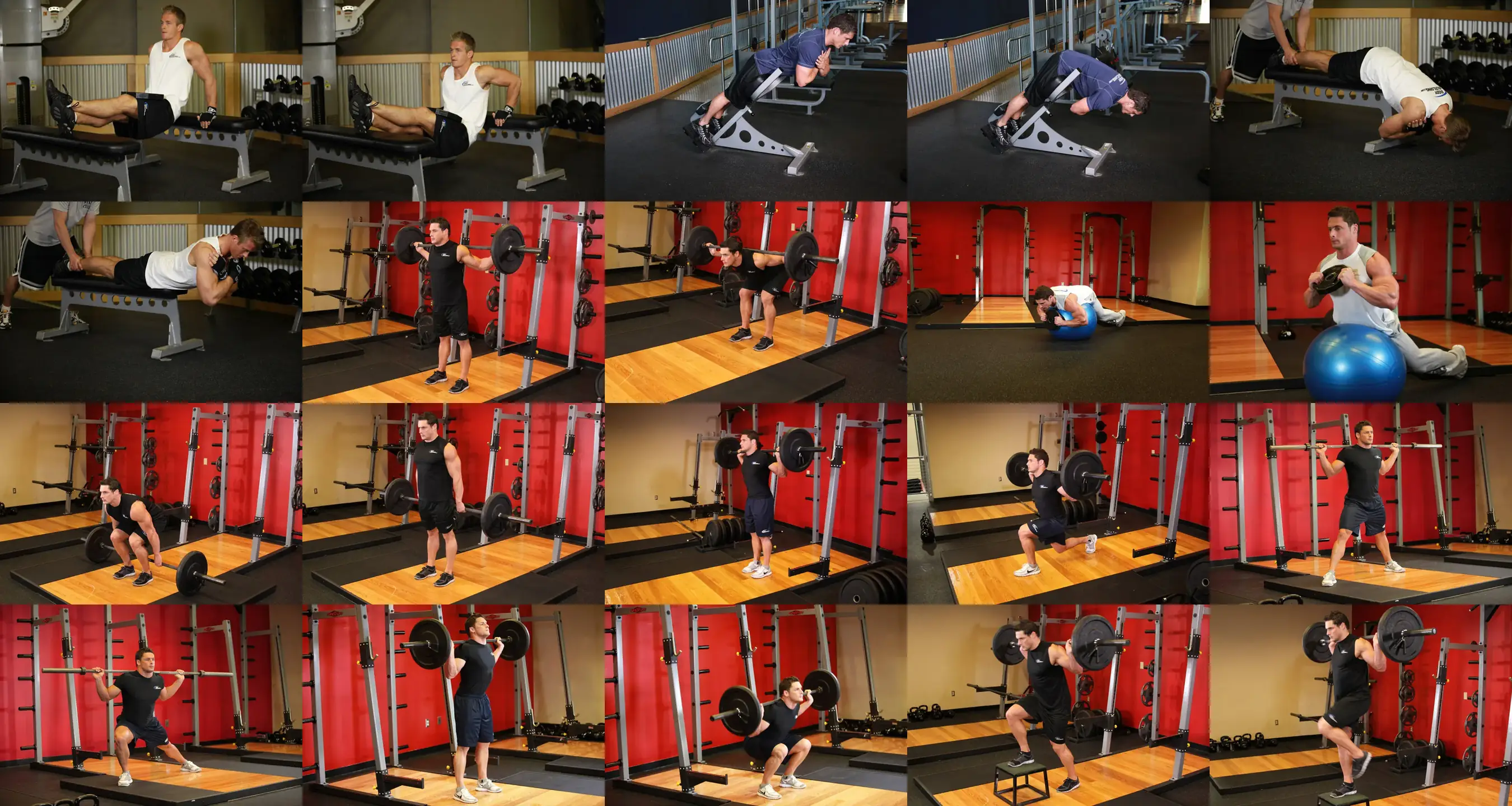
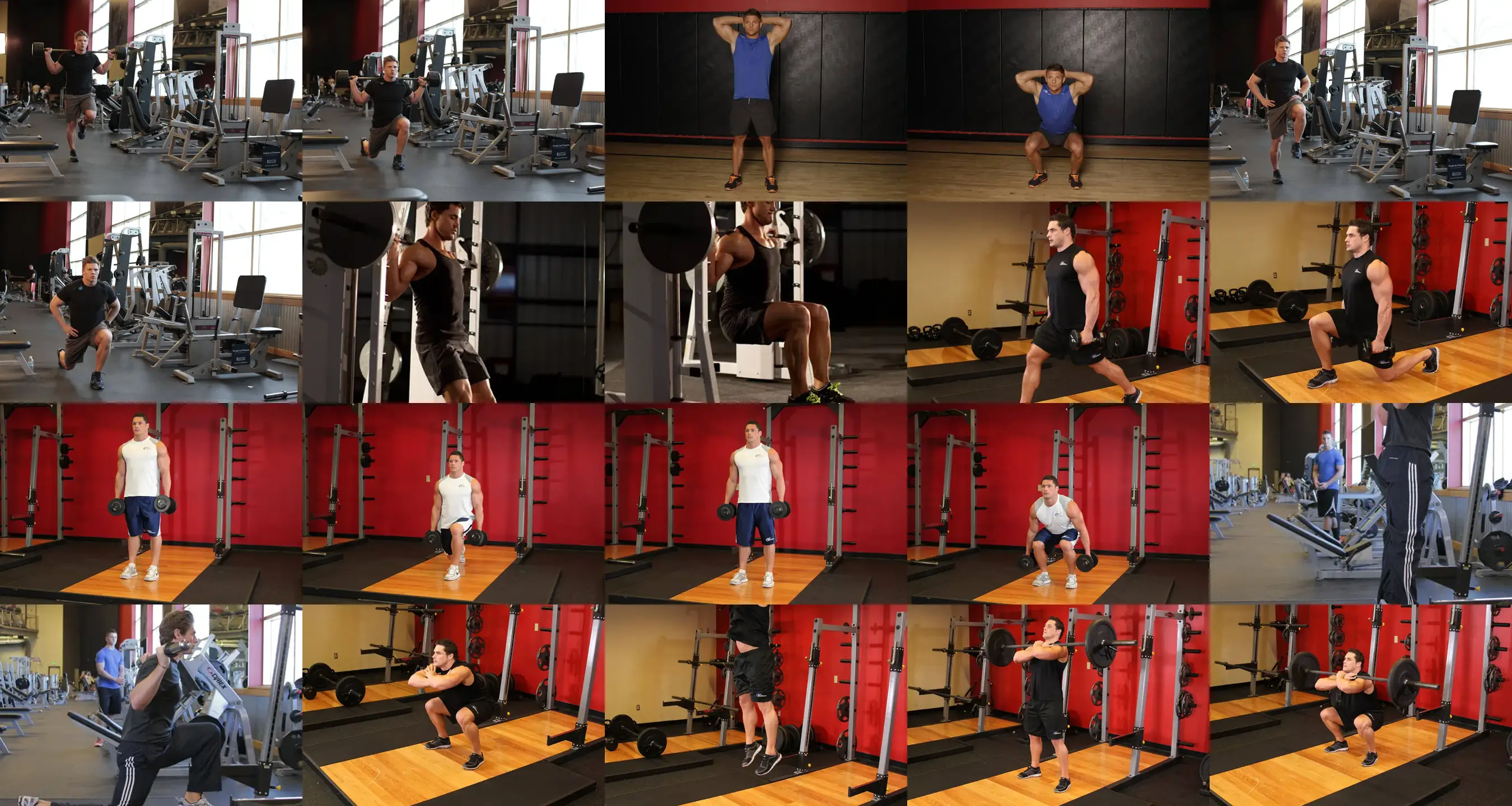
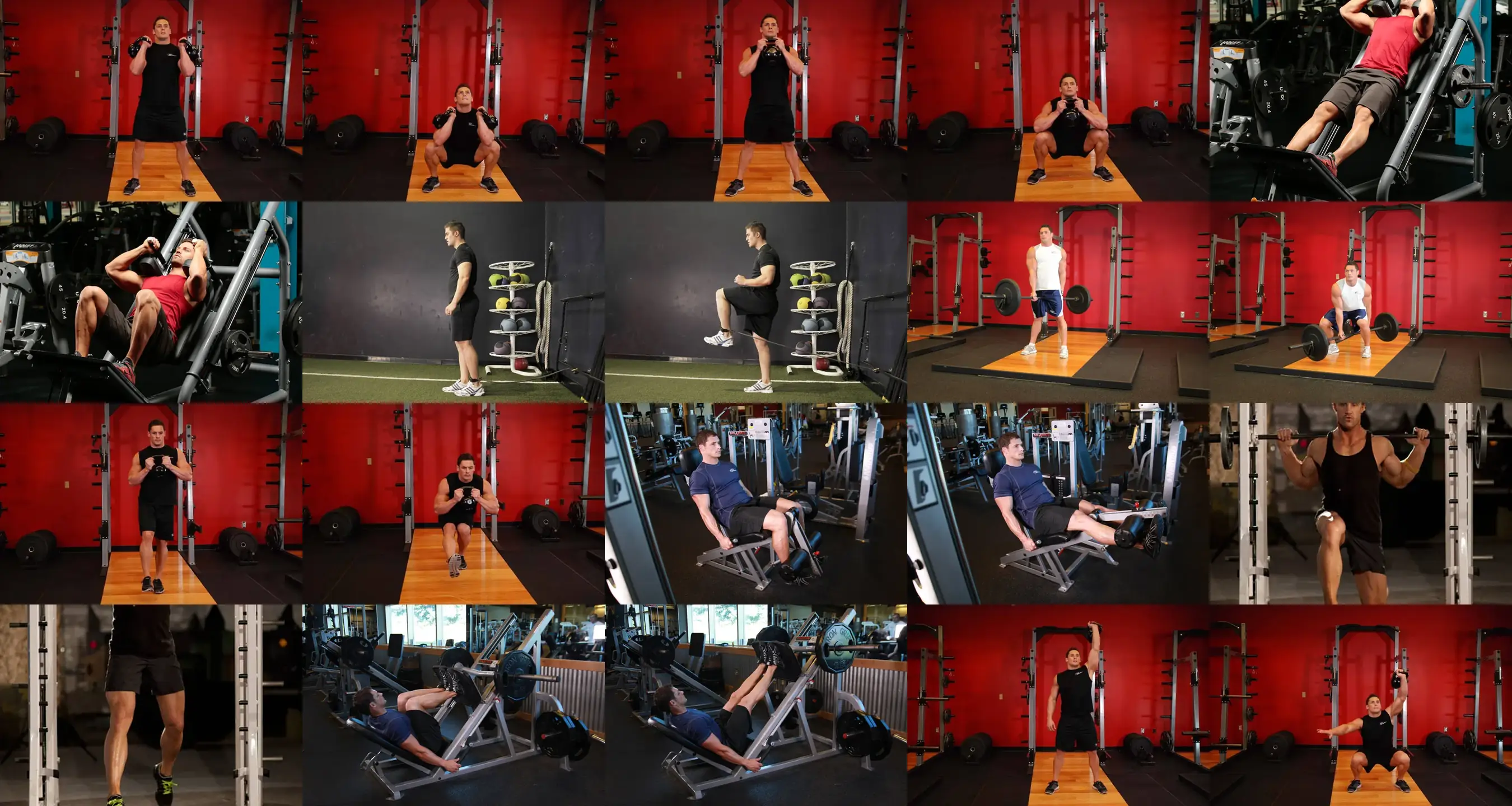
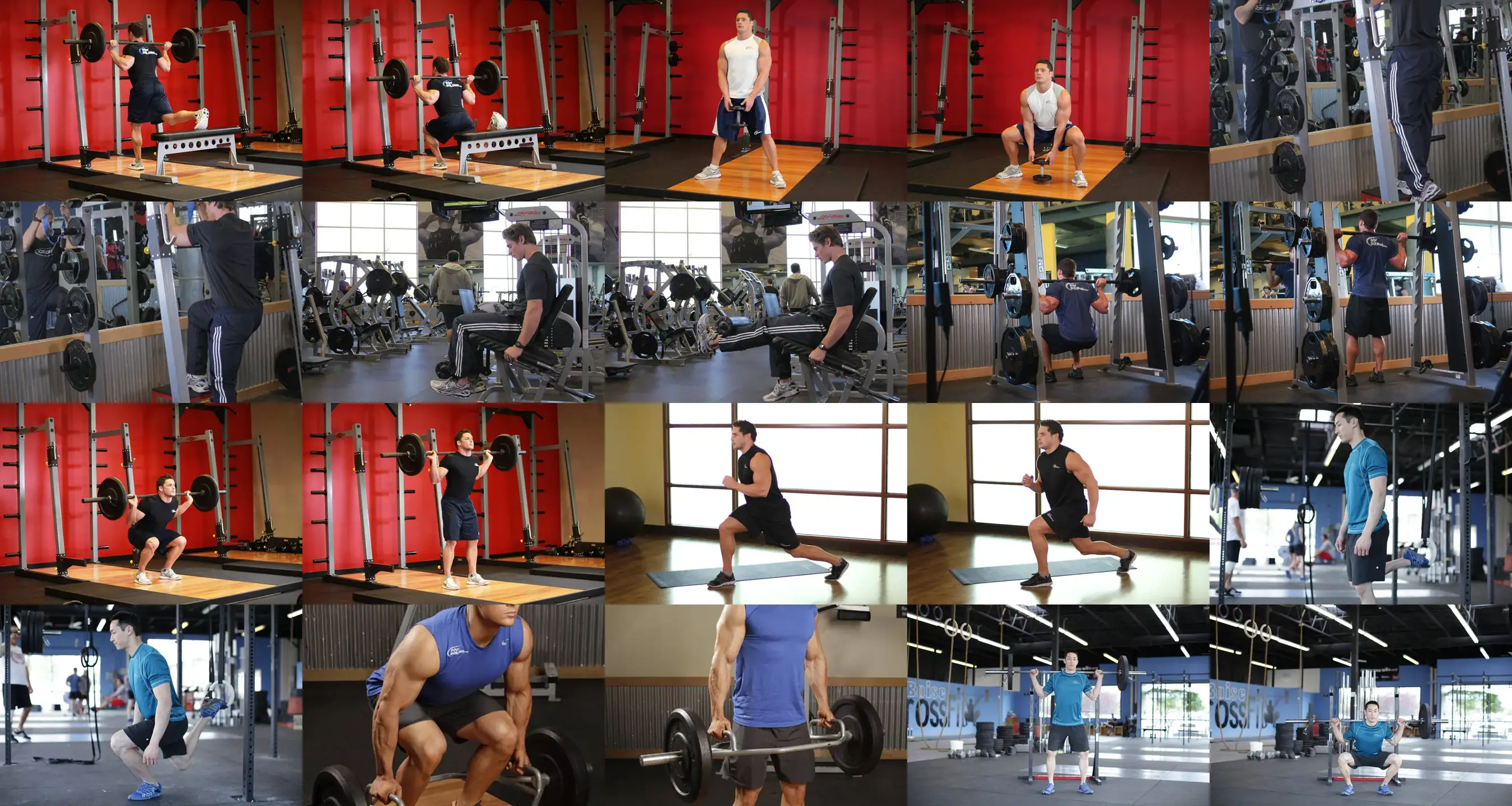
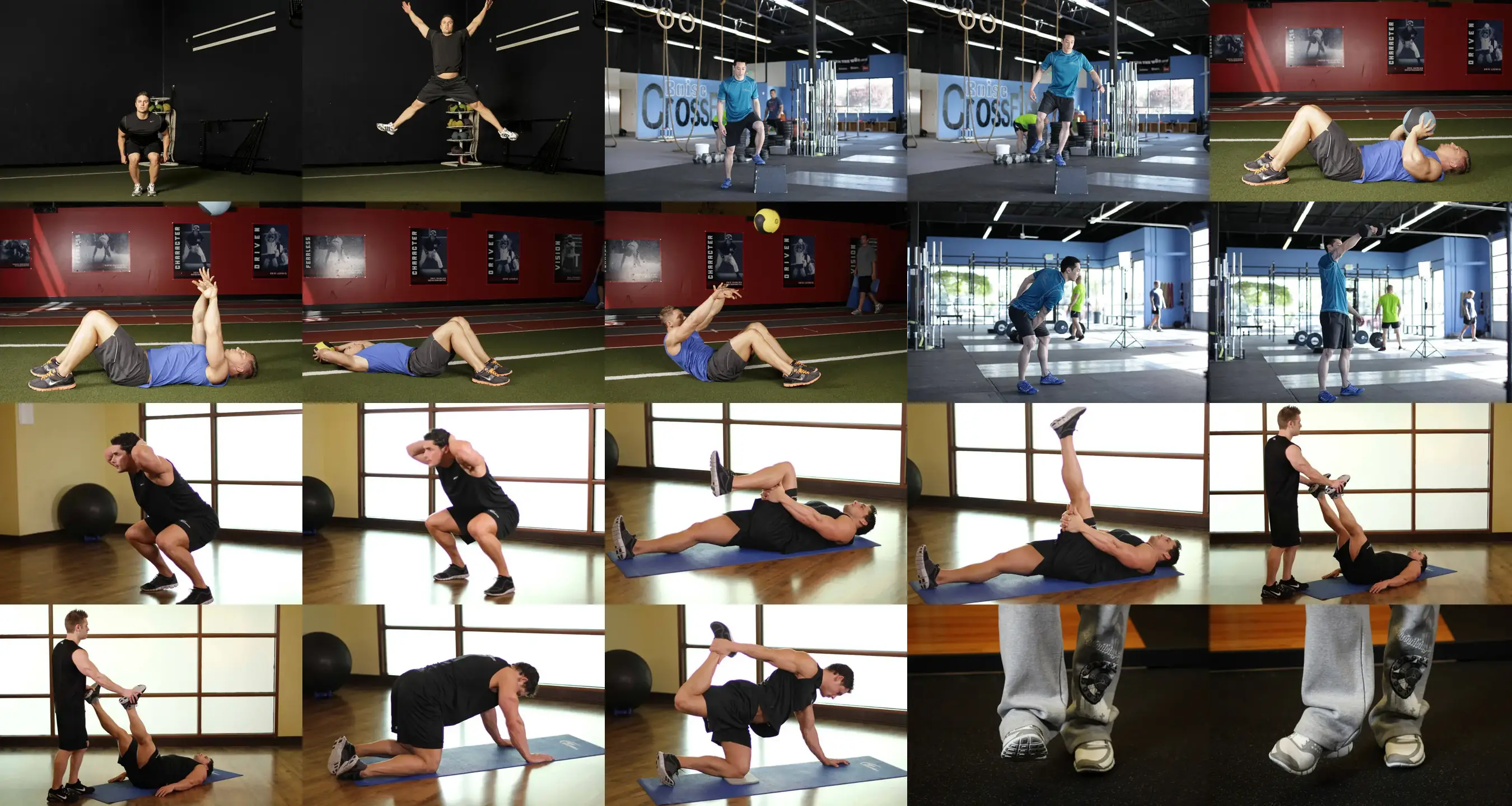
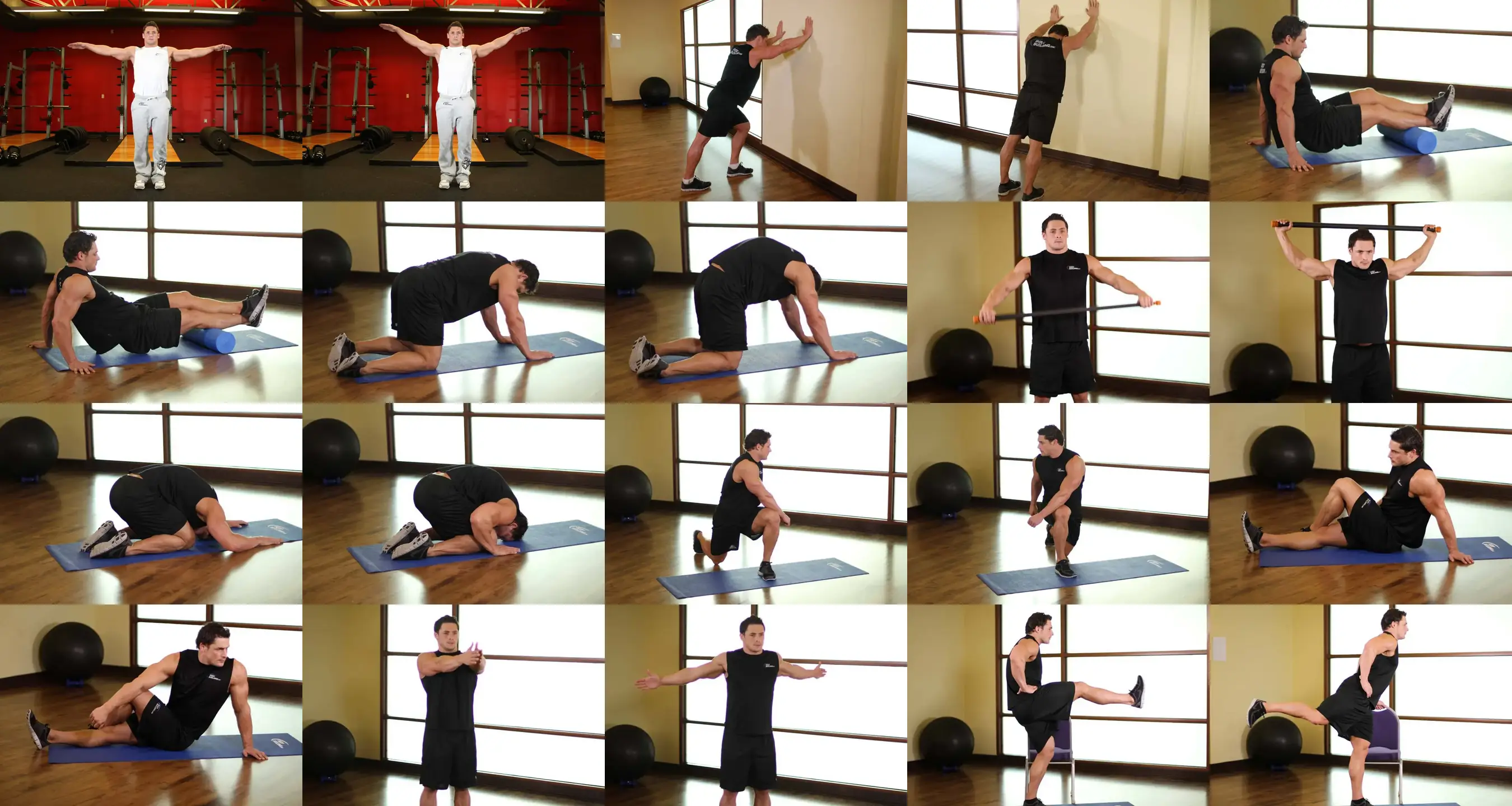
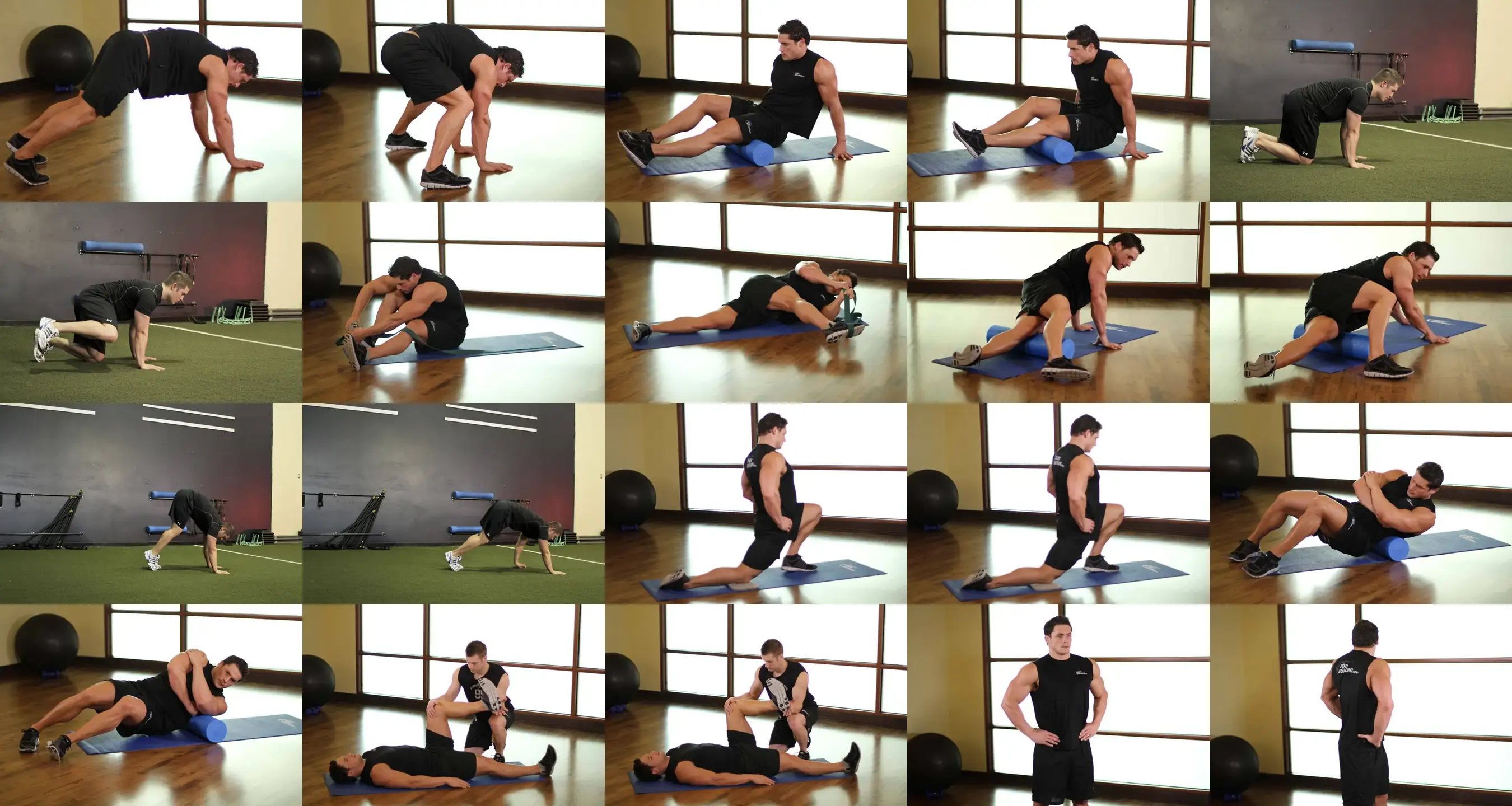
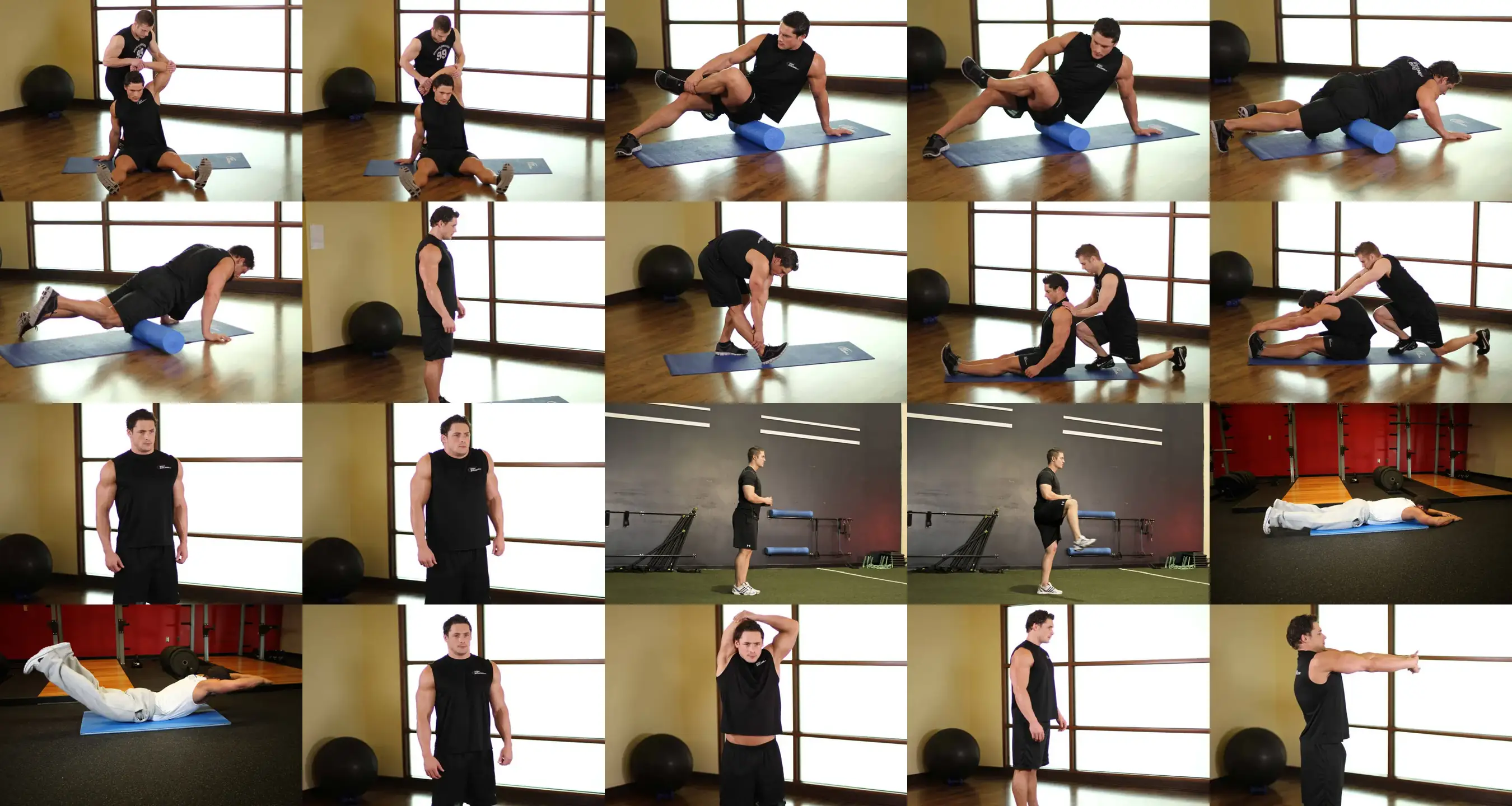
8-week plans with sets, reps and progression, built for your sport. Includes a downloadable PDF.
More watts per pedal stroke, a back that holds your position and balanced legs.
Build muscle with 3 full-body sessions, progressive loading and just enough volume to recover.
Raise your squat, bench press and deadlift numbers with linear progression and a test at the end.