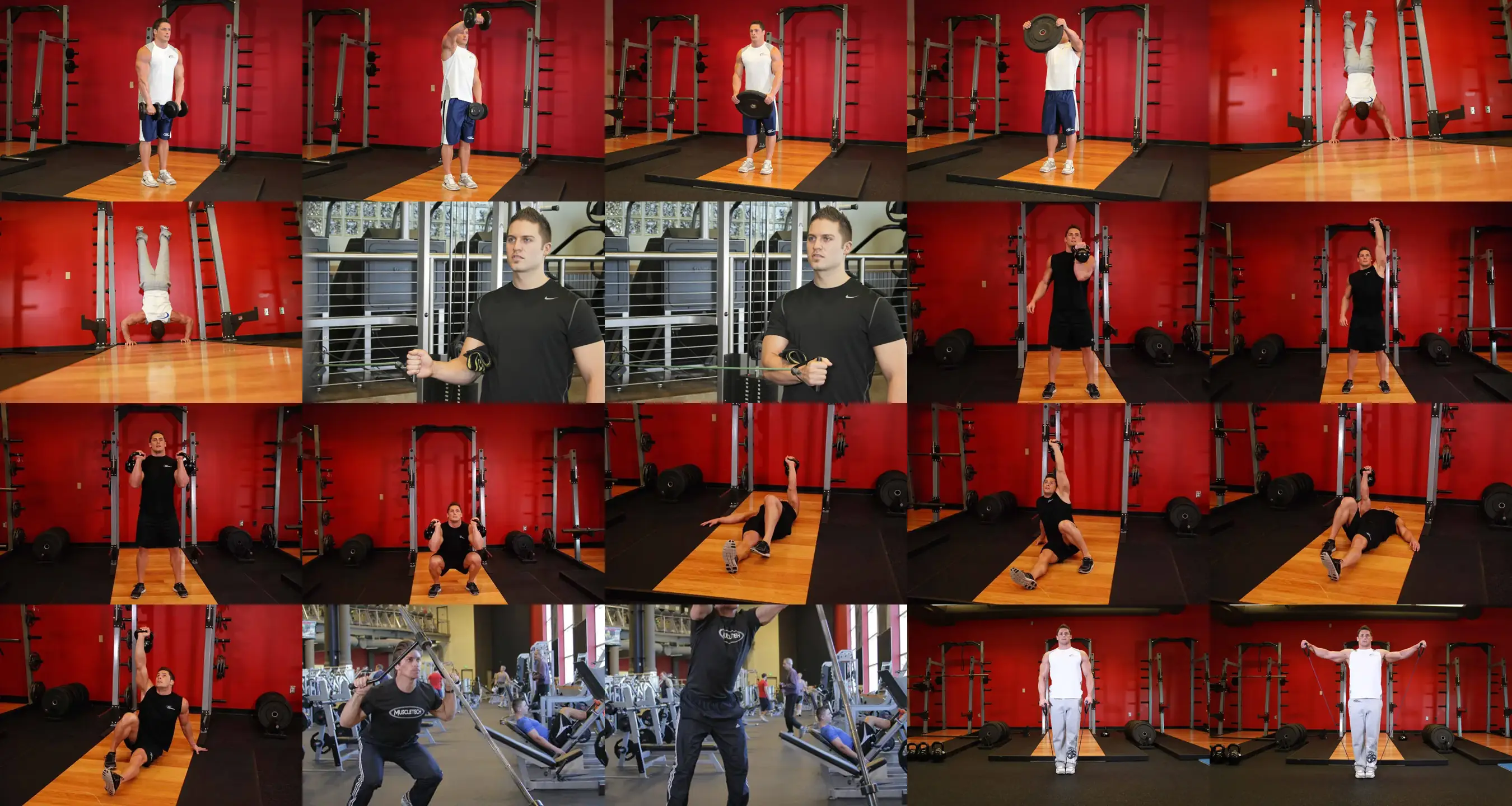
Setup and loading
Lying on your back, grab the kettlebell with both hands by your shoulder and press it up before passing it to one arm. Start with a light bell and go heavier only when you can do every phase without the arm drifting from vertical.
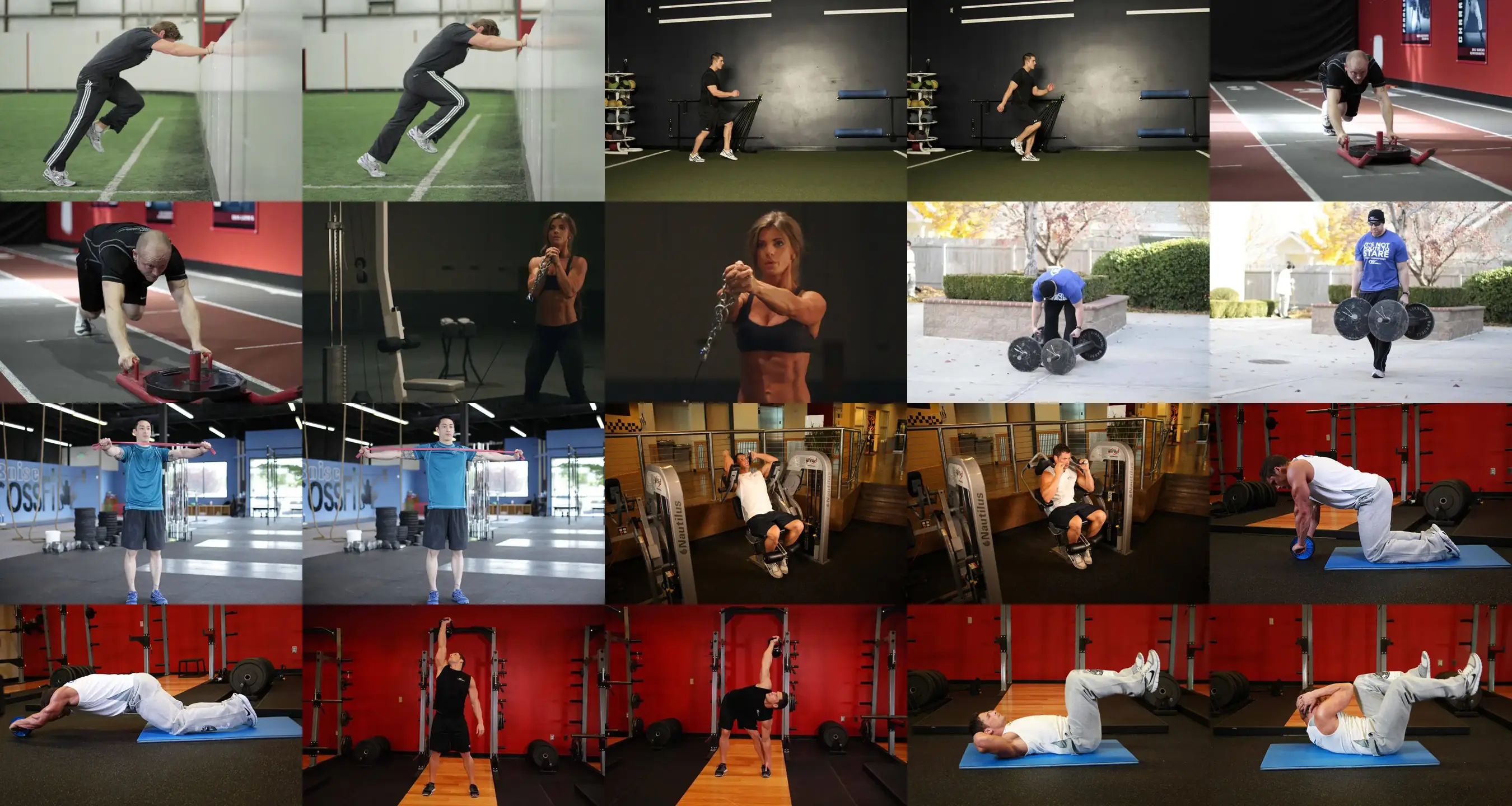
How to do the kettlebell turkish get-up (lunge style) step by step
- Lying down with the bell overhead in one arm, bend that knee and angle the other arm and leg out diagonally.
- Push through your foot and roll onto the opposite elbow, then onto your hand, eyes on the kettlebell.
- Lift your hips into a bridge and sweep the straight leg under your body to place that knee behind your hand.
- Straighten your torso into a half kneeling position, turning the back leg to line it up.
- Look forward and, exhaling, stand up out of the lunge by driving through your front foot.
- Reverse each phase calmly to return to the floor, then repeat with the other arm.
Form cues
- Arm vertical like a post
- Knee behind your support hand
- Chest tall in the half kneel
- Rise from the lunge without rushing
Common mistakes
- Taking your eyes off the bell early: the arm drifts; watch it until you are kneeling.
- Placing the knee far from the hand: the transition twists; set it in line with your hand.
- Leaning forward in the lunge: the bell shifts; stand up with a tall chest.
- Bending the elbow holding the bell: instability; lock it from start to finish.
How to make it easier or harder
As a regression, drill it in pieces, to the elbow, to the hand, or to the bridge, with no weight or a shoe on your fist. To progress, increase the kettlebell gradually or move to the squat style if your mobility allows.
Sets and reps for your goal
Hypertrophy
3-4 x 8-12 · rest 60-90 s3-4 sets of 6-12 reps (up to 15-20 on isolation exercises) at 65-80% of your max. Rest 1 to 2 minutes.
Get close to failure (0-3 reps in reserve) and control the lowering for 2-3 seconds. Accumulate 10-20 sets per muscle per week.
Max Strength
4-5 x 3-6 · rest 2-3 min3-6 sets of 1-6 reps at 80-90% of your max (1RM). Rest 2 to 5 minutes.
Leave 1-3 reps in reserve. If your technique breaks down, lower the weight: strength is built with good reps.
A guide for healthy adults. Adjust the load to your level and see a professional if you have an injury.
Check your form
Film yourself from the side or ask someone to watch, then tick what you get right.
Frequently asked questions
What is the Turkish get-up good for?
It builds shoulder stability, core control, and coordination across several planes. It combines rolling, bridging, kneeling, and lunging, which is why it is popular as a total body strength and conditioning drill.
How many reps of Turkish get-ups should I do?
Few, high quality reps. Typically 1 to 5 reps per side per set, alternating arms. Because it is a long, technical movement, the quality of each phase matters more than volume.
Sports it suits
Gear for this exercise
- KettlebellStart with 12-16 kg (26-35 lb) for women or 16-24 kg (35-53 lb) for men.
As an Amazon Associate, Muscle Atlas earns from qualifying purchases.