Setup and loading
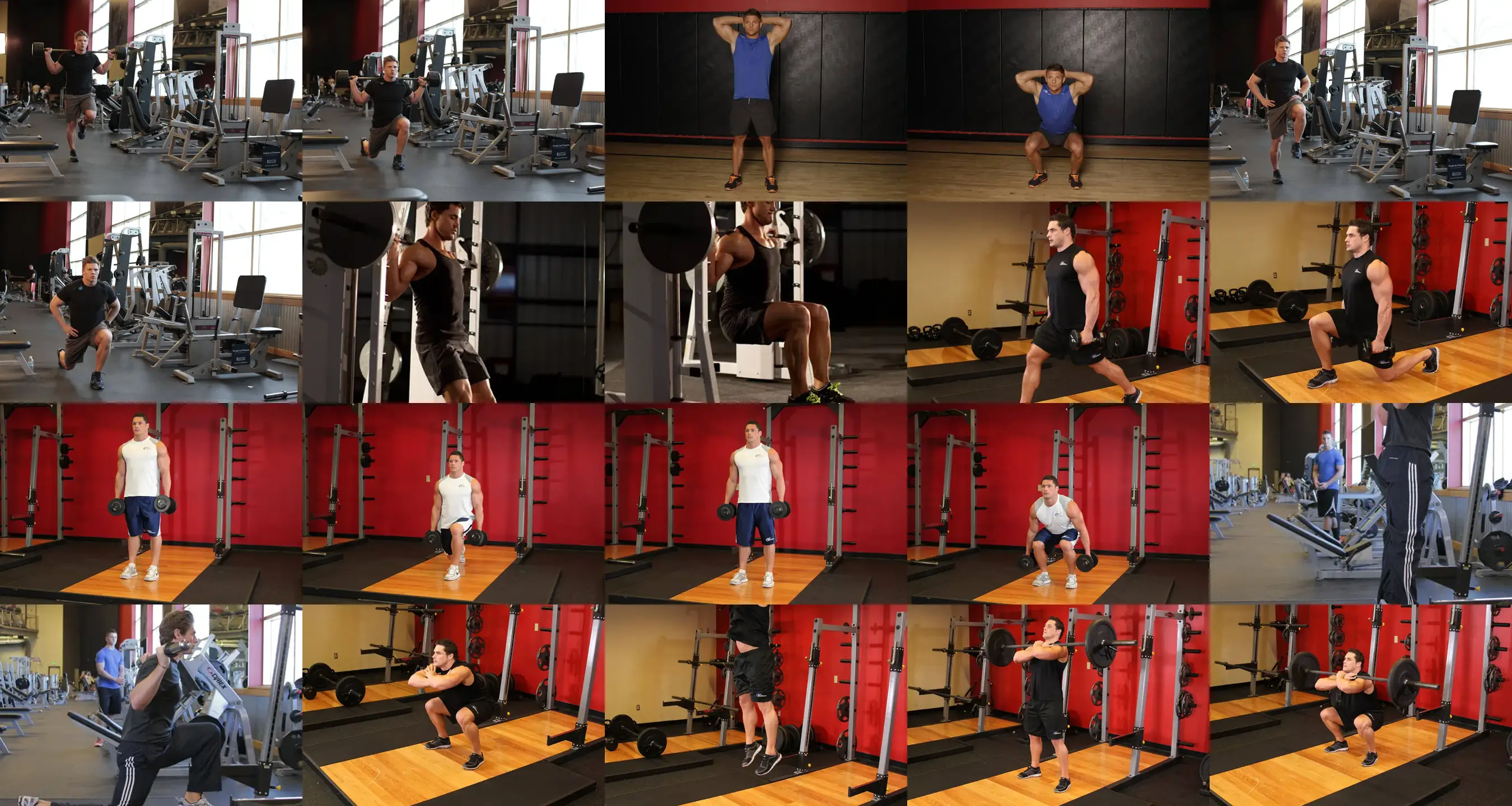
Set the bar in the rack at shoulder height and rest it on your front delts with a fingertip clean grip or crossed arms, elbows high. Use noticeably less weight than your back squat and prioritize keeping your elbows up every rep.
How to do the barbell front squat step by step
- Step up to the bar, rest it on your front delts next to your neck, and set a clean grip or cross your arms.
- Raise your elbows until your upper arms are nearly parallel to the floor, unrack, and take two steps back.
- Set your feet shoulder width apart, take a deep breath, and brace your core.
- Descend straight down, letting your knees travel over your toes while keeping your elbows high and torso upright.
- Lower until your hips drop below your knees or as far as you can hold position.
- Exhale and drive through your whole foot to stand, leading with your elbows and chest.
Form cues
- Elbows high through the entire rep
- Torso vertical with your chest up
- Knees travel forward and out
- Lead the way up with your elbows
Common mistakes
- Dropping your elbows: the bar rolls forward; drive your elbows up as you rise.
- Leaning your torso: you lose position and the bar slips; keep your chest up.
- Squeezing the bar with your hands: it strains your wrists; rest it on your shoulders and use fingertips.
- Using back squat loads: technique breaks down; start around 60 to 70 percent of it.
How to make it easier or harder
To make it easier, do goblet squats or double kettlebell front squats. To progress, add load, pause at the bottom, or use a slow tempo on the descent.
Sets and reps for your goal
Hypertrophy
3-4 x 8-12 · rest 60-90 s3-4 sets of 6-12 reps (up to 15-20 on isolation exercises) at 65-80% of your max. Rest 1 to 2 minutes.
Get close to failure (0-3 reps in reserve) and control the lowering for 2-3 seconds. Accumulate 10-20 sets per muscle per week.
Max Strength
4-5 x 3-6 · rest 2-3 min3-6 sets of 1-6 reps at 80-90% of your max (1RM). Rest 2 to 5 minutes.
Leave 1-3 reps in reserve. If your technique breaks down, lower the weight: strength is built with good reps.
Power
4-5 x 2-3 at 30-50% · maximum speed on the way up · rest 2-3 min3-6 sets of 1-5 reps with light or moderate loads (30-60% of your max on the main lifts), or with a ball or your bodyweight. Rest 2 to 3 minutes.
Every rep at the highest possible speed. As soon as you notice it moving slower (a 10-20% velocity loss), end the set. Train power fresh, never fatigued.
A guide for healthy adults. Adjust the load to your level and see a professional if you have an injury.
Check your form
Film yourself from the side or ask someone to watch, then tick what you get right.
Frequently asked questions
Should I front squat with a clean grip or crossed arms?
The clean grip is more stable and lets you lift more, but it requires good wrist and shoulder mobility. Crossed arms are easier at first, although the bar tends to roll with heavy loads. Many lifters start crossed and transition to the clean grip.
What is the difference between front and back squats?
In the front squat the bar sits in front, so your torso stays more upright and your quads work harder. In the back squat the bar sits on your back, your torso leans a bit more, and your glutes and lower back contribute more.
Sports it suits
Gear for this exercise
- Olympic barbell and platesTo keep progressing on the big lifts with heavy loads.
As an Amazon Associate, Muscle Atlas earns from qualifying purchases.