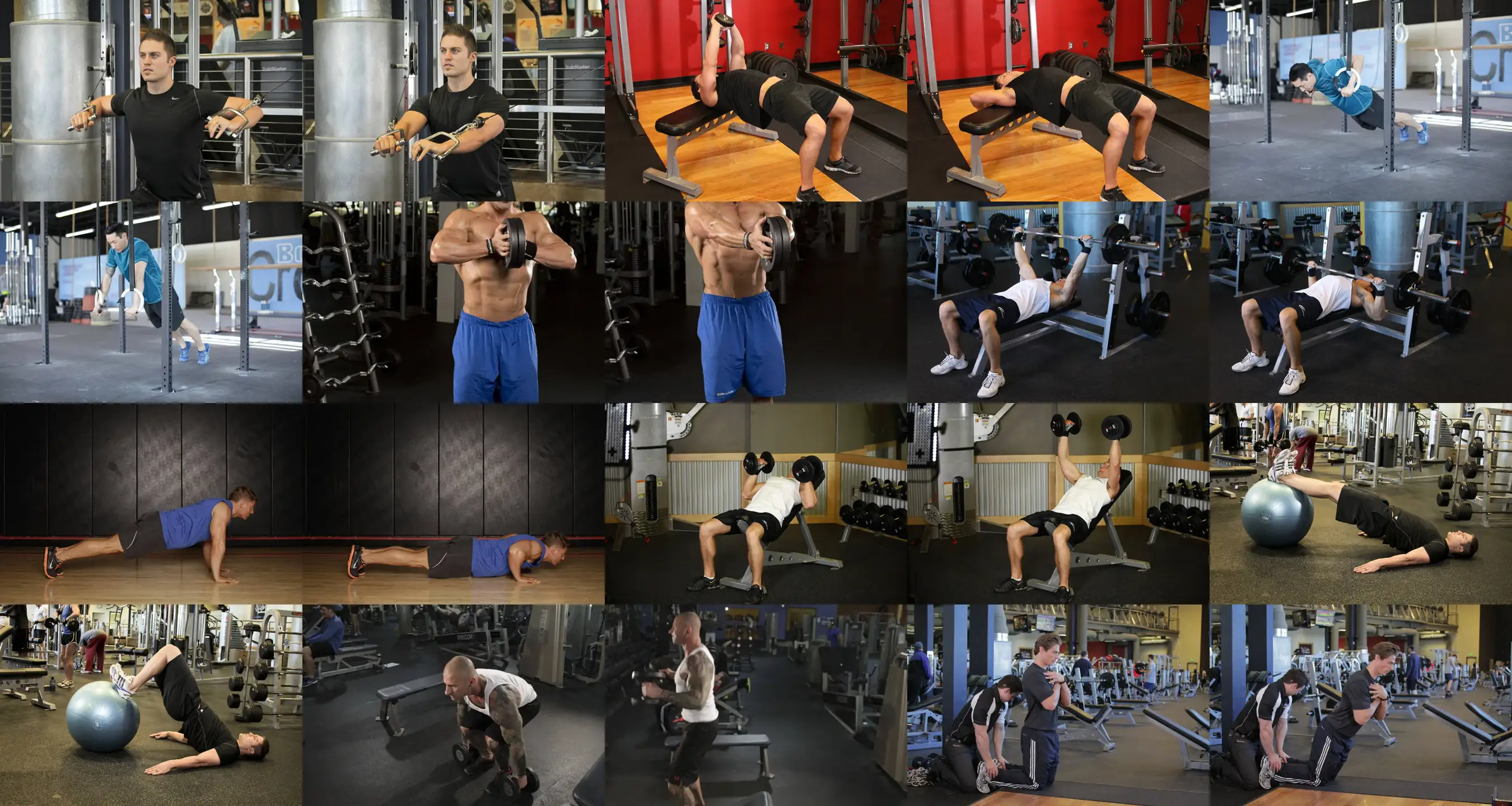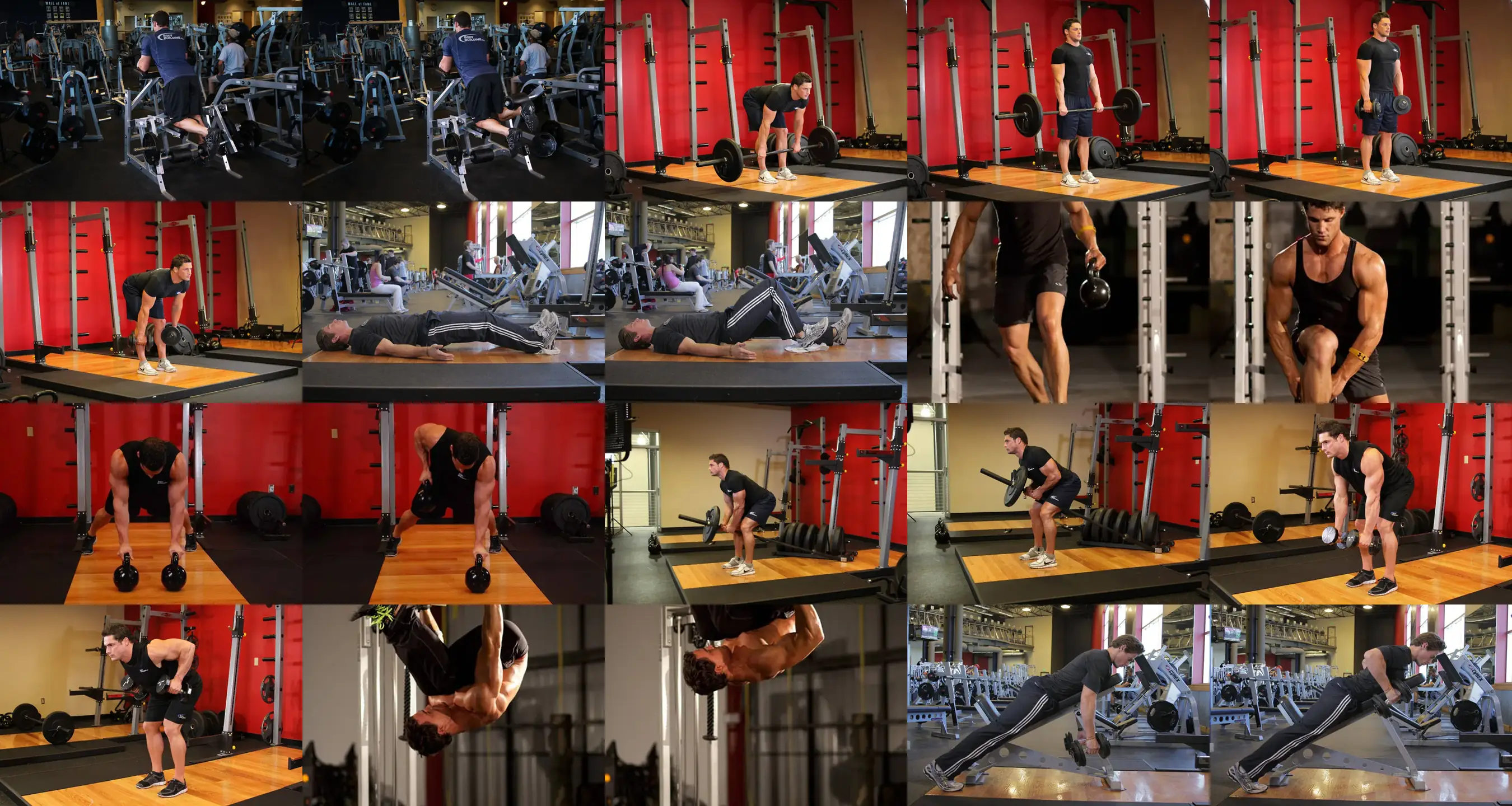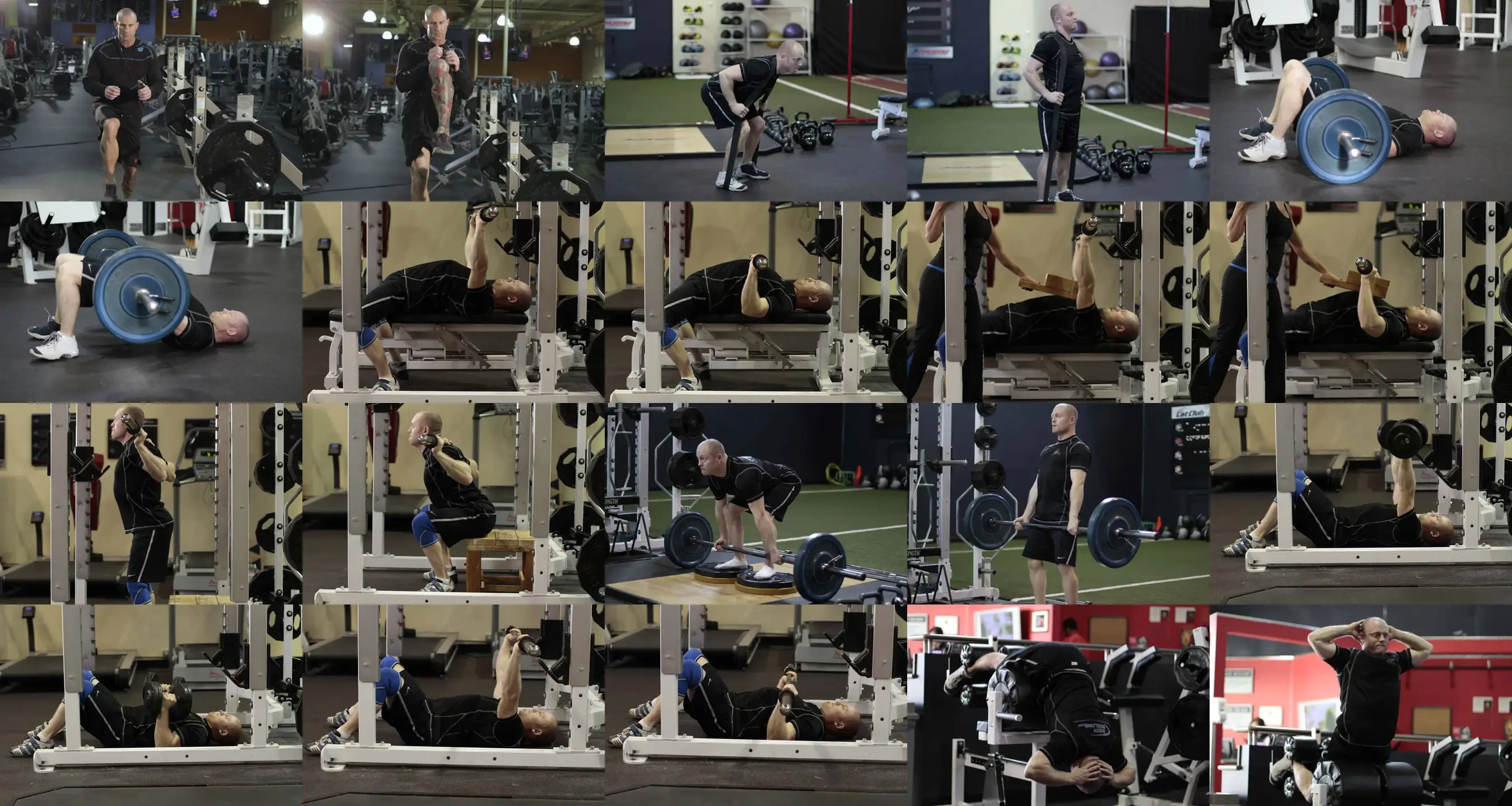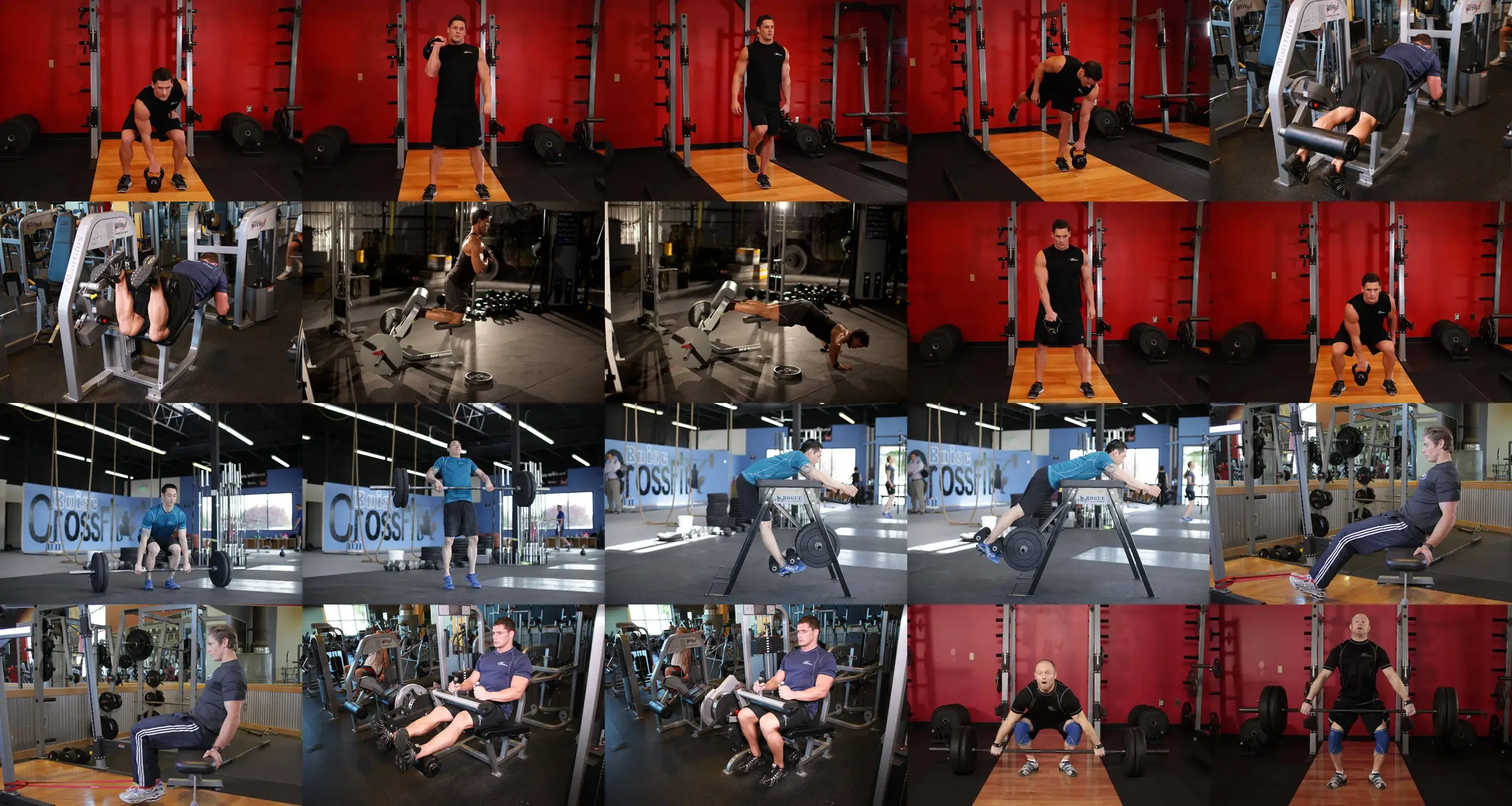
Setup and loading
Anchor the band to a post or heavy furniture leg near the floor, then sit on a bench or chair facing it with the band behind your ankles. Pick a band that allows 15 to 25 controlled reps; for more difficulty, use a thicker band or move farther from the anchor.
How to do the seated band hamstring curl step by step
- Anchor the band at ankle height and sit facing the anchor with a tall spine, hands holding the edge of the seat.
- Loop the band behind both ankles and scoot back until it is taut with your legs nearly straight.
- Exhale and bend your knees, pulling your heels down and back under the seat while your thighs stay planted.
- Squeeze your hamstrings for one second at full flexion, keeping your feet relaxed or toes pulled toward you.
- Inhale as you straighten your knees slowly, letting the band return over two to three seconds without snapping.
- Stop just short of locking your knees to keep tension on the muscle, then start the next rep.
Form cues
- Thighs glued to the seat the whole time
- Pull heels back under the bench
- Count to three on the way out
- Sit tall, do not lean back
Common mistakes
- Letting the band snap back: you lose the eccentric, the most useful part; resist it on purpose.
- Too little starting tension: the first part of the rep is empty; move farther from the anchor first.
- Leaning the torso back: this reduces hamstring stretch; keep your chest up and hands on the seat.
- Weak anchor point: the band can slip and hit you; always check the anchor is solid and stable.
How to make it easier or harder
If controlling both legs is hard, start with a light band and a shorter range. To progress, go single-leg with the same band, add a two-second squeeze at full flexion, or move to a machine leg curl where the load is measurable.
Sets and reps for your goal
Hypertrophy
3 x 10-15 · rest 60 s3-4 sets of 6-12 reps (up to 15-20 on isolation exercises) at 65-80% of your max. Rest 1 to 2 minutes.
Get close to failure (0-3 reps in reserve) and control the lowering for 2-3 seconds. Accumulate 10-20 sets per muscle per week.
A guide for healthy adults. Adjust the load to your level and see a professional if you have an injury.
Check your form
Film yourself from the side or ask someone to watch, then tick what you get right.
Frequently asked questions
Can banded hamstring curls build muscle?
Yes, as long as the band is heavy enough to bring you close to failure within 15 to 30 reps. Bands get harder at the end of the range, so pair this with a hinge like the Romanian deadlift to load the stretched position.
Can I do this without a bench?
Yes. A sturdy chair or the edge of a bed works if your feet can travel under the seat. You can also do a lying version with the band anchored at your feet, though the hip angle and stretch change.
Sports it suits
Gear for this exercise
- Suspension trainerAnchors to a door or a bar.
As an Amazon Associate, Muscle Atlas earns from qualifying purchases.