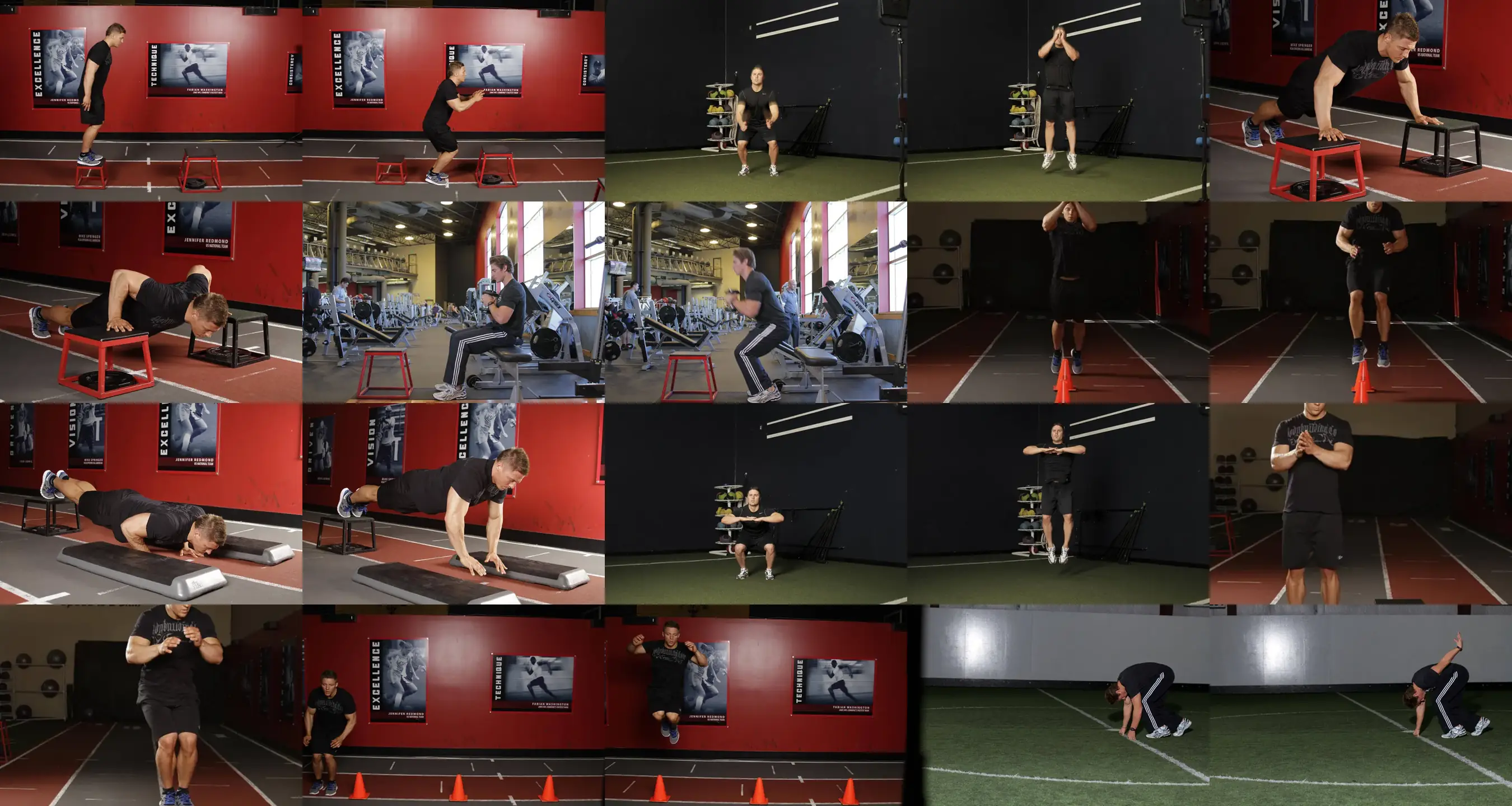
8 weeks · 3 sessions/wk
Power and conditioning for boxing and combat sports
Harder punches driven from the legs, a core that absorbs hits and the stamina to keep the pace in the final rounds.
€19.99See program
Buy · €19.99Sport
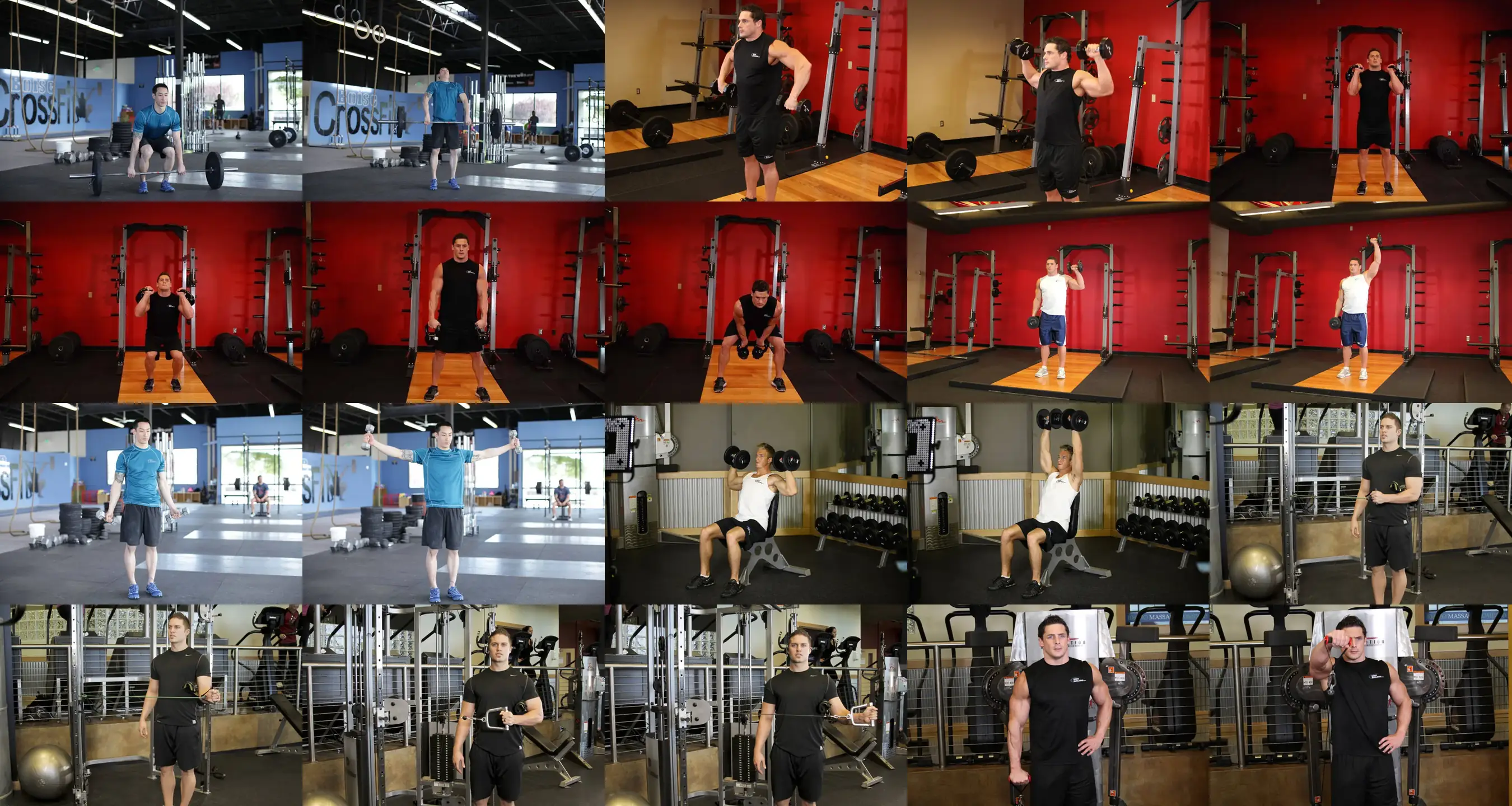
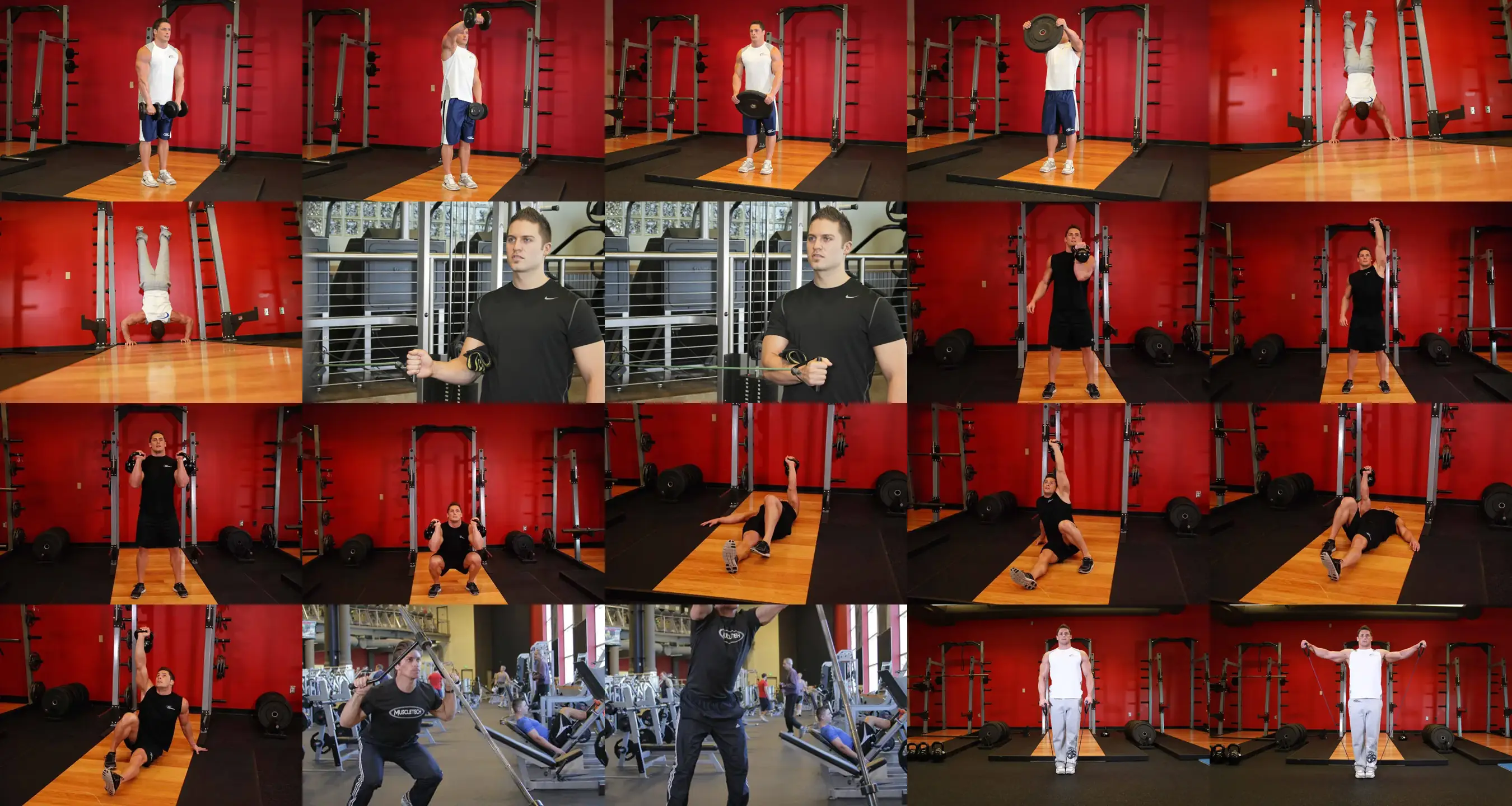
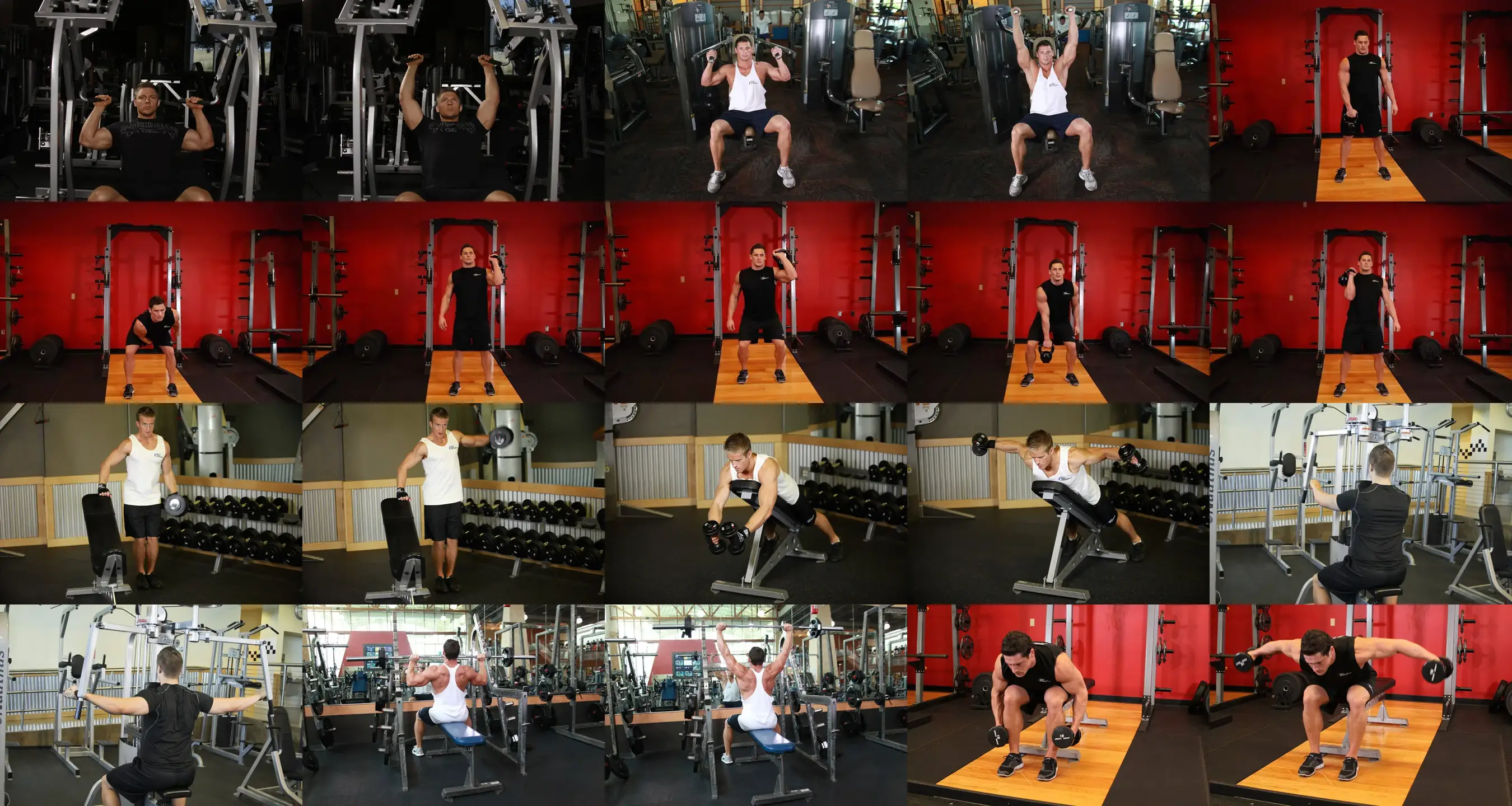
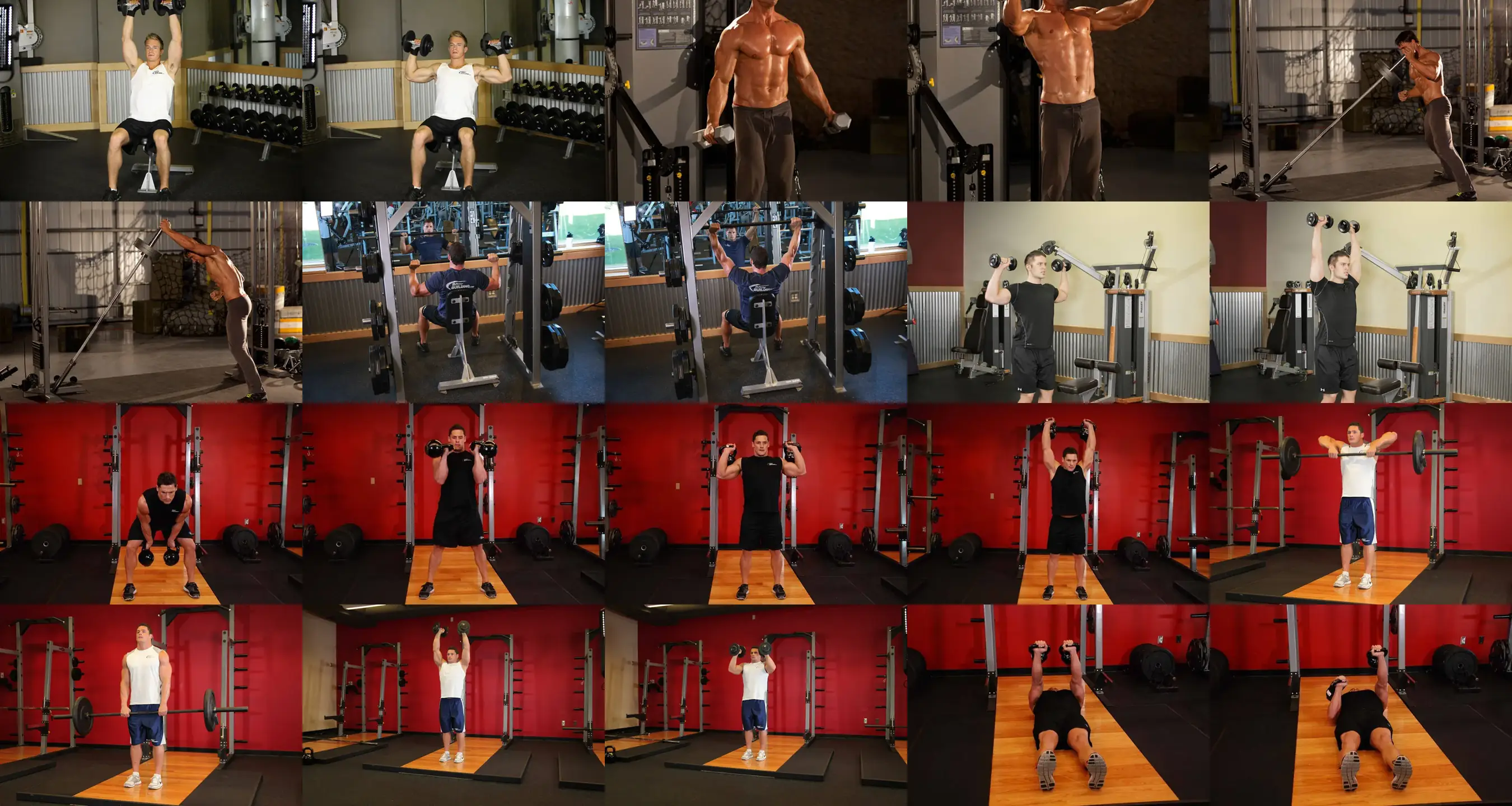
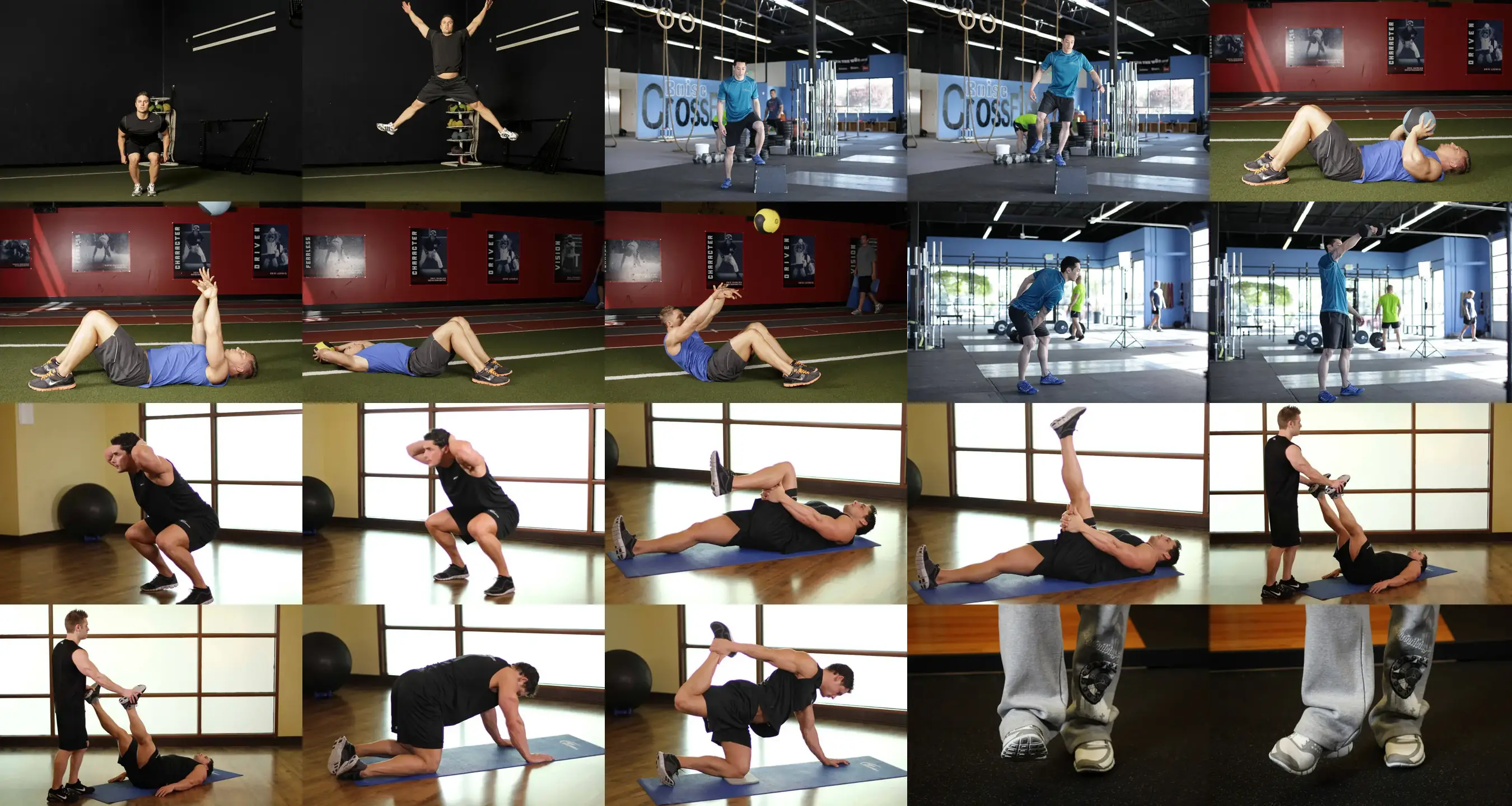
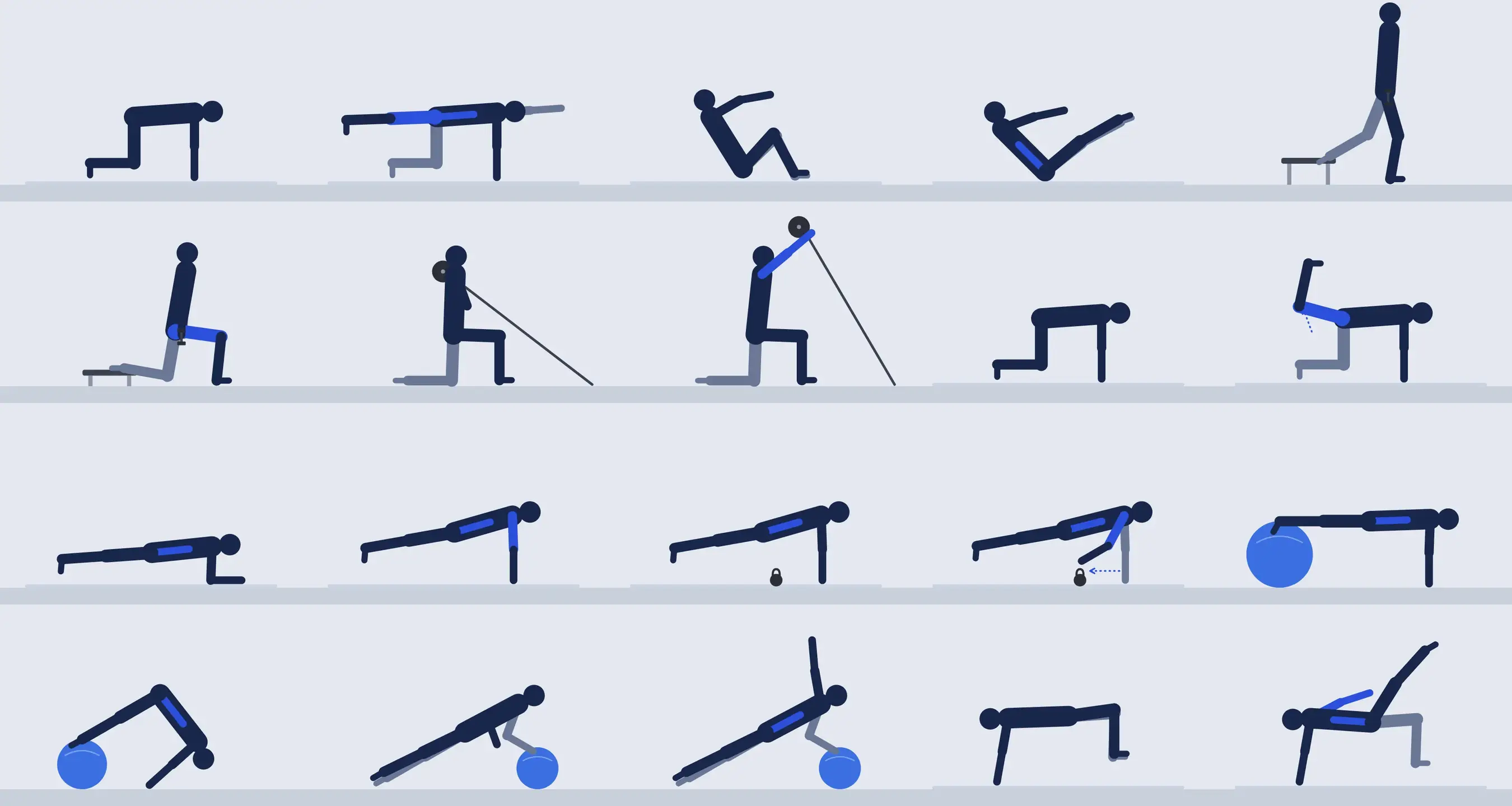
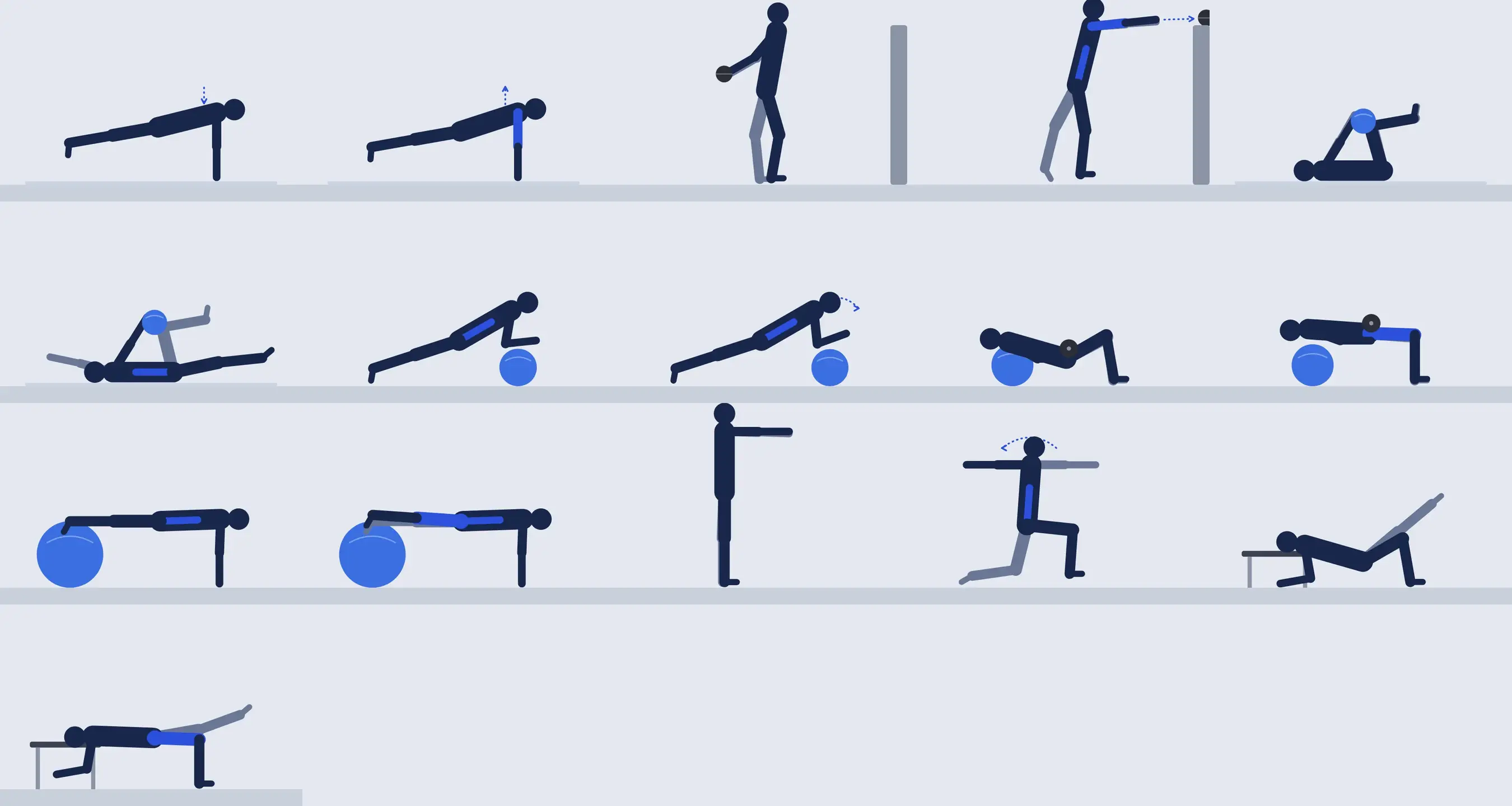
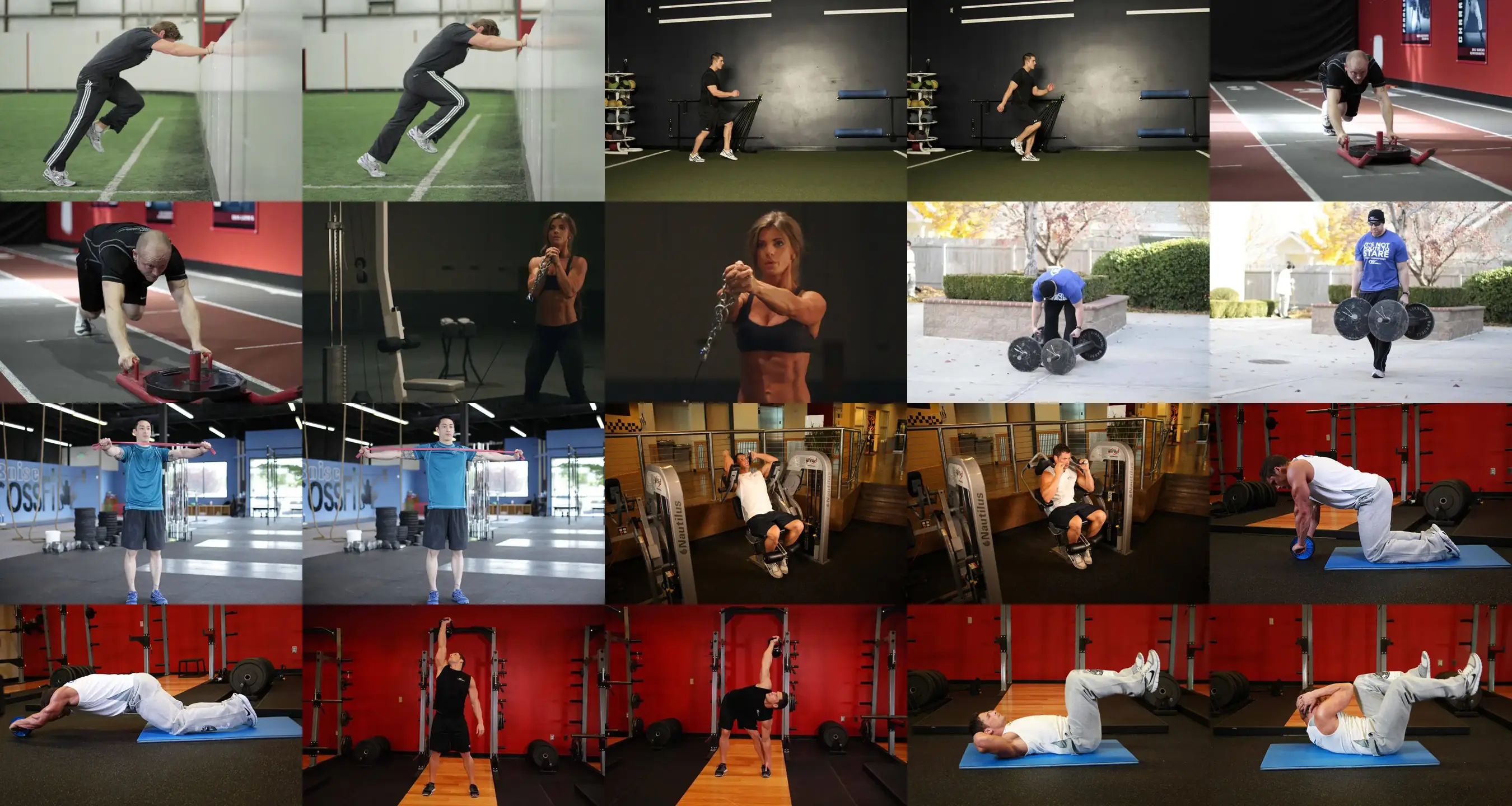
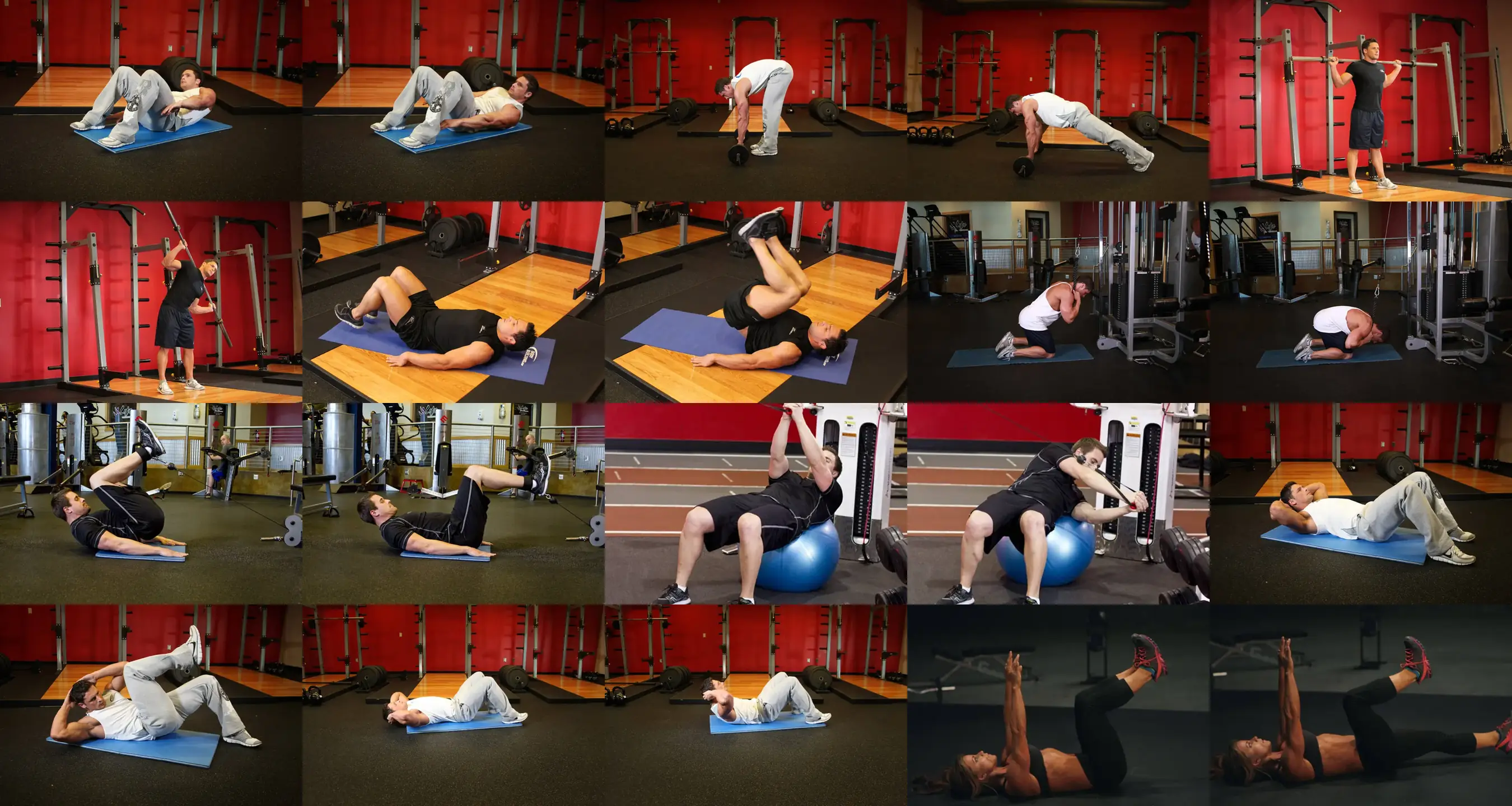
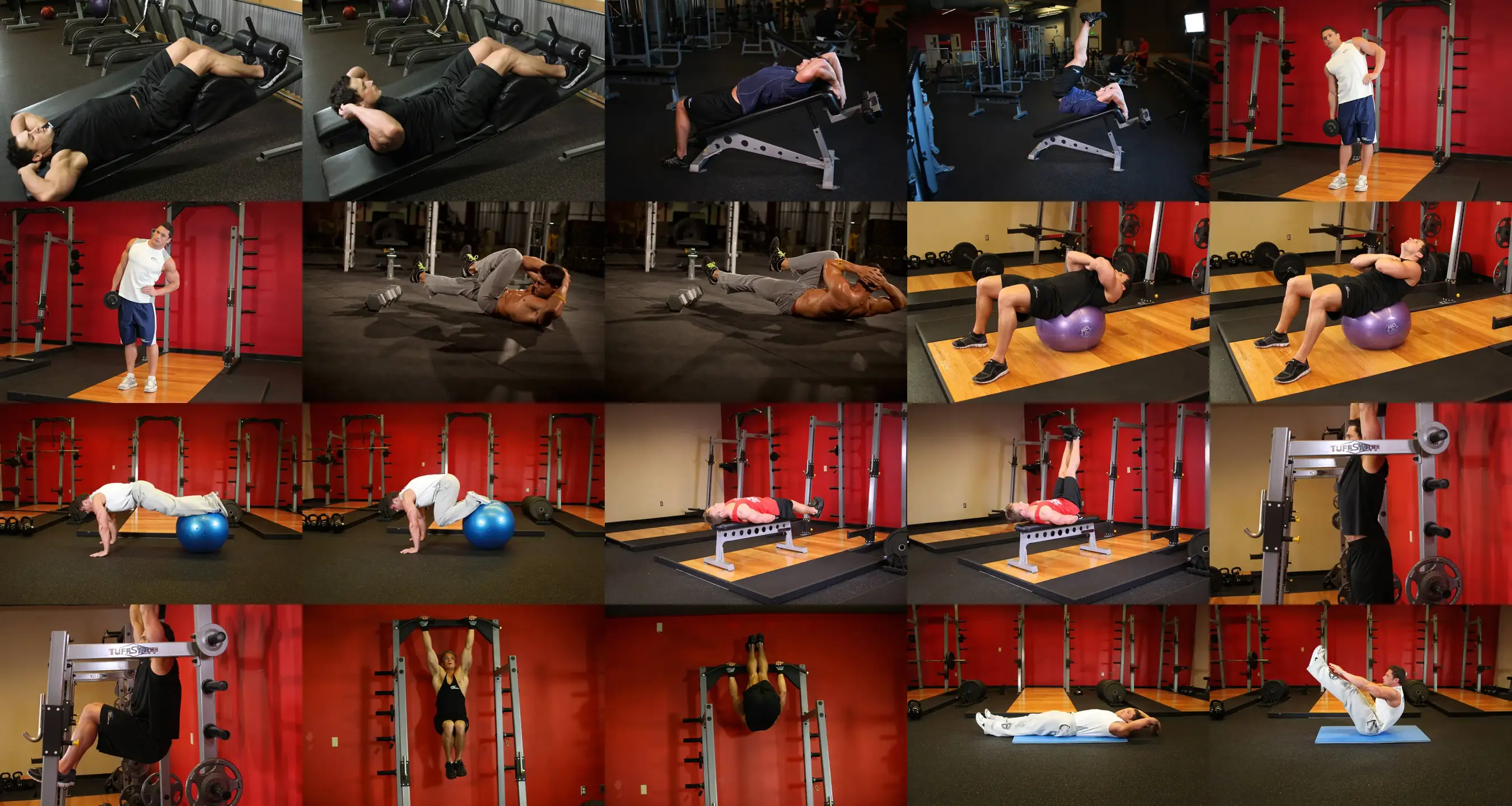
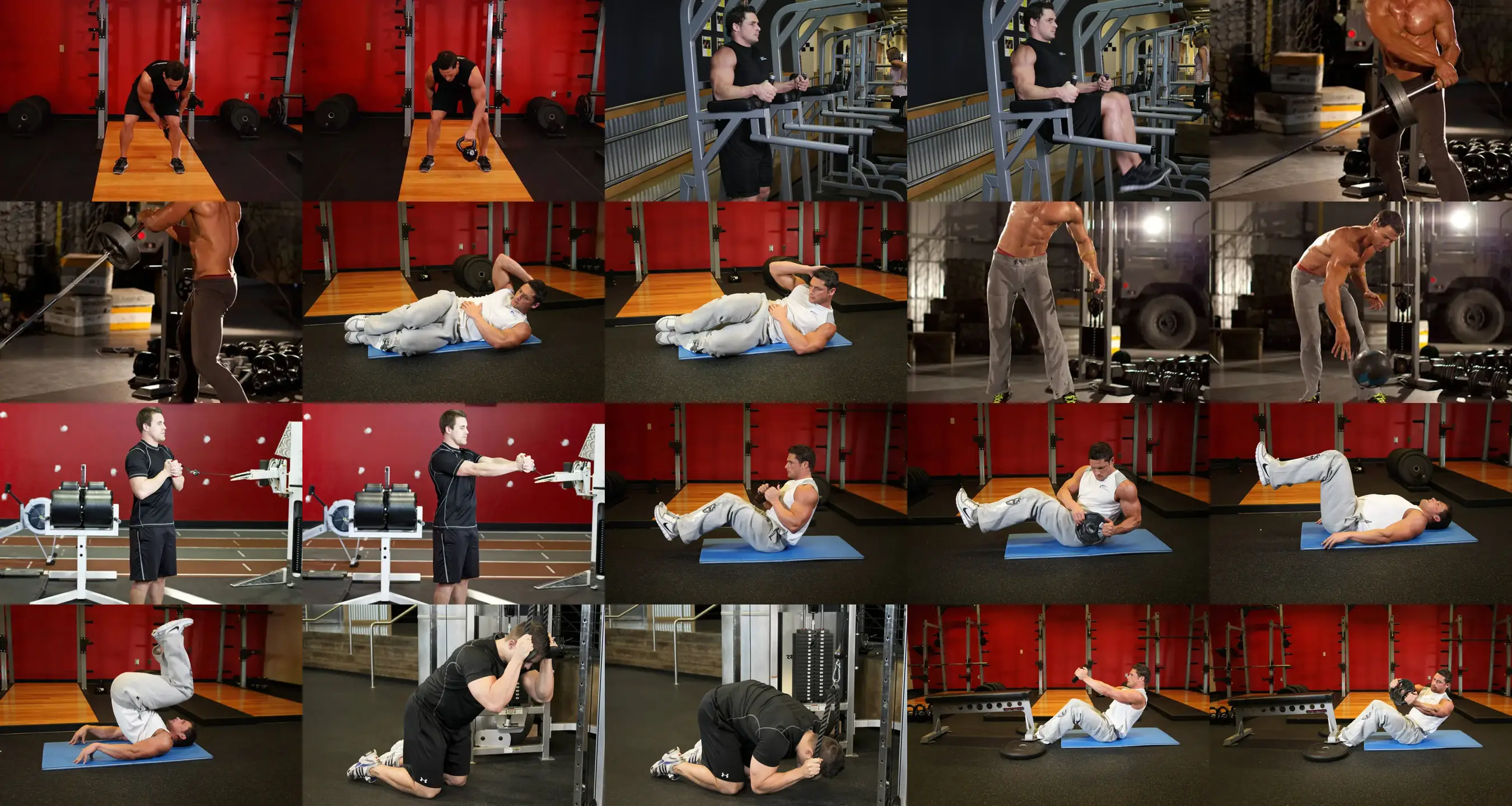
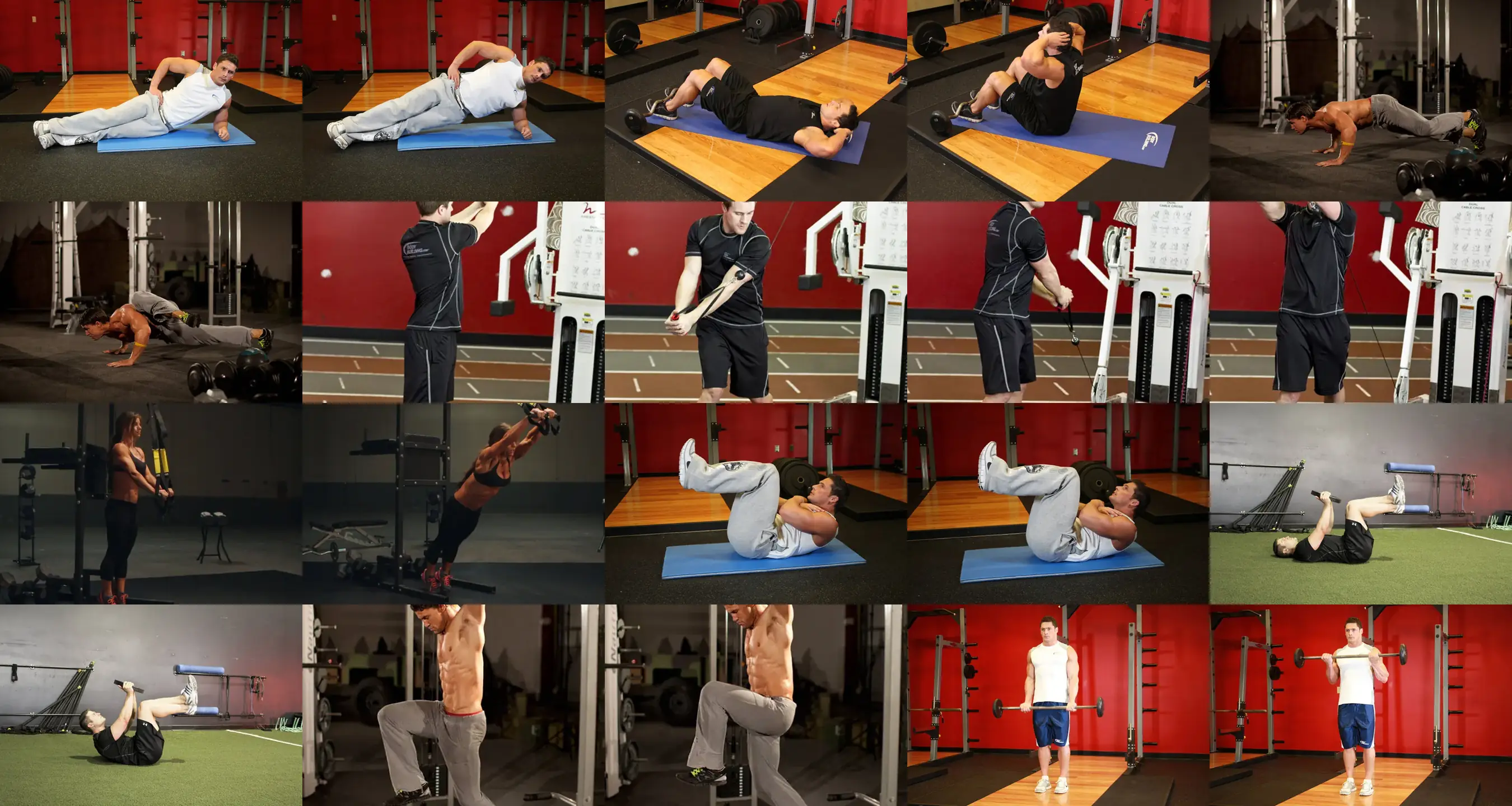
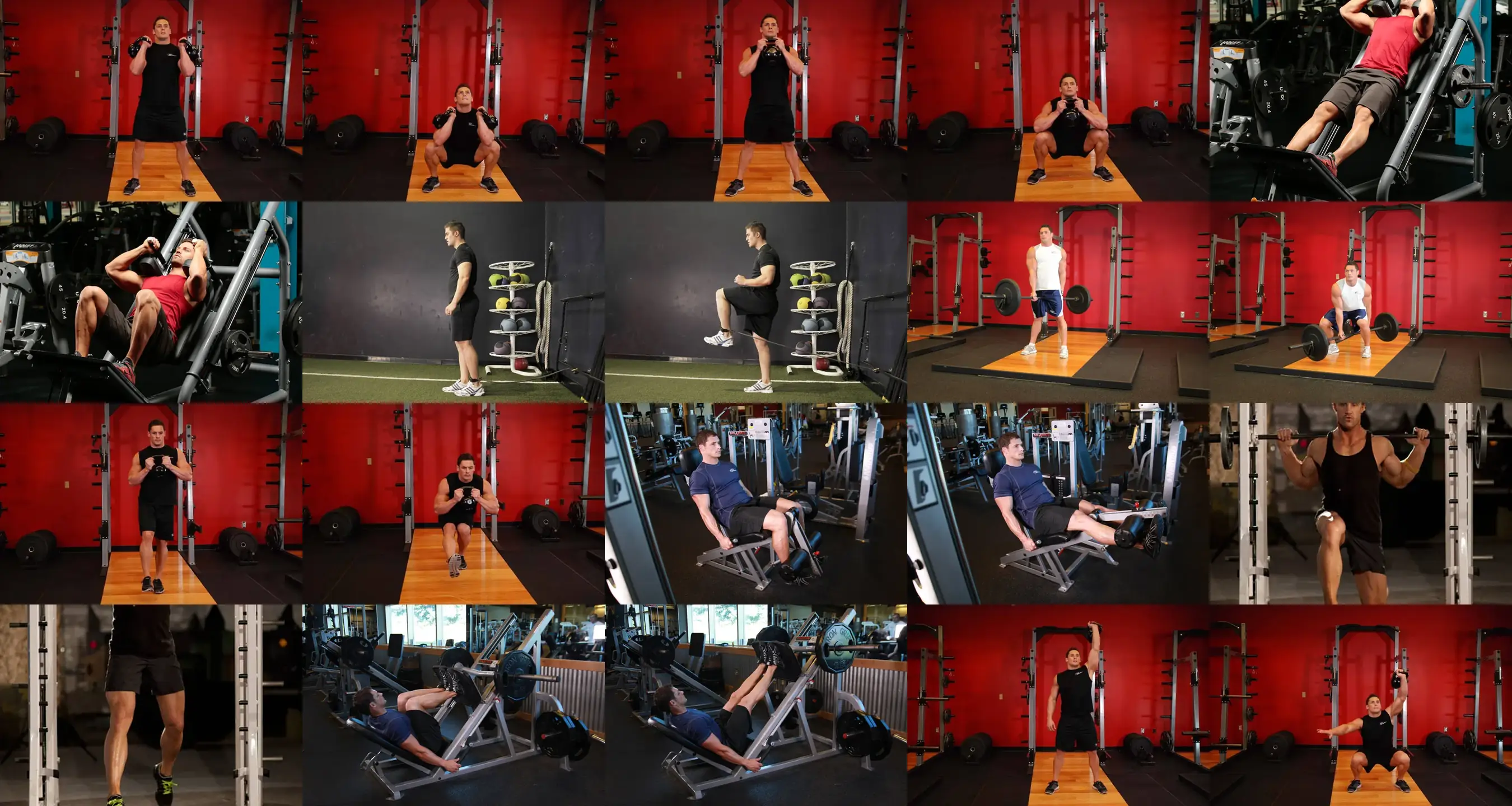
Explosive striking, a core that can take a hit and the engine to last every round. Here are the 100 exercises that help you most, sorted by goal.
Boxing, MMA, judo, and other combat sports demand powerful strikes or throws, the ability to absorb impact, and the endurance to last several rounds at full intensity. Strength training makes you more explosive, harder to move, and less likely to get hurt.
Paid program · 8 weeks
Harder punches driven from the legs, a core that absorbs hits and the stamina to keep the pace in the final rounds.
A powerful punch starts in the legs, travels through hip and trunk rotation, and finishes at the fist, so you need full body power and a core that can both transmit and absorb force. Grappling sports add pulling strength, grip, and isometric endurance. The ability to repeat intense efforts across three to five minute rounds, fast reactions, and a strong neck to stabilize the head are also essential.
With several skill sessions a week, two strength sessions is usually the sweet spot. Far from a fight, build max strength with squats, deadlifts, presses, and pull-ups for 3 to 6 reps, plus medicine ball throws and jumps. During fight camp, cut volume and prioritize power. If you compete in weight classes, keep hypertrophy work in check. Fight week is limited to light activation sessions.
The most common injuries are hand and wrist problems in boxing, shoulder issues from repeated punching or dislocations in grappling, knee injuries from takedowns, and neck strain. Proper hand wraps and gloves are the basics. In the gym, strengthen your neck with progressive isometrics, plus your rotator cuff, grip, and knee musculature. Avoid heavy lifting after hard sparring and respect recovery after any head impact.
Not with a well designed program. Max strength combined with power work like medicine ball throws increases punching speed and force. What really slows you down is poorly managed fatigue.
A strong neck helps stabilize the head against impacts and in grappling positions. While it does not eliminate concussion risk, neck strengthening is standard in combat sports and helps protect the cervical spine in takedowns.
Usually two days a week, balanced with skill and sparring sessions. During fight camp, sessions get shorter and focus on power and maintaining strength rather than building it, so you arrive sharp on fight night.
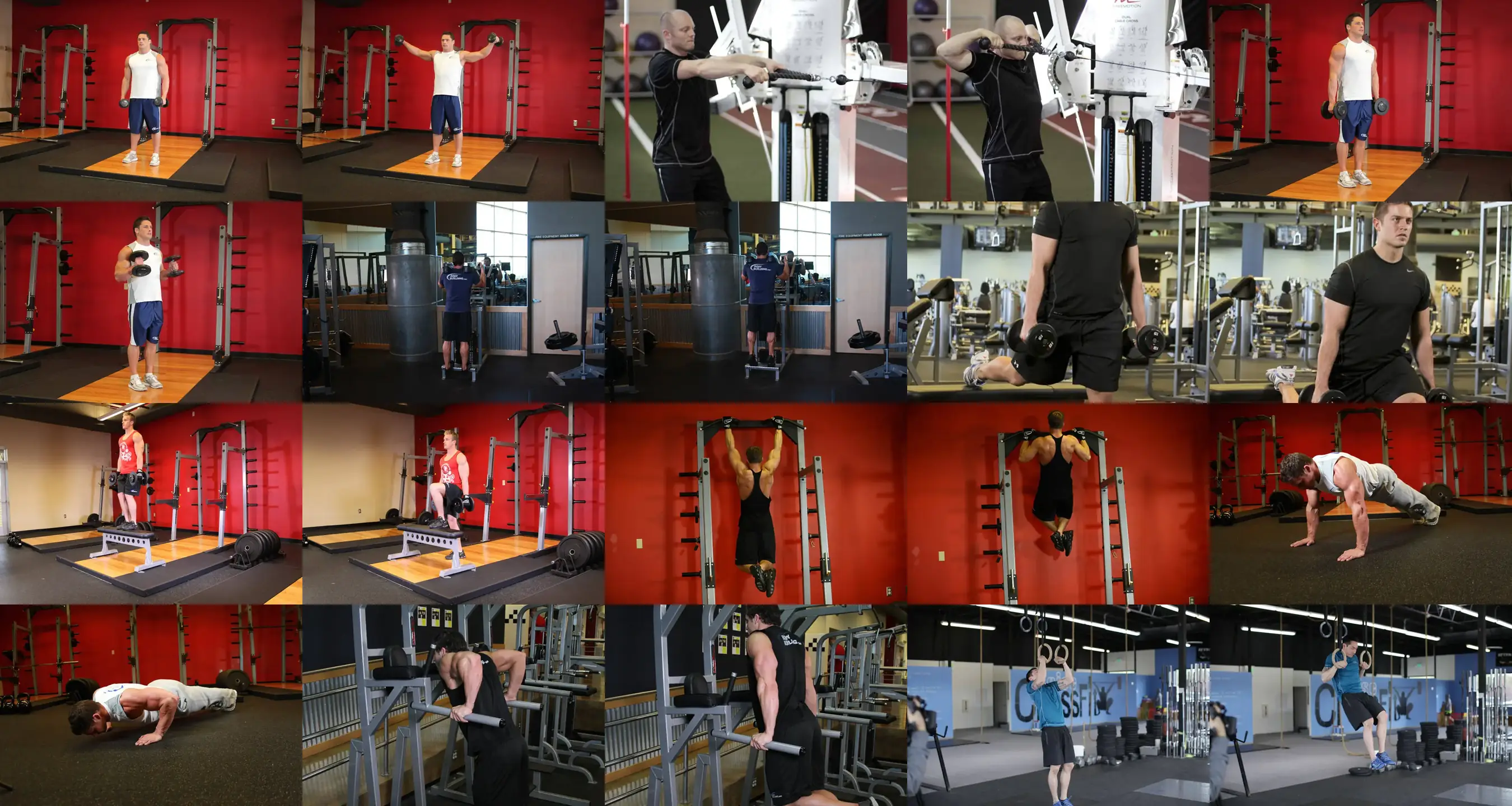
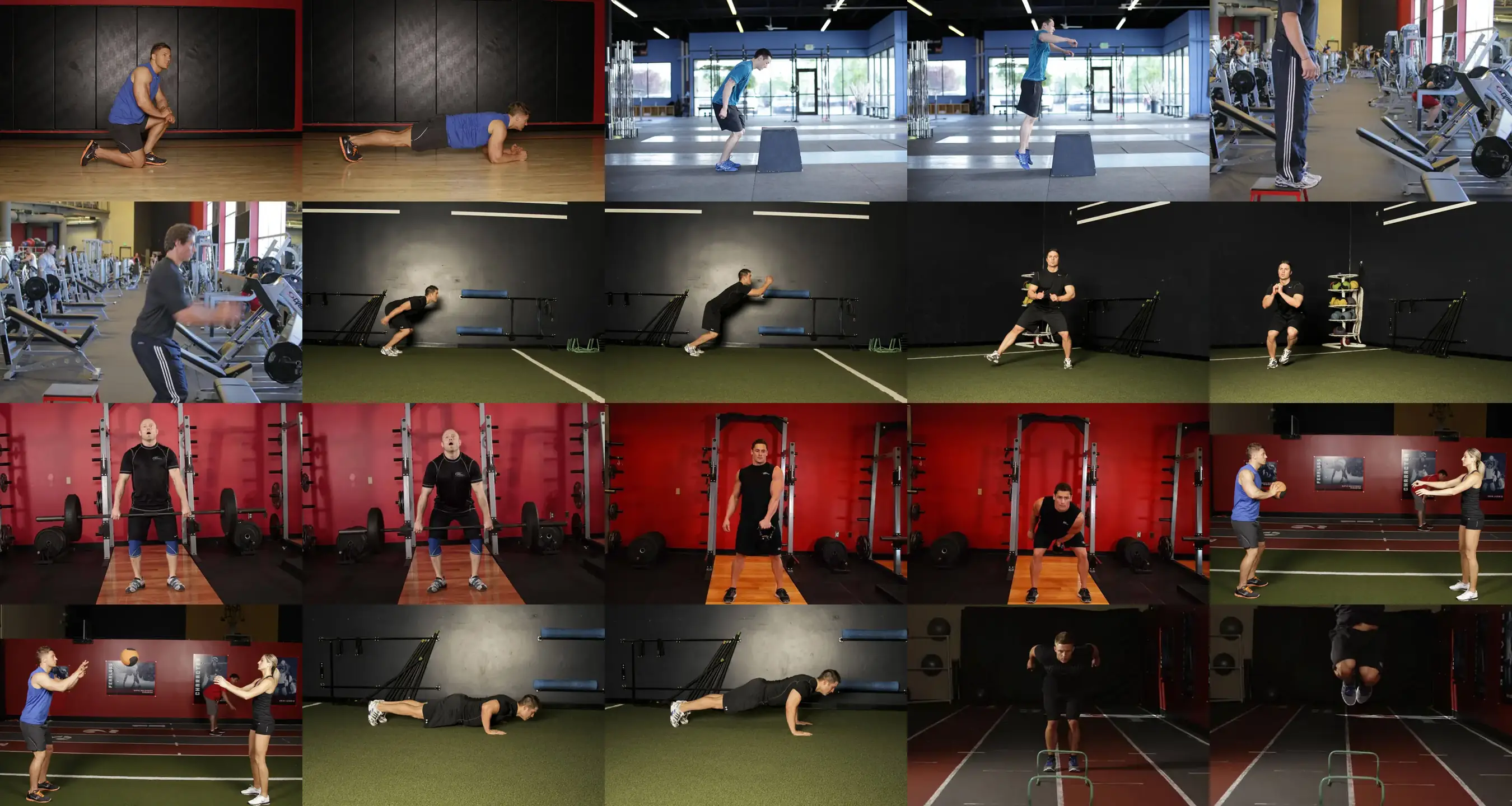
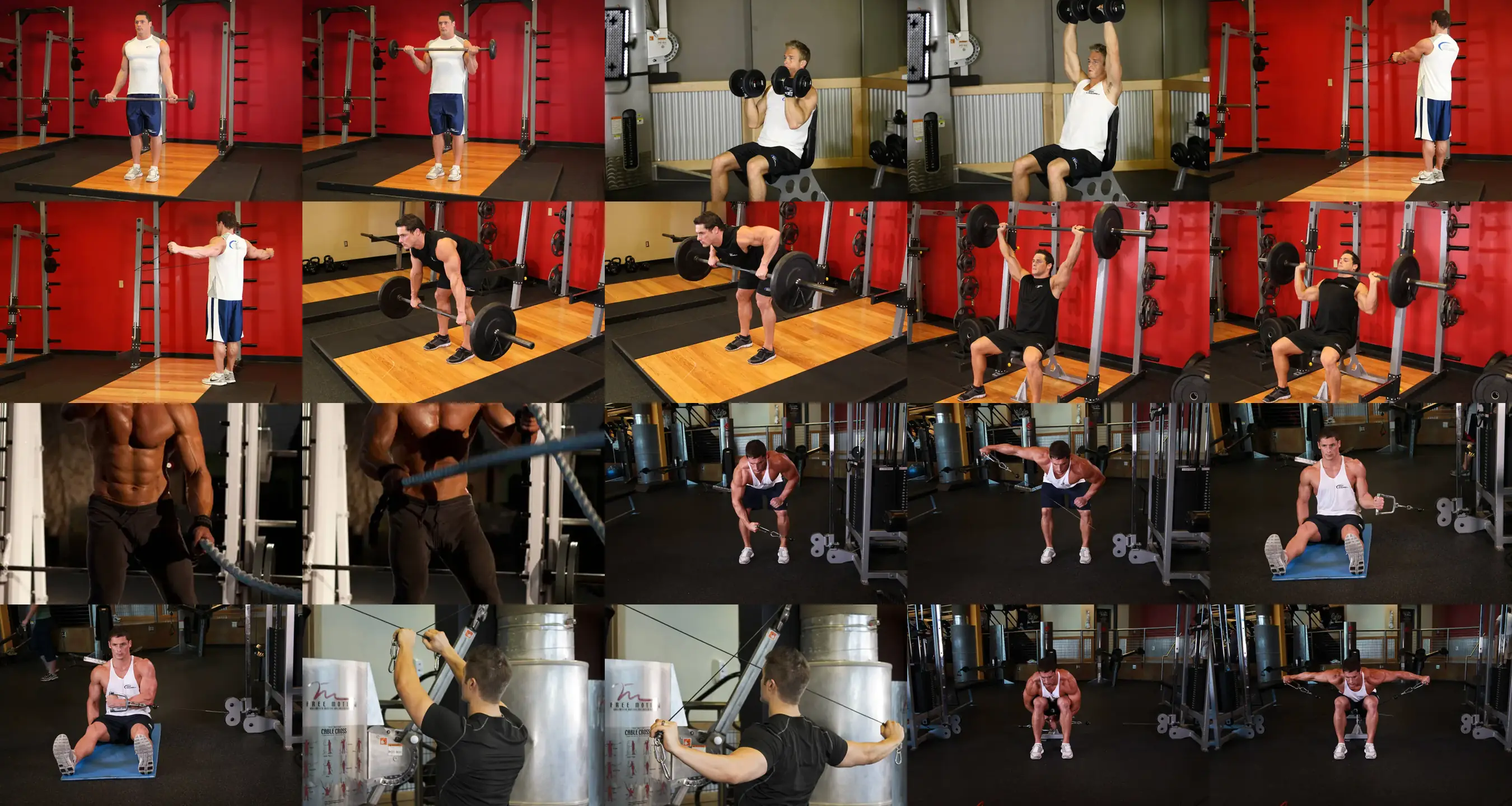
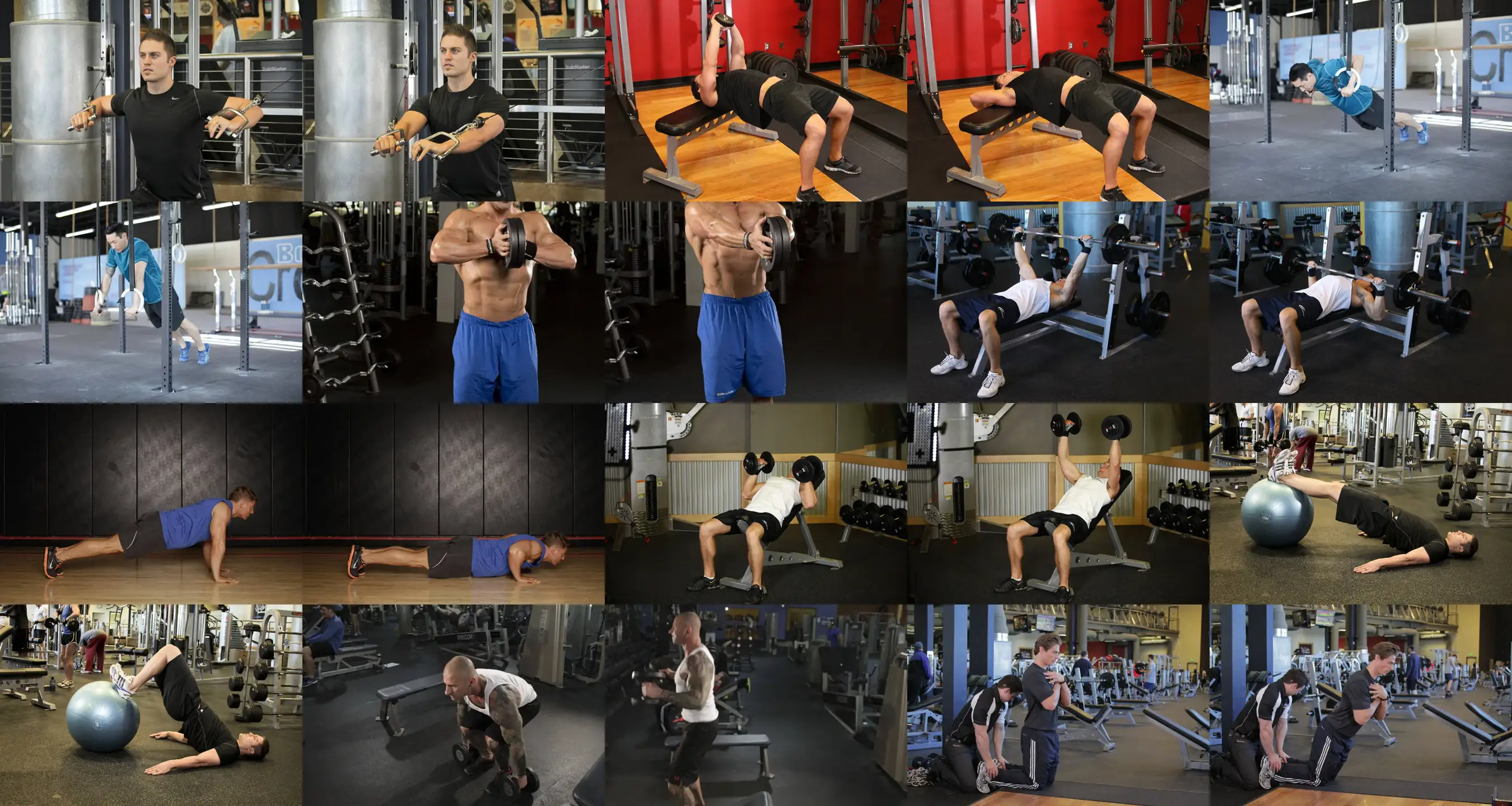
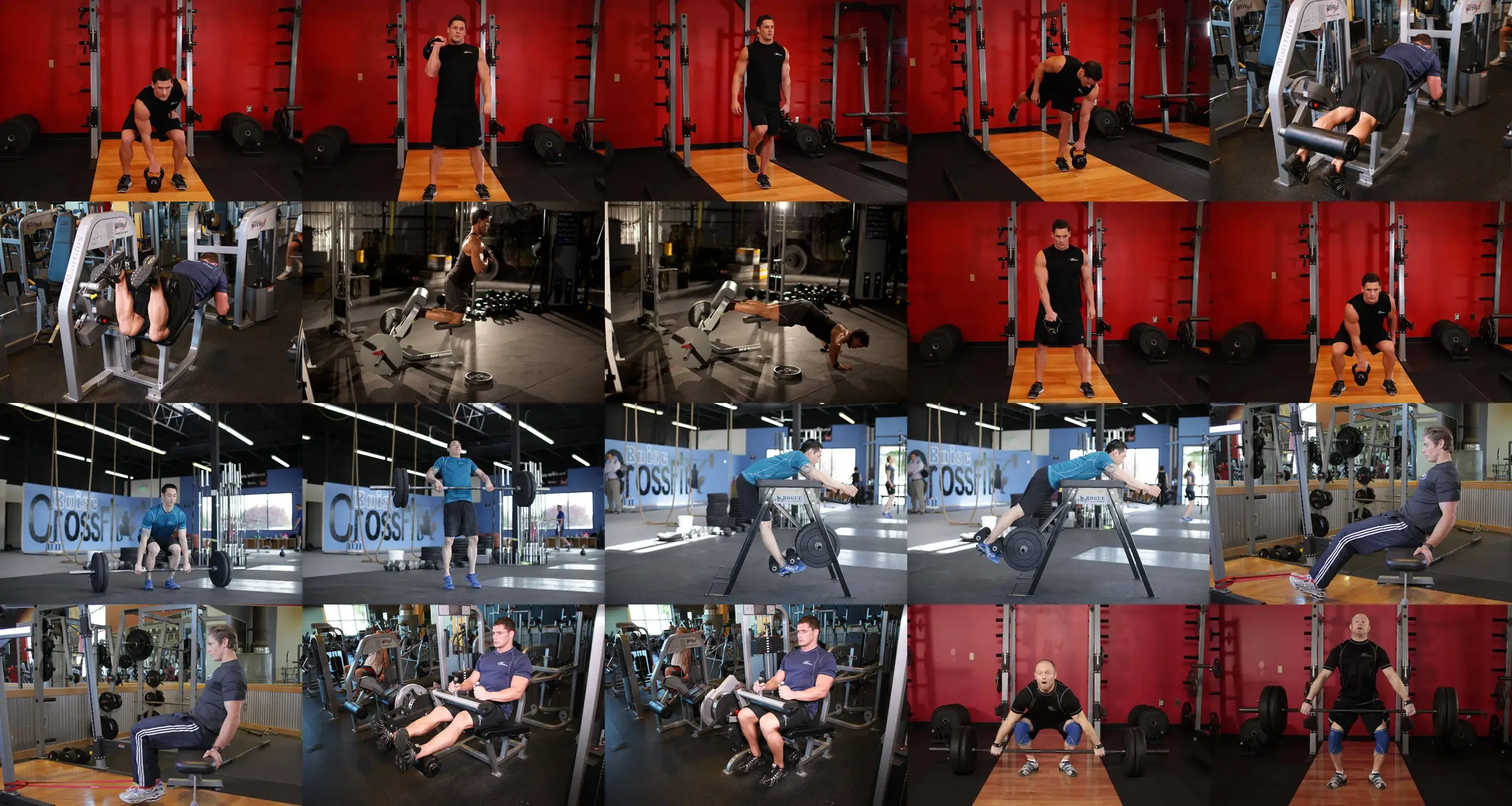
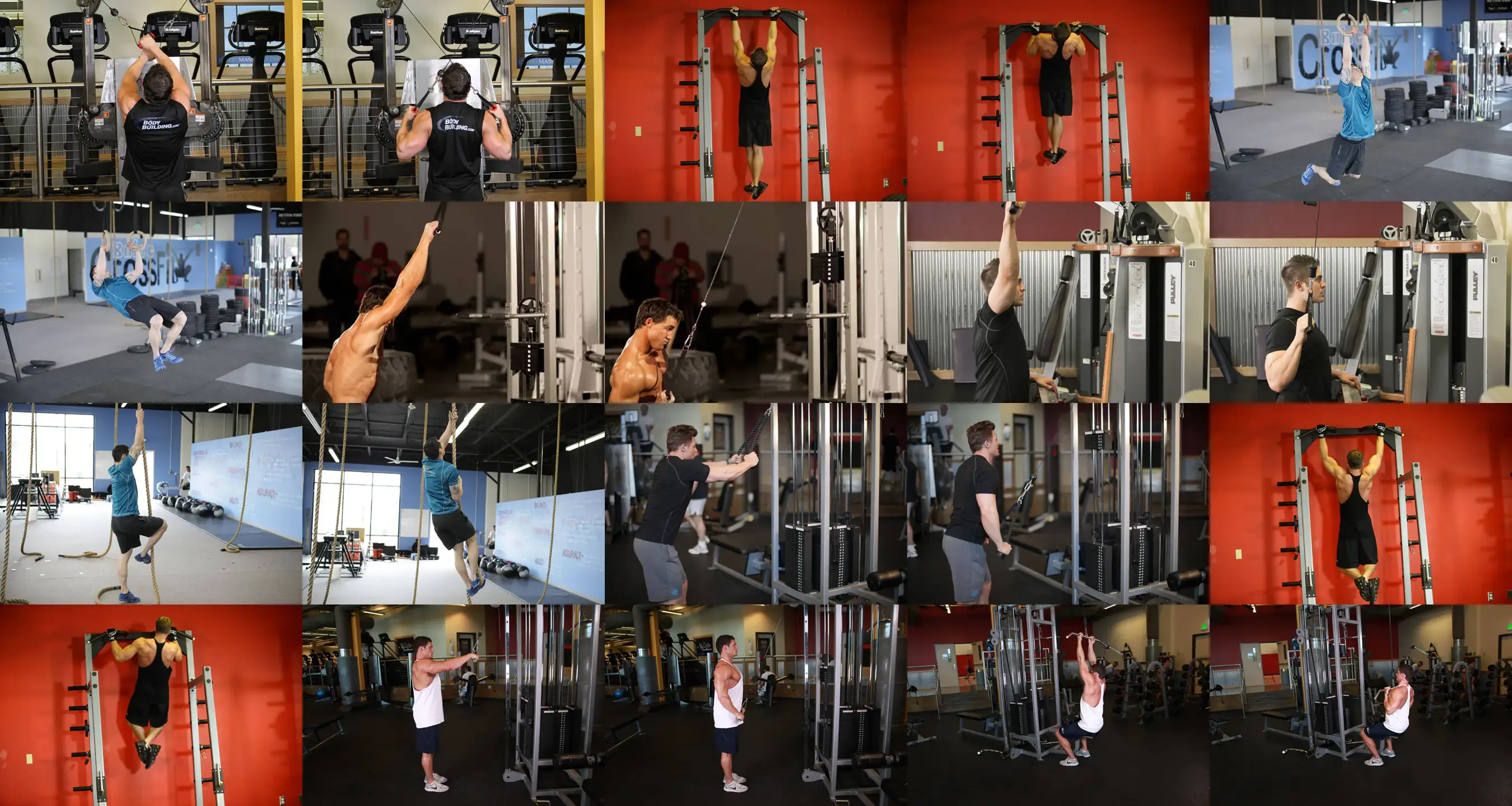
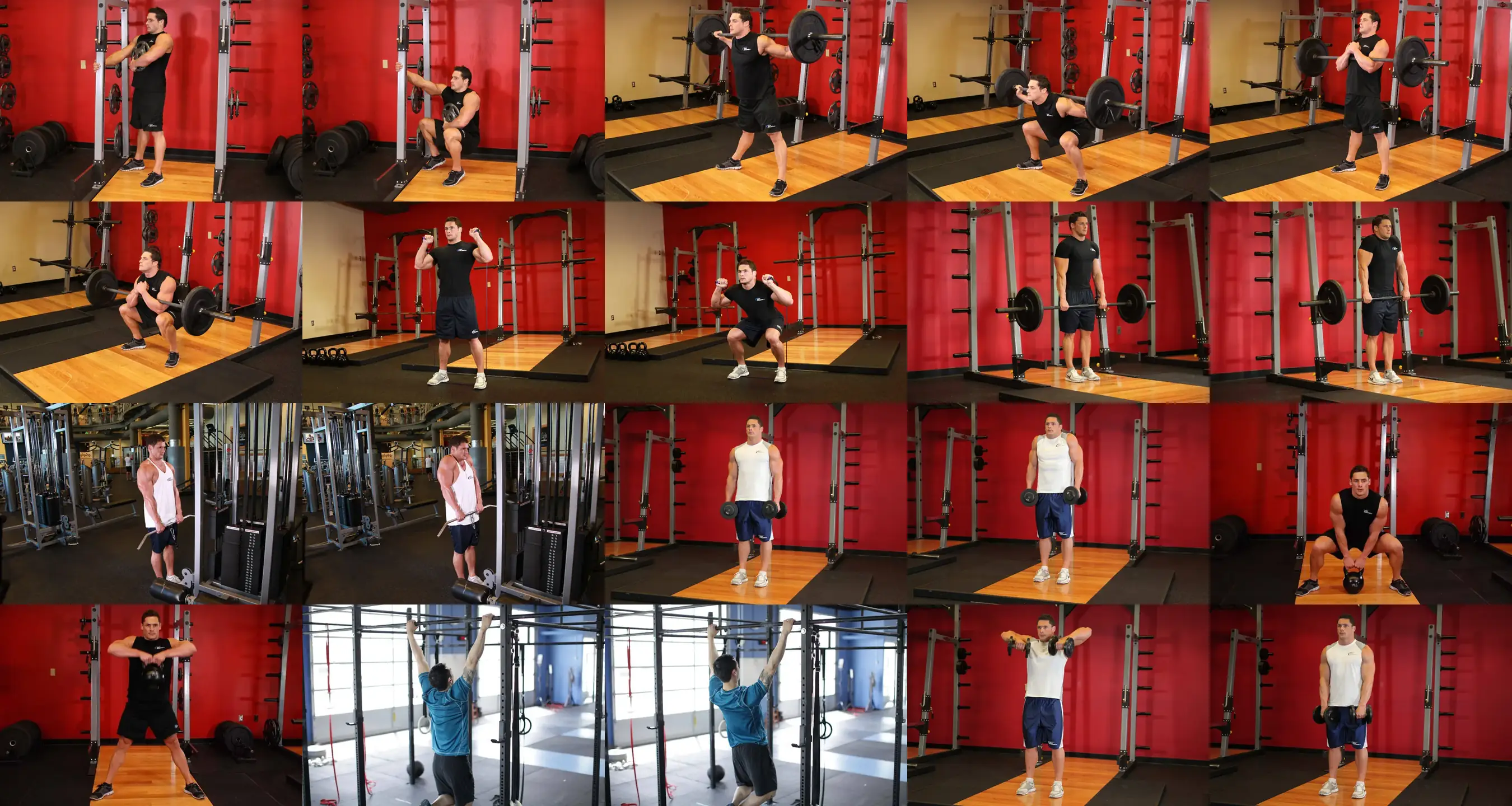
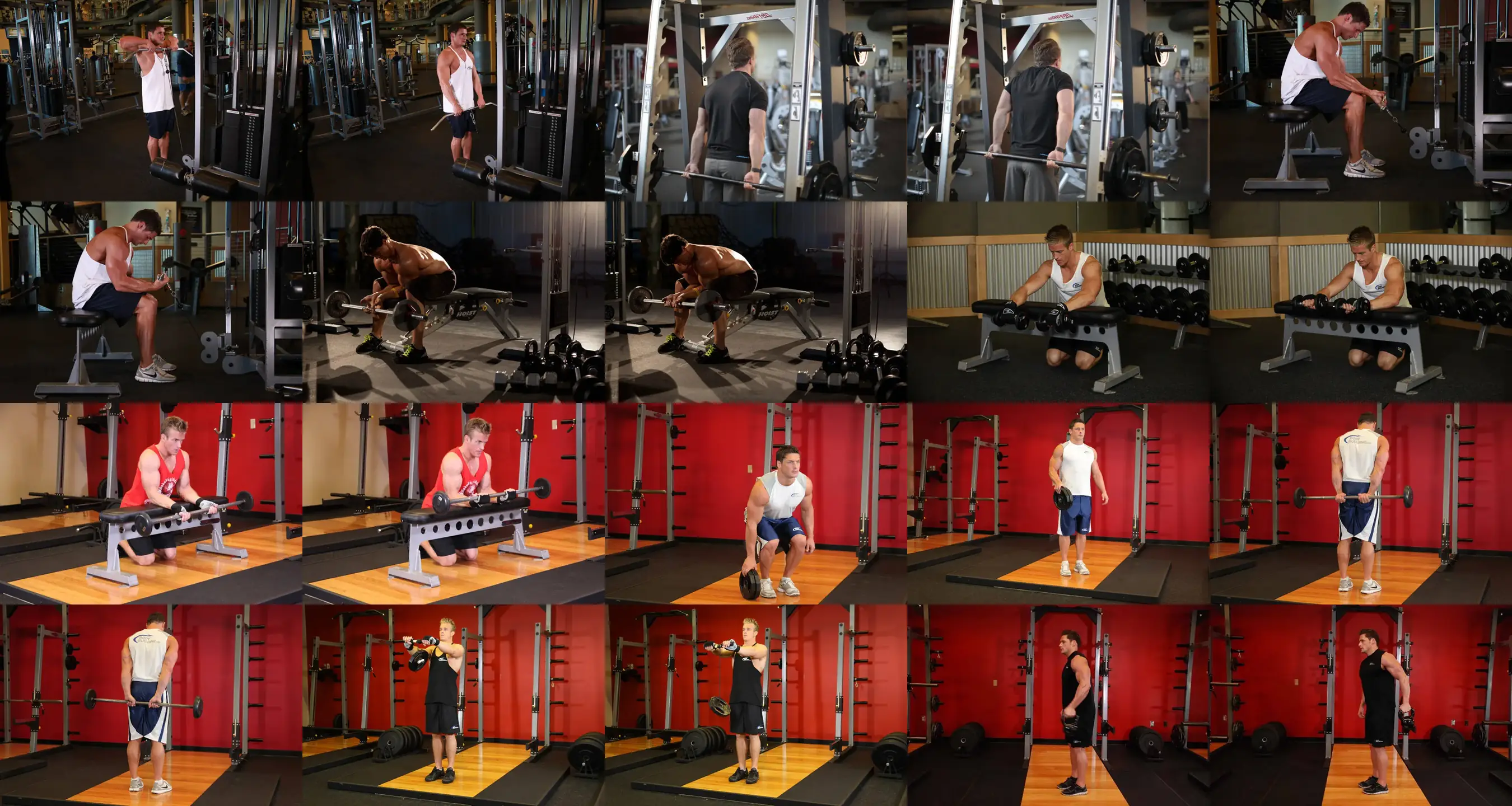
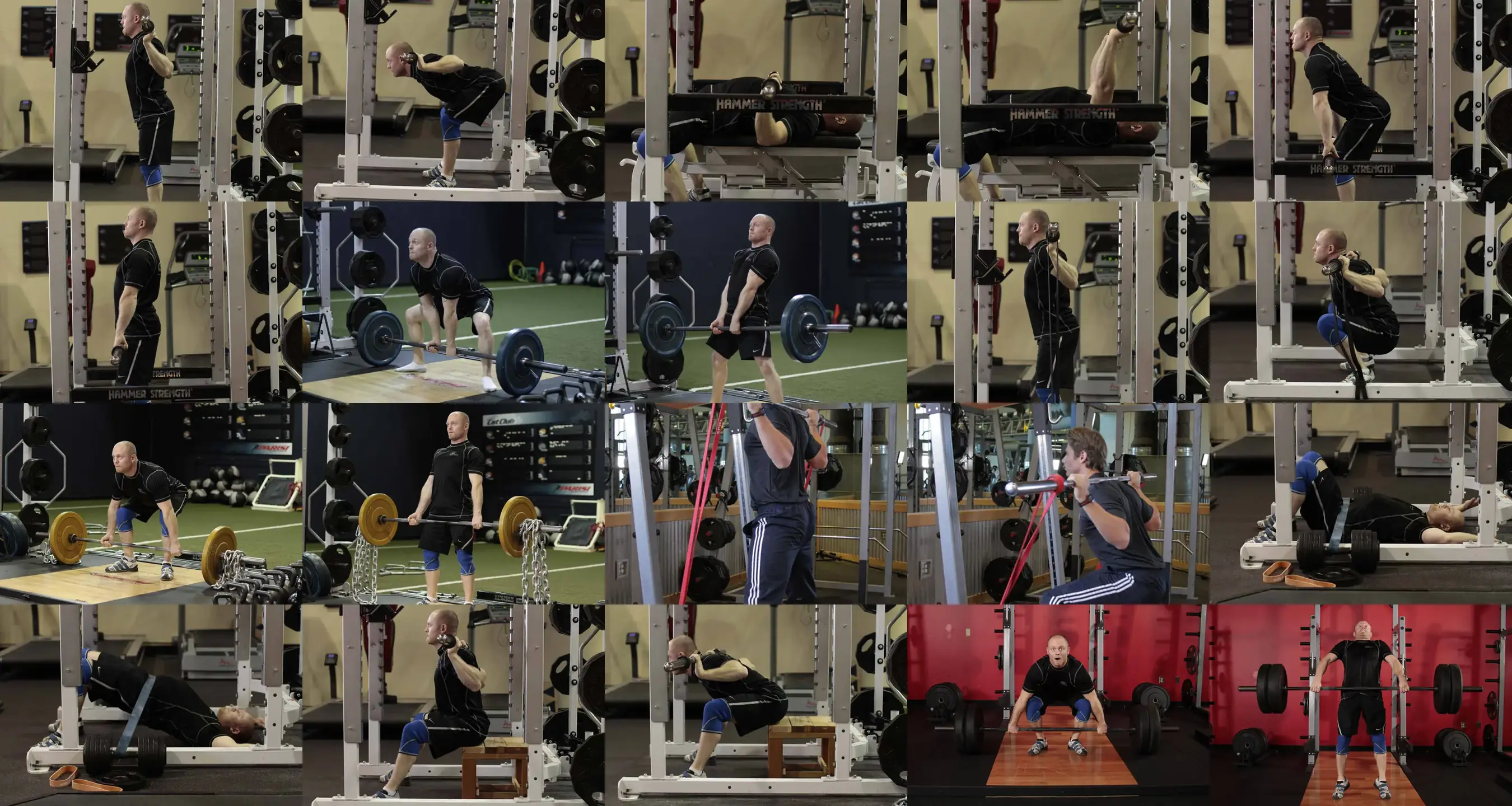
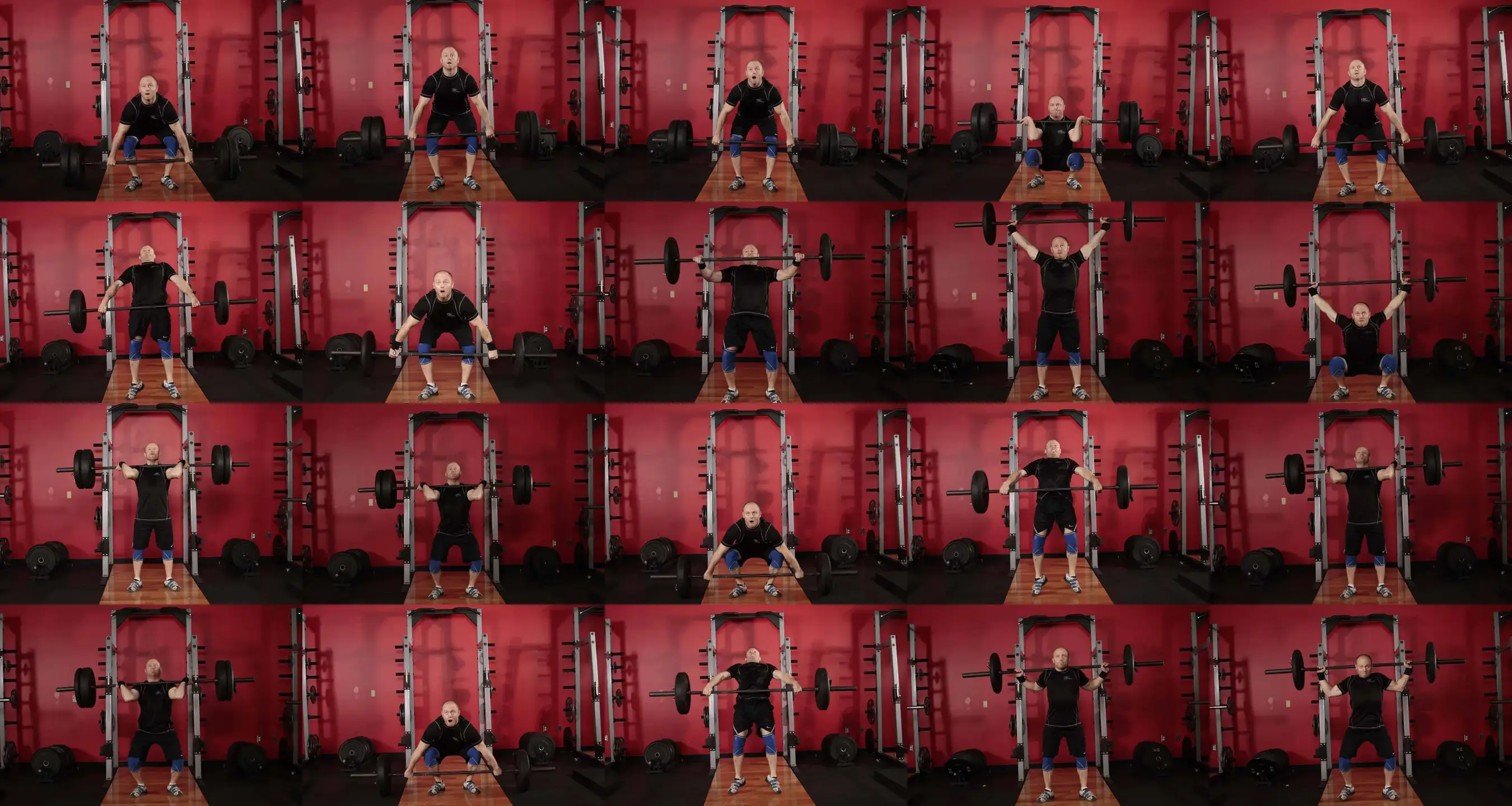
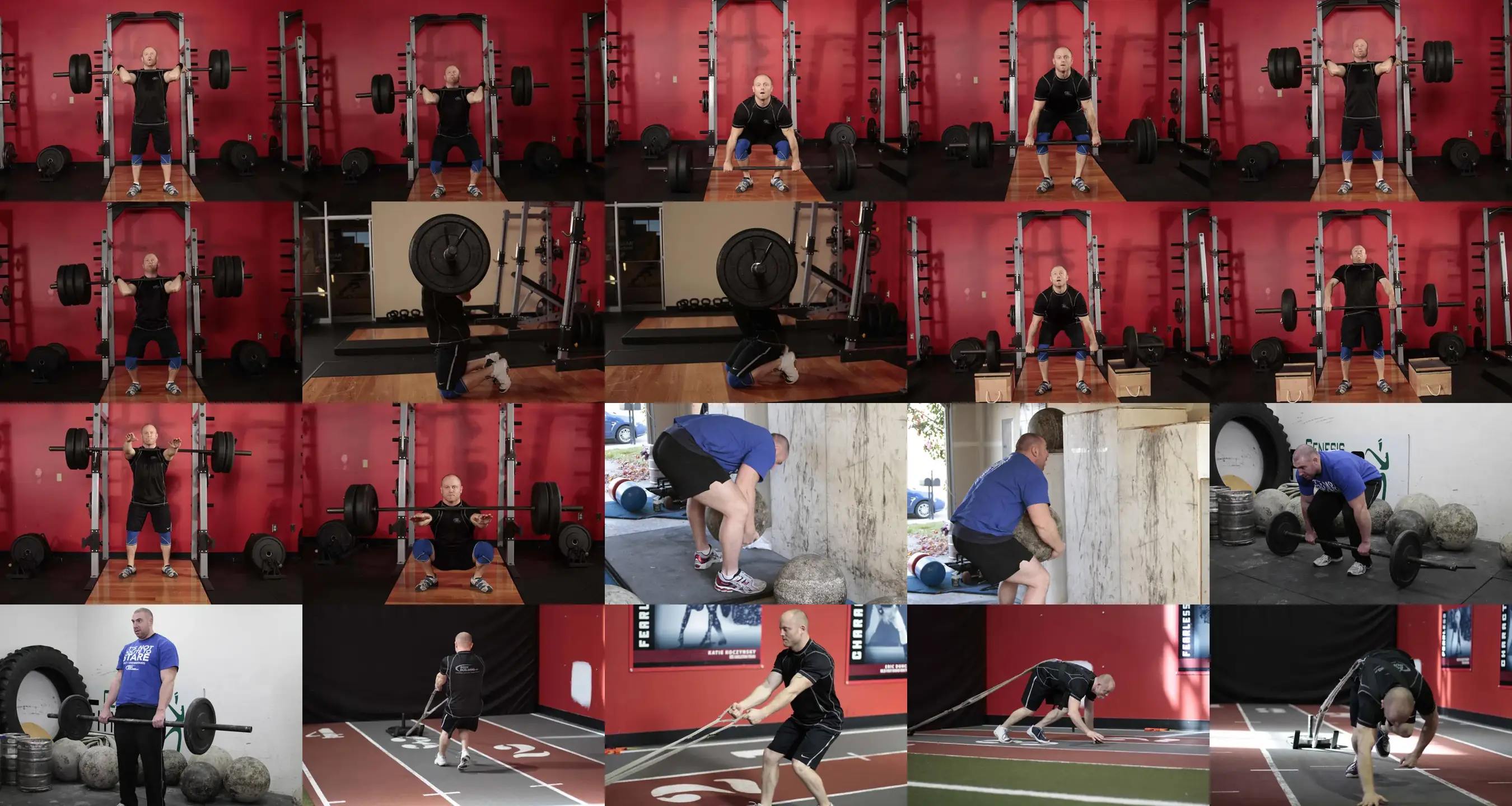
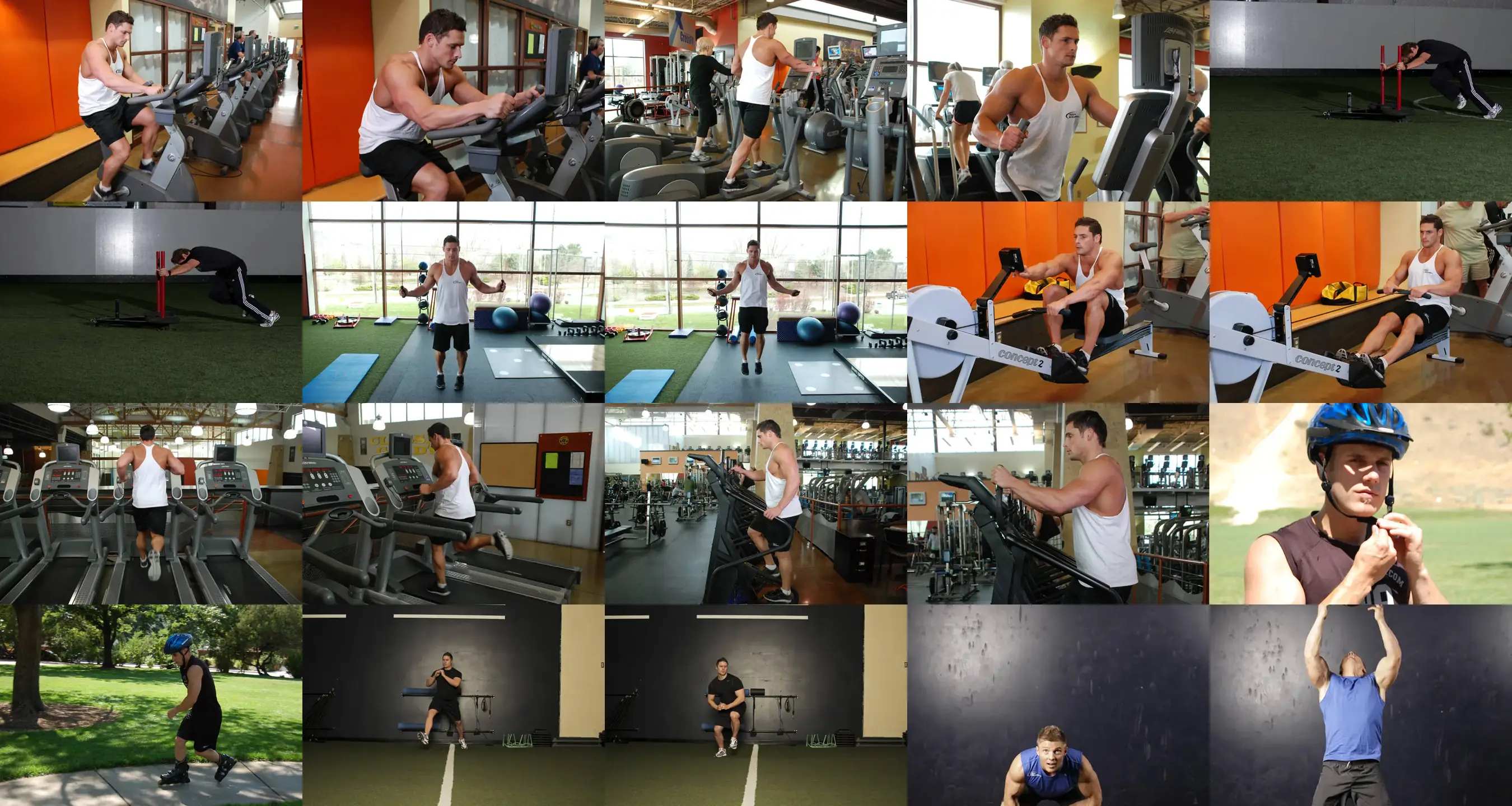
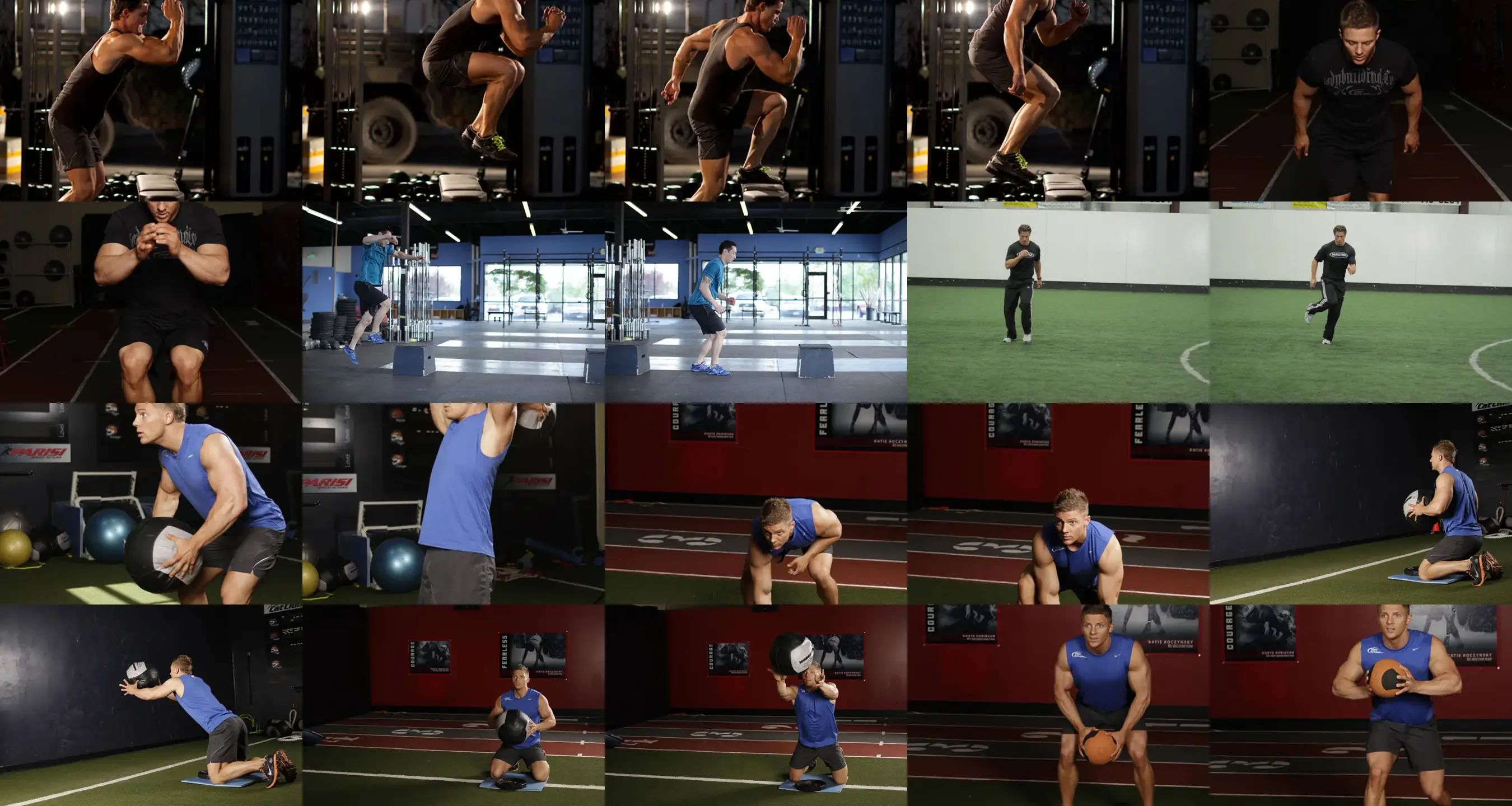
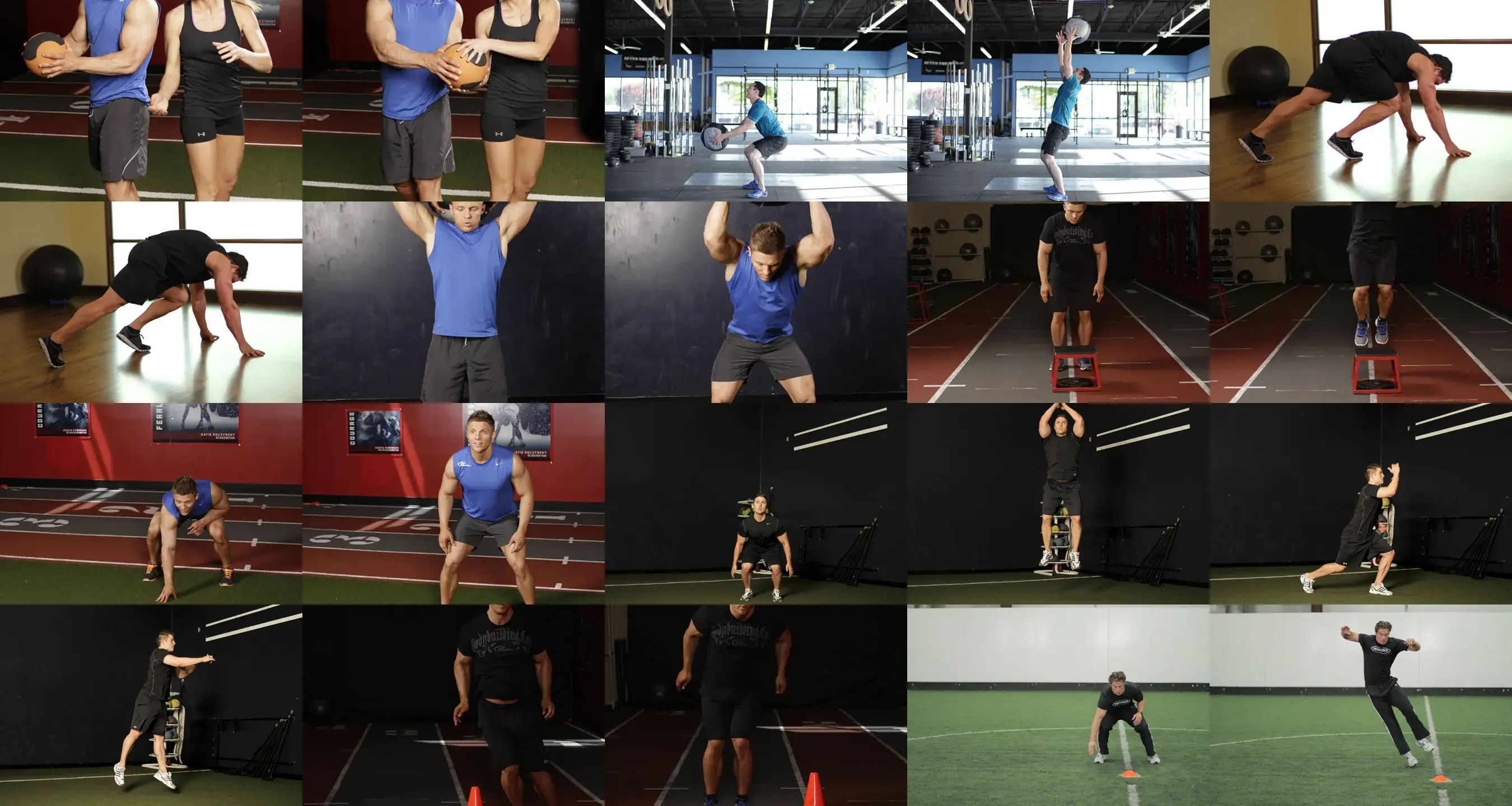
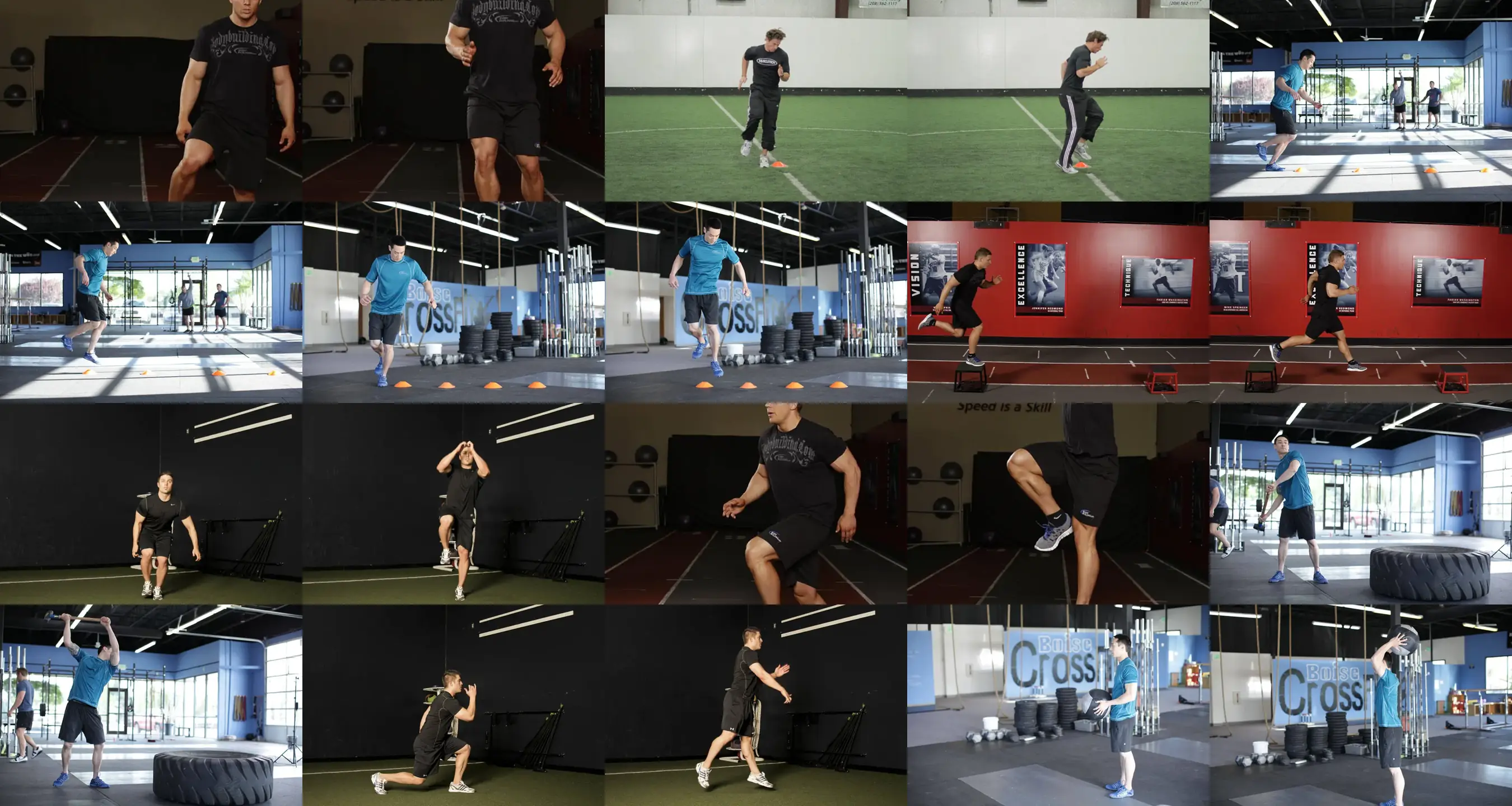
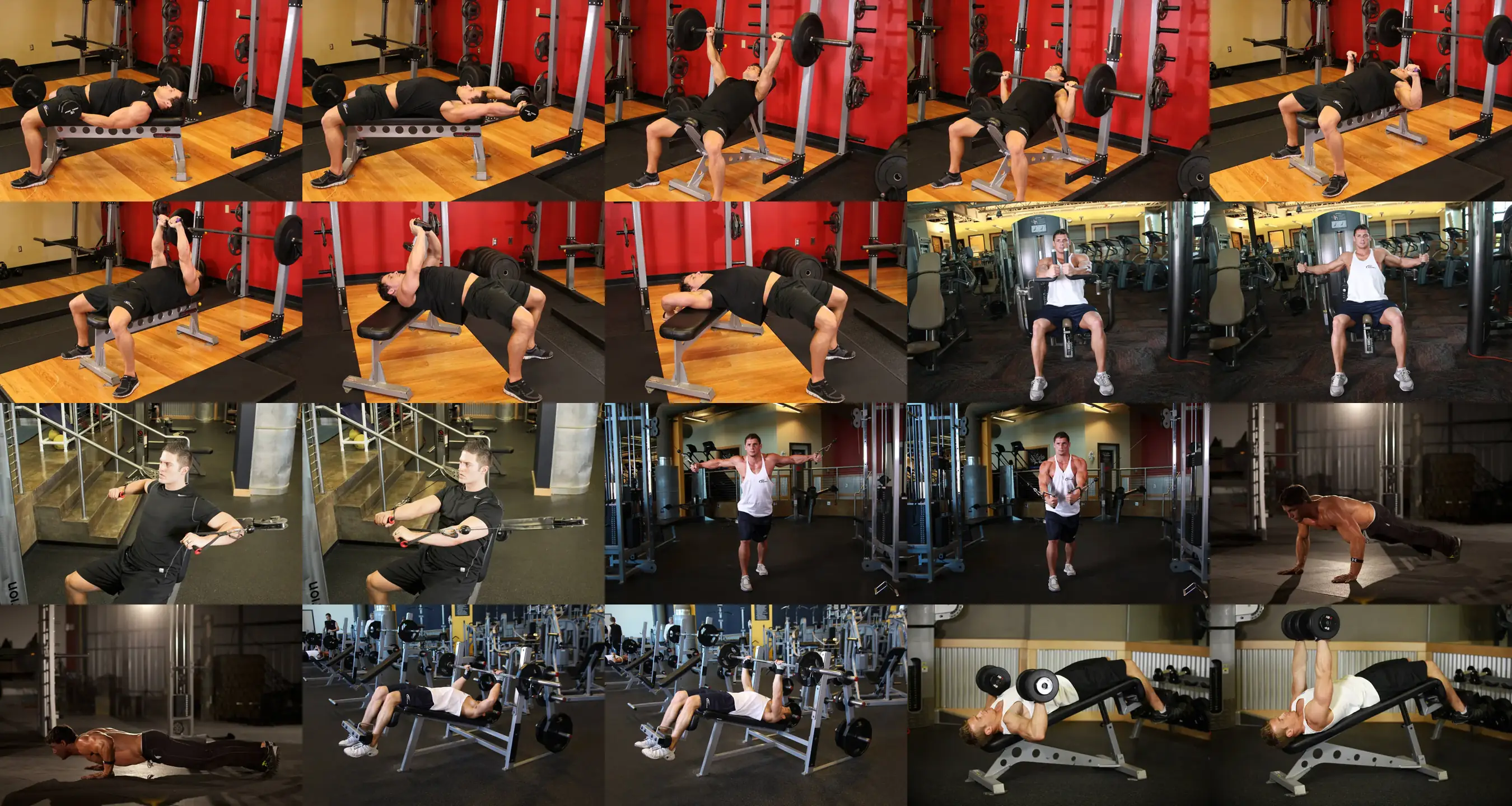
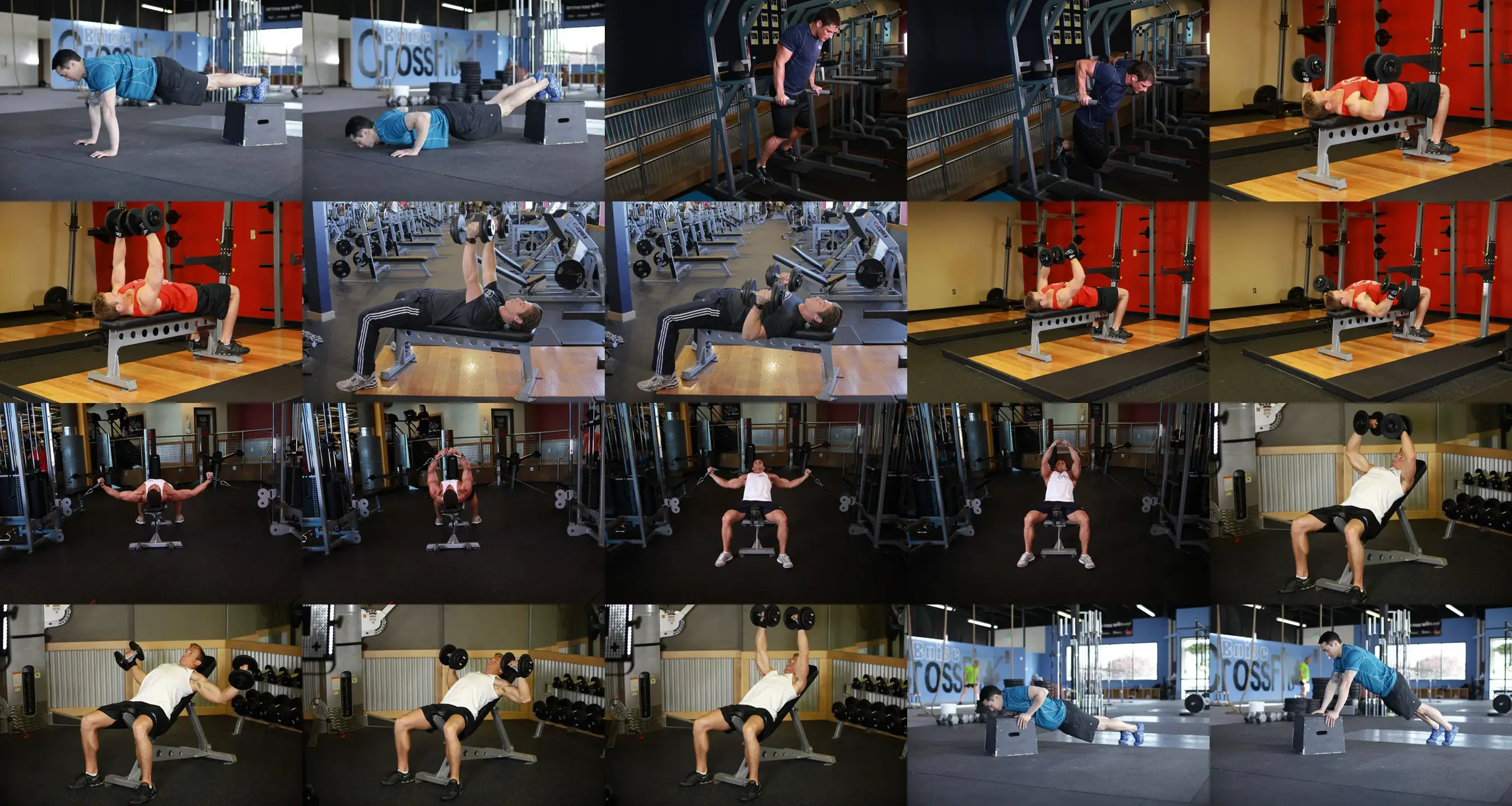
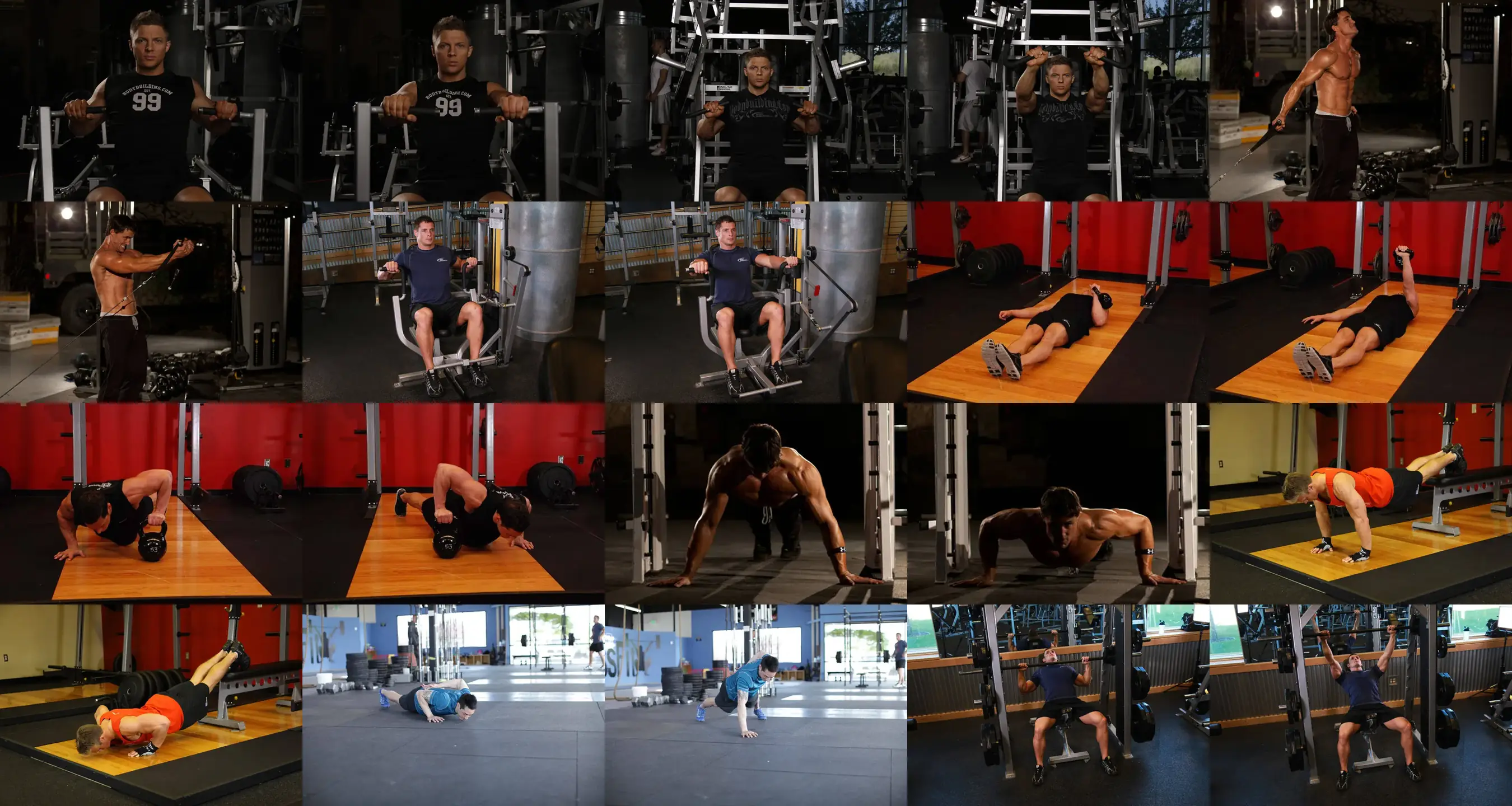
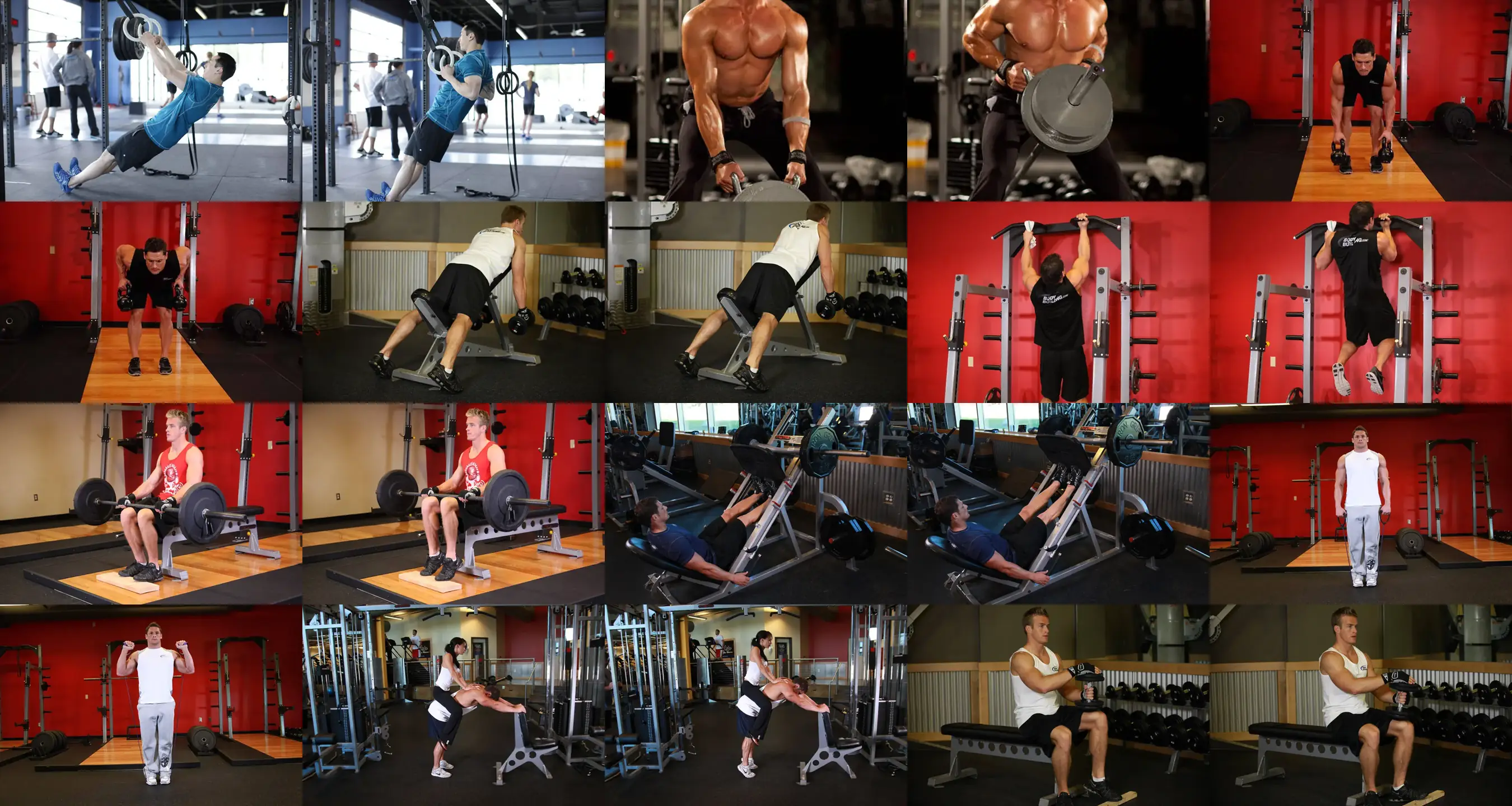
8-week plans with sets, reps and progression, built for your sport. Includes a downloadable PDF.
Harder punches driven from the legs, a core that absorbs hits and the stamina to keep the pace in the final rounds.
Build muscle with 3 full-body sessions, progressive loading and just enough volume to recover.
Raise your squat, bench press and deadlift numbers with linear progression and a test at the end.