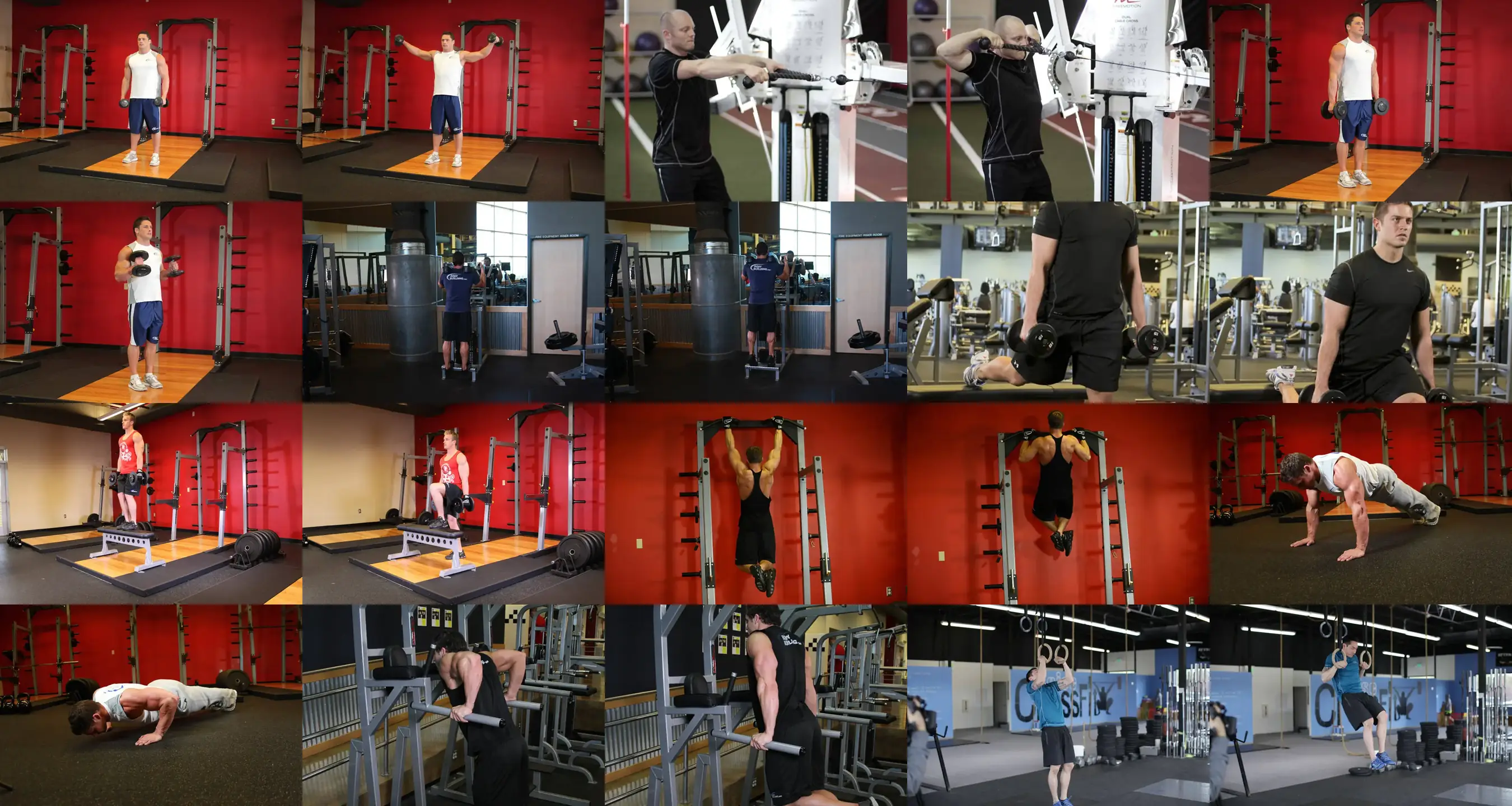
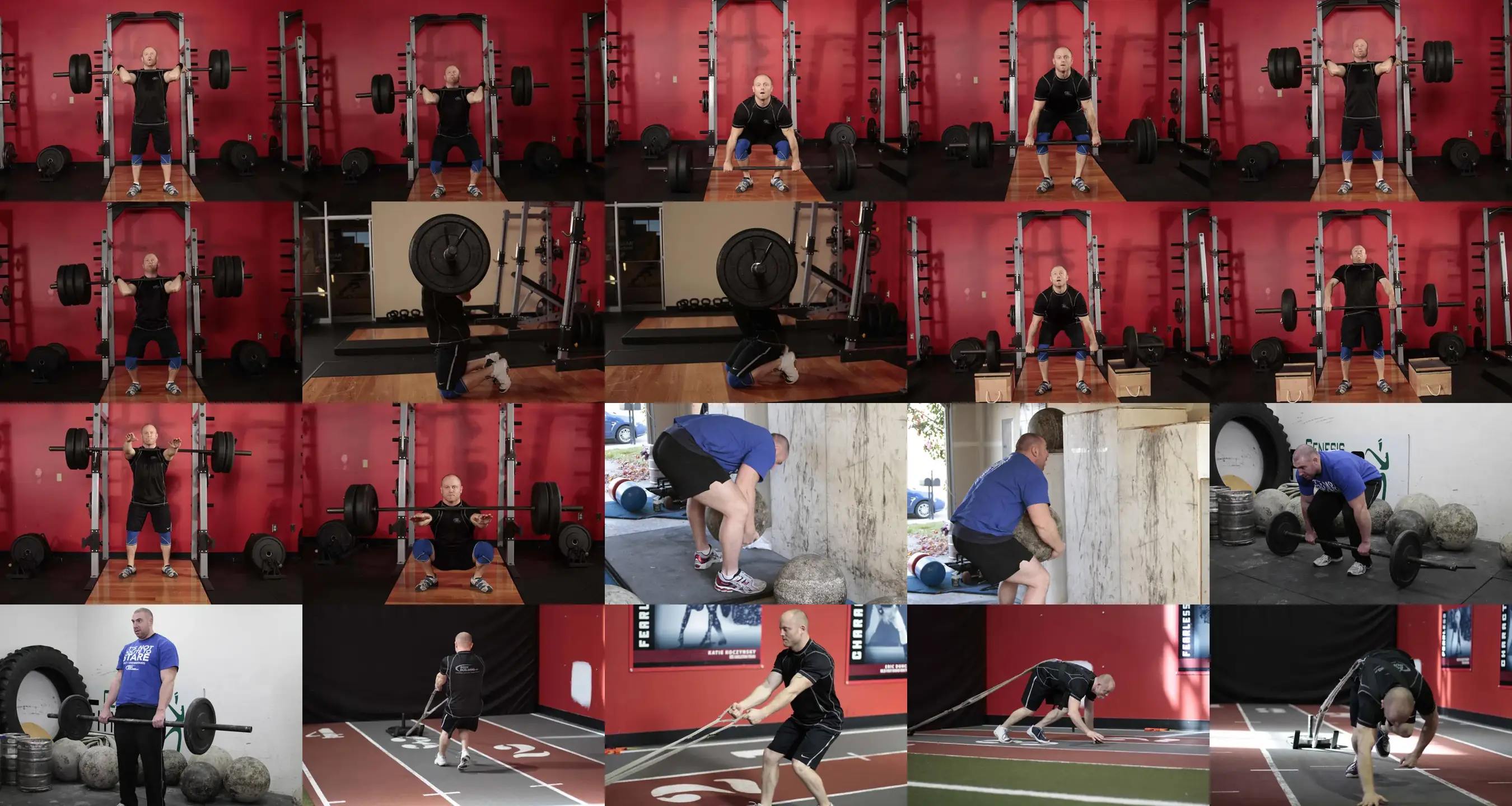
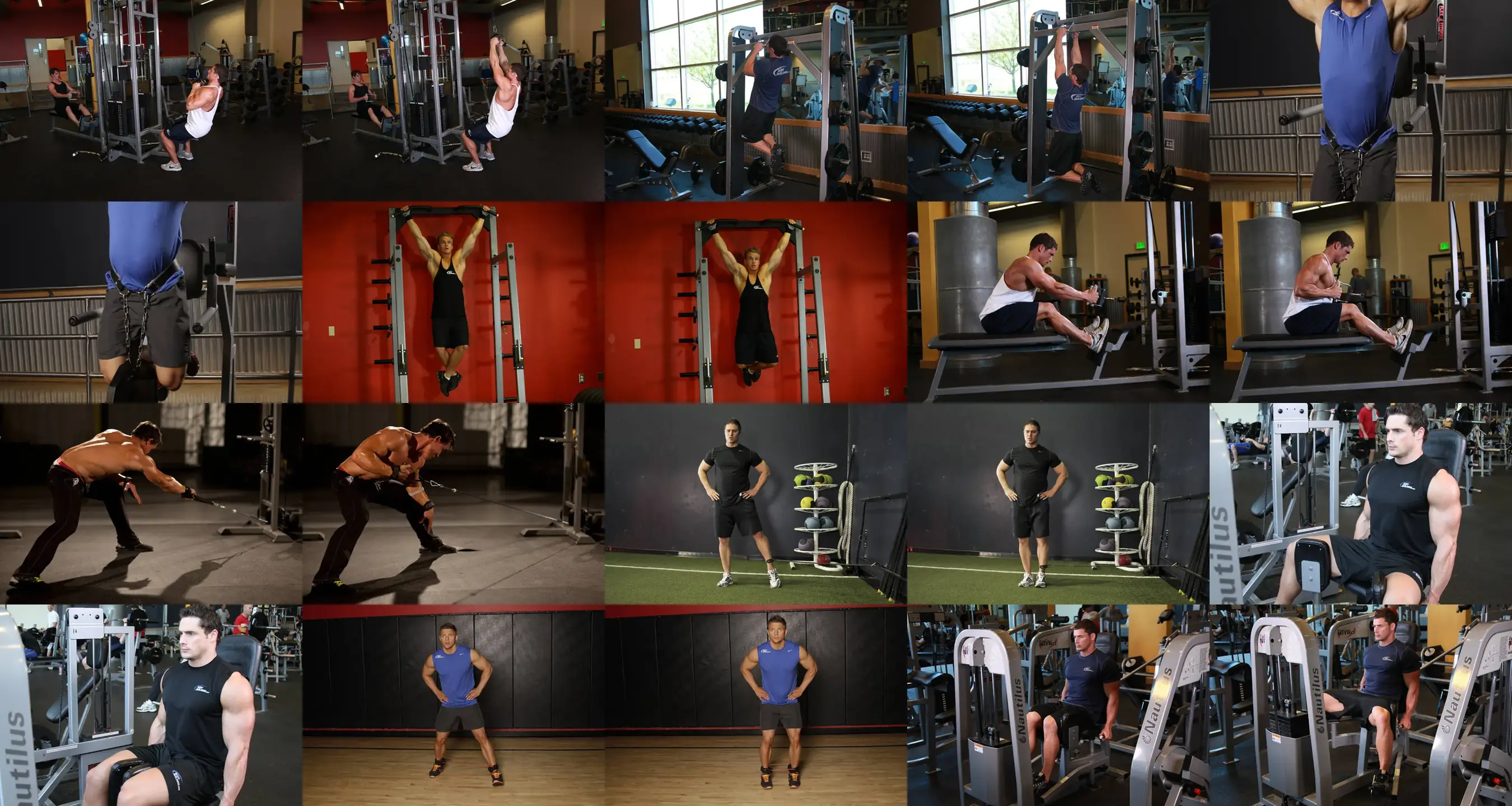
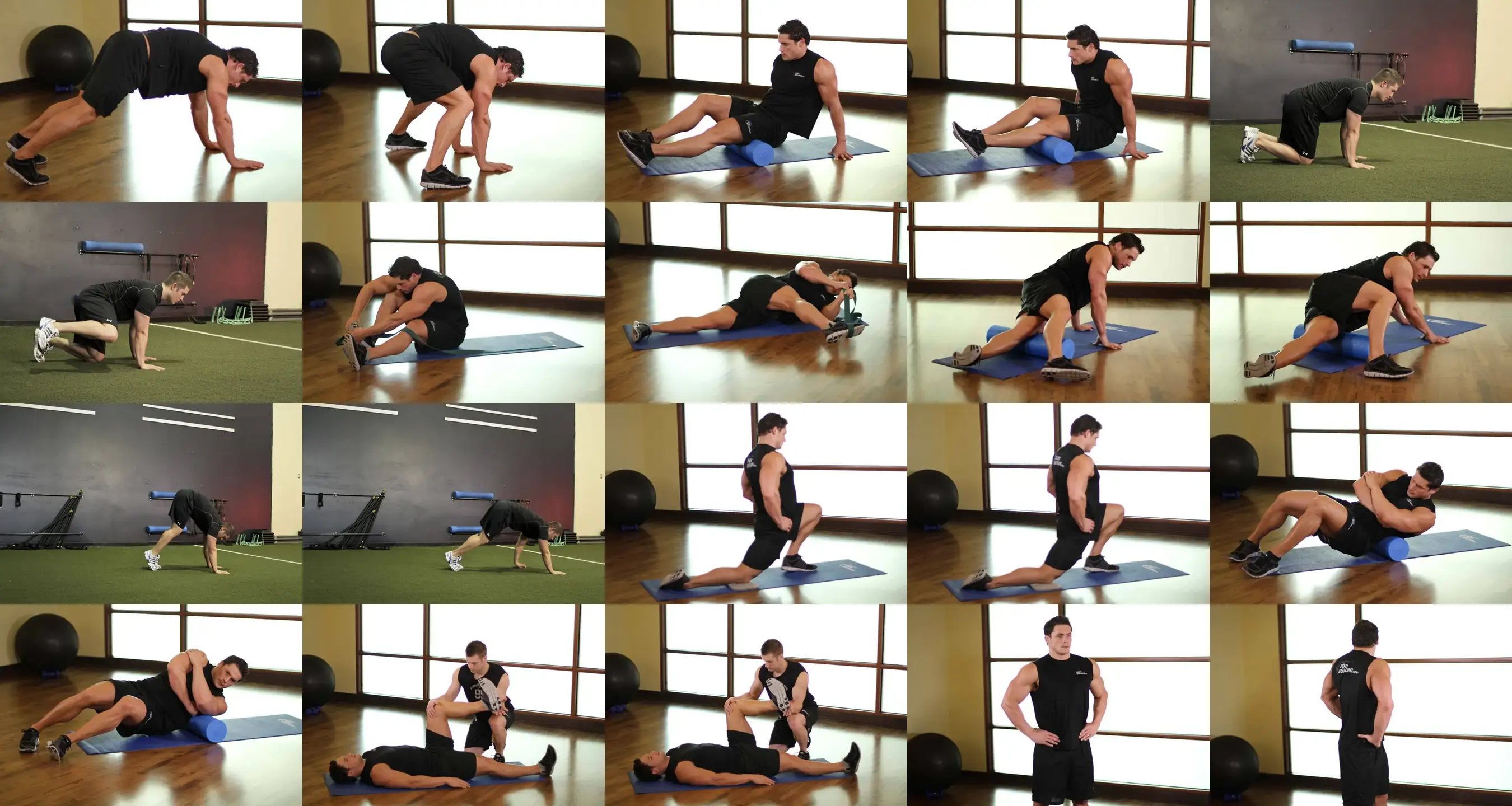
6 weeks · 2 sessions/wk
Strength and speed for soccer players
More acceleration, faster changes of direction and injury-proof legs, compatible with 2-3 team practices.
€19.99See program
Buy · €19.99Muscle
45 exercises that target the glutes as the main muscle and 144 where they help as a secondary muscle. Open any of them to see the form, common mistakes and how many sets to do for your goal.
The glute max is the largest muscle in your body and the main engine of your hips. Beyond shape, your glutes hold your pelvis level when you walk, power sprints and jumps, and help protect your knees and lower back, so they deserve dedicated, well planned work.
The group includes the gluteus maximus, which extends the hip and rotates it outward, and the gluteus medius and minimus on the side, which move the leg out and stabilize the pelvis when you stand on one foot. You use them climbing stairs, standing up from the floor, or walking uphill. When running, the glute medius keeps your knee from caving in, and in sprints, jumps, and lifts the glute max produces much of the power.
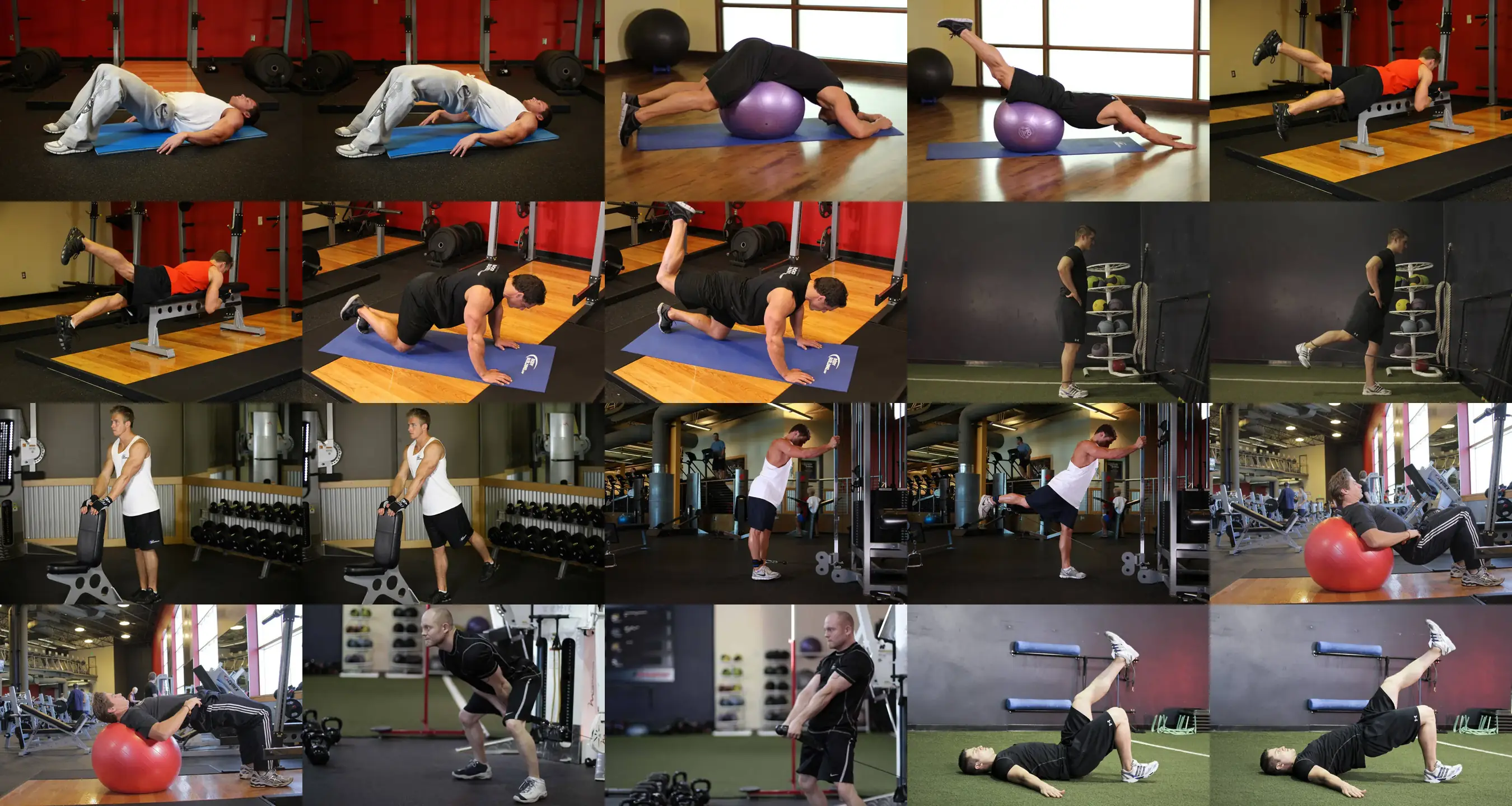
Most people do well on 10 to 20 weekly sets across two or three sessions. Pair a stretch focused exercise, like deep squats, Bulgarian split squats, or Romanian deadlifts, with one that loads the top position, like hip thrusts or glute bridges, for 8 to 15 reps. For the glute medius, add machine or band abductions and lateral band walks. Bulgarian split squats with a forward torso lean are one of the most complete options.
On hip thrusts many people overarch the lower back at the top instead of extending the hip; tuck your chin and tilt your pelvis back at lockout. Another mistake is doing only hip thrusts and skipping stretch focused work, which drives a lot of growth. A weak glute medius is linked to knee pain in runners, so include single leg work. Add load gradually to avoid overloading your lower back and hip tendons.
There is no single best one. Bulgarian split squats and Romanian deadlifts train the glutes in a stretch, while hip thrusts load them at peak contraction. Combining both types beats picking just one.
Two or three times a week is the most common approach for growth, splitting 10 to 20 total sets. If you already squat and deadlift a lot, count that work toward your volume.
Deep squats work the glutes well, but they do not load them at full contraction or hit the glute medius much. Adding hip thrusts and abductions fills those gaps for more complete development.
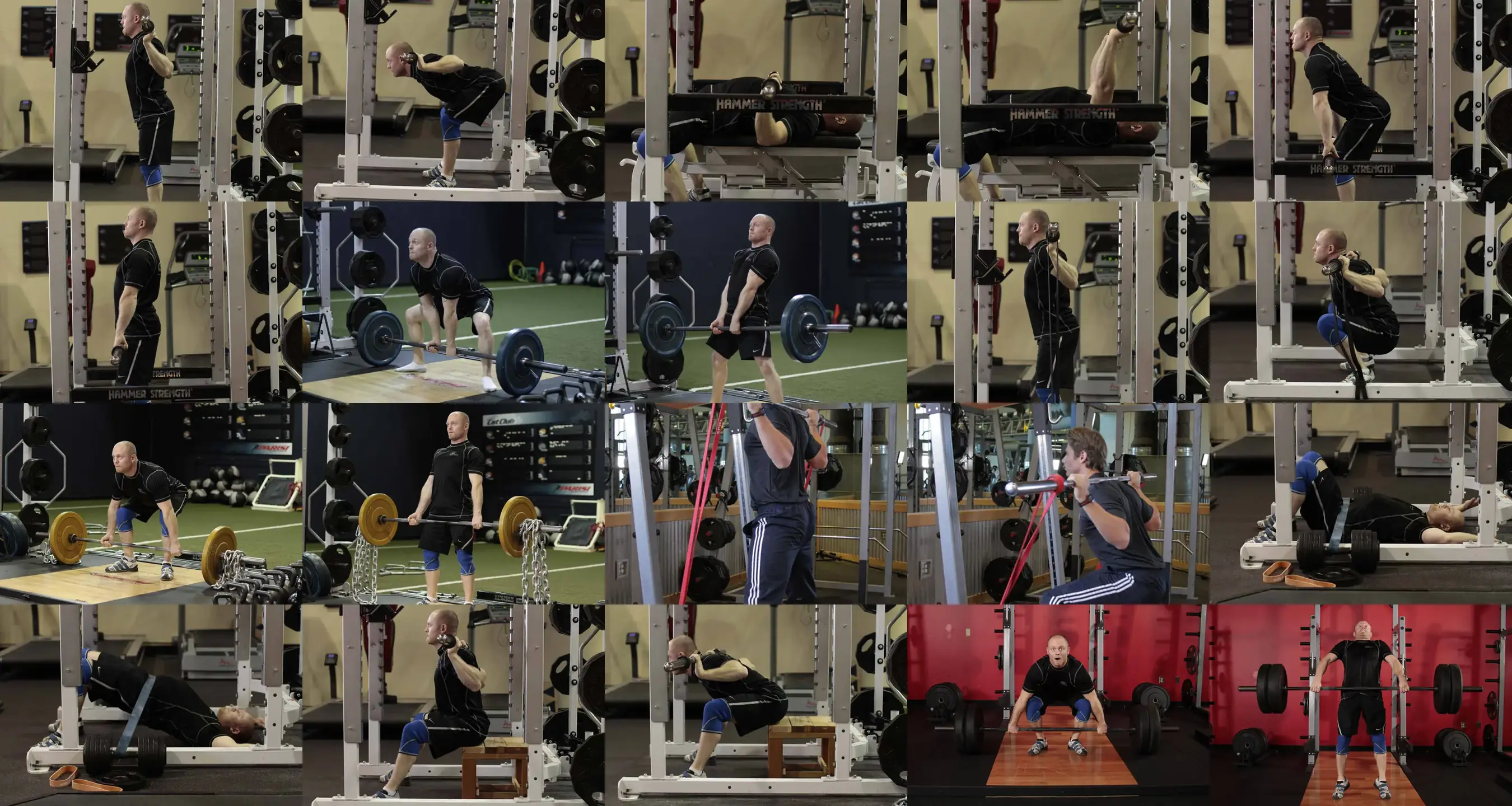
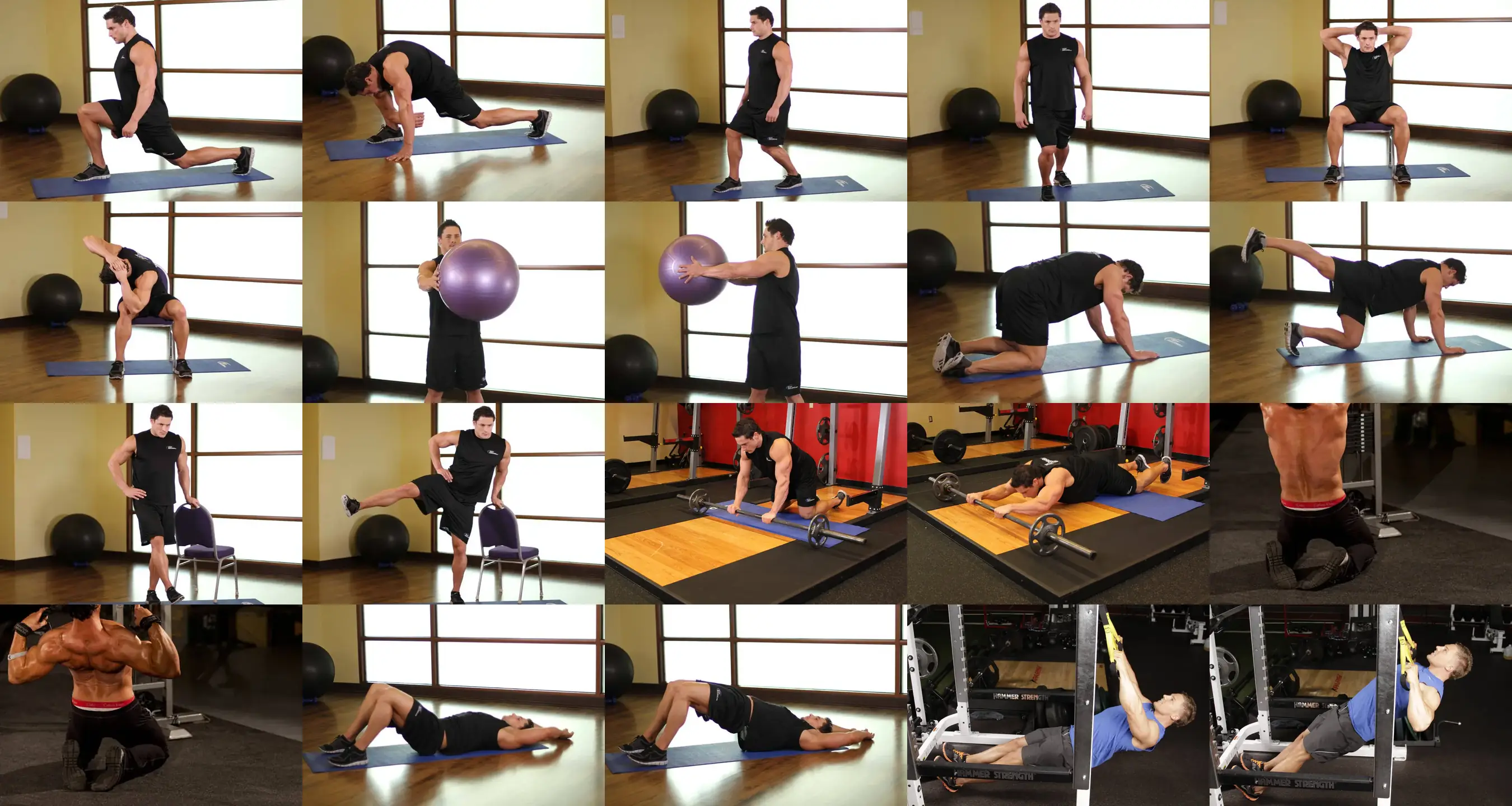
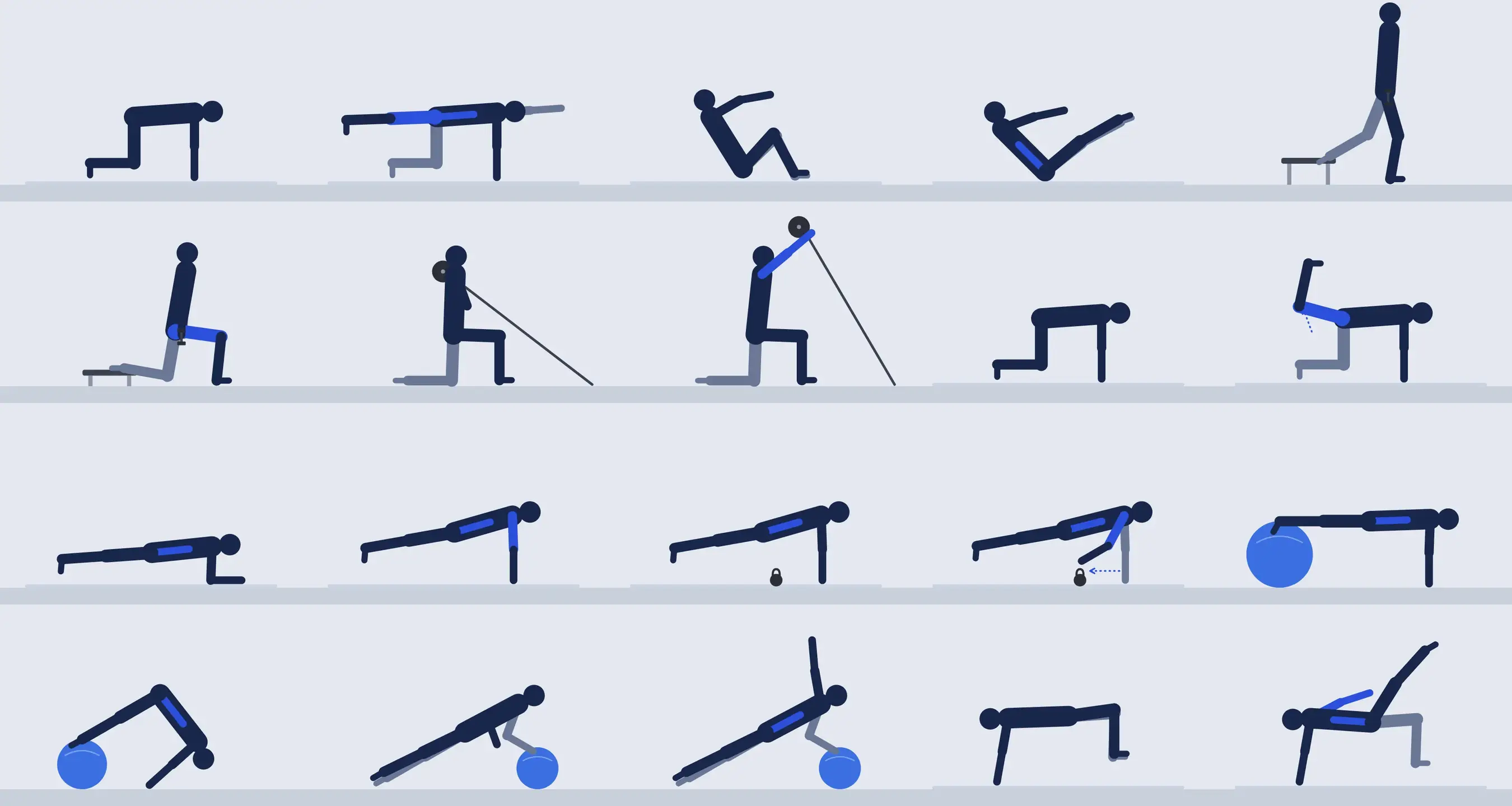
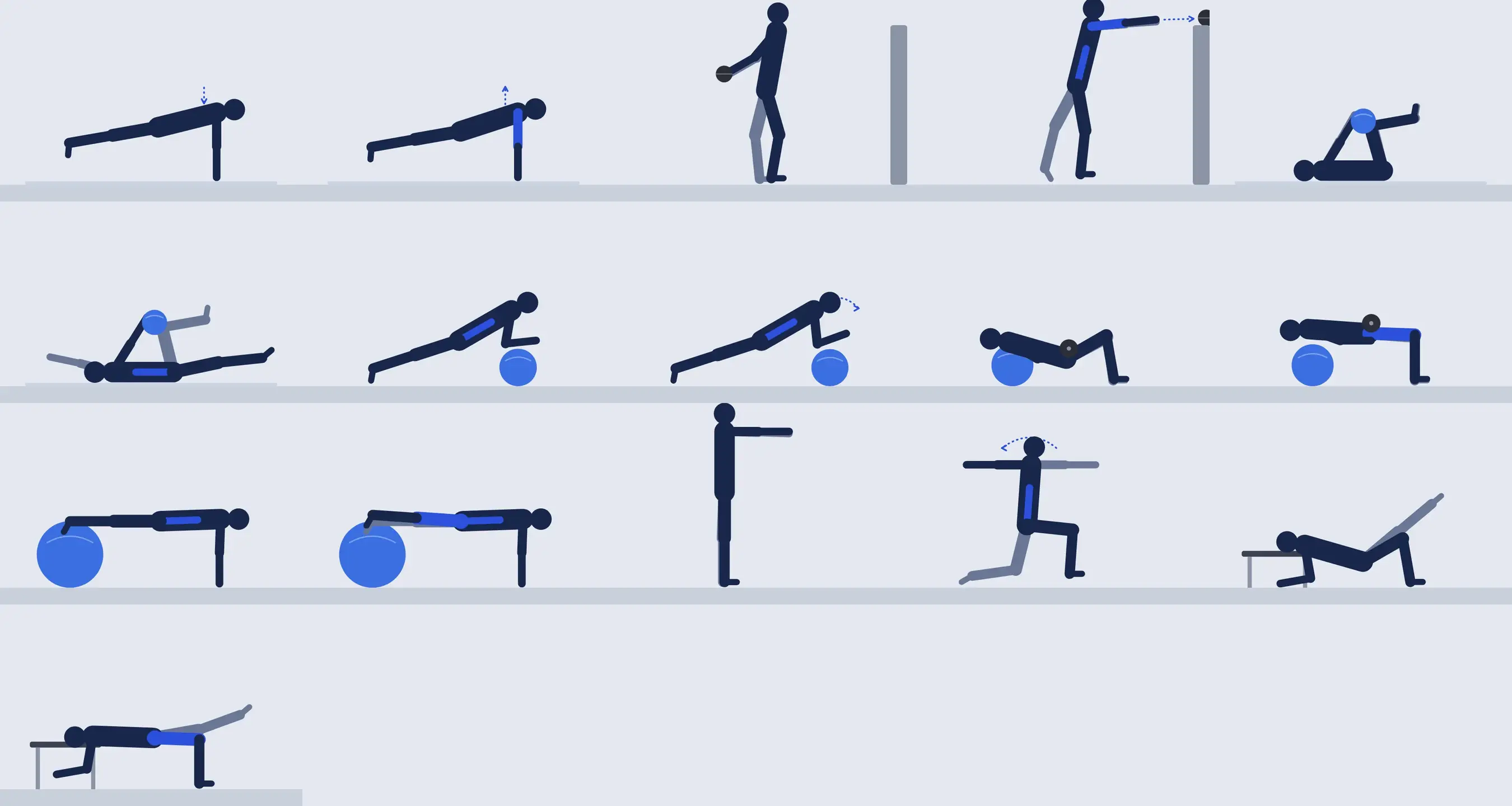
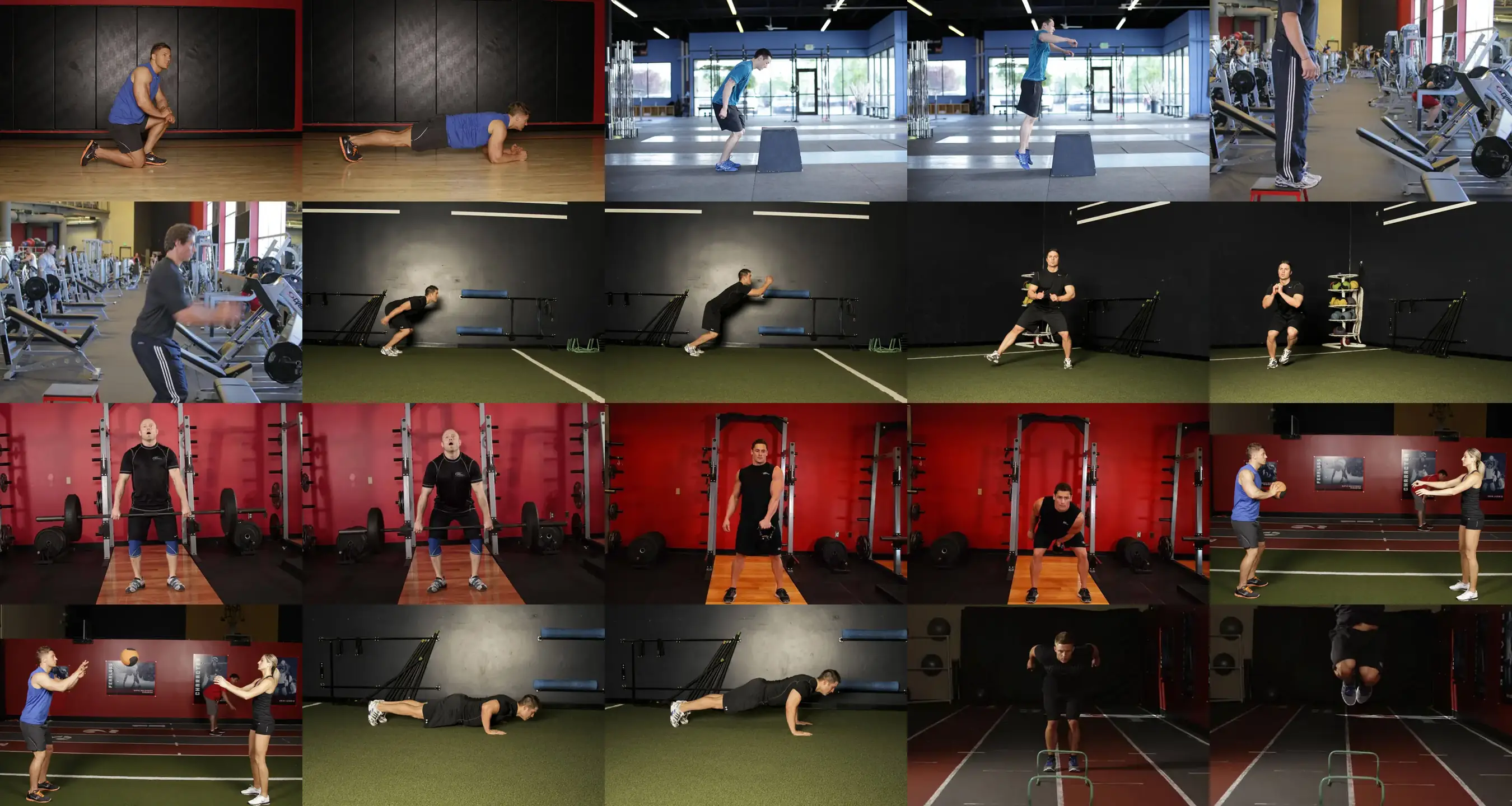
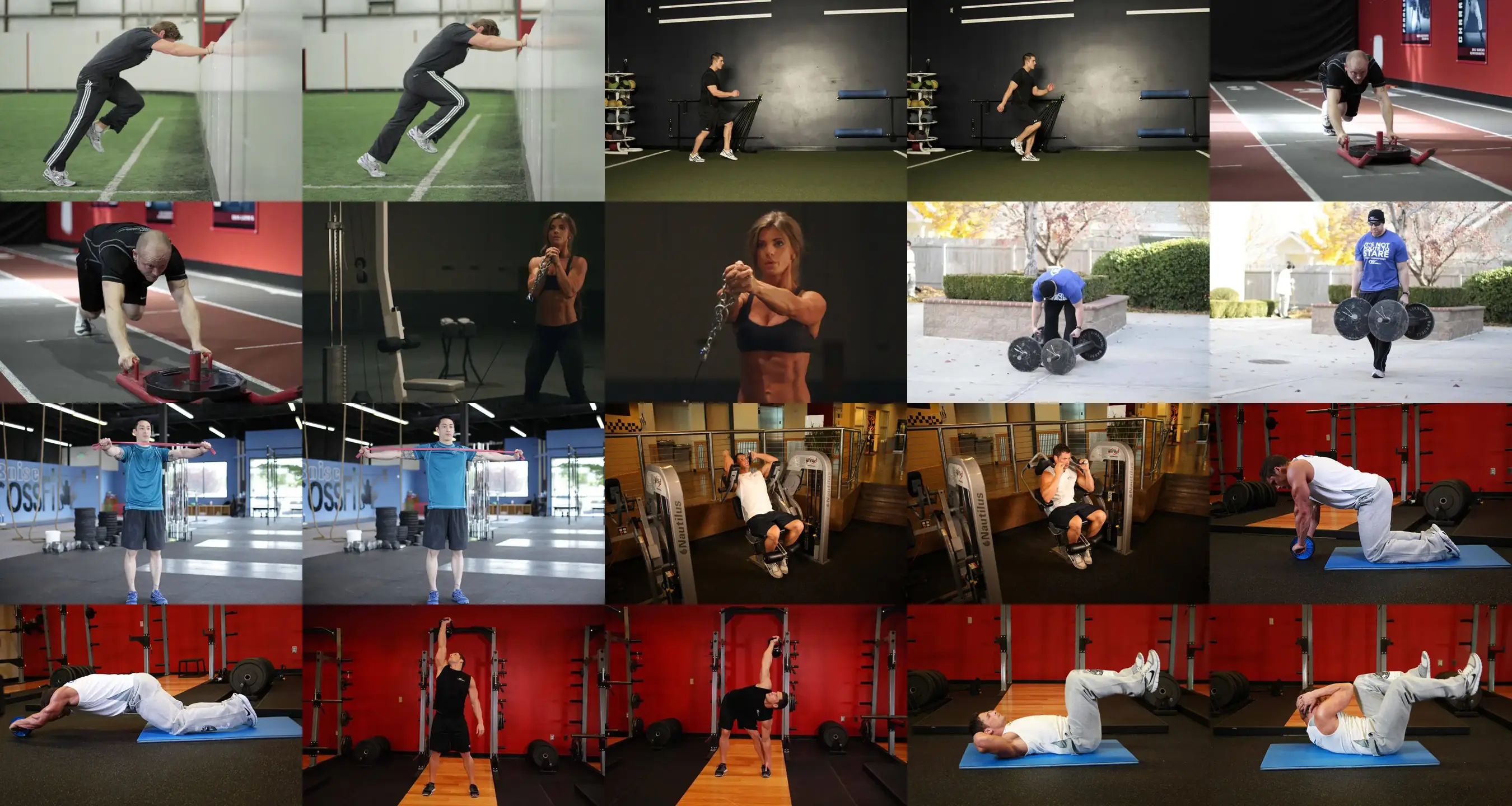
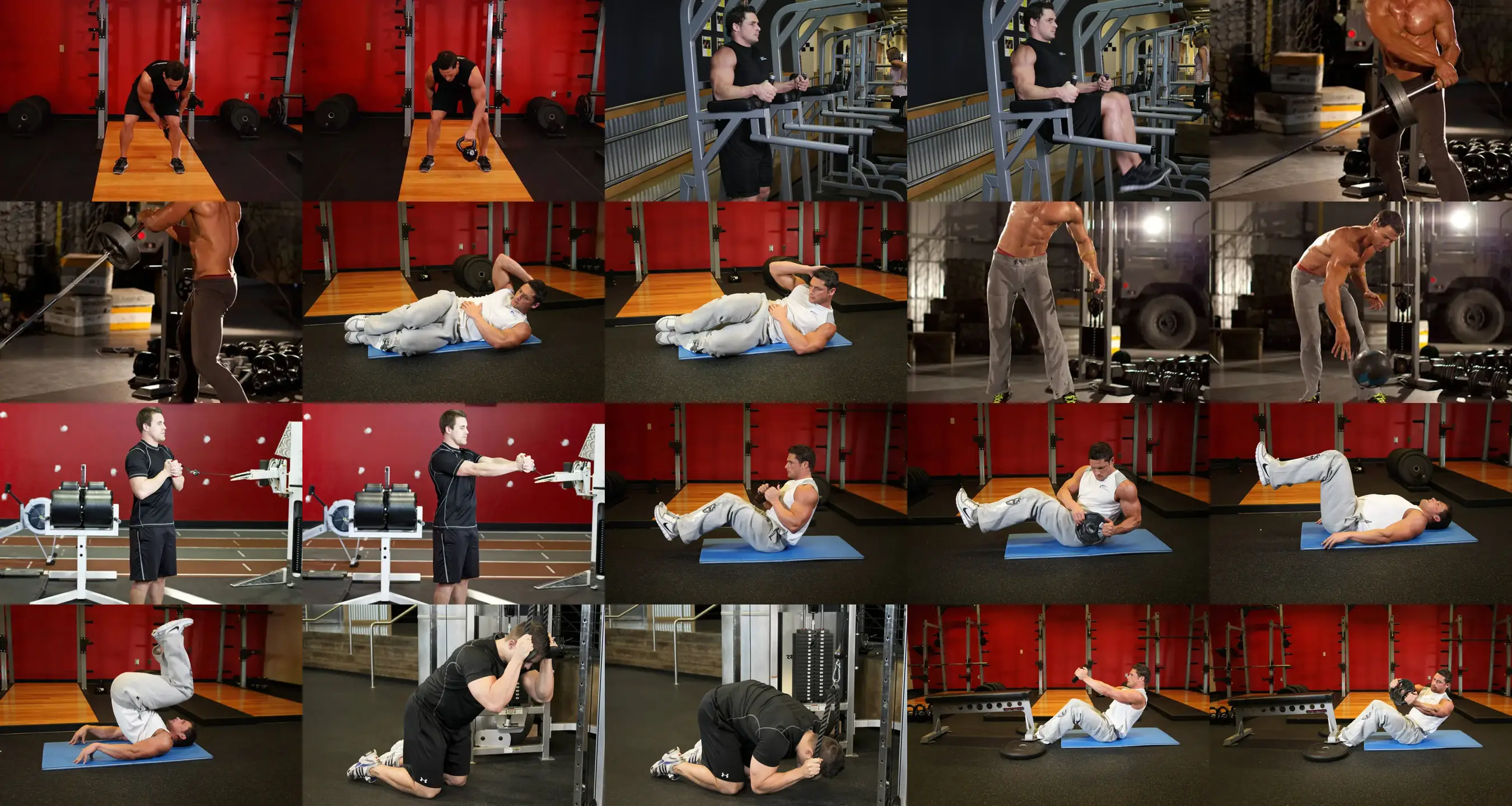
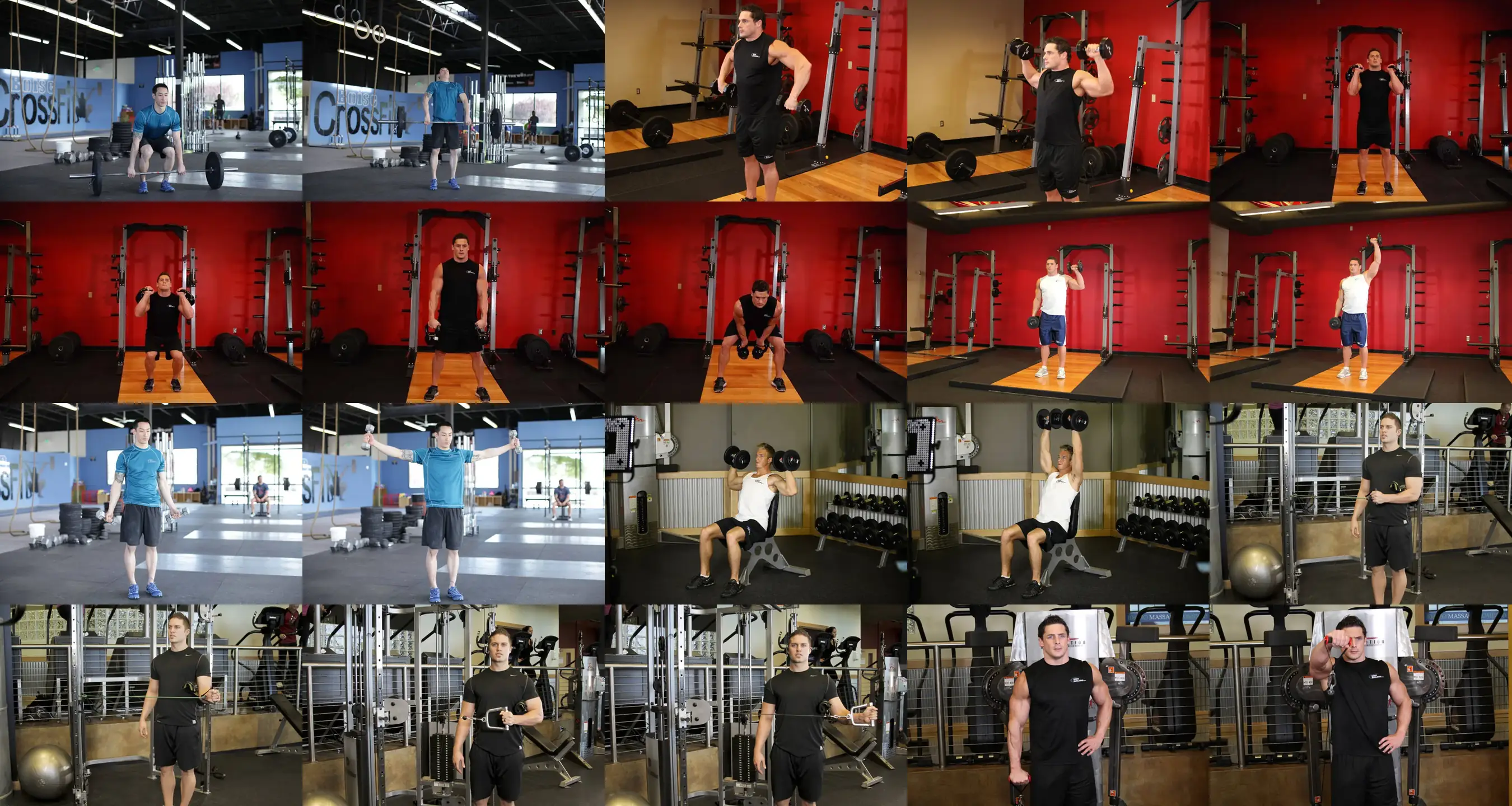
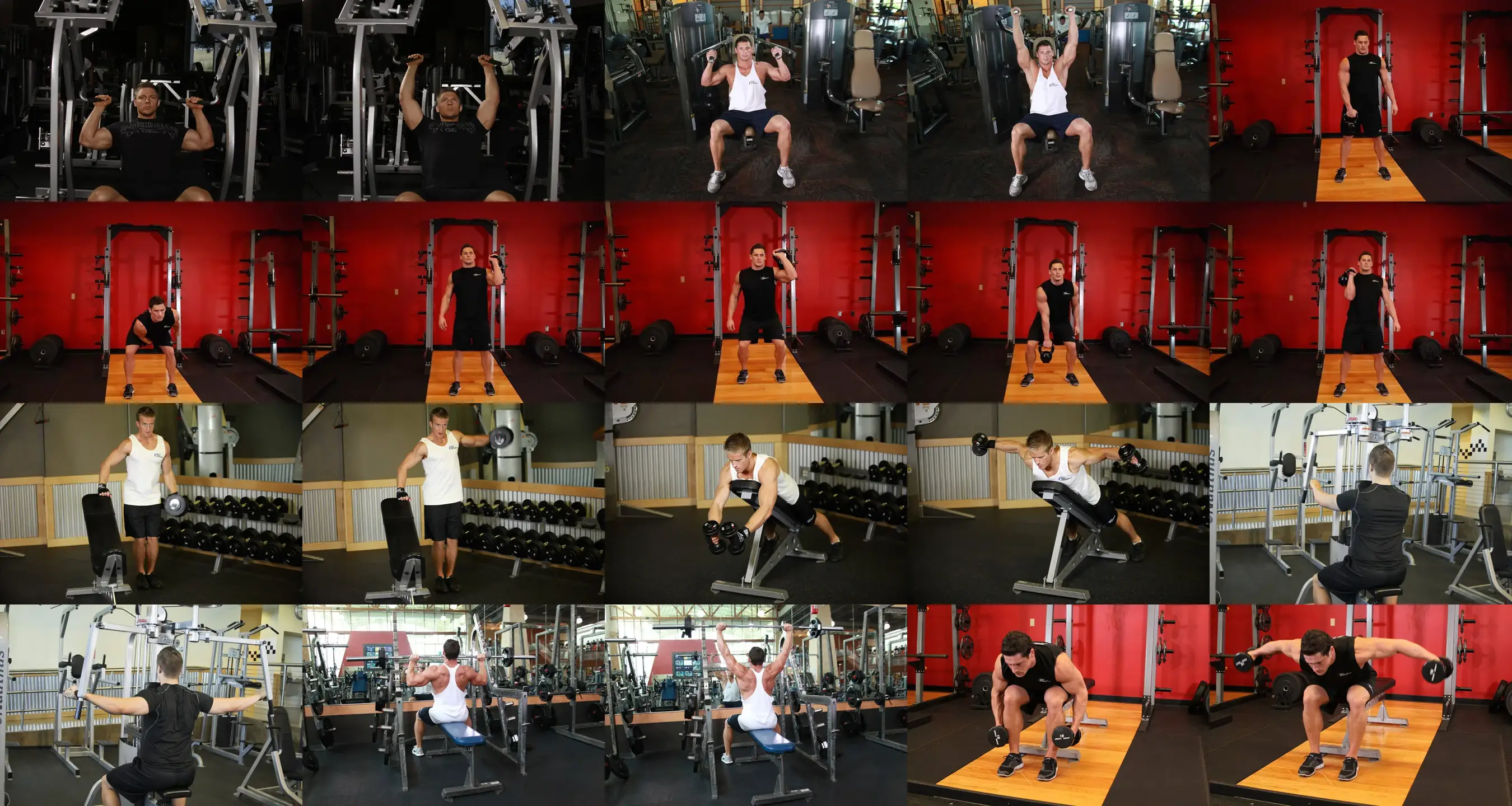
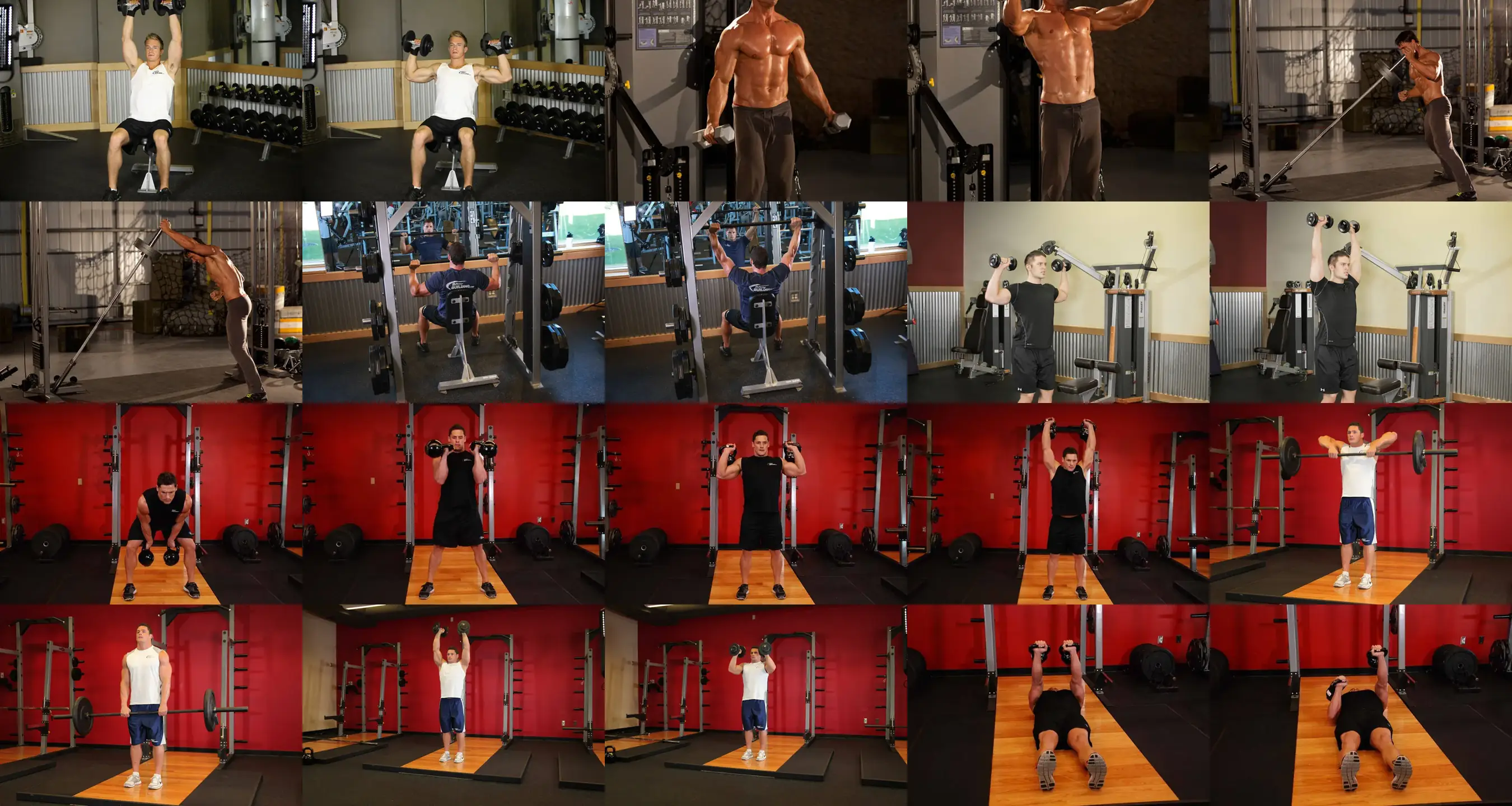
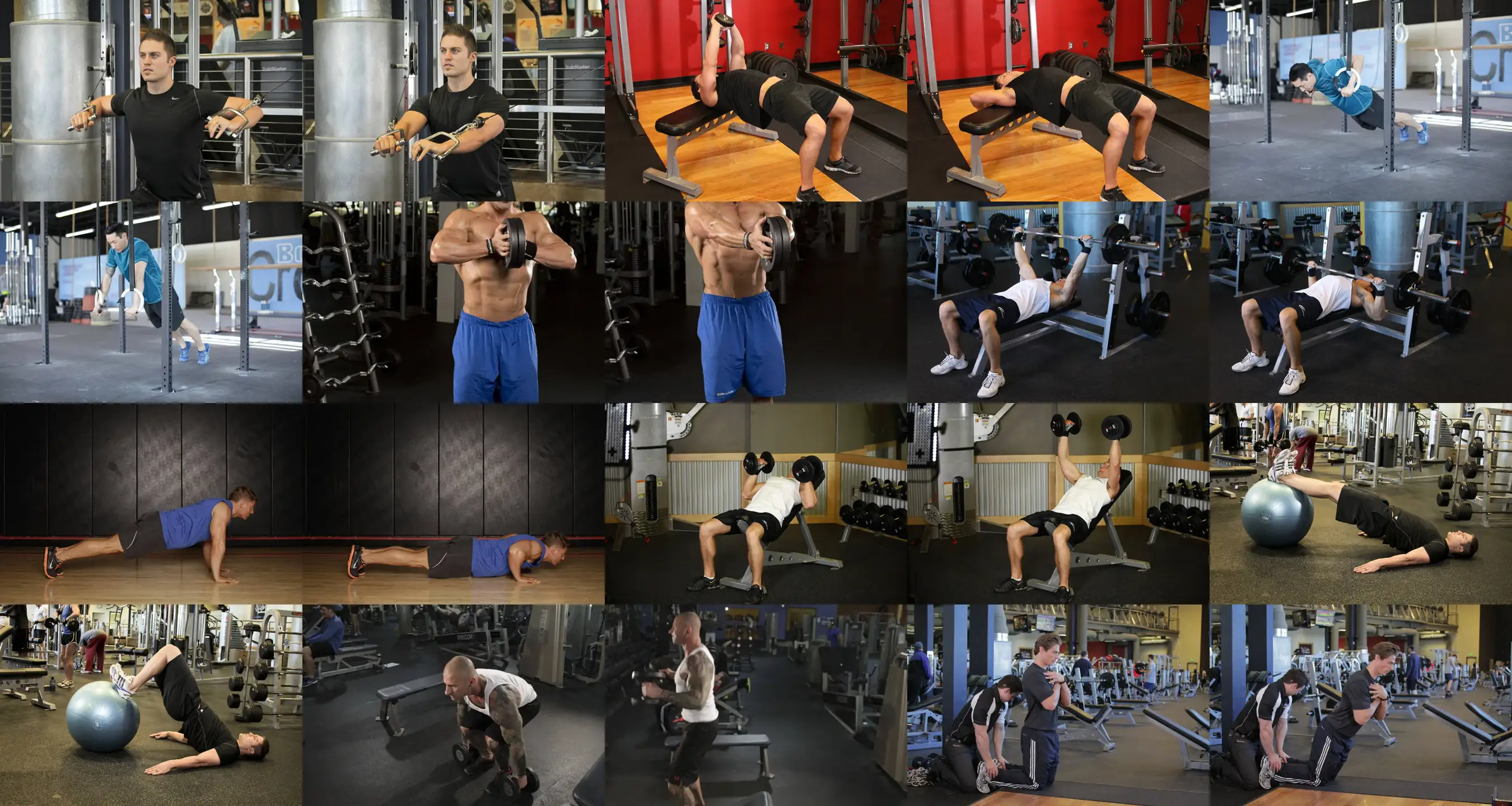
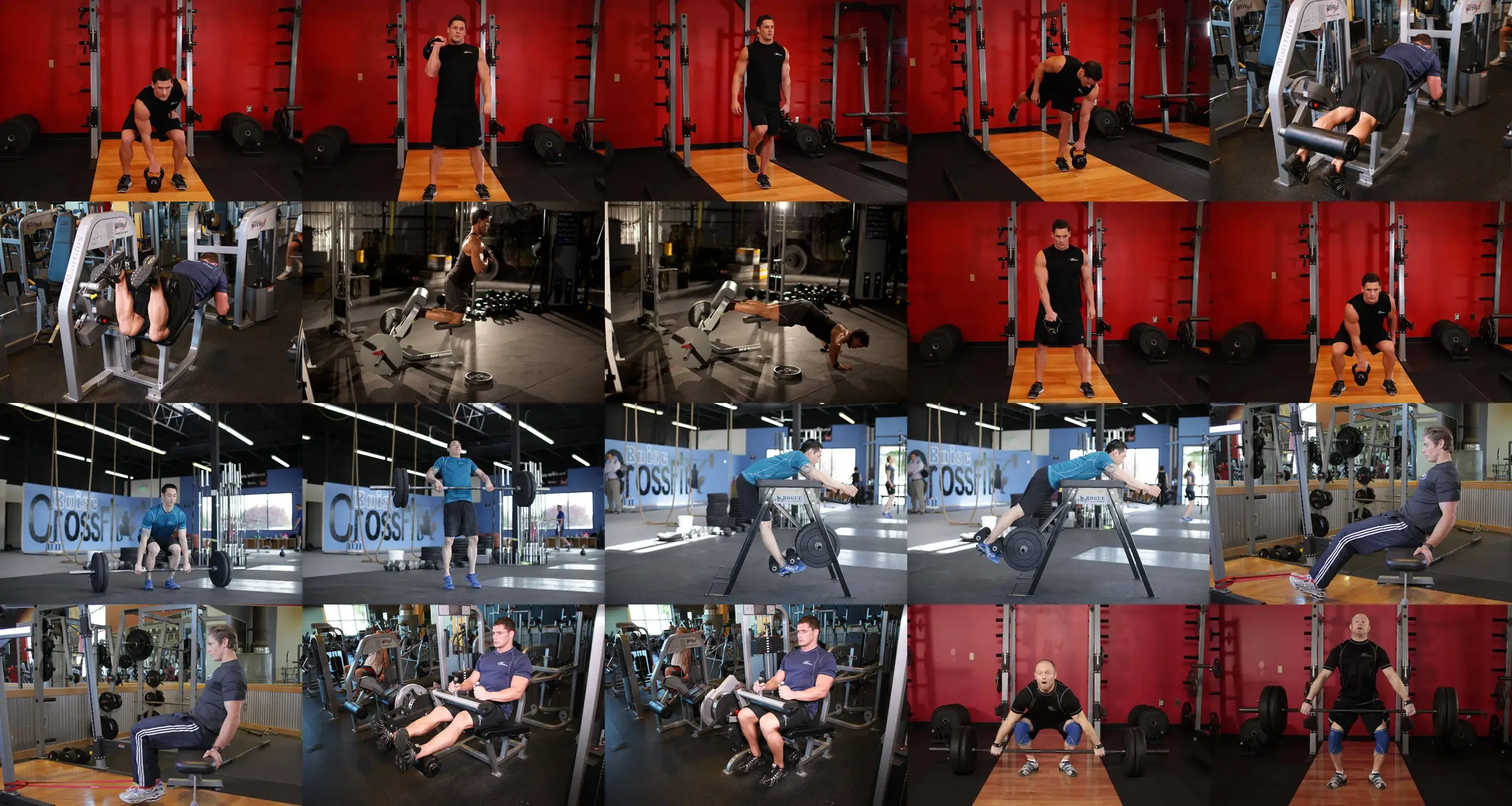
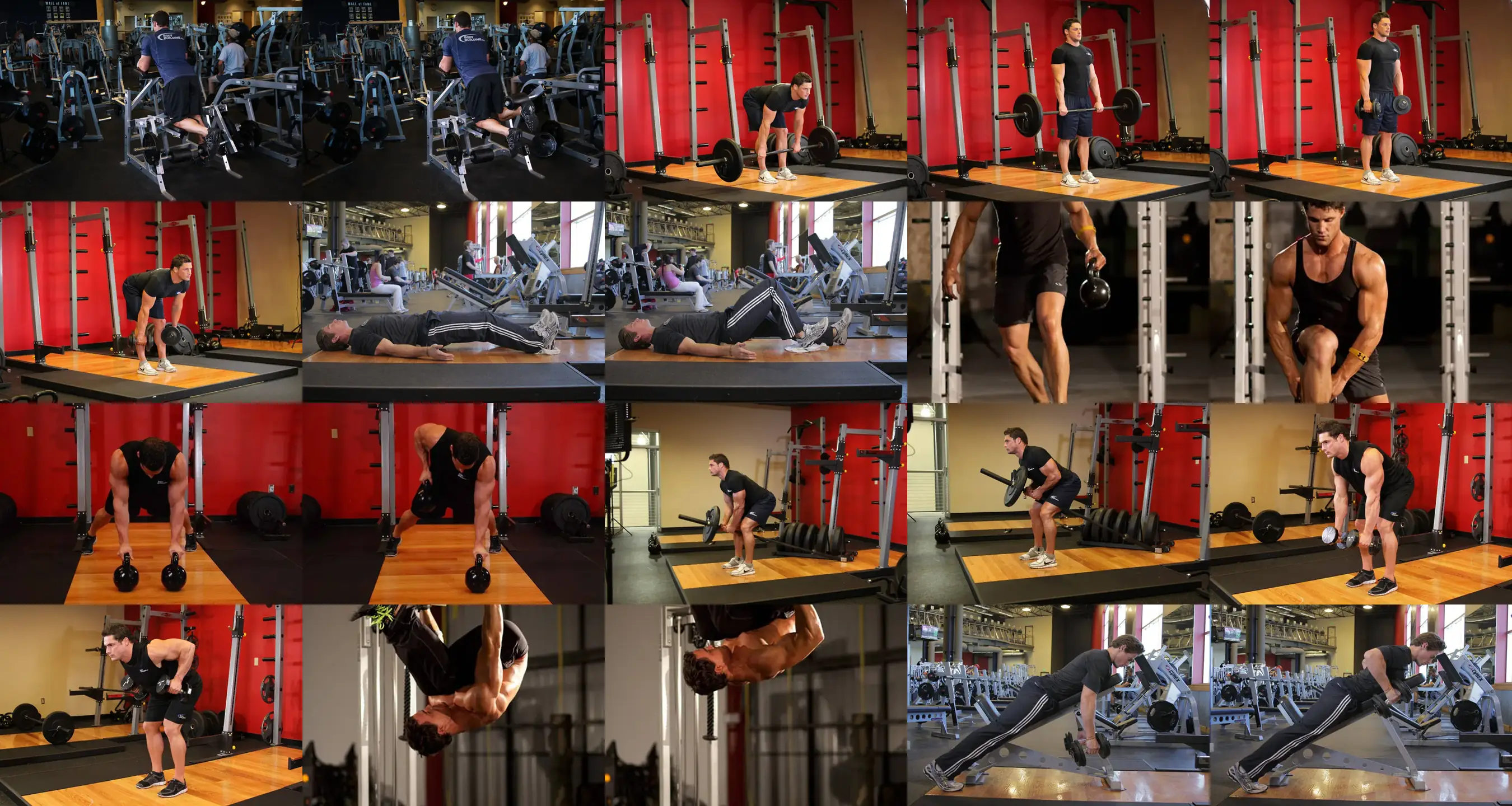
6-8-week plans with sets, reps and progression, built for your sport. Includes a downloadable PDF.
More acceleration, faster changes of direction and injury-proof legs, compatible with 2-3 team practices.
A more efficient stride, tougher calves and tendons and fewer injuries, without cutting miles.
More watts per pedal stroke, a back that holds your position and balanced legs.