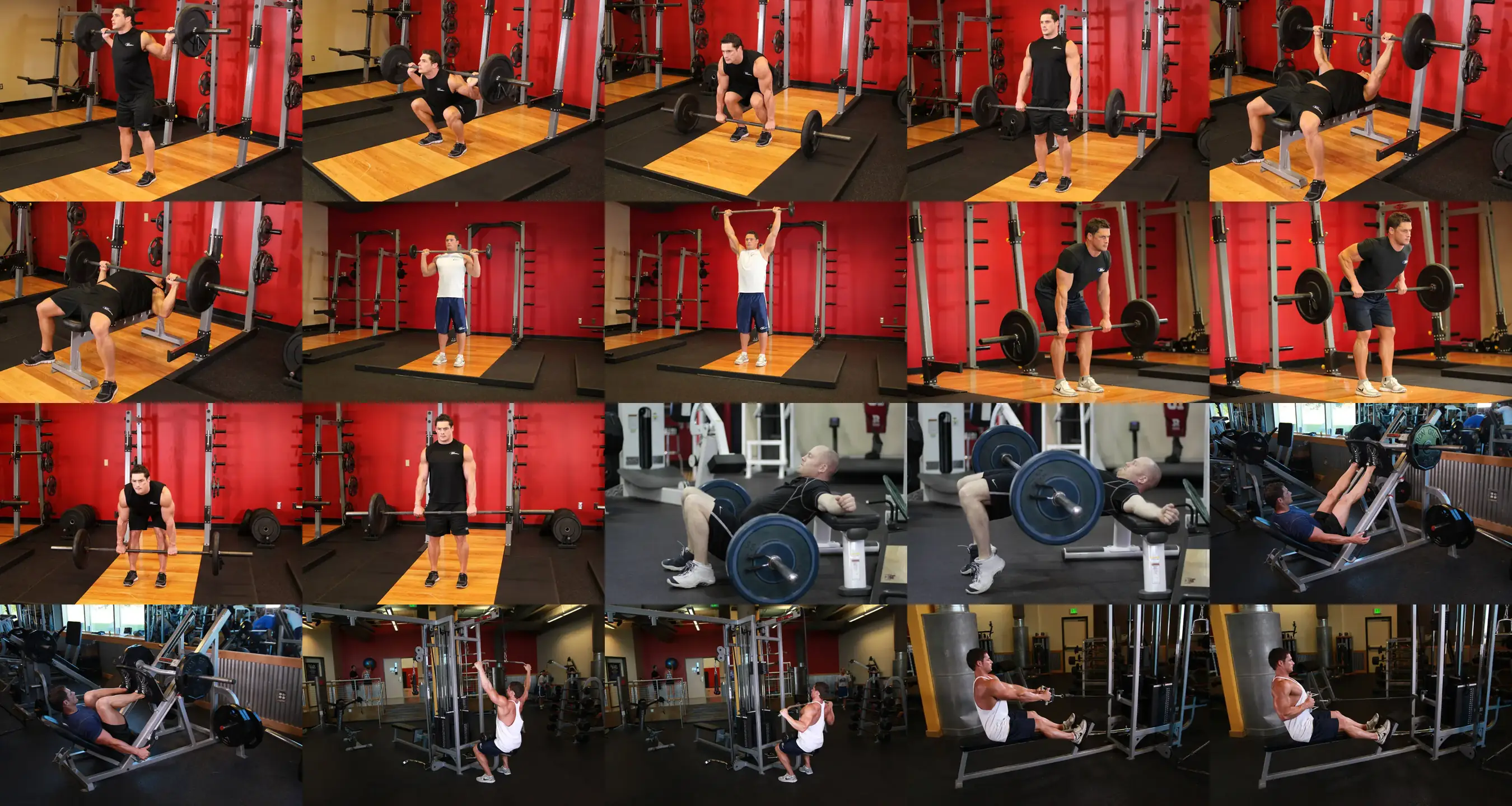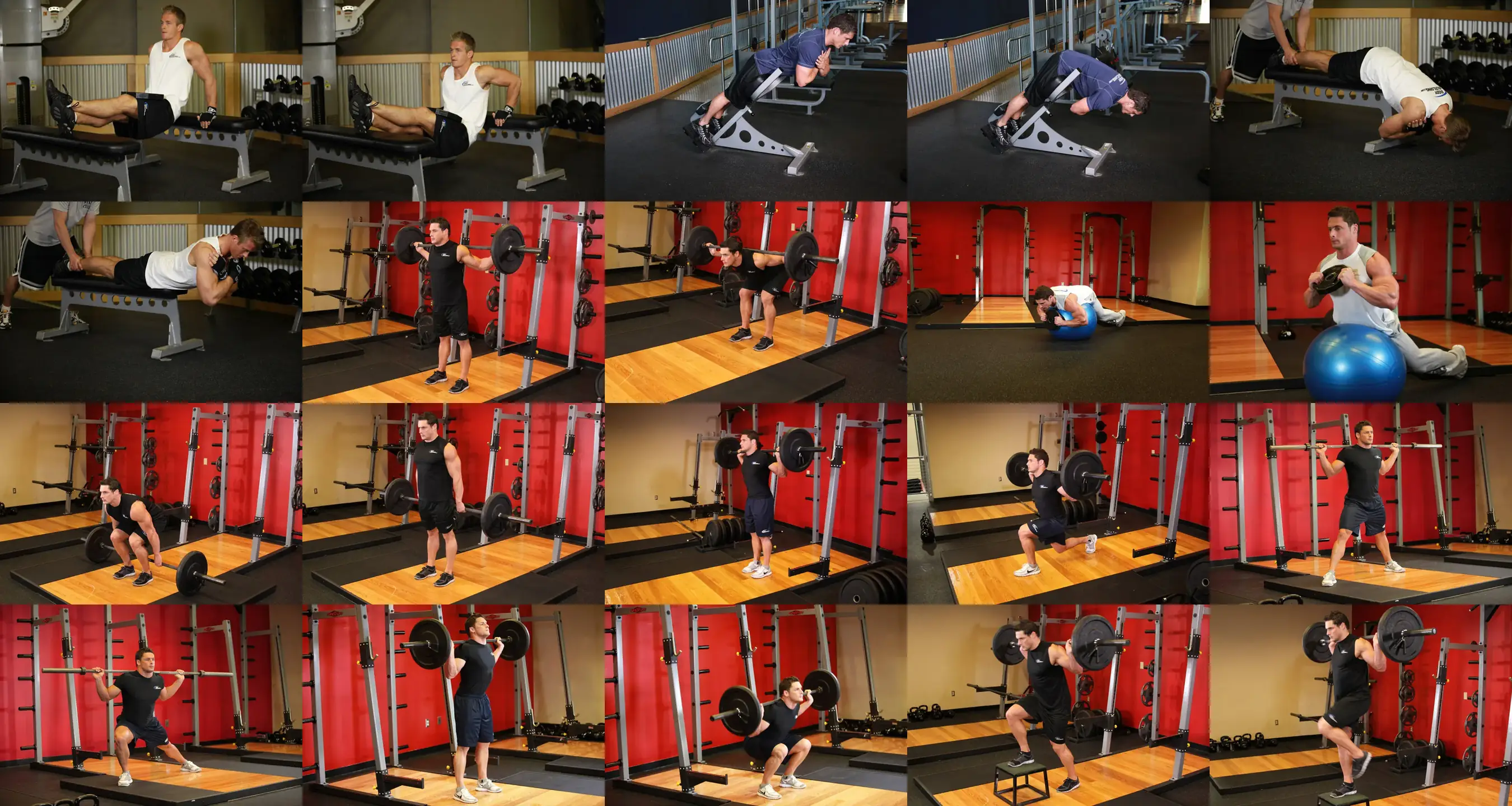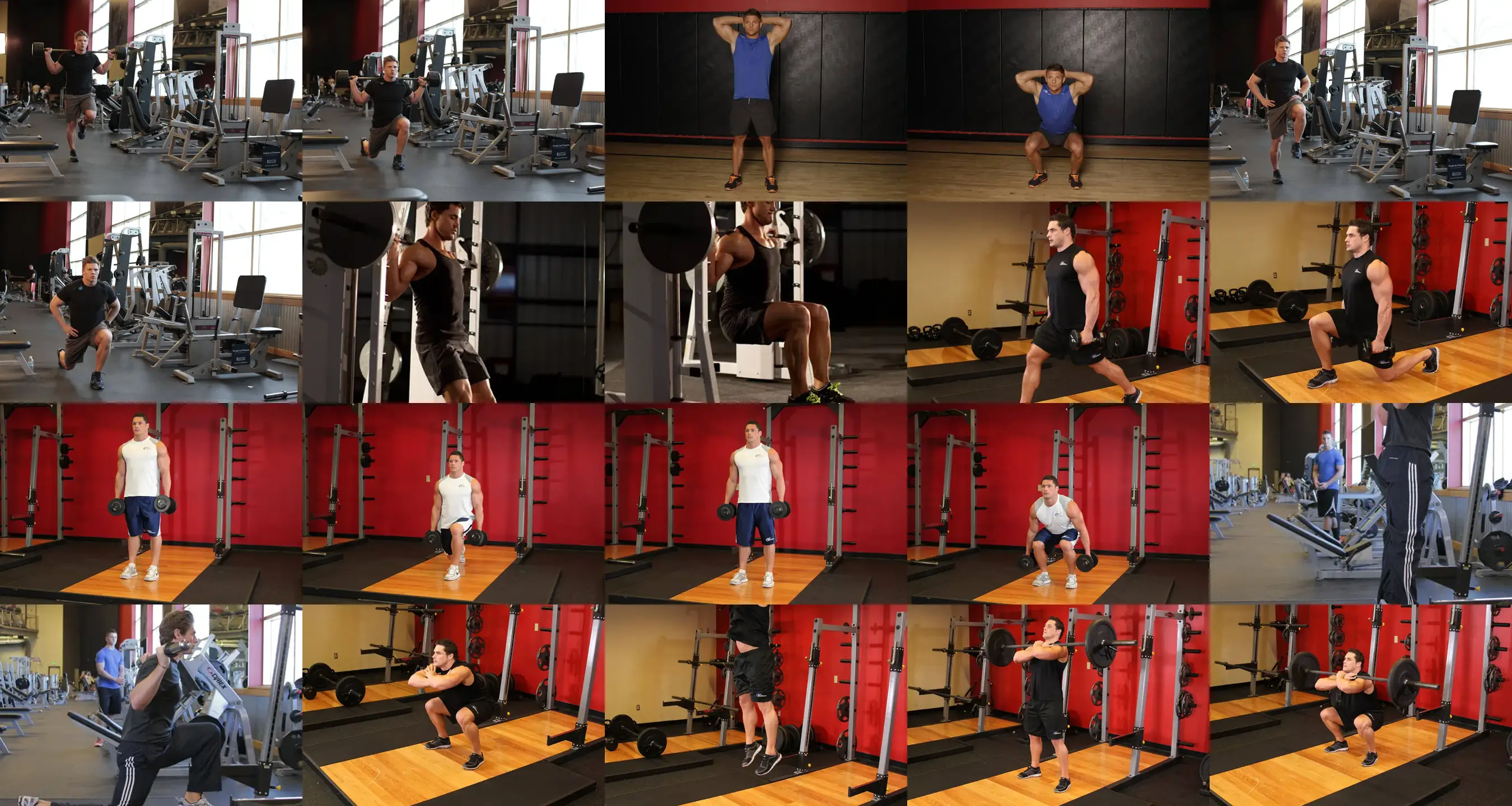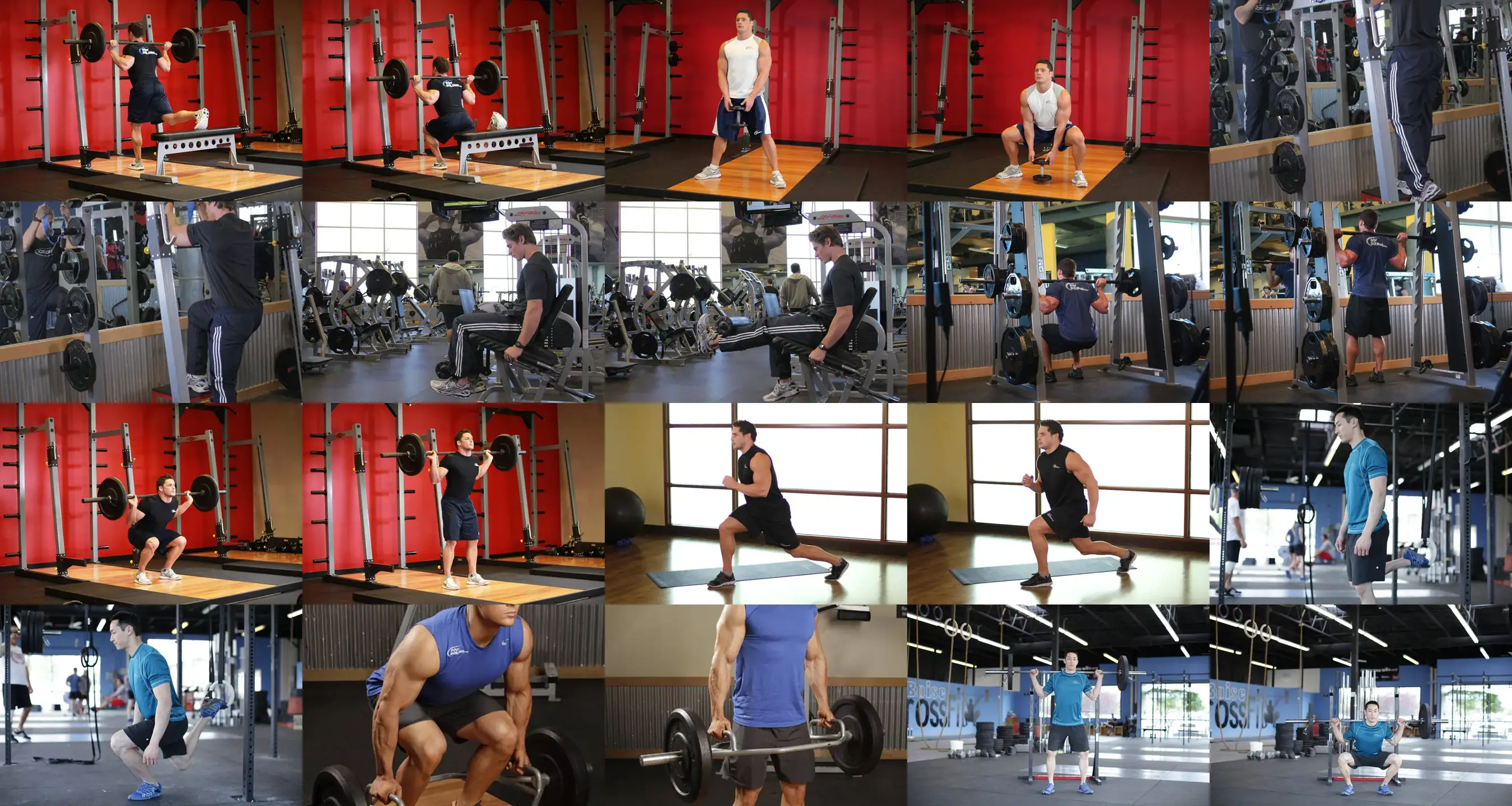
Setup and loading
Use a high box or bench so your knee bends slightly less than 90 degrees when you sit. If 12 controlled reps feel easy, lower the box before you add any weight.
How to do the single-leg high box squat step by step
- Stand a few inches in front of a high box, shift your weight onto one leg and hold the other slightly forward.
- Reach both arms straight forward for balance, take a breath in and brace your abs firmly.
- Lower slowly by sending your hips back and bending the standing knee until your glutes lightly touch the box.
- Pause briefly on the box while keeping tension, without relaxing completely or collapsing your weight onto it.
- Push through your whole standing foot and rise as you exhale, without touching down with the other leg.
- Complete all reps on the same leg, then repeat the same number of reps on the other leg.
Form cues
- Touch the box softly, do not drop onto it
- Standing knee tracks over your second toe
- Arms forward to counterbalance your body
- Whole foot planted, especially your heel
Common mistakes
- Dropping onto the box: you lose eccentric control; take three seconds to lower.
- Pushing off with the other leg: it becomes bilateral; keep it lifted.
- Knee caving in: it strains the joint; press the knee out and raise the box.
- Rocking your torso to stand: you rely on momentum; lean slightly and drive with the leg.
How to make it easier or harder
To make it easier, hold a suspension trainer or door frame, or use an even higher box. To progress, lower the box gradually, hold a light dumbbell out front and eventually work toward the full pistol squat.
Sets and reps for your goal
Hypertrophy
3-4 x 8-12 · rest 60-90 s3-4 sets of 6-12 reps (up to 15-20 on isolation exercises) at 65-80% of your max. Rest 1 to 2 minutes.
Get close to failure (0-3 reps in reserve) and control the lowering for 2-3 seconds. Accumulate 10-20 sets per muscle per week.
Max Strength
4-5 x 3-6 · rest 2-3 min3-6 sets of 1-6 reps at 80-90% of your max (1RM). Rest 2 to 5 minutes.
Leave 1-3 reps in reserve. If your technique breaks down, lower the weight: strength is built with good reps.
A guide for healthy adults. Adjust the load to your level and see a professional if you have an injury.
Check your form
Film yourself from the side or ask someone to watch, then tick what you get right.
Frequently asked questions
Does the single-leg box squat help you get a pistol squat?
Yes, it is the most common progression. You start with a high box and lower it as you gain strength and control, until you can complete the full range without support.
How high should the box be?
Start at a height where you can stand on one leg without momentum, usually knee height or a bit higher. Once you hit 10 to 12 clean reps, lower it by about two inches.
Sports it suits
Gear for this exercise
- Plyo boxFoam boxes forgive missed jumps.
As an Amazon Associate, Muscle Atlas earns from qualifying purchases.