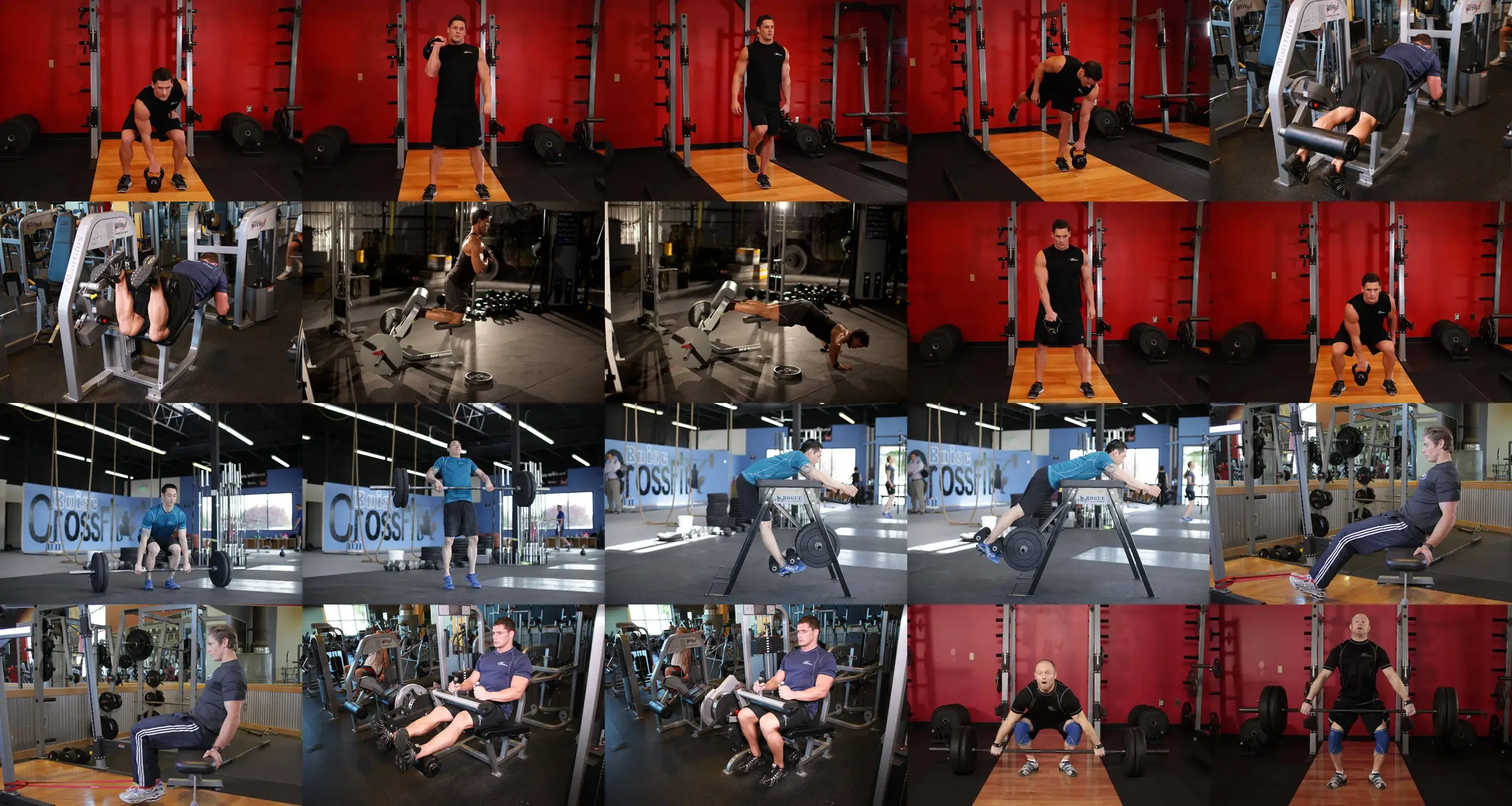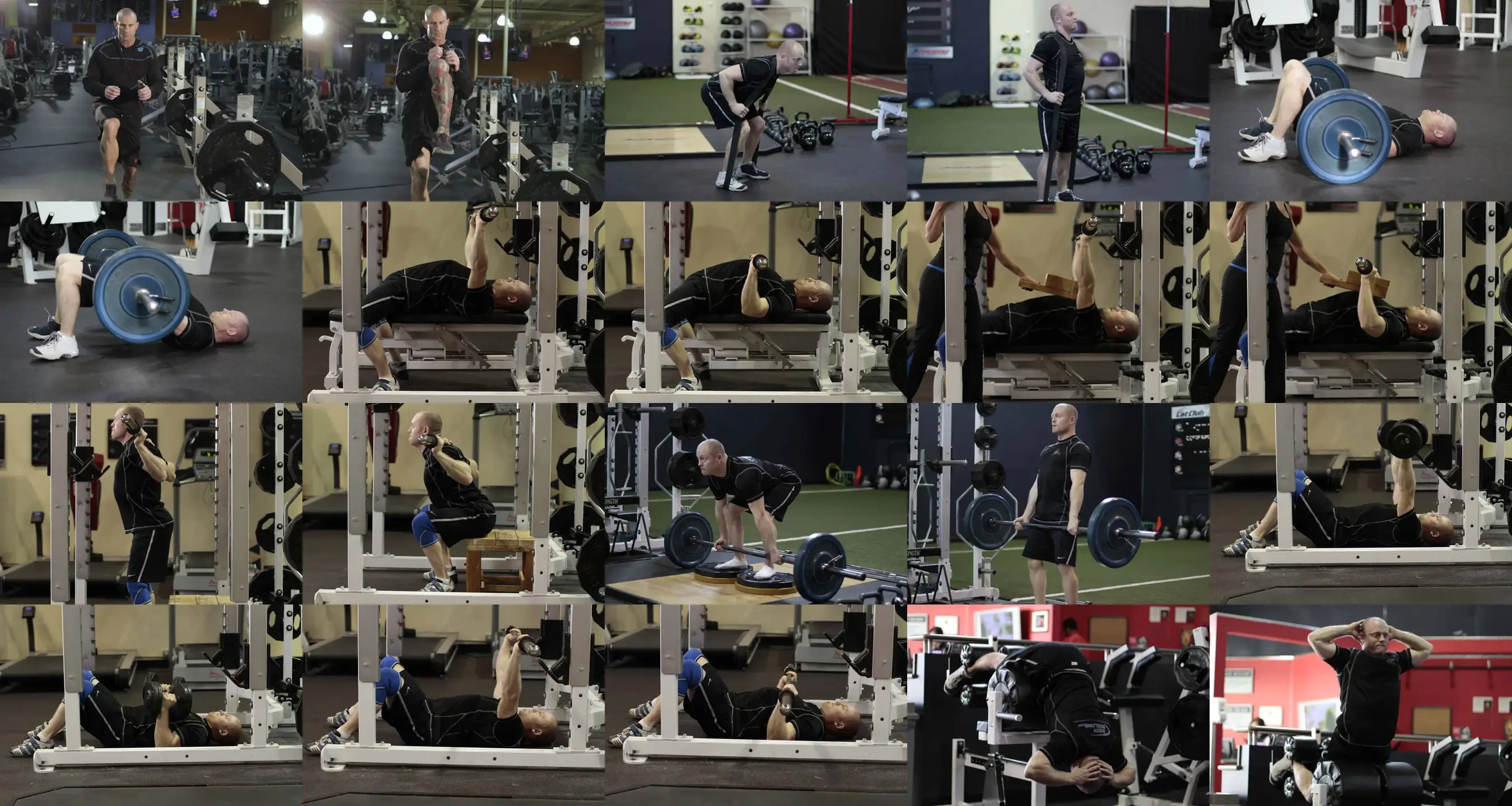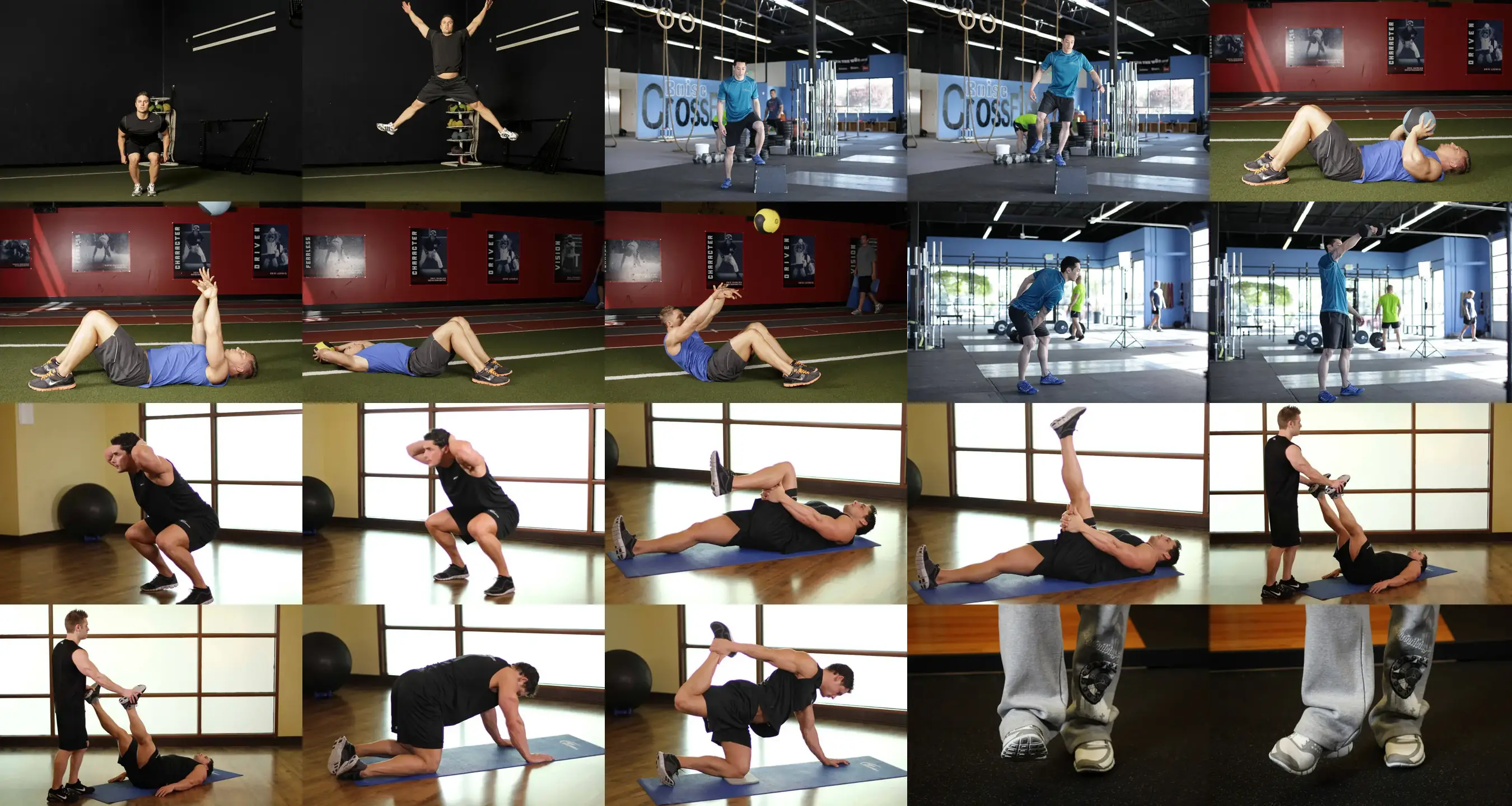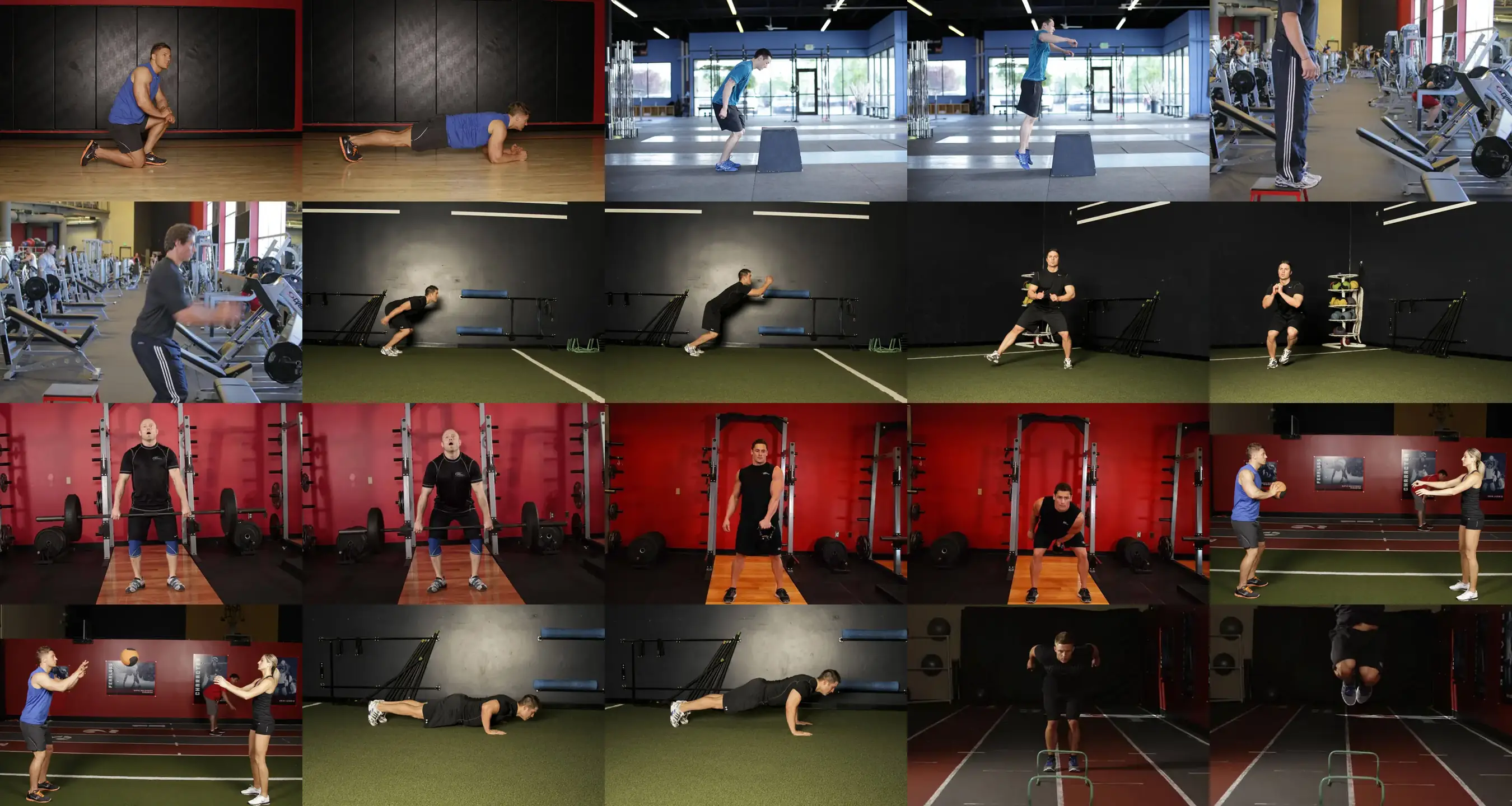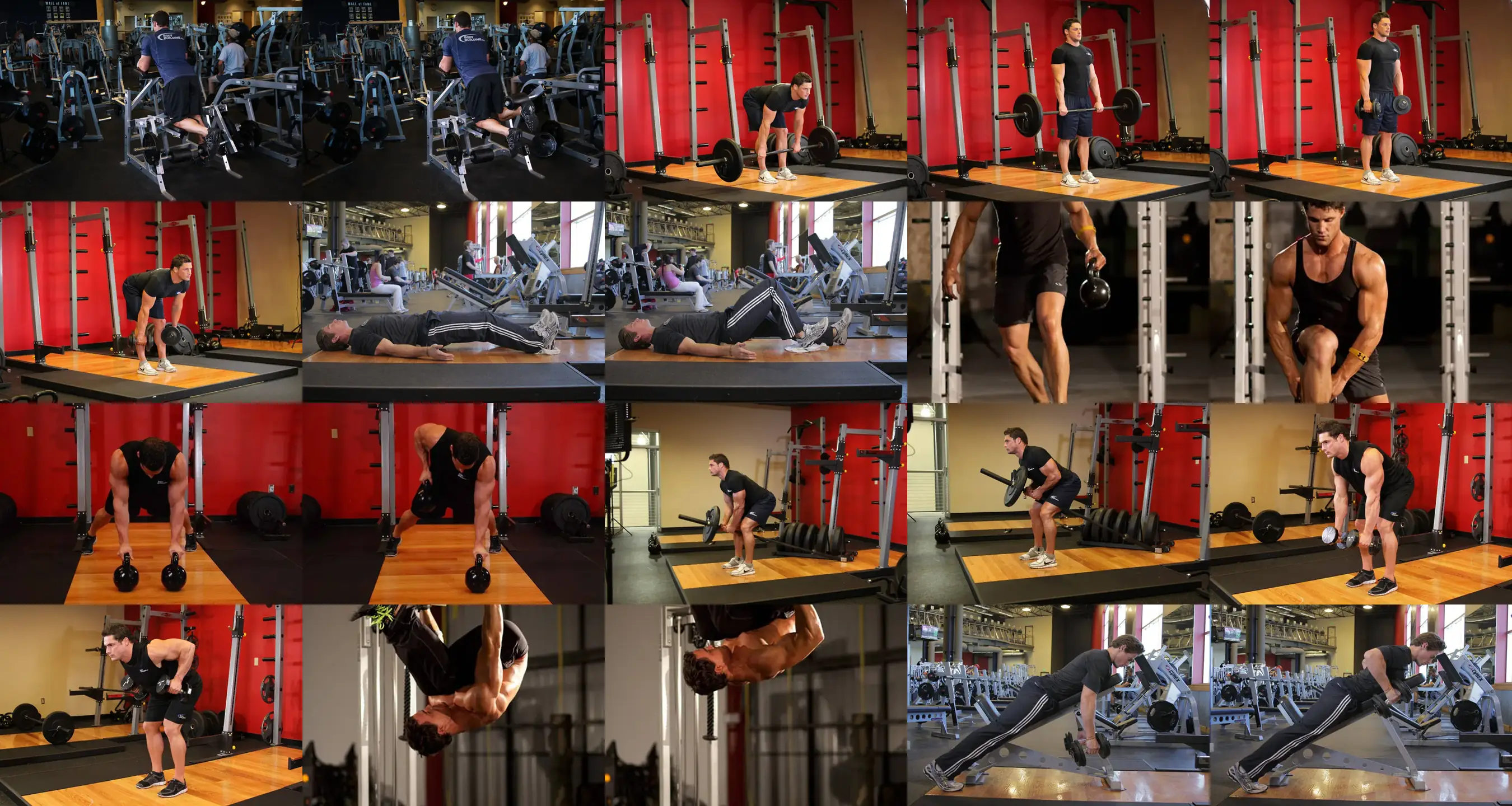
Setup and loading
Hold a dumbbell in each hand with palms facing your thighs or your body, feet hip width apart. Pick a weight for 10 to 15 slow reps; if your grip fails before your hamstrings, use straps or a short rest pause.
How to do the stiff-legged dumbbell deadlift step by step
- Stand with a dumbbell in each hand in front of your thighs, feet hip width apart and knees slightly bent.
- Inhale, brace your abs, and pull your shoulder blades back slightly to set your back.
- Push your hips back and tip forward while the dumbbells travel close to your legs, keeping your knee angle unchanged.
- Lower until you feel a clear hamstring stretch, usually between mid-shin and your ankles.
- Exhale and stand up by driving your hips forward and squeezing your glutes.
- Finish tall with the dumbbells in front of your thighs and repeat without losing position.
Form cues
- Dumbbells close to your legs
- Hips back like closing a car door
- Long, neutral spine
- Soft but fixed knees
Common mistakes
- Bending the knees too much: it turns into a squat; keep a slight, constant bend.
- Letting the dumbbells drift forward: it adds lower back strain; keep them near your legs.
- Rounding to reach lower: it compromises your spine; stop as soon as your back starts to curve.
- Looking at the ceiling: it cranks your neck; keep your gaze on the floor a few feet ahead.
How to make it easier or harder
To make it easier, hold one dumbbell with both hands or lower only to knee height. To progress, use heavier dumbbells, switch to the barbell version, or try the single-leg dumbbell stiff-legged deadlift.
Sets and reps for your goal
Hypertrophy
3-4 x 8-12 · rest 60-90 s3-4 sets of 6-12 reps (up to 15-20 on isolation exercises) at 65-80% of your max. Rest 1 to 2 minutes.
Get close to failure (0-3 reps in reserve) and control the lowering for 2-3 seconds. Accumulate 10-20 sets per muscle per week.
Max Strength
4-5 x 3-6 · rest 2-3 min3-6 sets of 1-6 reps at 80-90% of your max (1RM). Rest 2 to 5 minutes.
Leave 1-3 reps in reserve. If your technique breaks down, lower the weight: strength is built with good reps.
A guide for healthy adults. Adjust the load to your level and see a professional if you have an injury.
Check your form
Film yourself from the side or ask someone to watch, then tick what you get right.
Frequently asked questions
Are dumbbells or a barbell better for stiff-legged deadlifts?
Dumbbells are easier to learn, friendlier on your wrists, and work at home. A barbell lets you load more and progress further over time. Both versions train the same muscles.
How low should I go?
Go as low as you can while feeling a strong hamstring stretch without your lower back rounding. For many people that is mid-shin. Touching the floor is not necessary and is not worth losing a neutral spine.
Sports it suits
Gear for this exercise
- Adjustable dumbbellsSave space and replace a whole dumbbell rack at home.
As an Amazon Associate, Muscle Atlas earns from qualifying purchases.