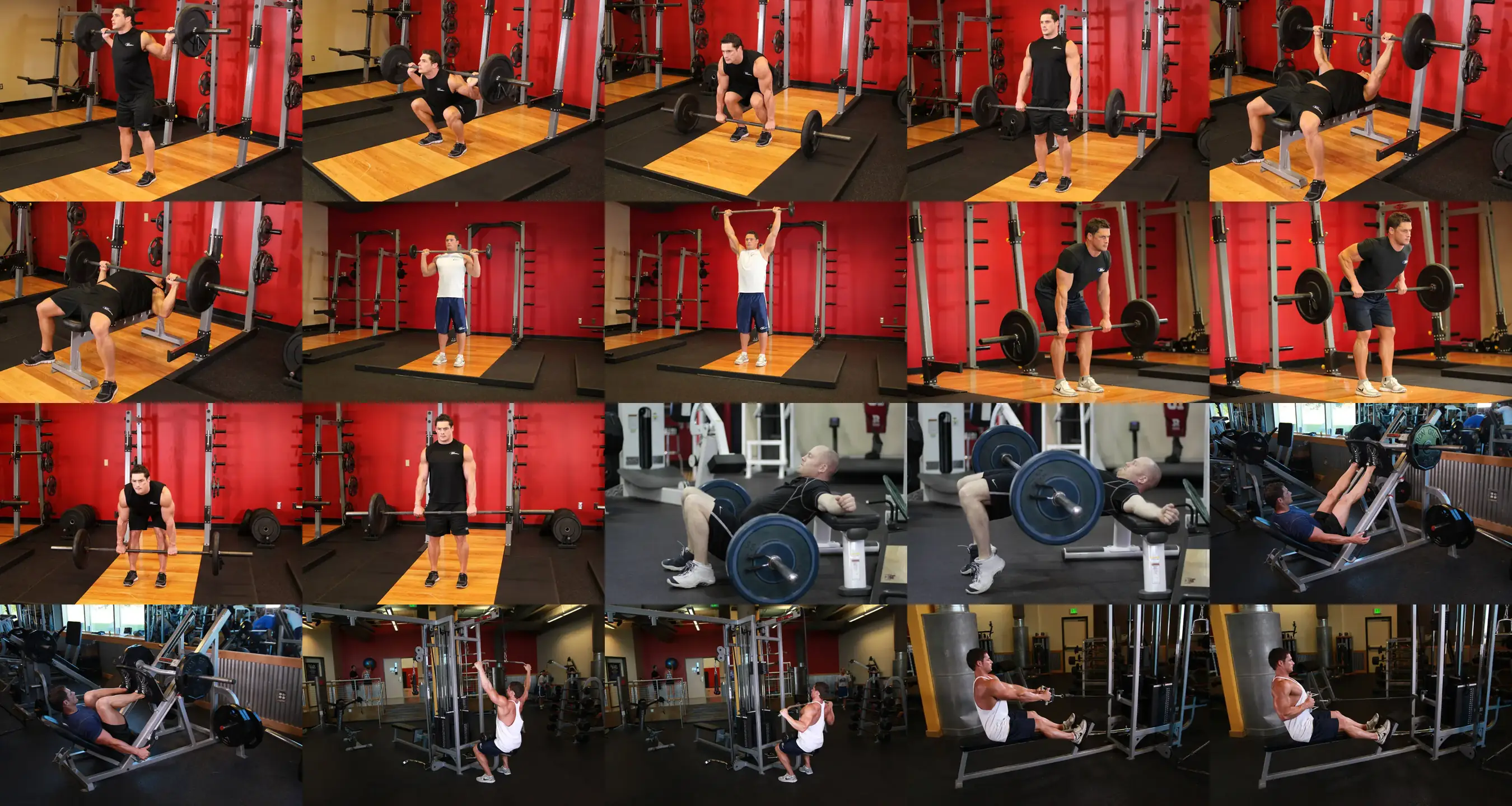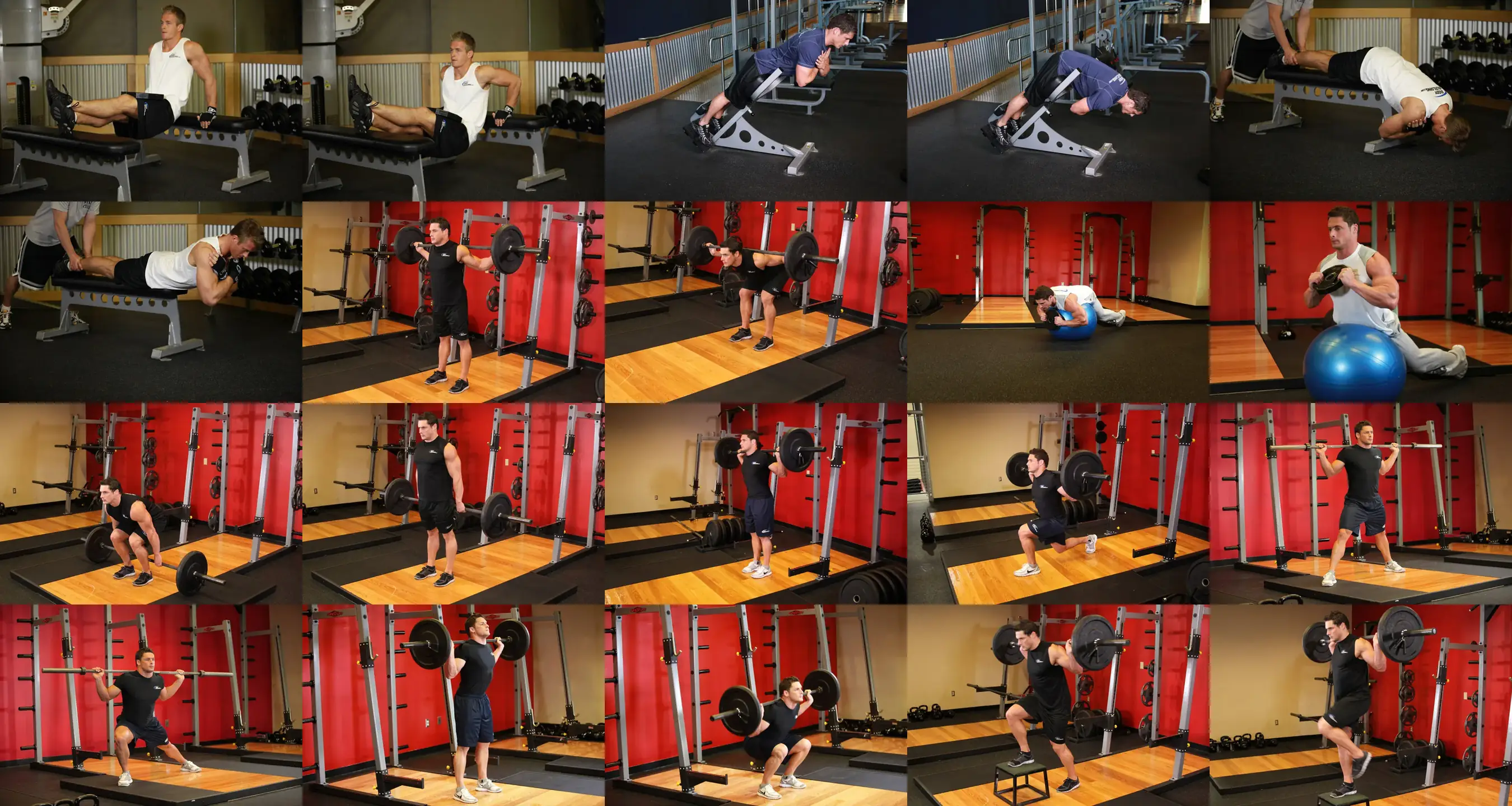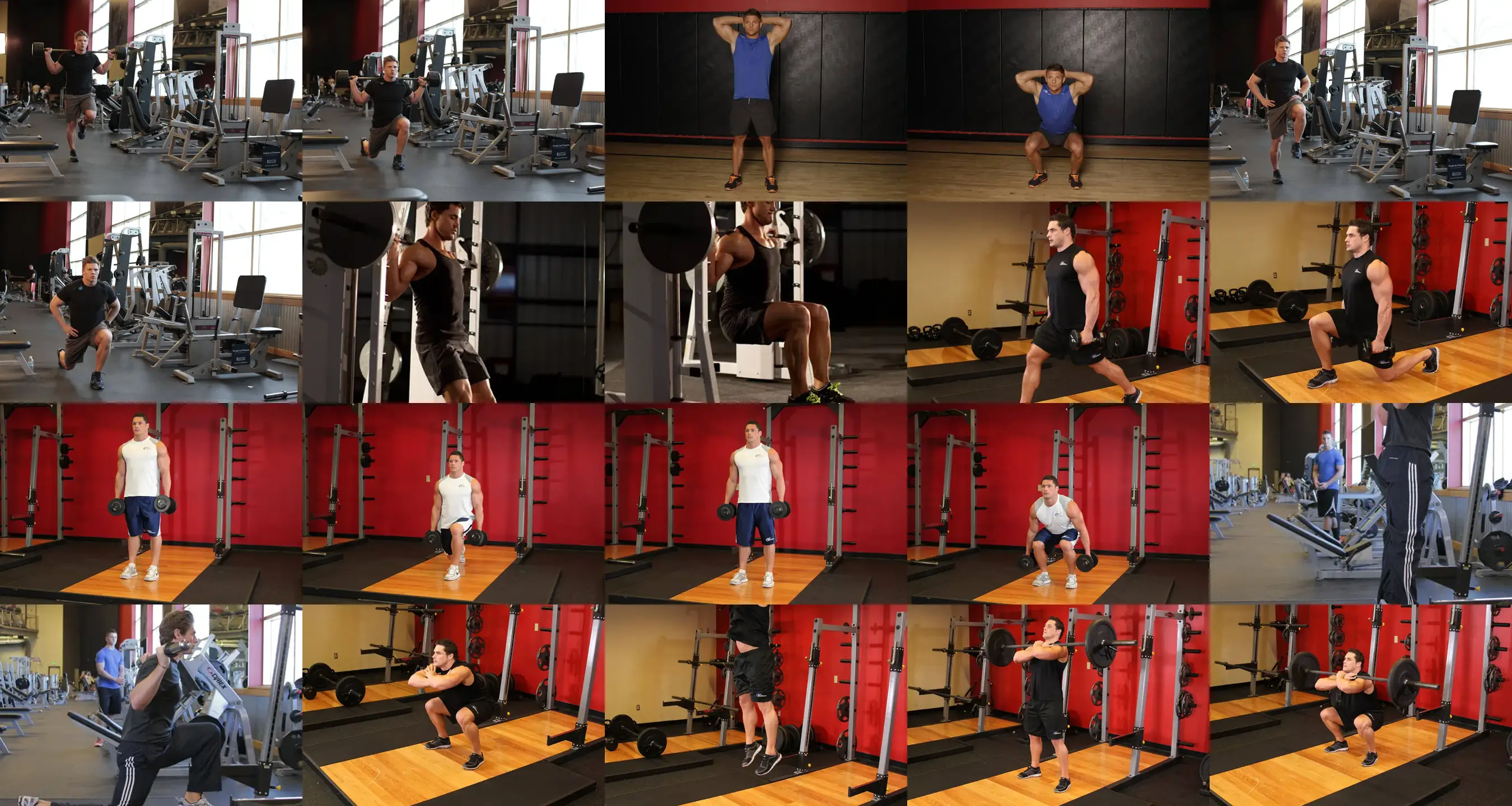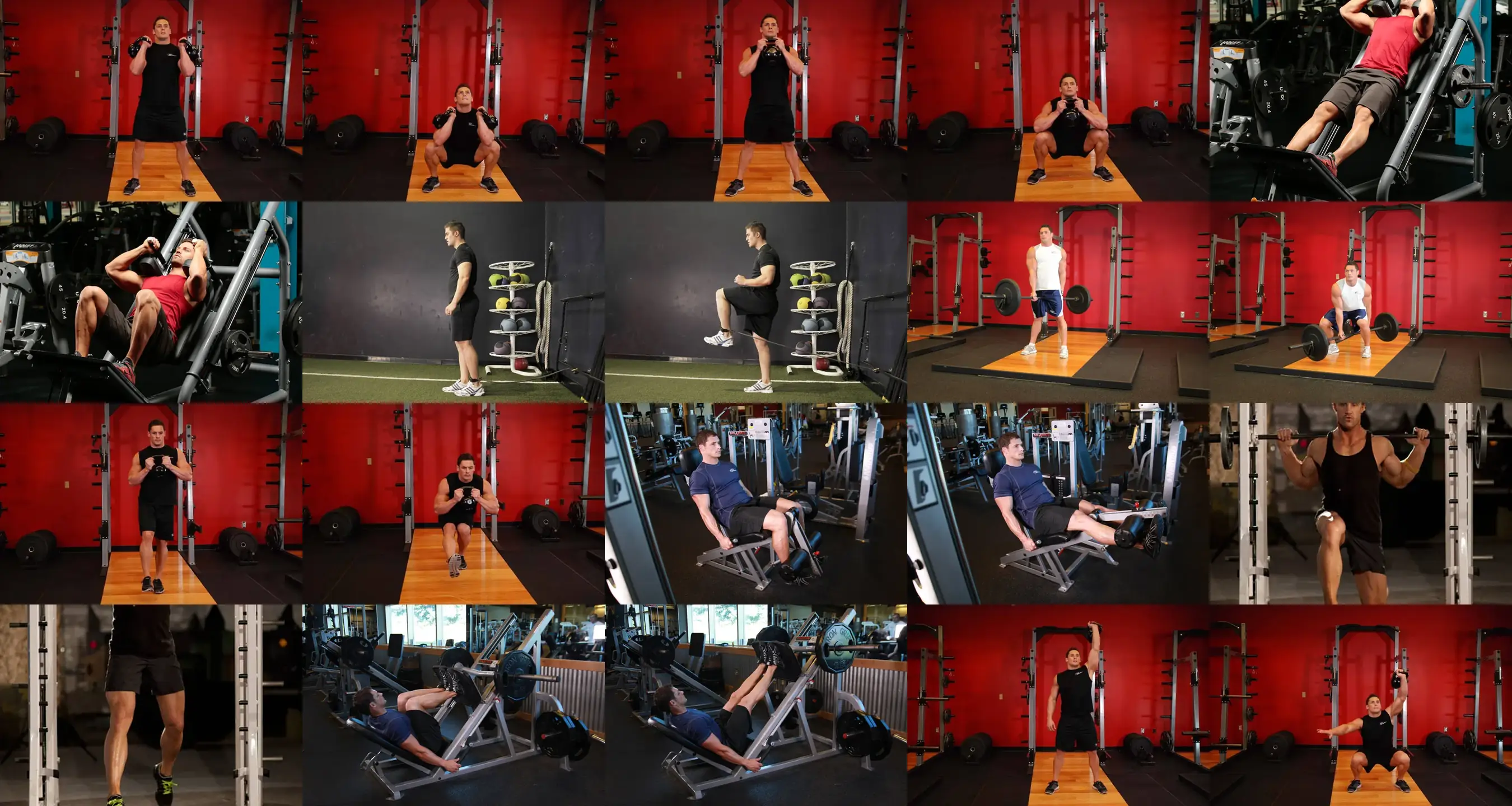
Setup and loading
Adjust the shoulder pads so they sit snug and place your feet hip width apart in the middle of the platform. Choose a weight that lets you lower under control to at least 90 degrees of knee bend for 8 to 12 reps.
How to do the machine hack squat step by step
- Step into the machine with your back and hips flat against the pad and your shoulders locked under the yokes.
- Place your feet hip width apart, in the middle or slightly lower on the platform if you want more quad focus.
- Straighten your legs to unrack the weight and release the safety handles at your sides.
- Inhale and lower slowly by bending your knees, letting them travel forward in line with your toes.
- Go as deep as you can while your lower back stays on the pad, ideally thighs parallel or below.
- Drive through your whole foot to stand up and exhale near the top without slamming your knees straight.
Form cues
- Lower back and hips glued to the pad
- Heels down, push through your whole foot
- Knees track in the same line as toes
- Take two to three seconds on every descent
Common mistakes
- Hips peeling off the pad at the bottom: your lower back rounds; limit depth to what you control.
- Heels lifting: it overloads your knees; move your feet higher on the platform or reduce the weight.
- Bouncing out of the hole: you use momentum and lose tension; pause briefly before driving up.
- Hard lockout at the top: it adds joint stress; stop just short of full knee extension.
How to make it easier or harder
If you are not ready for the machine, start with the leg press or a light goblet squat. To progress, add bottom pauses, four-second lowering tempos or try the reverse hack squat facing the pad for more glute work.
Sets and reps for your goal
Hypertrophy
3-4 x 8-12 · rest 60-90 s3-4 sets of 6-12 reps (up to 15-20 on isolation exercises) at 65-80% of your max. Rest 1 to 2 minutes.
Get close to failure (0-3 reps in reserve) and control the lowering for 2-3 seconds. Accumulate 10-20 sets per muscle per week.
Max Strength
4-5 x 3-6 · rest 2-3 min3-6 sets of 1-6 reps at 80-90% of your max (1RM). Rest 2 to 5 minutes.
Leave 1-3 reps in reserve. If your technique breaks down, lower the weight: strength is built with good reps.
A guide for healthy adults. Adjust the load to your level and see a professional if you have an injury.
Check your form
Film yourself from the side or ask someone to watch, then tick what you get right.
Frequently asked questions
Is the hack squat bad for your knees?
Not by itself. With a depth you control, heels flat and a sensible load, most knees handle it well. If you feel pain, raise your feet on the platform and shorten the range while you build strength.
What is the difference between a hack squat and a leg press?
On the hack squat you stand against an angled back pad and the load comes down onto you, demanding more quads and trunk stability. On the leg press you sit and push the sled away, with more hip bend and glute involvement.