8 weeks · 2 sessions/wk
Strength for triathletes
General strength that protects you across all three disciplines, in short 45-minute sessions that fit busy weeks.
€19.99See program
Buy · €19.99Sport
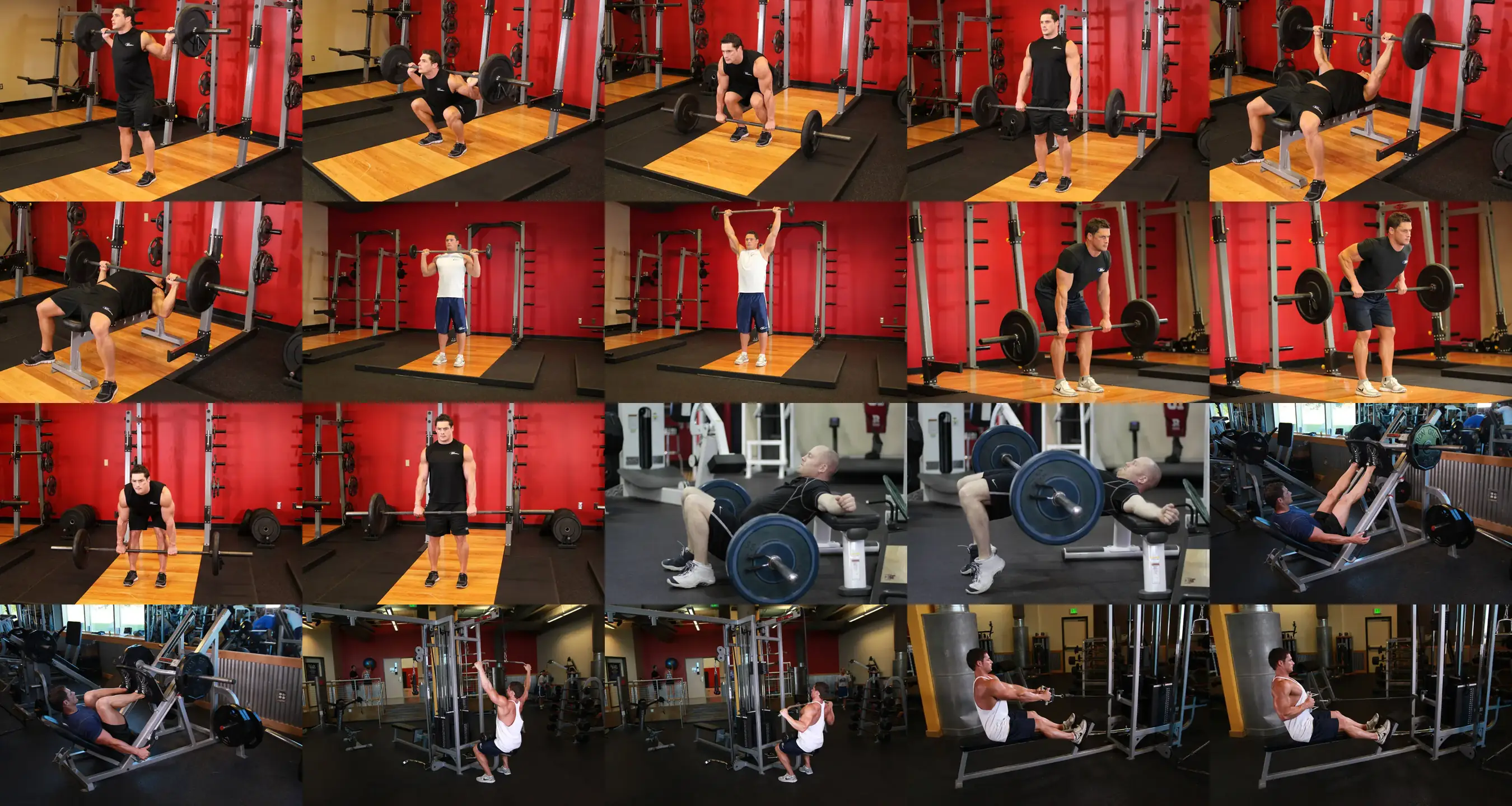
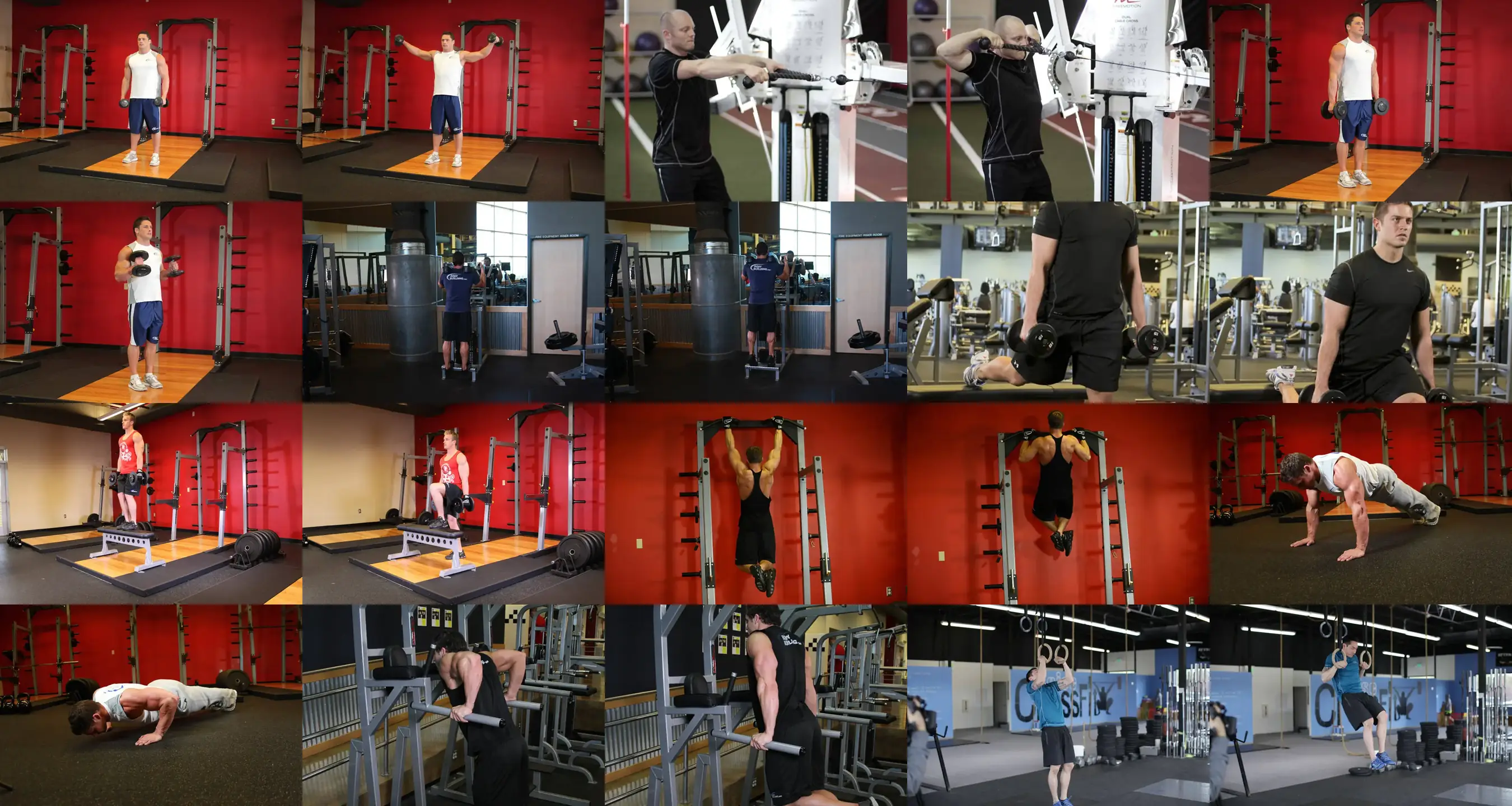
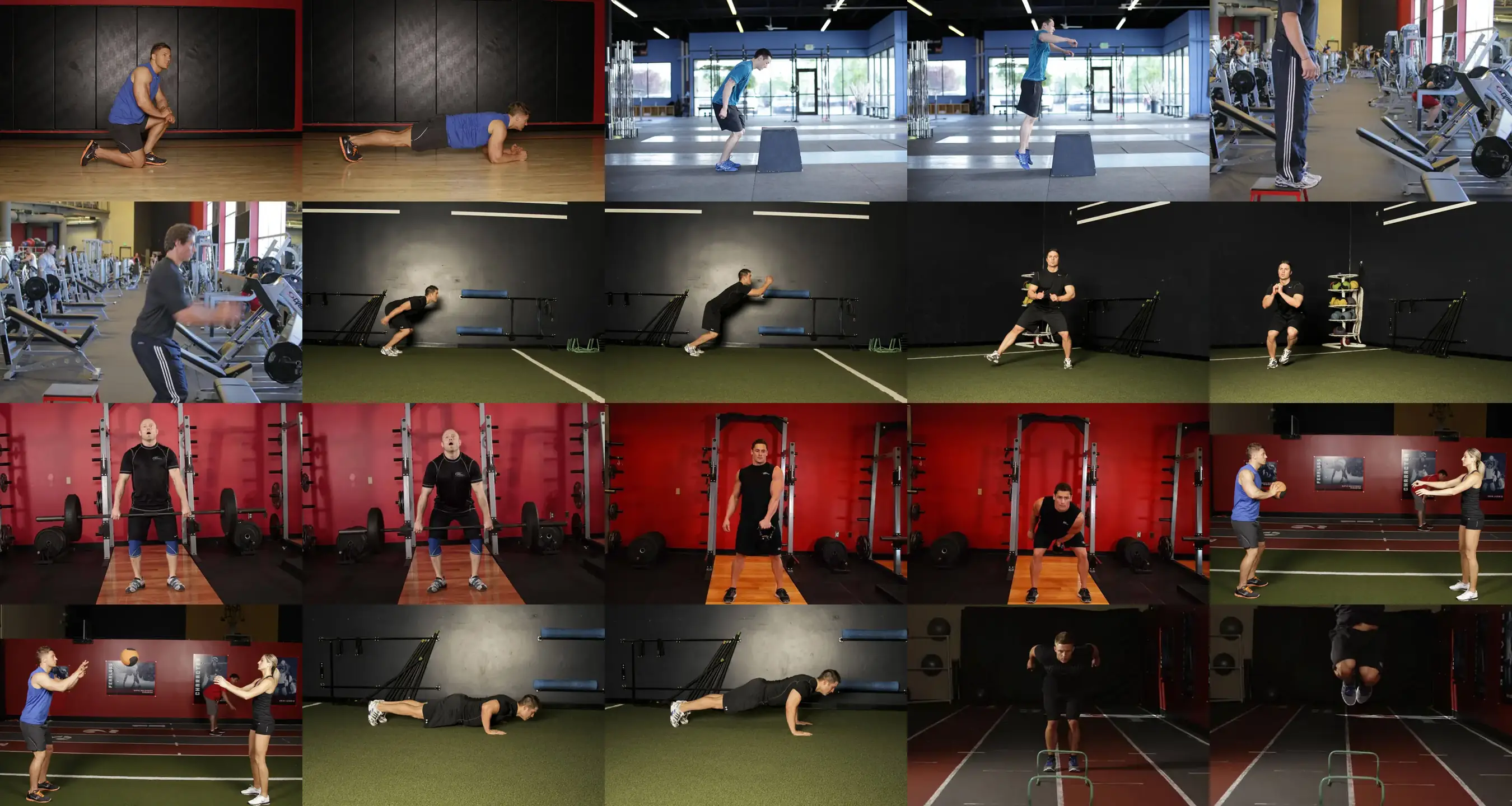
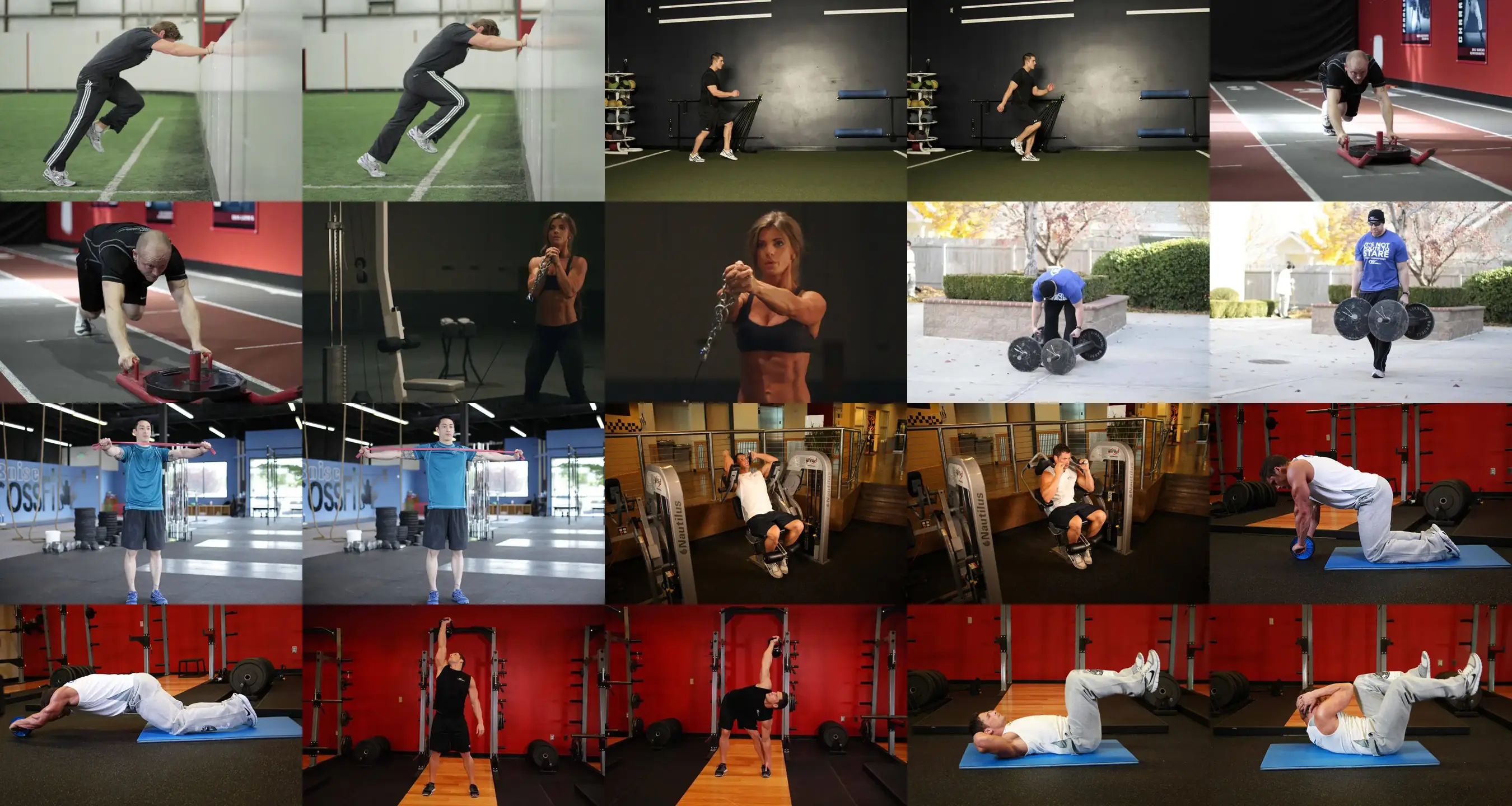
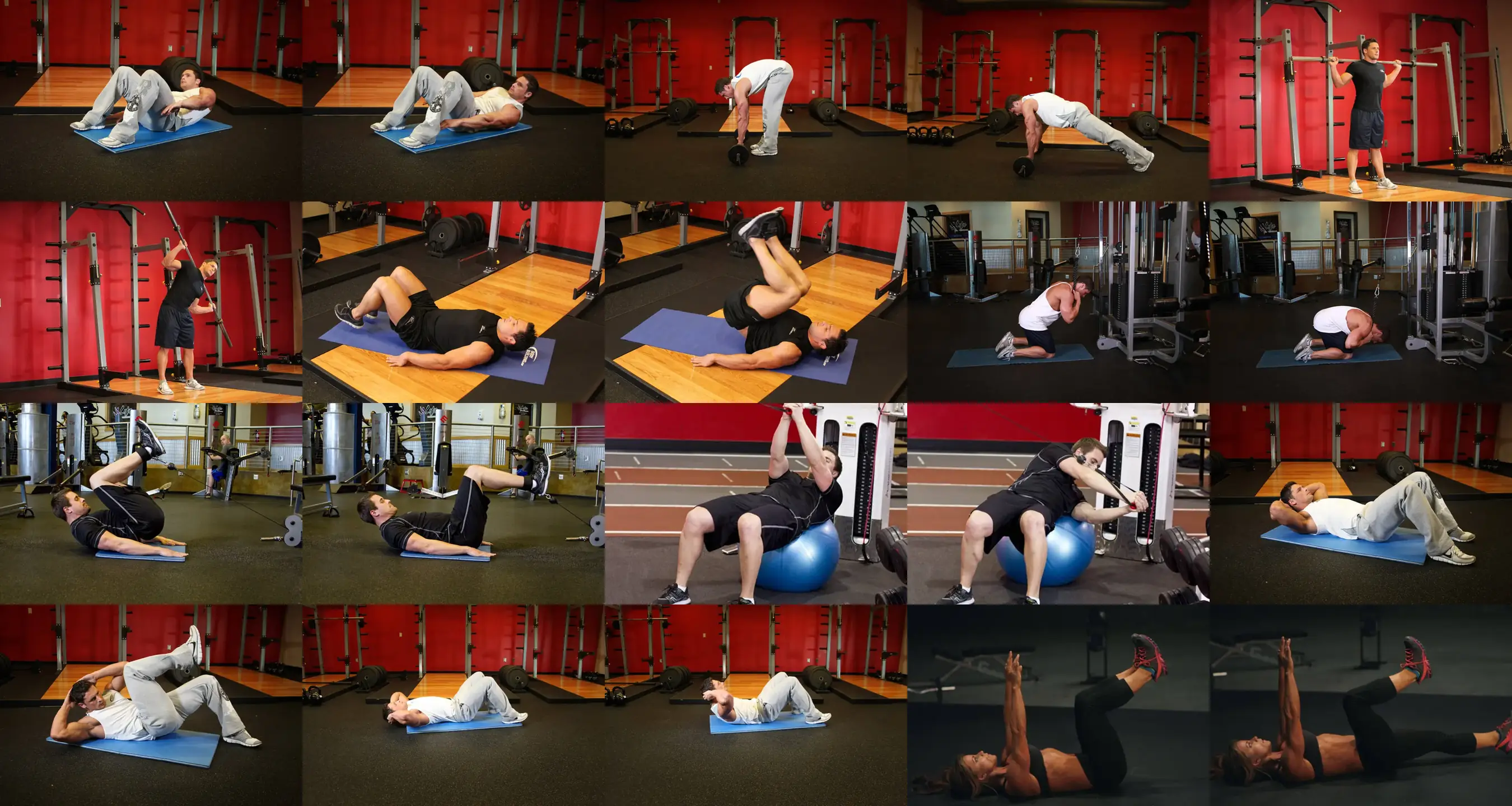
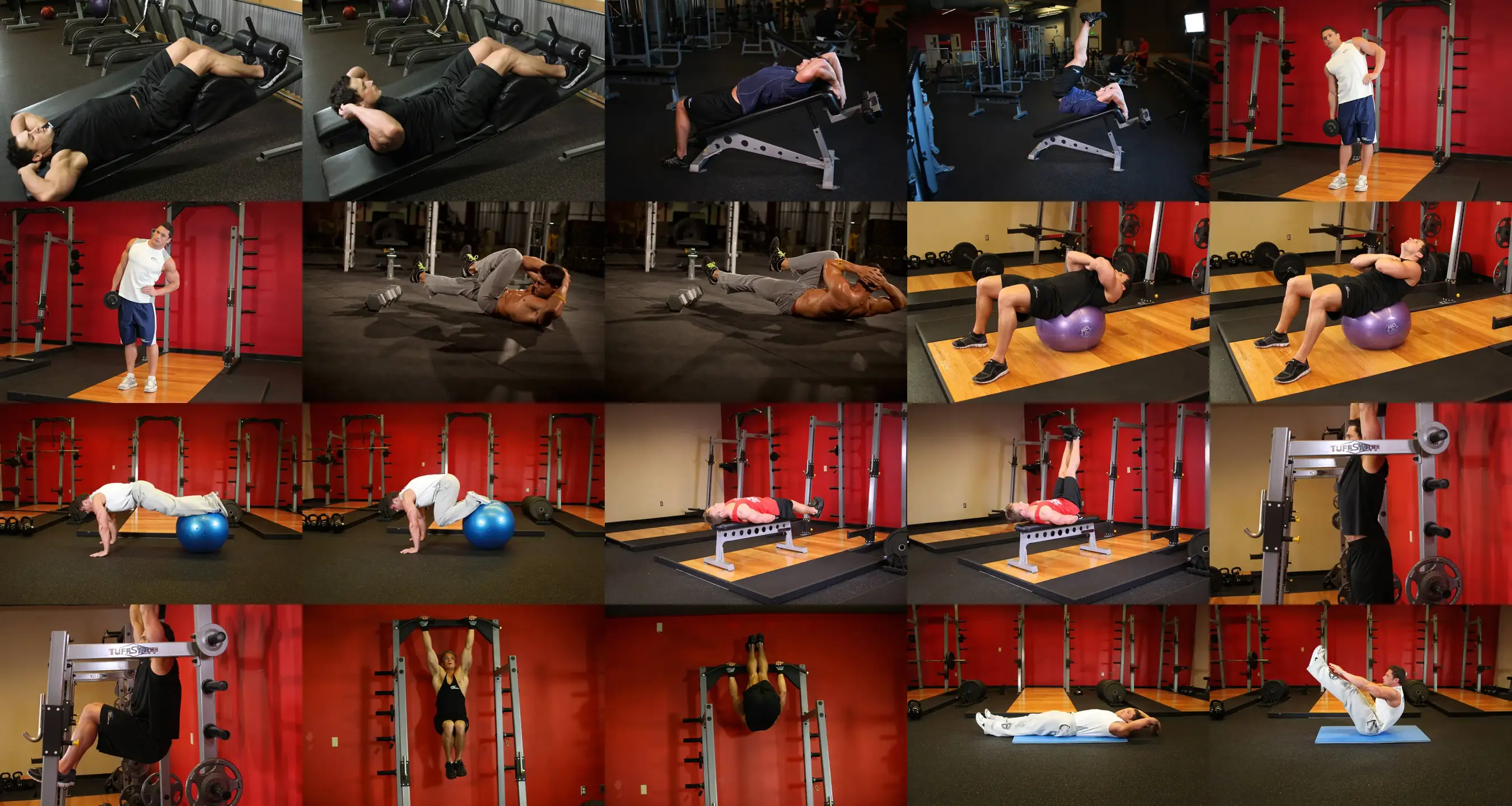
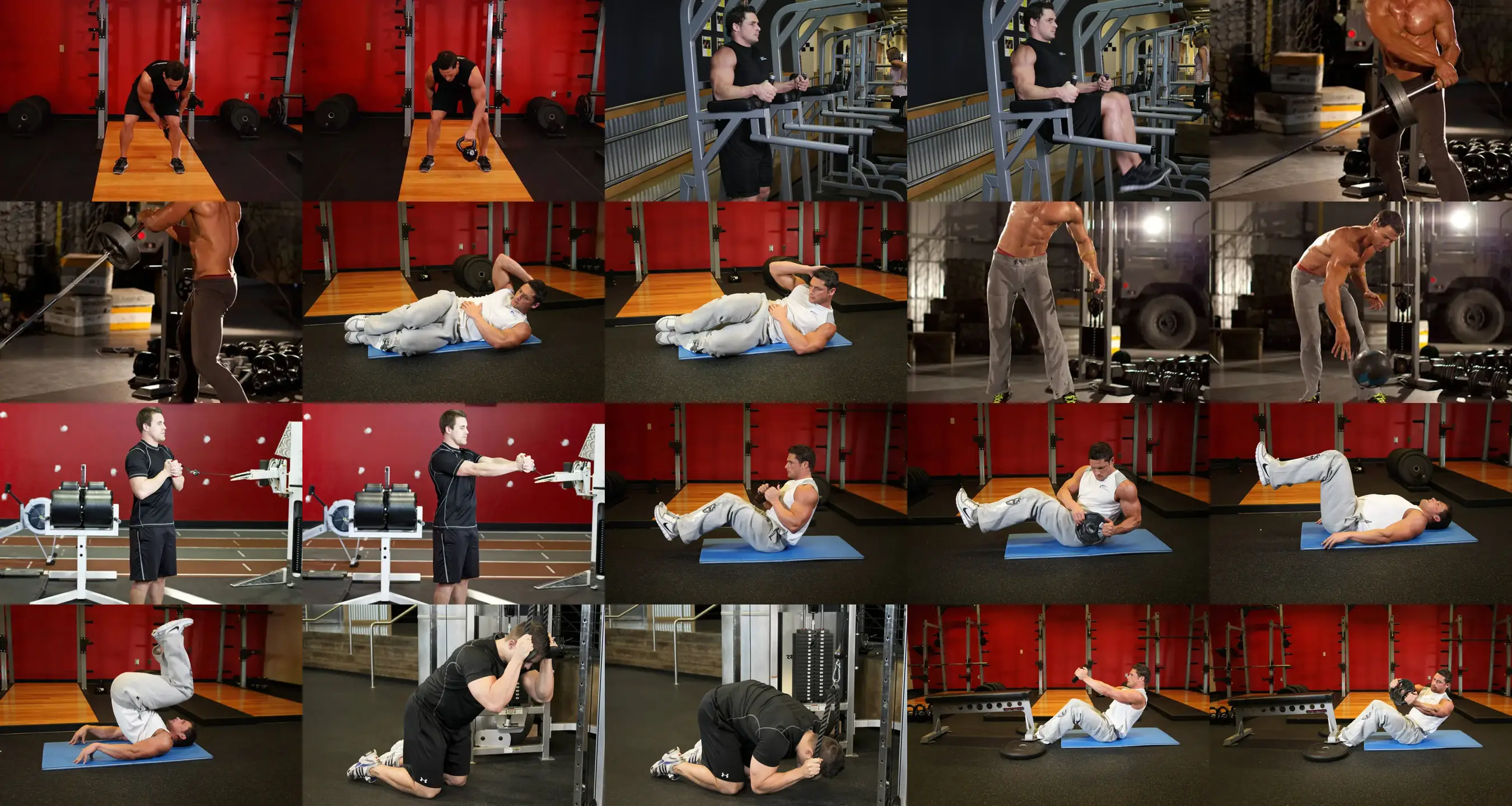
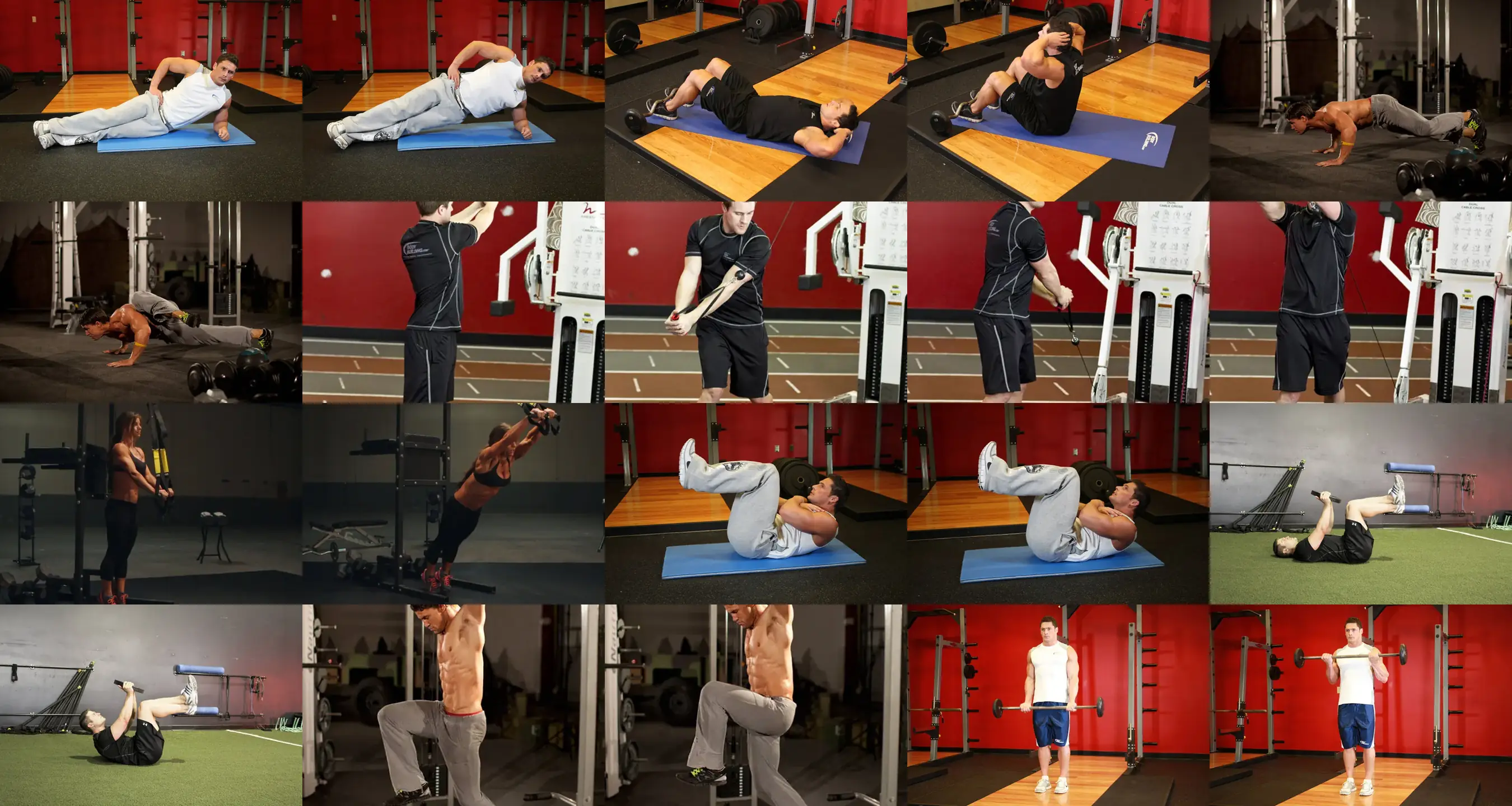
General strength that protects you across all three disciplines. Here are the 90 exercises that help you most, sorted by goal.
Triathlon combines swimming, cycling, and running, and each discipline loads your body differently. With so many hours of aerobic training, strength work in the gym is often the missing piece for better performance, more durable tendons, and fewer overuse injuries across a long season.
Paid program · 8 weeks
General strength that protects you across all three disciplines, in short 45-minute sessions that fit busy weeks.
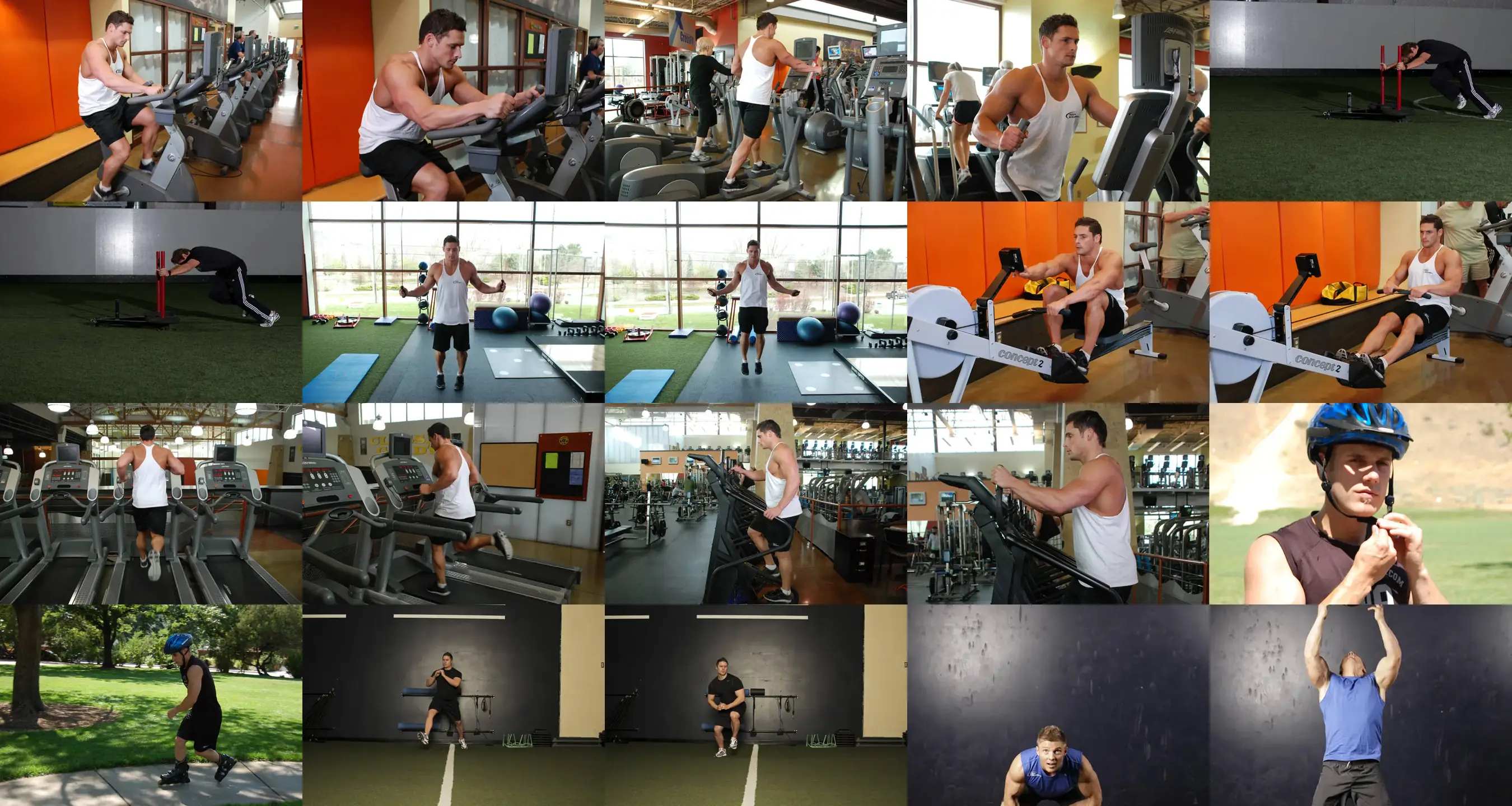
Triathletes need a very high aerobic capacity and efficiency in three different movements: the swim pull, the pedal stroke, and the running stride. That calls for strong, stable shoulders, durable legs with good single leg strength, calves and tendons that can handle running after hours on the bike, and a core that holds posture as fatigue sets in. Managing energy and recovery between disciplines matters as much as fitness.
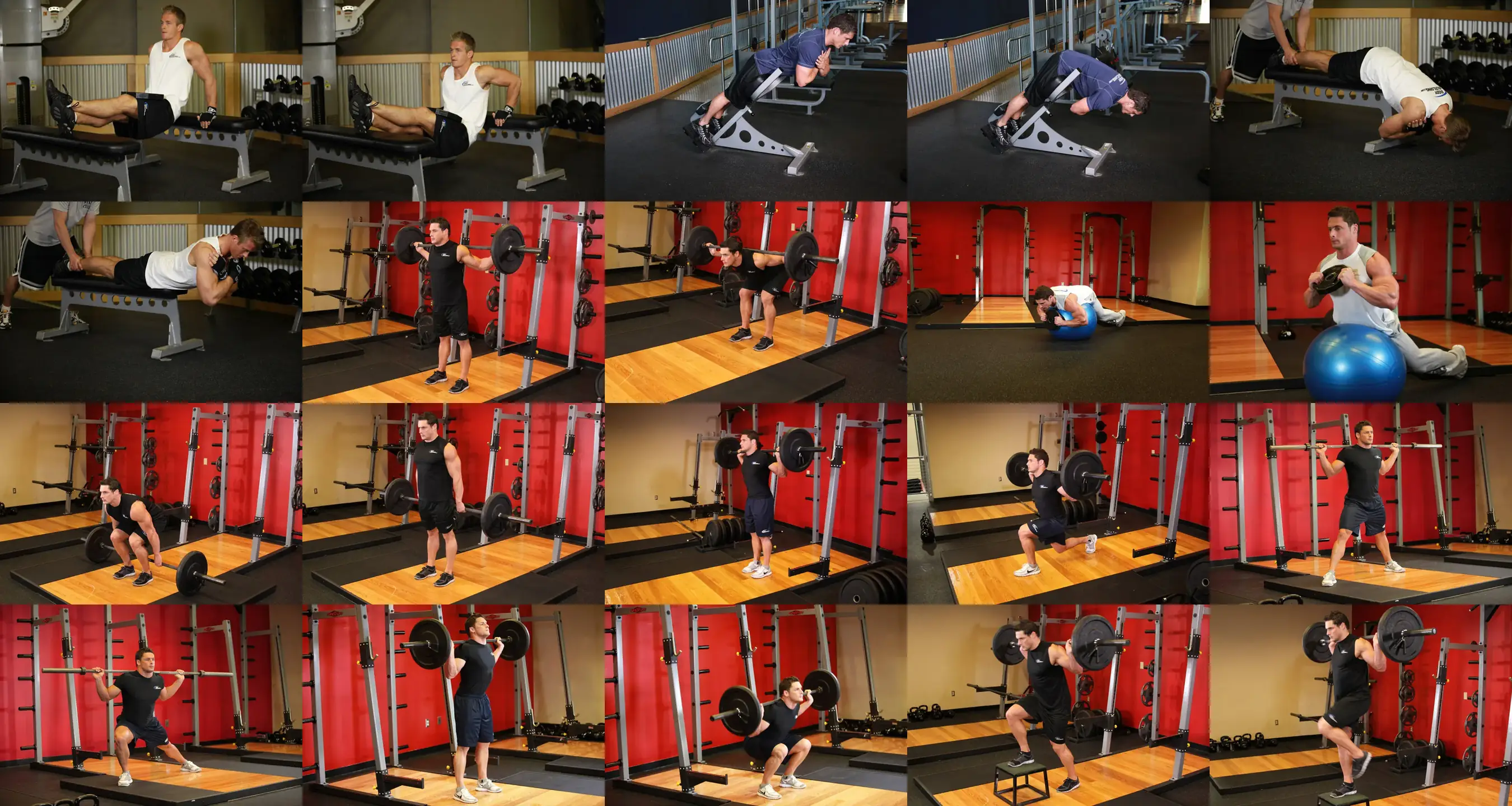
With limited time, two 30 to 45 minute sessions a week are enough. Focus on high payoff exercises: squats or Bulgarian split squats, Romanian deadlifts, calf raises, pull-ups or rows, and core work. In the winter, use heavy loads and low reps to build strength. During race weeks, keep one short session. Place strength work after easy sessions and away from key workouts in each discipline.
Most triathlon injuries come from overuse and show up in running: Achilles tendinopathy, runner's knee, IT band problems, and stress fractures. The shoulder also takes a hit from swim volume. Increase total training load gradually, since stacking three sports makes load spikes easy. Strengthen your calves, glutes, and shoulder external rotators, sleep enough, and make sure you eat enough to cover your energy needs.
Two days a week is usually enough and fits alongside swim, bike, and run volume. During race weeks, one short maintenance session is plenty to hold onto your strength without carrying extra fatigue into the start line.
Yes. Heavy strength work improves running and cycling economy, helps you hold good technique late in a race, and lowers the risk of overuse injuries that often derail a season of endurance training.
Managing how fast total volume grows, especially running, taking recovery weeks, strengthening your calves and glutes, and getting enough sleep and food. Most injuries come from doing too much, too soon.
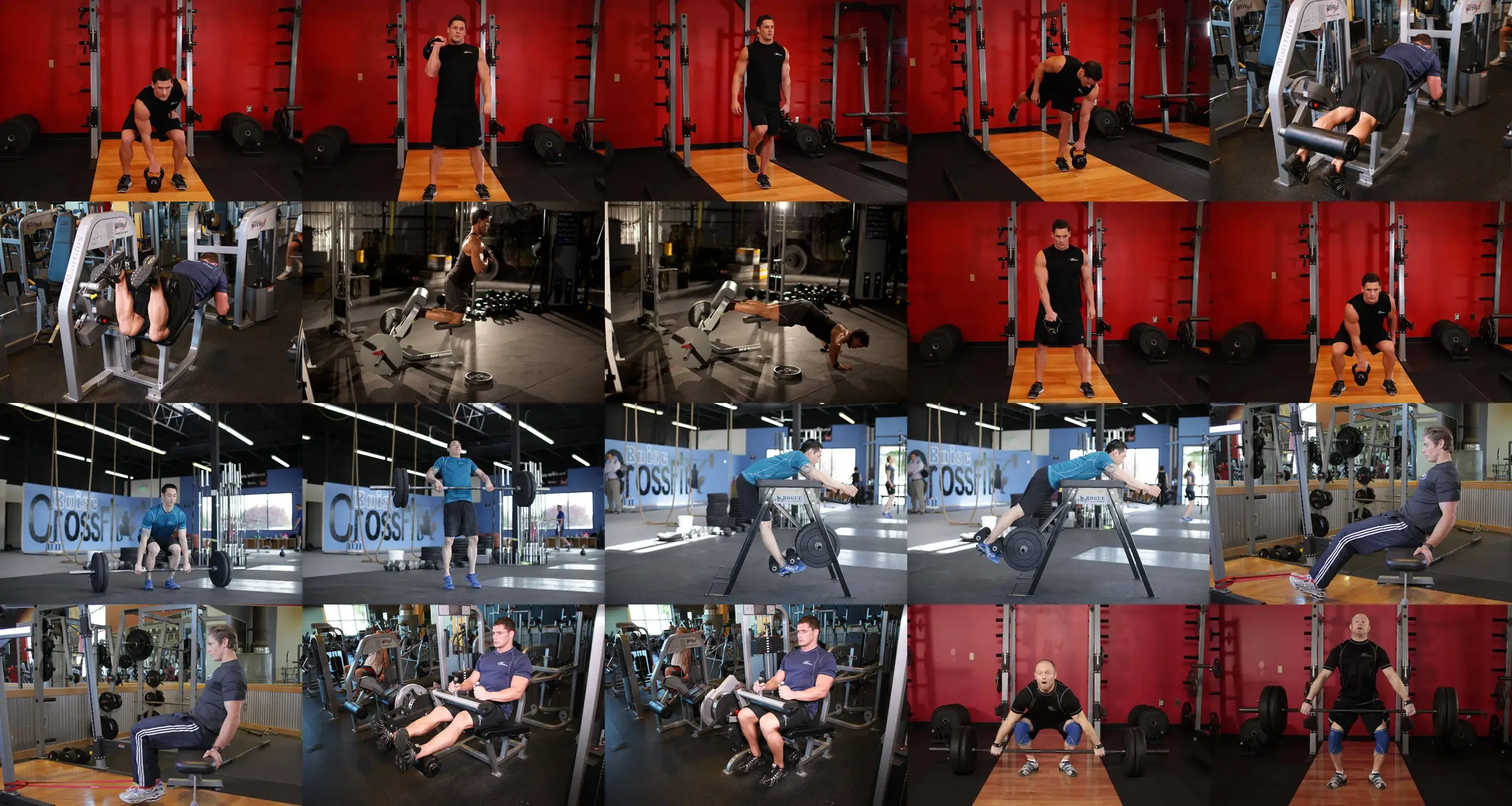
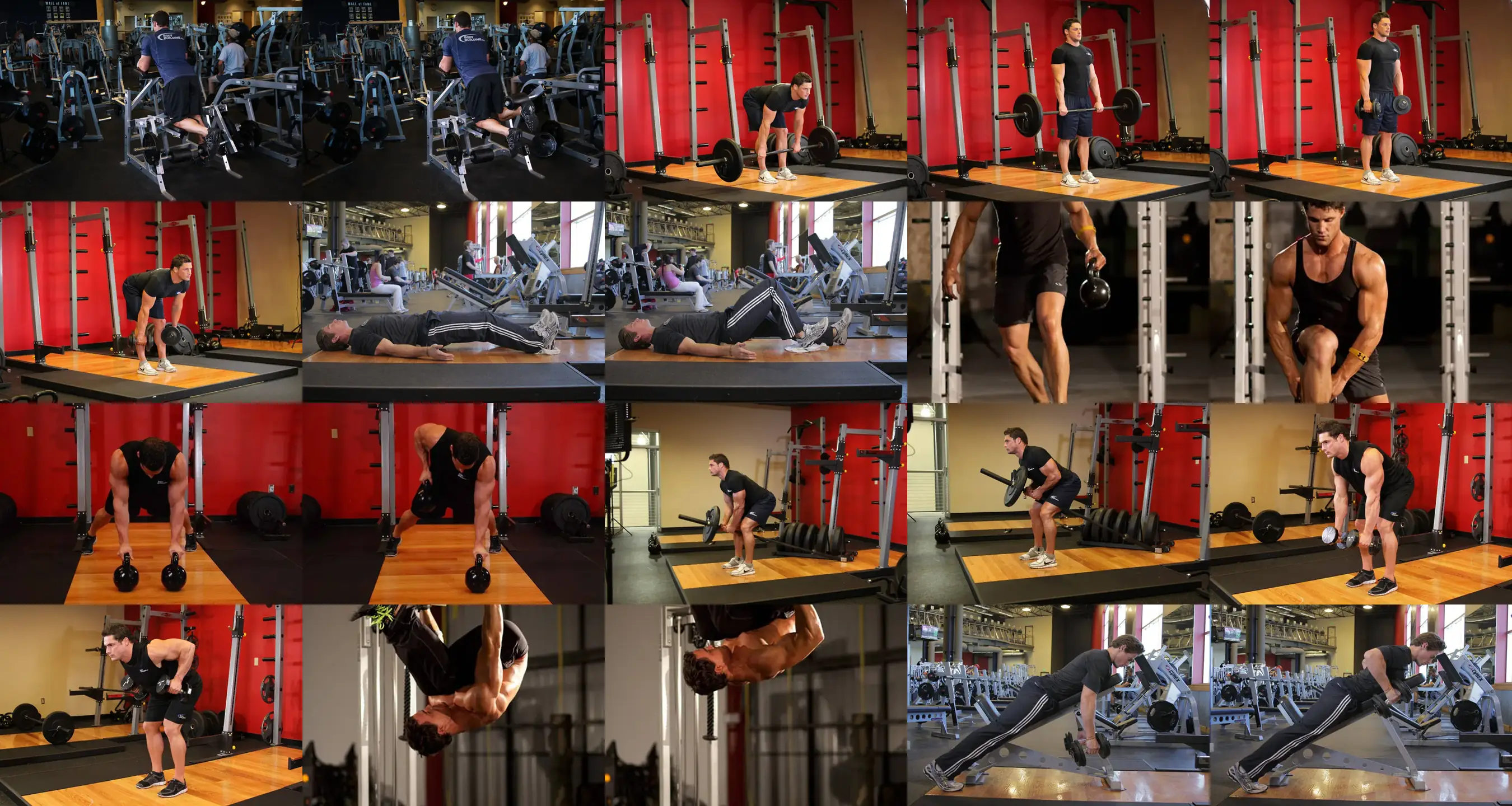
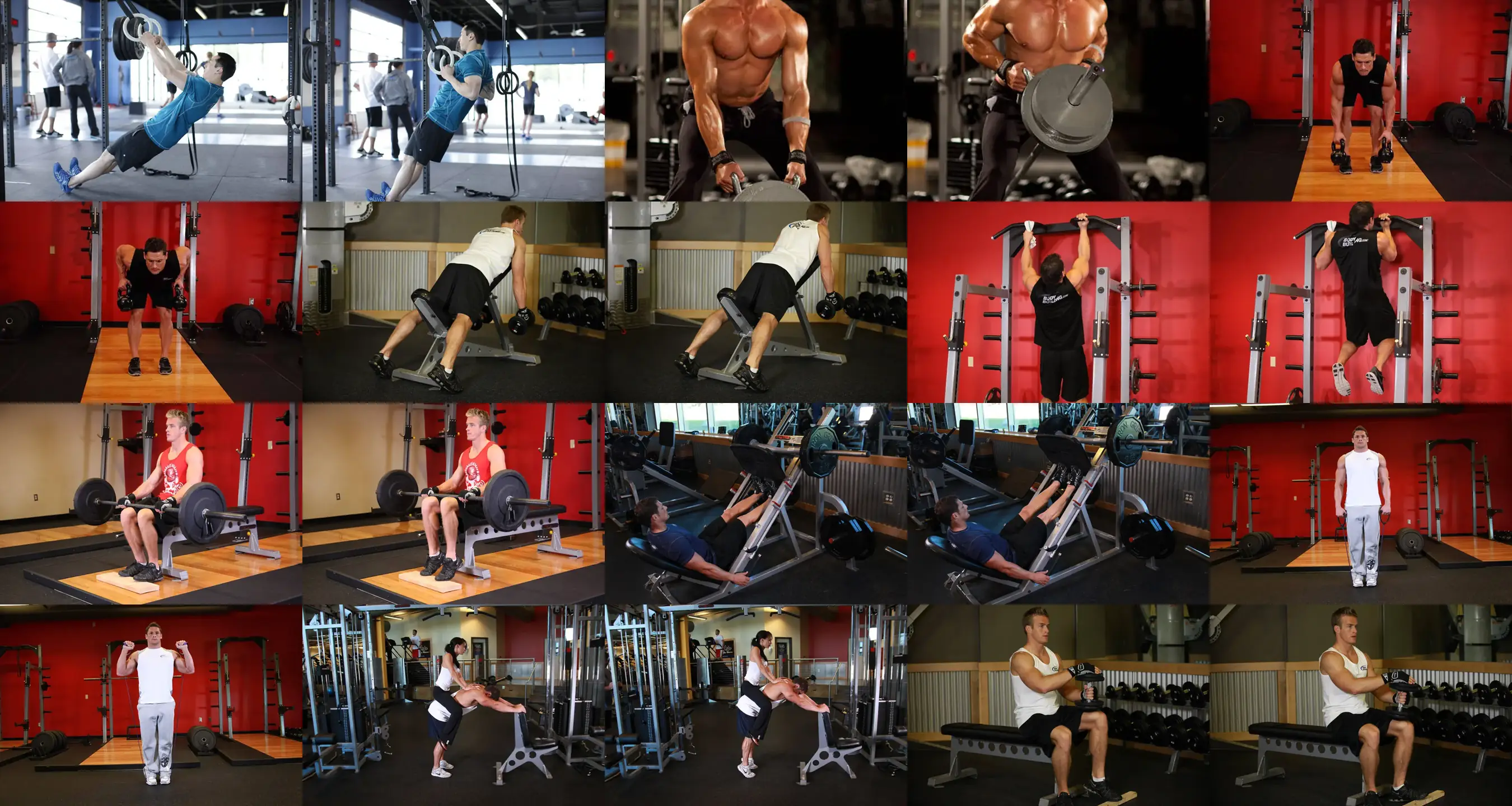
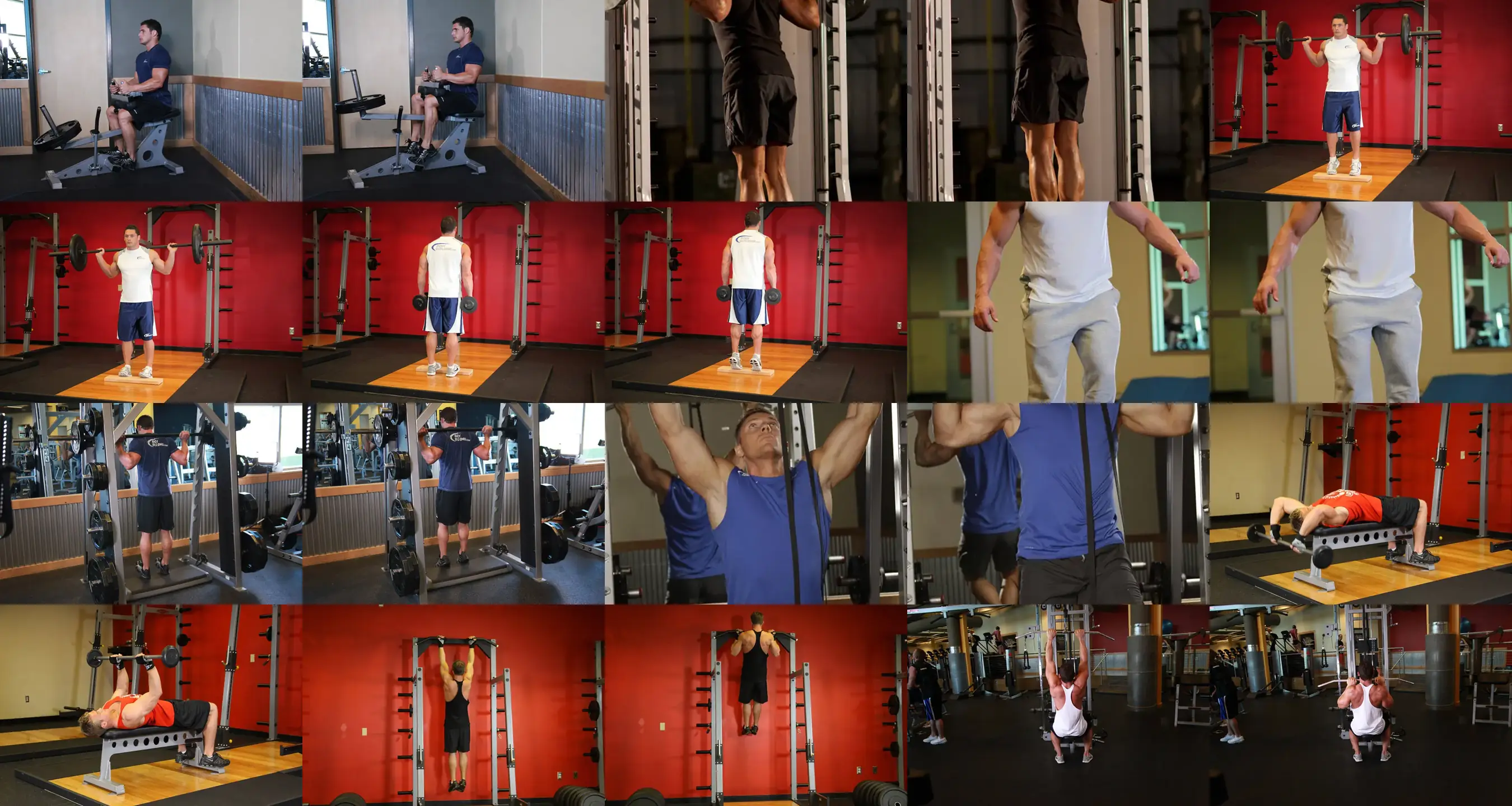
8-week plans with sets, reps and progression, built for your sport. Includes a downloadable PDF.
General strength that protects you across all three disciplines, in short 45-minute sessions that fit busy weeks.
Build muscle with 3 full-body sessions, progressive loading and just enough volume to recover.
Raise your squat, bench press and deadlift numbers with linear progression and a test at the end.