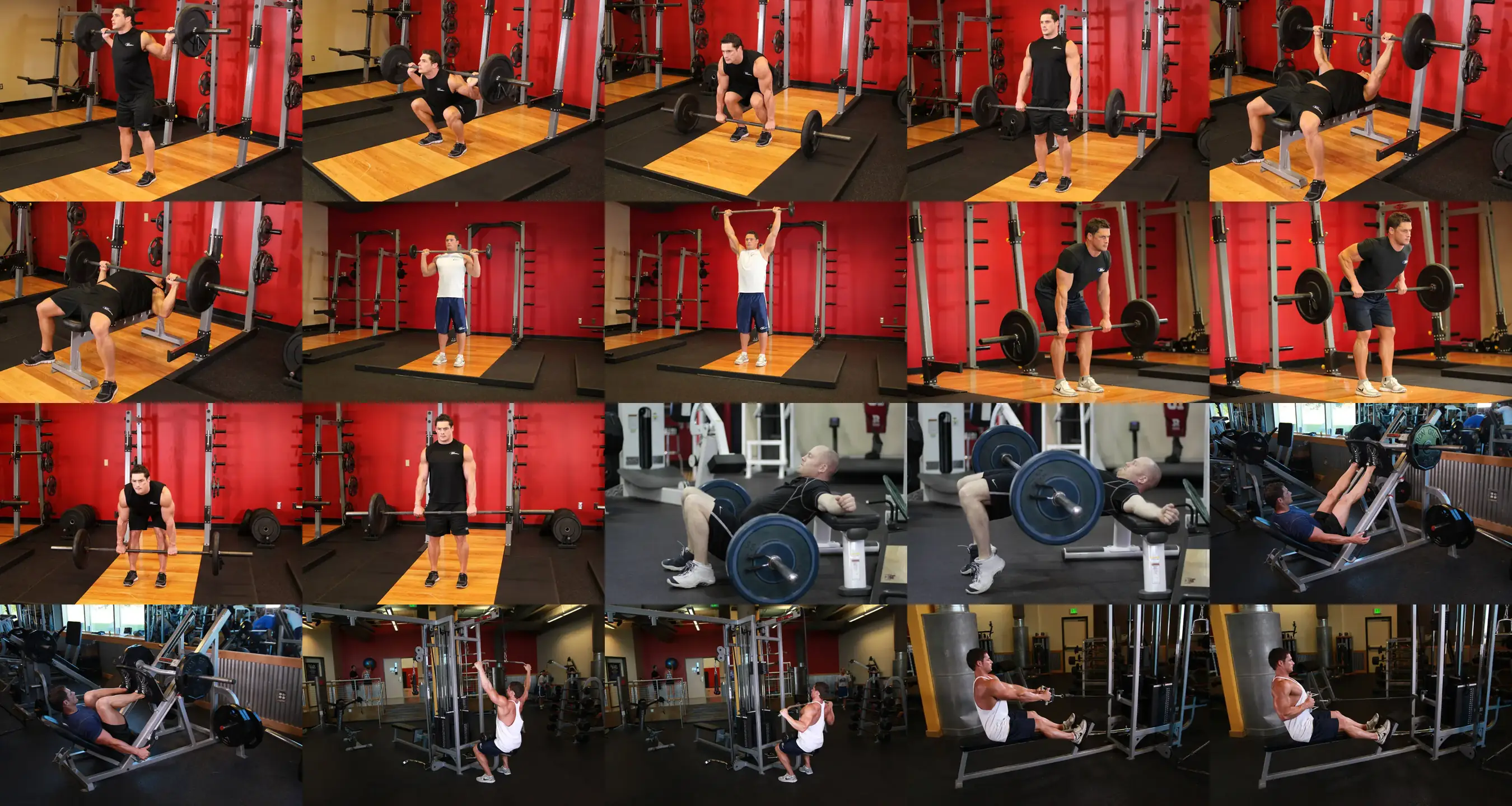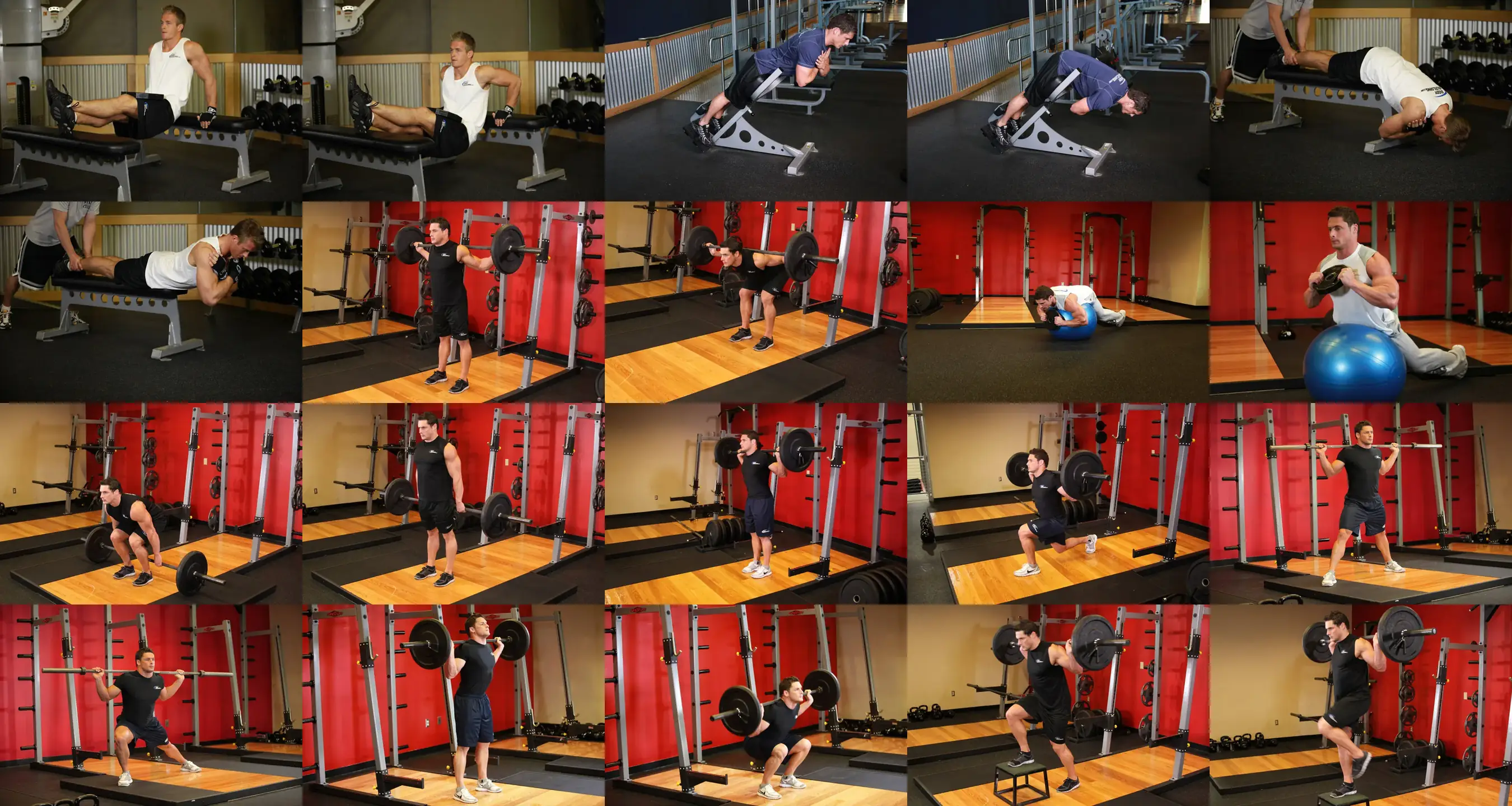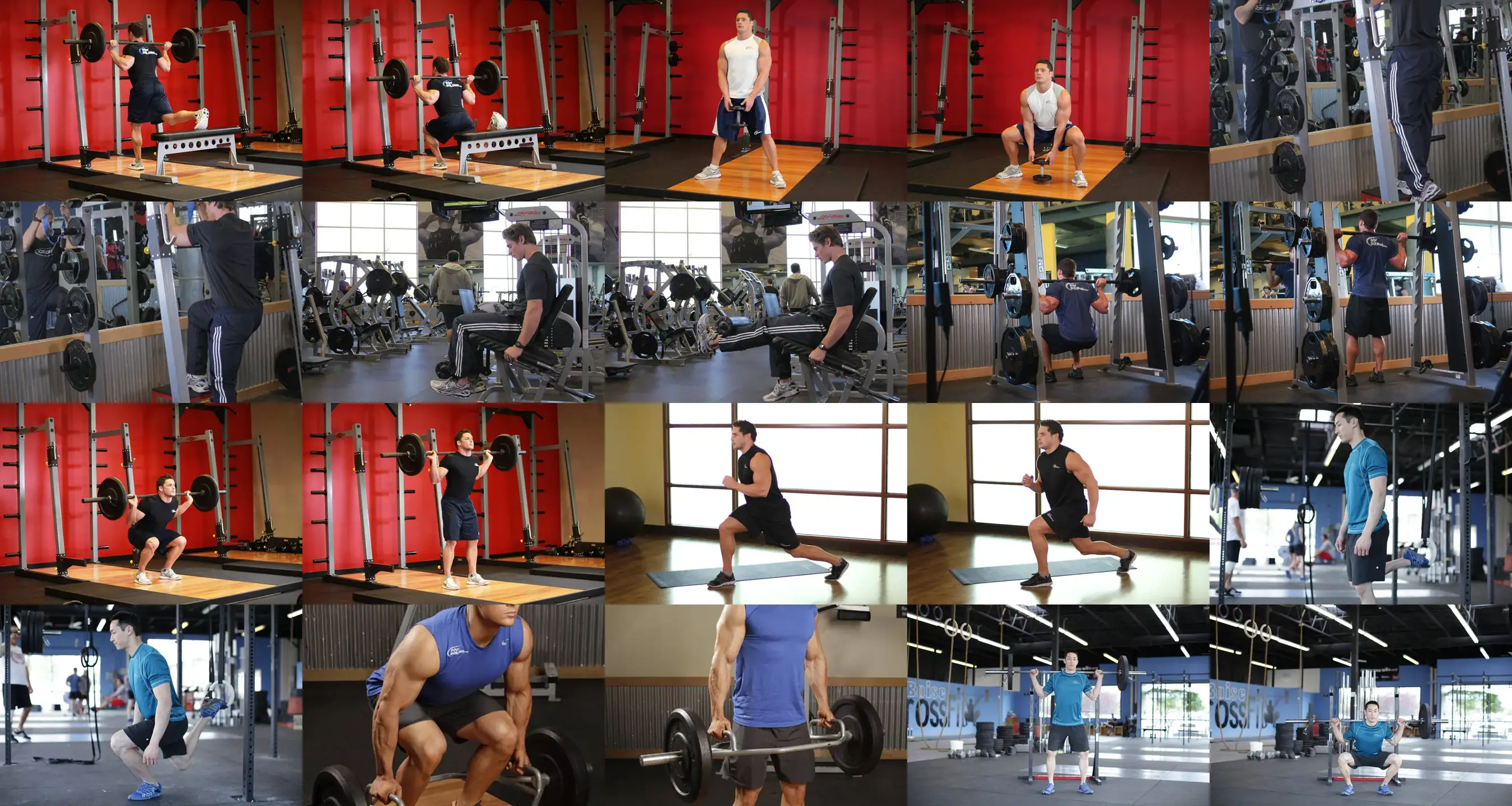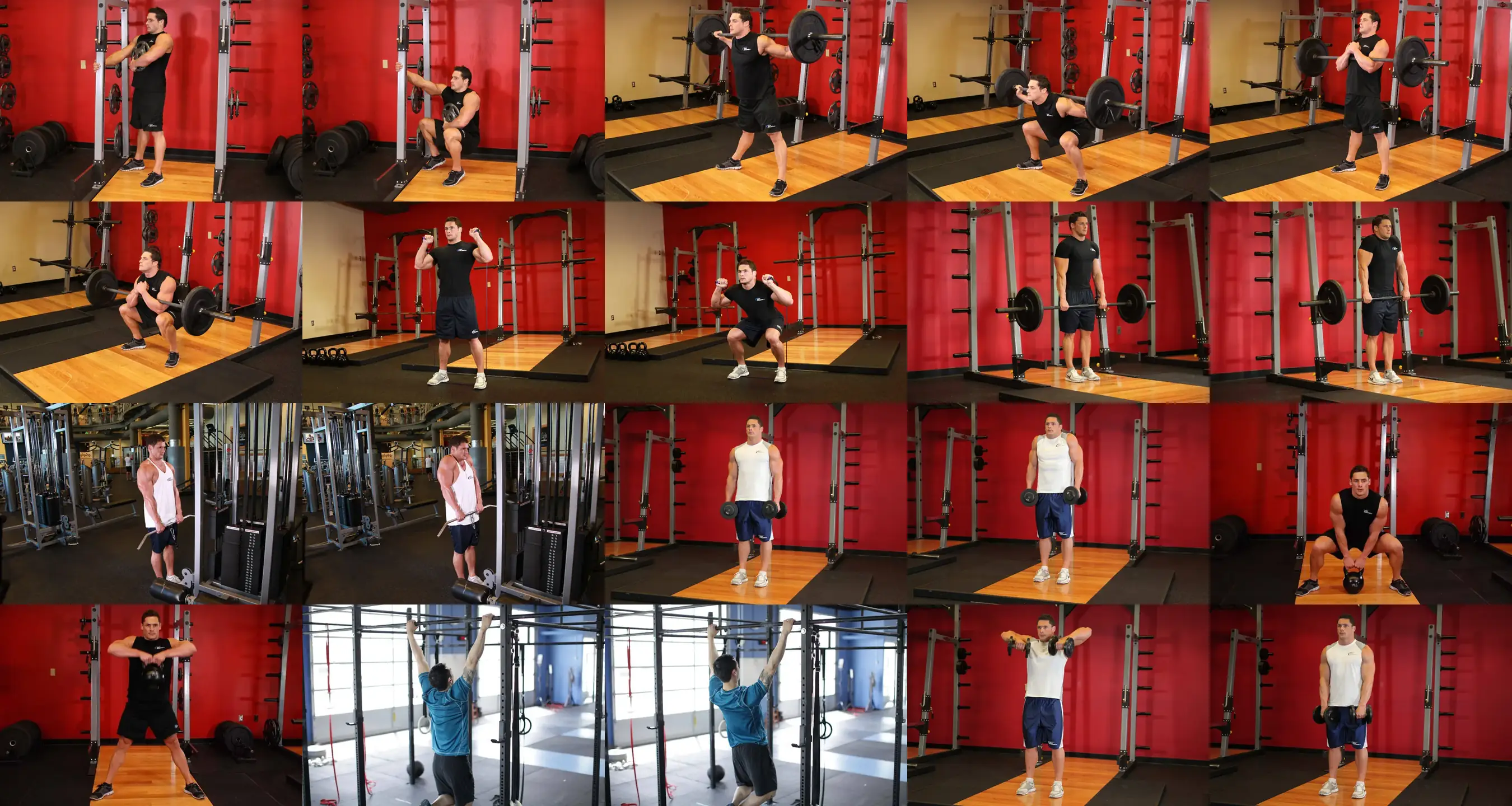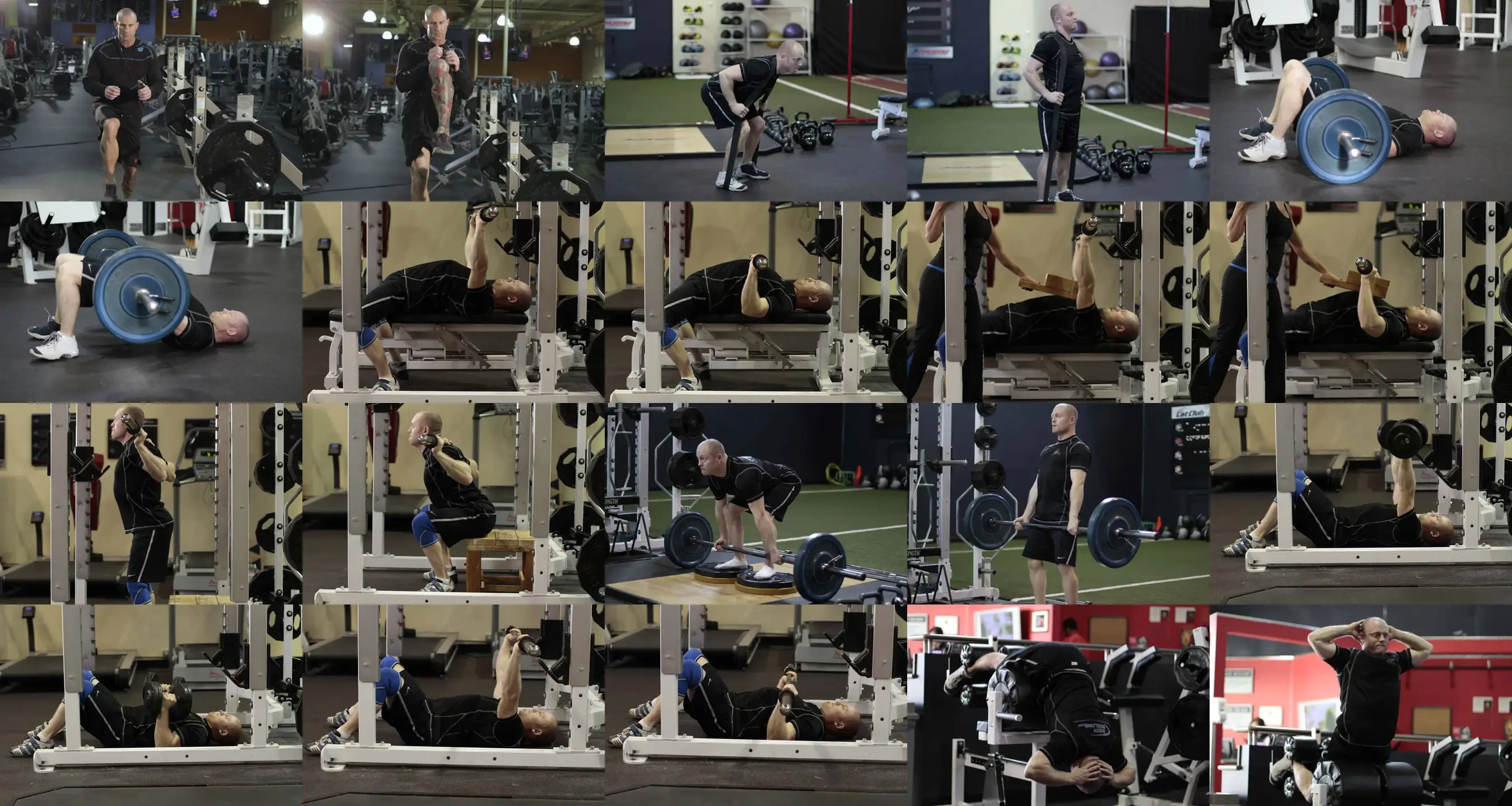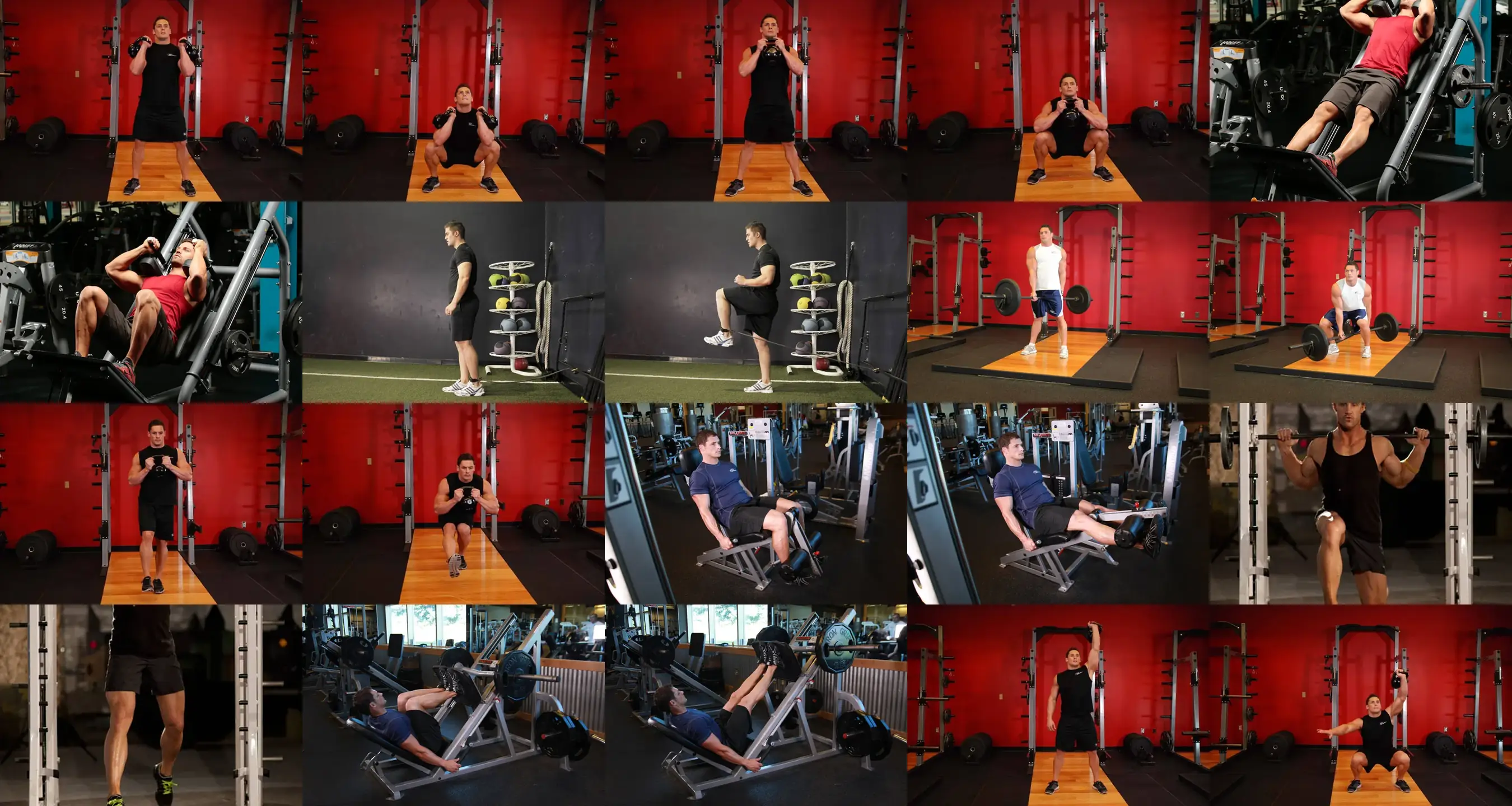
Setup and loading
Set the bar on the floor or low blocks and straddle it with one foot in front and one behind, both turned out slightly. Start light because the stance is unfamiliar, and add weight only once you can keep your torso from twisting.
How to do the jefferson squat step by step
- Straddle the bar so you are centered over it, feet a bit wider than your shoulders and toes turned out.
- Hinge down with a neutral spine and grab the bar with one hand in front of your body and one behind, both centered.
- Inhale, brace your abs and lift your chest so your spine is long before you lift.
- Push the floor away and stand by extending hips and knees together, keeping the bar moving straight up between your legs.
- At the top, squeeze your glutes without thrusting your hips forward and exhale.
- Lower under control until the bar nearly touches the floor, then swap hand and foot positions on your next set.
Form cues
- Keep the bar vertical and right under your center
- Square your shoulders forward and resist any twist
- Knees push out in the direction of your toes
- Arms are long hooks, your legs do the lifting
Common mistakes
- Twisting your torso: it loads your spine in rotation; reduce weight and keep shoulders square.
- Pulling with your arms: it limits load and tires your biceps; keep your arms straight.
- Rounding your back off the floor: it stresses your lower back; lift your chest and brace first.
- Never switching sides: it builds imbalances; swap the front hand and front foot every set.
How to make it easier or harder
To learn the pattern, start with a dumbbell sumo squat or an empty bar. To progress, add load gradually, use a pause near the bottom or stand on low plates to increase the range of motion.
Sets and reps for your goal
Hypertrophy
3-4 x 8-12 · rest 60-90 s3-4 sets of 6-12 reps (up to 15-20 on isolation exercises) at 65-80% of your max. Rest 1 to 2 minutes.
Get close to failure (0-3 reps in reserve) and control the lowering for 2-3 seconds. Accumulate 10-20 sets per muscle per week.
Max Strength
4-5 x 3-6 · rest 2-3 min3-6 sets of 1-6 reps at 80-90% of your max (1RM). Rest 2 to 5 minutes.
Leave 1-3 reps in reserve. If your technique breaks down, lower the weight: strength is built with good reps.
A guide for healthy adults. Adjust the load to your level and see a professional if you have an injury.
Check your form
Film yourself from the side or ask someone to watch, then tick what you get right.
Frequently asked questions
What are the benefits of the Jefferson squat?
It lets you lift fairly heavy without putting a bar on your back, hits your adductors hard and trains your trunk to resist rotation. It is also a useful alternative if conventional deadlifts or back squats feel awkward for you.
Is the Jefferson squat bad for your back?
Not when done with good form and sensible progression. Problems come from twisting or rounding under heavy load. Start light, alternate sides every set and keep your shoulders square to the front throughout each rep.
Sports it suits
Gear for this exercise
- Olympic barbell and platesTo keep progressing on the big lifts with heavy loads.
As an Amazon Associate, Muscle Atlas earns from qualifying purchases.