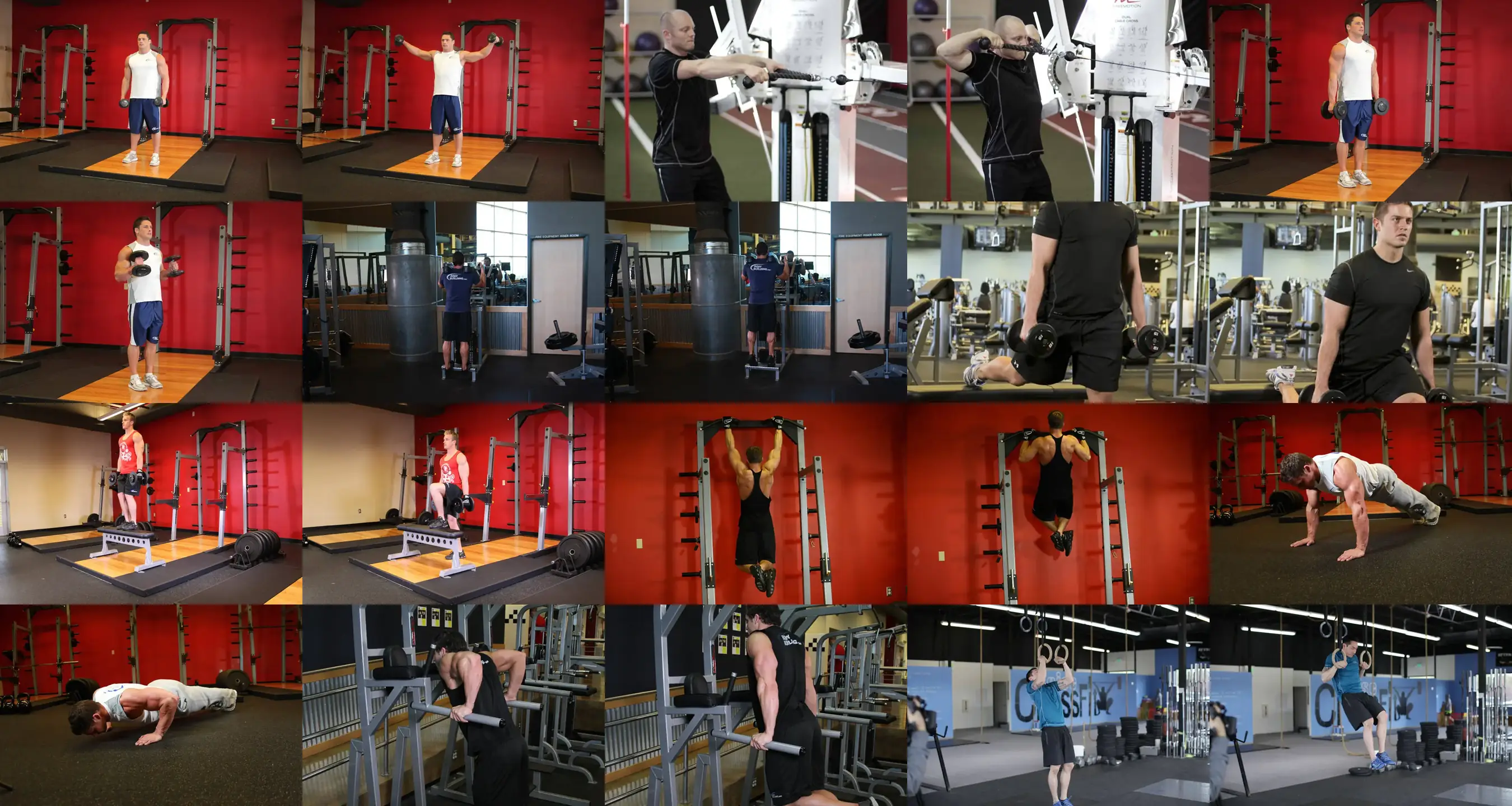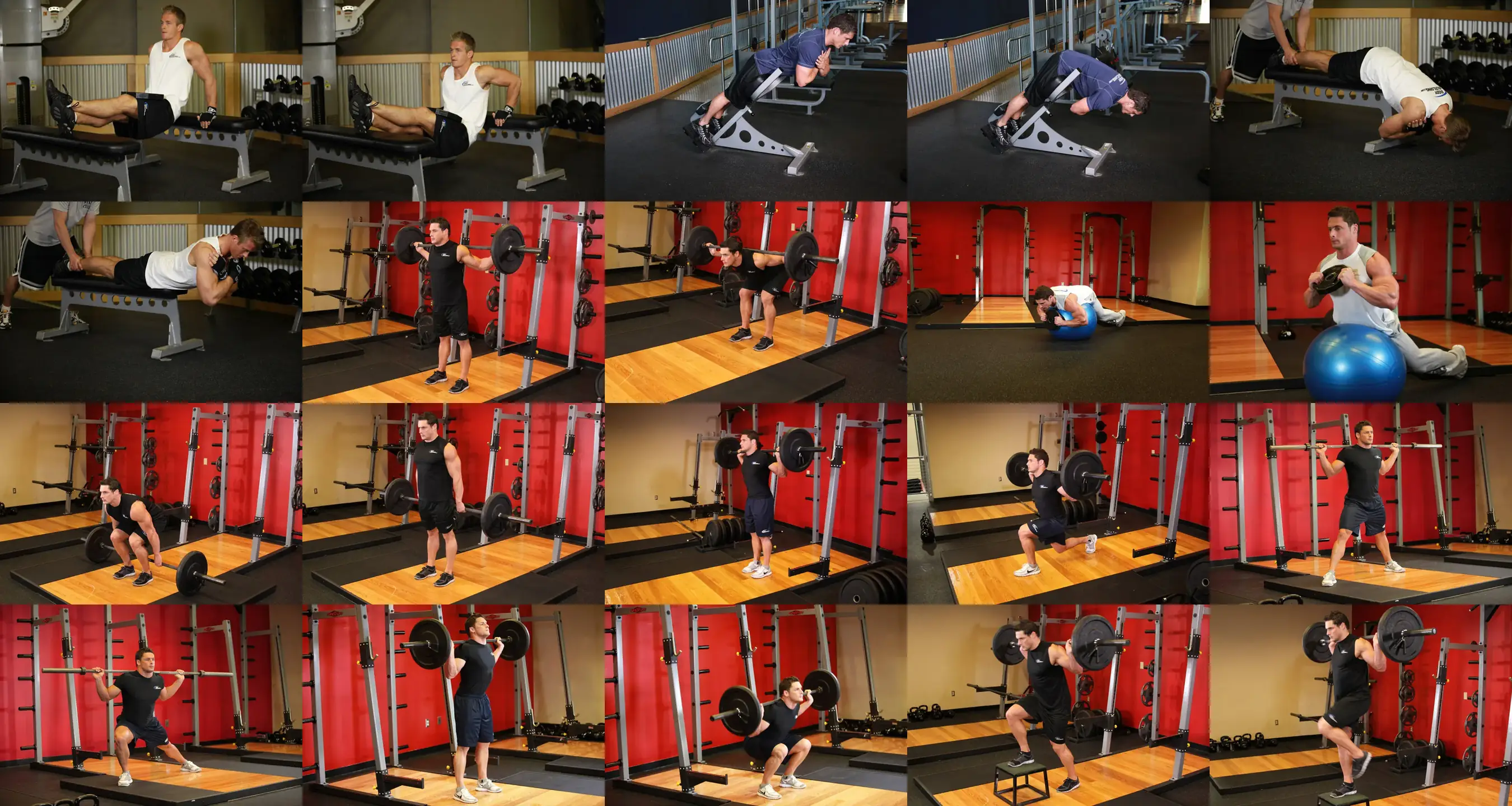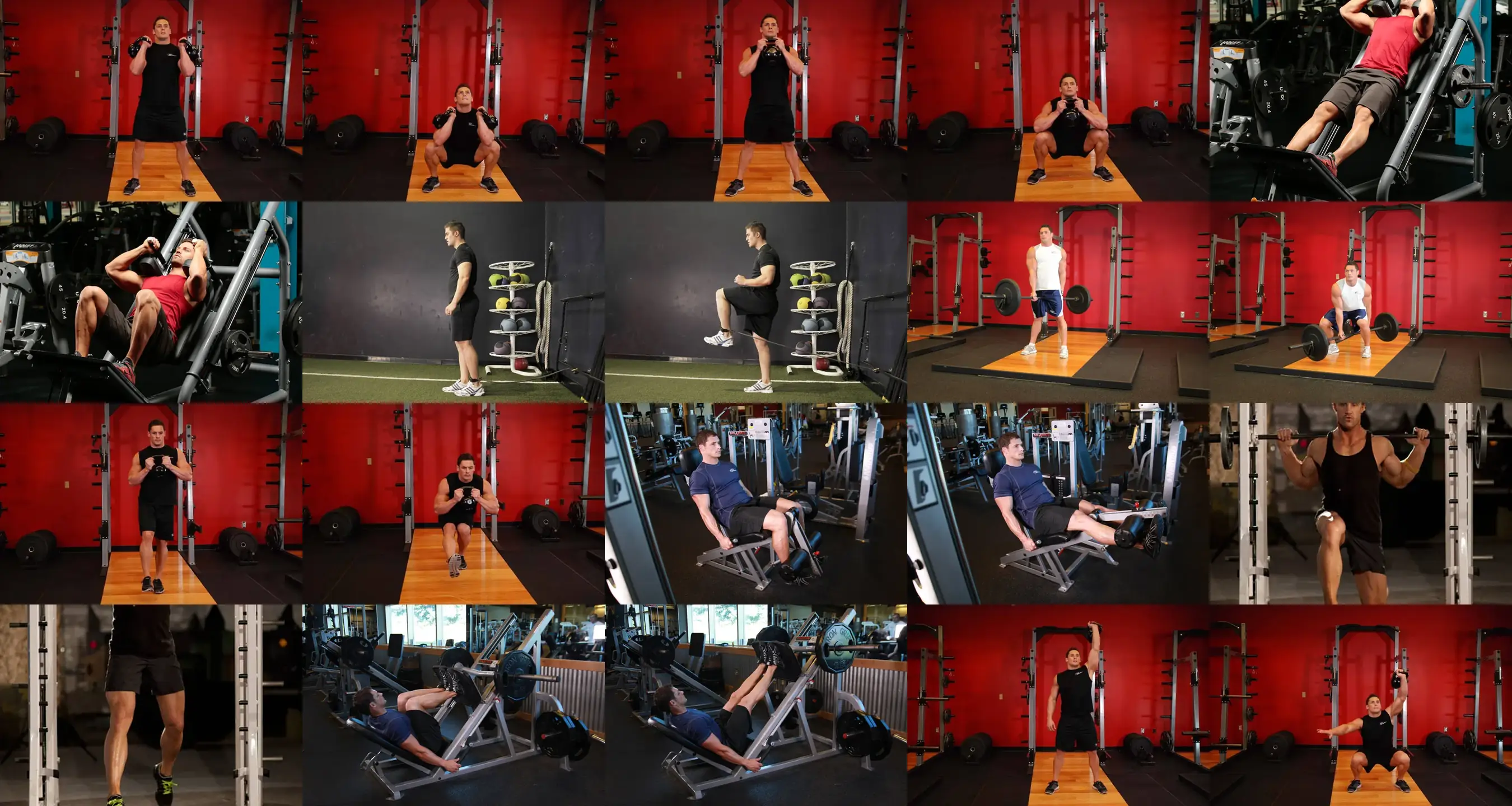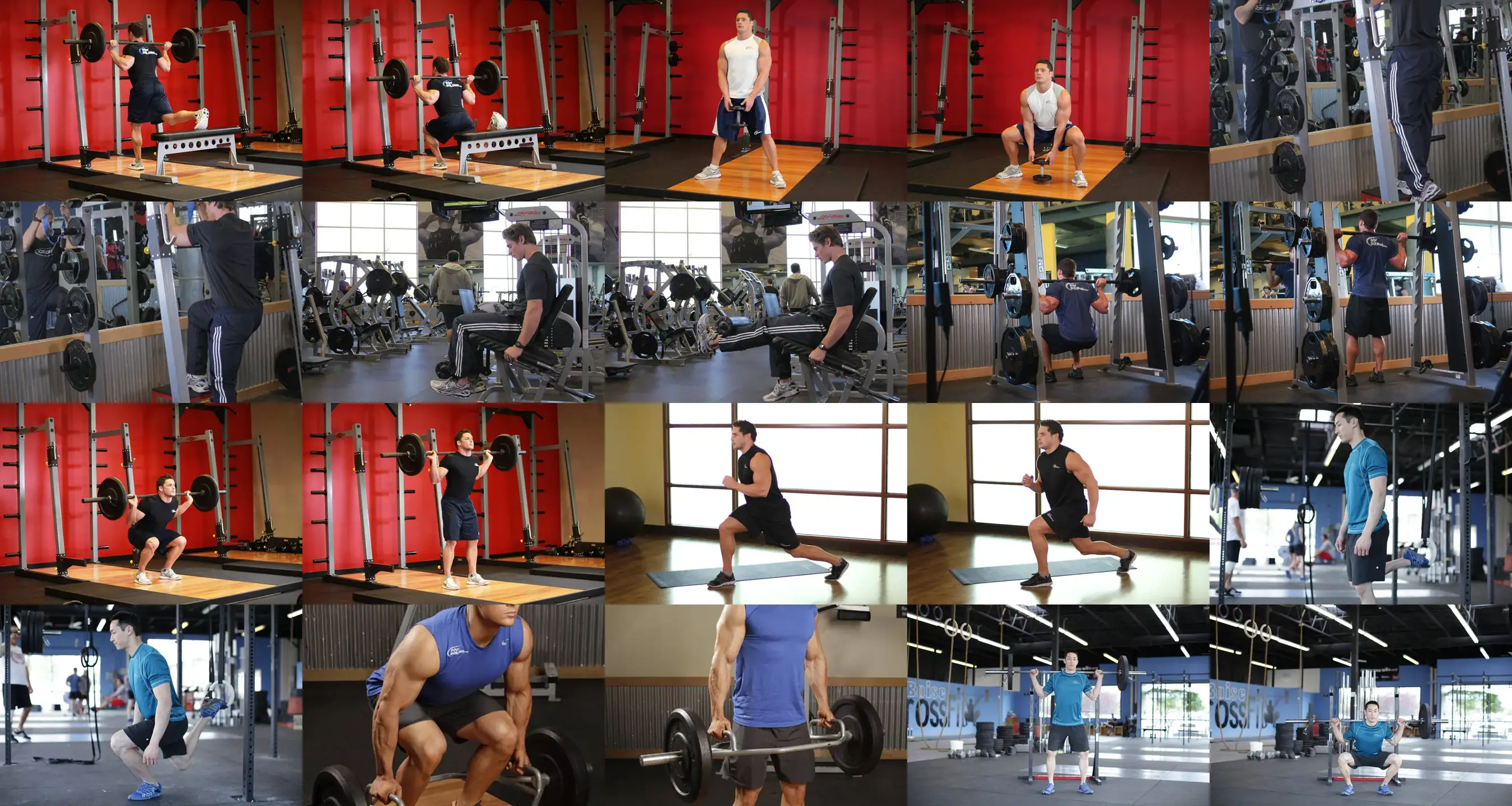
Setup and loading
Set the rack hooks at about mid sternum height and the safety pins just below your lowest squat position. Pick a weight you can move for every rep at the same depth and speed, finishing with one or two reps in reserve.
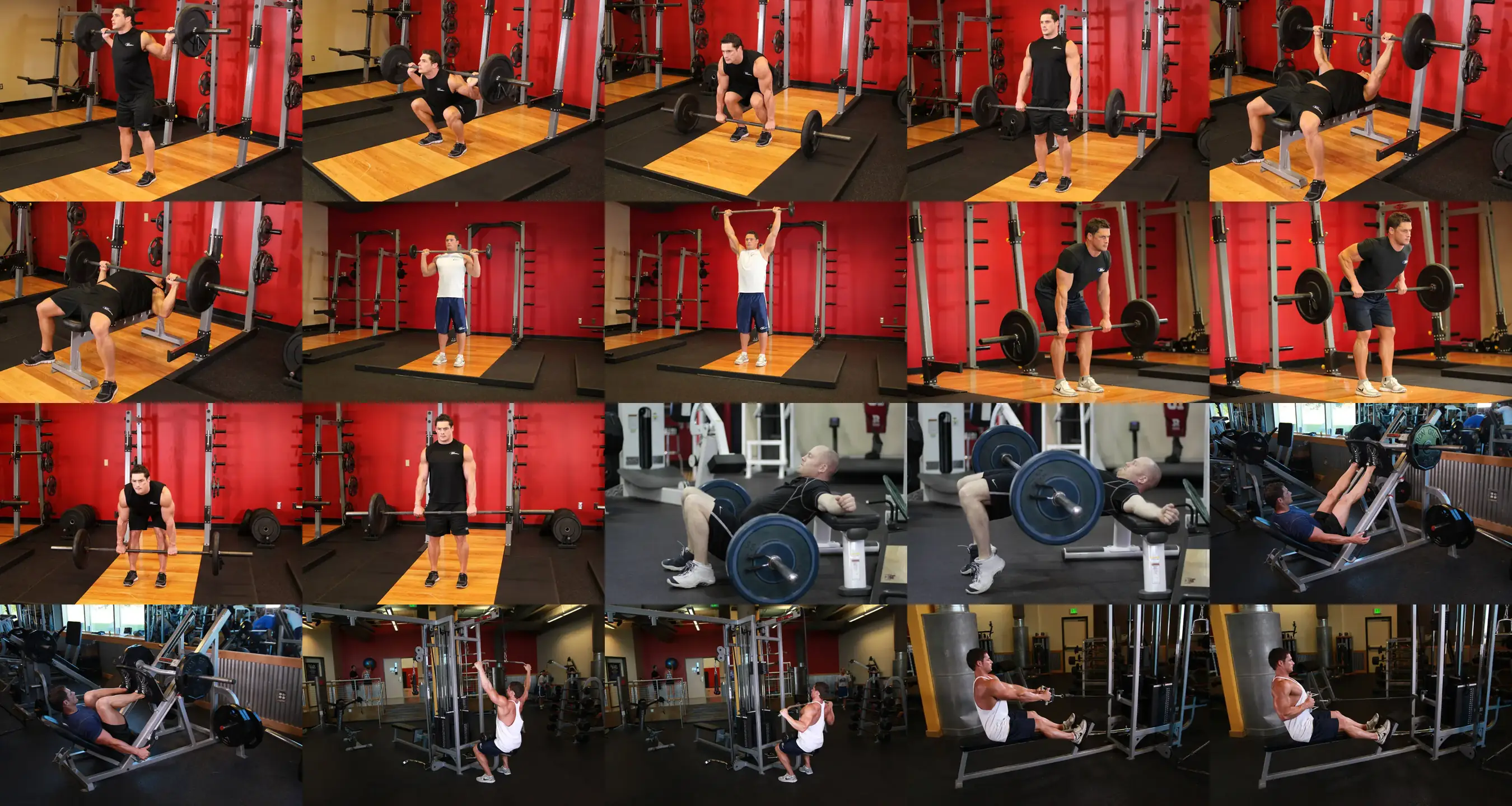
How to do the barbell back squat step by step
- Step under the bar and rest it on your upper traps, not your neck, with a grip slightly wider than shoulder width.
- Stand up to unrack the bar and take two or three short steps back, avoiding any extra shuffling.
- Set your feet about shoulder width with toes slightly out, take a big breath into your belly and brace hard.
- Sit down by moving your hips back and knees out at the same time until your hip crease drops below your knees.
- Stay tight at the bottom, push the floor away with your whole foot and drive up with your chest tall while holding your breath.
- Exhale near the top or once you pass the sticking point, reset your breath and brace for the next rep.
Form cues
- Knees track in line with your toes
- Keep weight balanced between heel and forefoot
- Bar moves straight up and down over midfoot
- Elbows under the bar, upper back squeezed tight
Common mistakes
- Knees caving in on the way up: shows weak hips; push knees out and drop the load slightly.
- Heels lifting: weight shifts to your toes; work ankle mobility or try weightlifting shoes.
- Rounding the lower back at the bottom: loads the spine; squat only as deep as you stay neutral.
- Hips shooting up first: turns the squat into a good morning; lead with your chest and hips together.
How to make it easier or harder
If your position is not solid yet, start with goblet squats holding a kettlebell or dumbbell, which force an upright torso. Once the back squat feels consistent, progress to pause squats with a two second hold at the bottom or to front squats, which demand more from your quads and core.
Sets and reps for your goal
Max Strength
4-5 x 3-5 · rest 3 min3-6 sets of 1-6 reps at 80-90% of your max (1RM). Rest 2 to 5 minutes.
Leave 1-3 reps in reserve. If your technique breaks down, lower the weight: strength is built with good reps.
Hypertrophy
3-4 x 6-10 · rest 2 min3-4 sets of 6-12 reps (up to 15-20 on isolation exercises) at 65-80% of your max. Rest 1 to 2 minutes.
Get close to failure (0-3 reps in reserve) and control the lowering for 2-3 seconds. Accumulate 10-20 sets per muscle per week.
Power
4-6 x 2-4 at 30-60% · maximum speed on the way up · rest 2-3 min3-6 sets of 1-5 reps with light or moderate loads (30-60% of your max on the main lifts), or with a ball or your bodyweight. Rest 2 to 3 minutes.
Every rep at the highest possible speed. As soon as you notice it moving slower (a 10-20% velocity loss), end the set. Train power fresh, never fatigued.
A guide for healthy adults. Adjust the load to your level and see a professional if you have an injury.
Check your form
Film yourself from the side or ask someone to watch, then tick what you get right.
Frequently asked questions
How deep should you go on a barbell back squat?
Aim to get your hip crease level with or below your knees while keeping a neutral spine. If your lower back rounds before that, work on mobility and limit your depth until you can hit full range with good position.
Is it bad if your knees go past your toes when squatting?
No. Knees traveling past your toes is normal and depends on your build and femur length. What matters is that they follow the direction of your feet and that your heels stay planted the whole time.
Sports it suits
Gear for this exercise
- Olympic barbell and platesTo keep progressing on the big lifts with heavy loads.
As an Amazon Associate, Muscle Atlas earns from qualifying purchases.