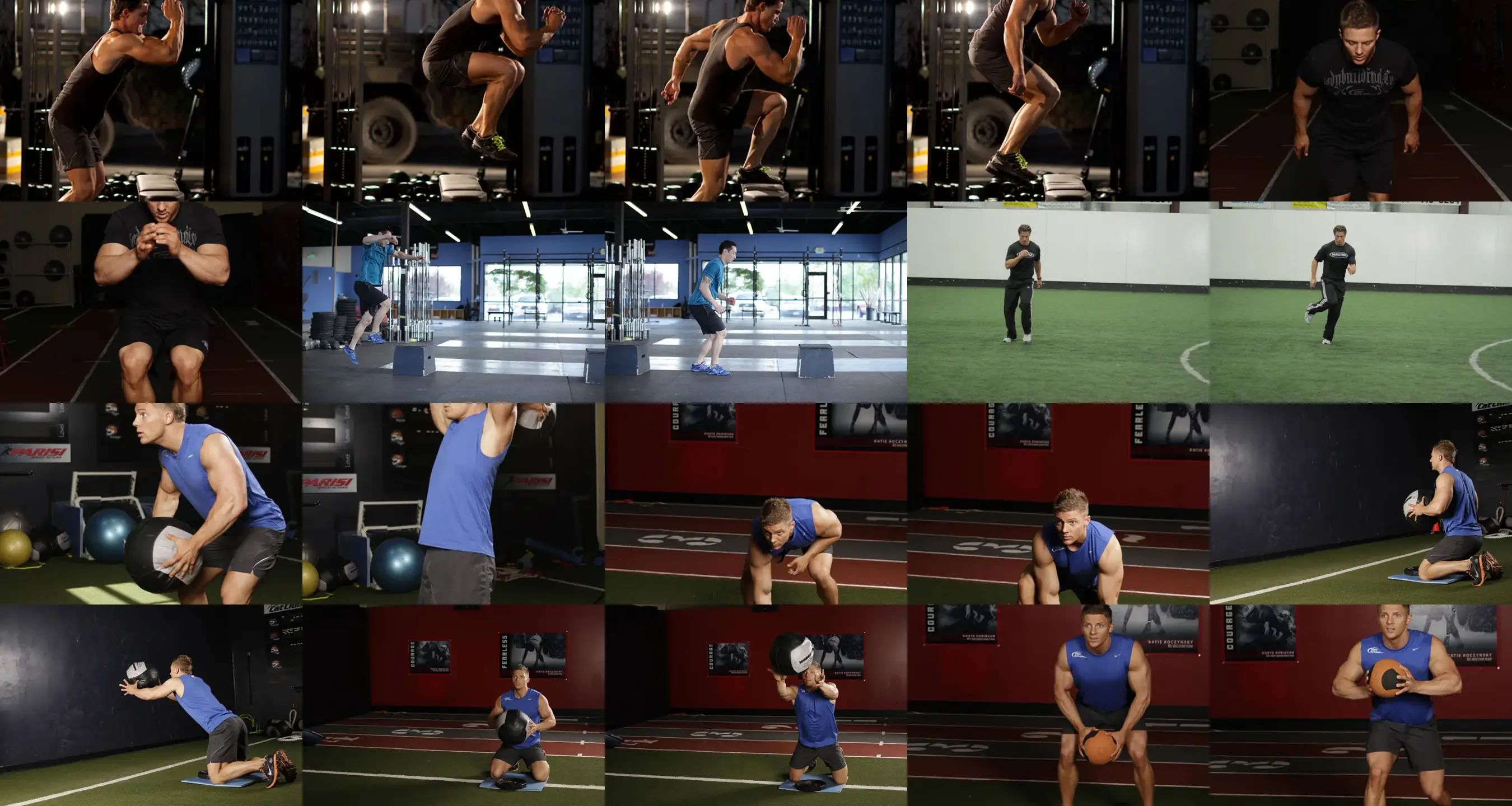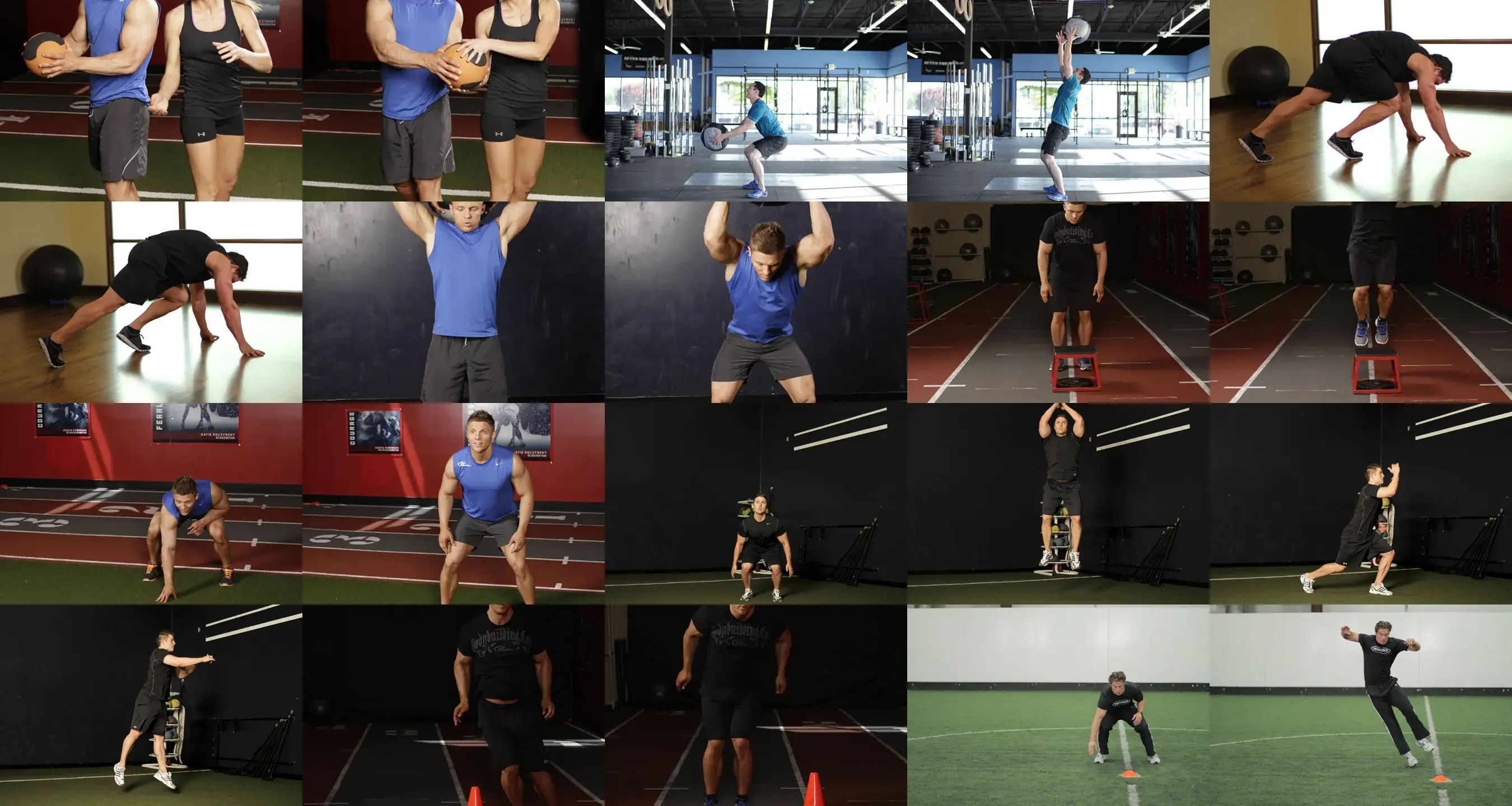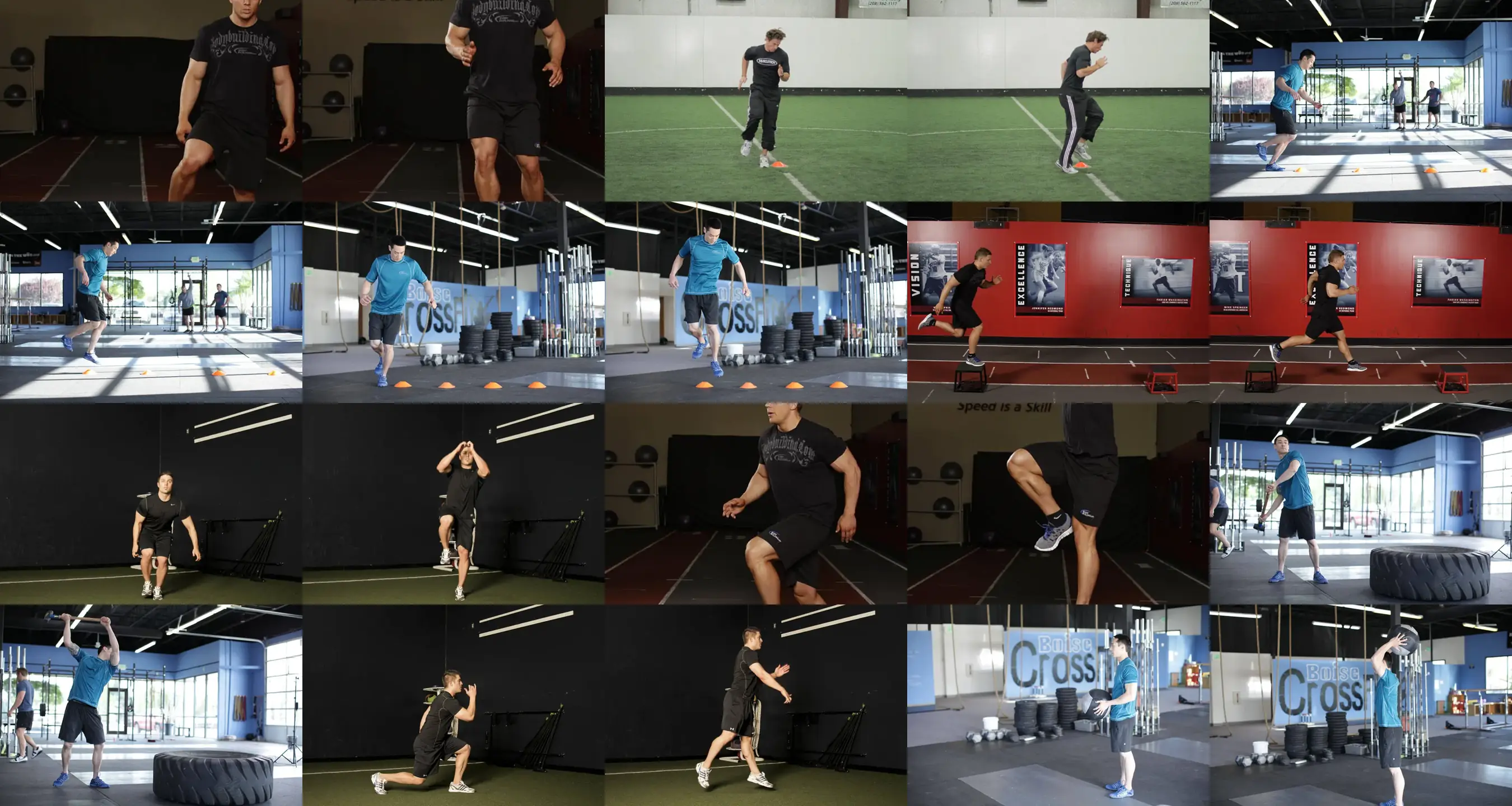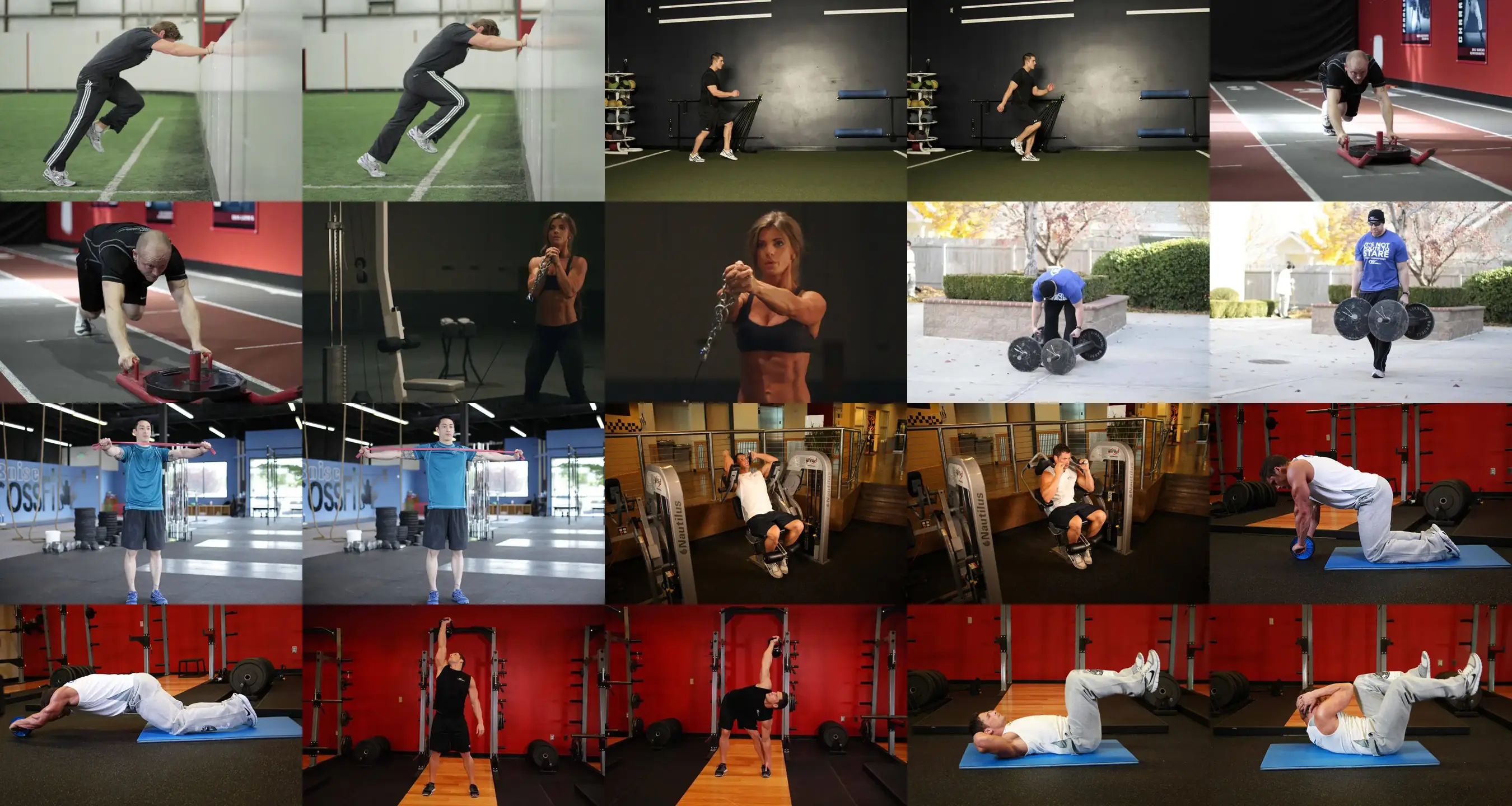
Setup and loading
You need a flat, clear surface of 15 to 30 meters, such as a track or a long hallway. Adjust the difficulty through turnover speed and distance: start slow and technical, and only speed up once your posture stays clean.
How to do the fast skipping step by step
- Stand tall and relaxed with your feet hip-width apart and your elbows bent to roughly 90 degrees.
- Start moving forward slowly, driving one knee up to hip height while the opposite foot stays on the ground.
- Actively bring the foot back down and land right under your hip on the ball of the foot, without dropping your heel.
- Alternate legs and gradually increase the turnover, moving forward only a few inches with each step.
- Swing your arms opposite to your legs, from hip to chin height, without letting them cross your body.
- Breathe in a steady, relaxed rhythm through the rep, then walk back to recover before the next round.
Form cues
- Stay tall, as if a string pulls your head up
- Short, quick contacts on the balls of your feet
- Knee up, foot lands under your hip
- Active arms, relaxed shoulders
Common mistakes
- Leaning back: it wastes energy and loads your lower back; keep your chest slightly forward.
- Landing heel first: it brakes every step; land on the ball of your foot instead.
- Covering too much ground per step: it turns into jogging; prioritize turnover over distance.
- Stiff or crossing arms: they break your rhythm and twist your torso; swing them straight forward and back.
How to make it easier or harder
If coordination is tricky, start with A-marches, walking with a high knee and a brief pause at the top. Once that feels smooth, move to A-skips with a small hop, high knees into a 10-meter sprint, or resisted high knees with a band around your waist.
Sets and reps for your goal
Speed
4 x 20 m4-8 reps of 10-40 meters (or 3-6 seconds). Full rest: 1 minute for every 10 meters.
Always at 95-100%. If your time gets more than 3-5% slower or your technique falls apart, stop: running tired trains endurance, not speed.
Endurance
Warm-up 2 x 30 m2-4 sets of 15-30 reps or 30-60 seconds at 40-60% of your max. Rest 30 to 60 seconds.
Steady pace and clean technique to the end. Circuits help you build volume with little rest.
A guide for healthy adults. Adjust the load to your level and see a professional if you have an injury.
Check your form
Film yourself from the side or ask someone to watch, then tick what you get right.
Frequently asked questions
What are high knees good for in running training?
They reinforce good stride mechanics: a high knee, a foot strike under the hip and a short ground contact. They also wake up your hip flexors and calves before running, which is why they show up in track, soccer and other speed sport warm-ups.
How many sets of high knees should I do?
For technique and warm-up, 3 or 4 runs of 15 to 20 meters with a walk back is enough. For conditioning, try 20 to 30 second bouts in place, stopping the set as soon as your posture starts to break down.
Sports it suits
Gear for this exercise
- Exercise matThick (8-10 mm) for floor work.
As an Amazon Associate, Muscle Atlas earns from qualifying purchases.