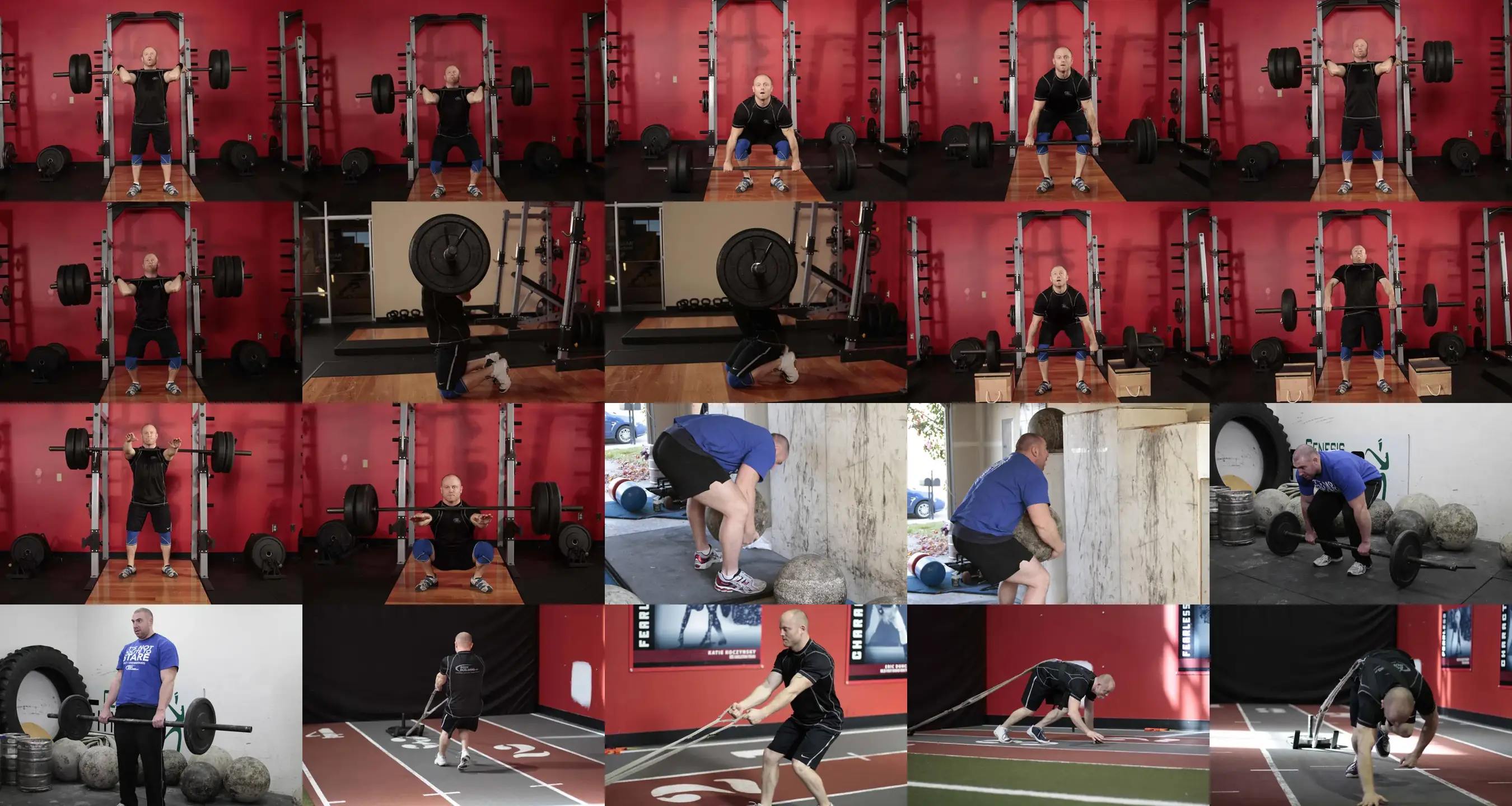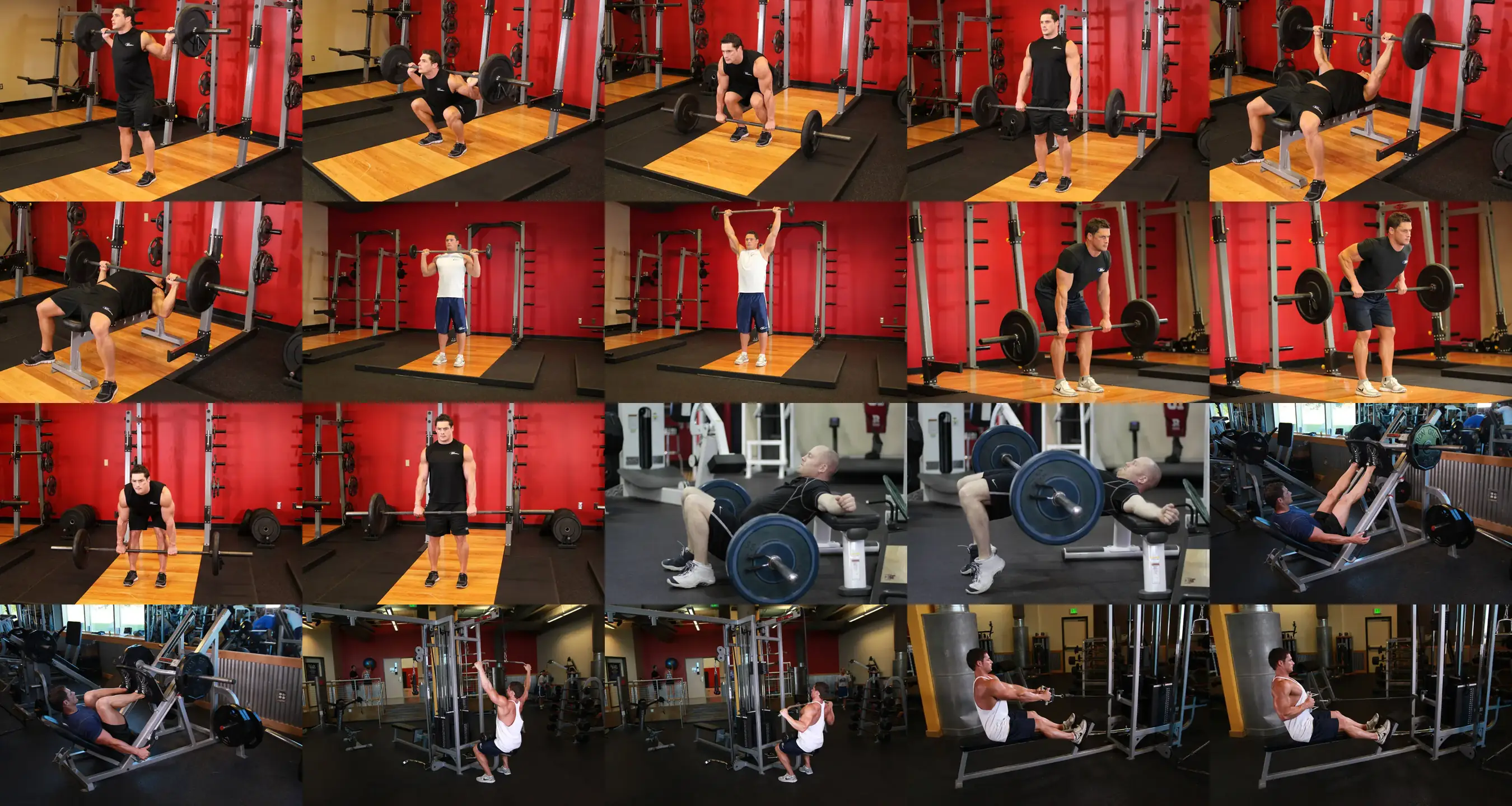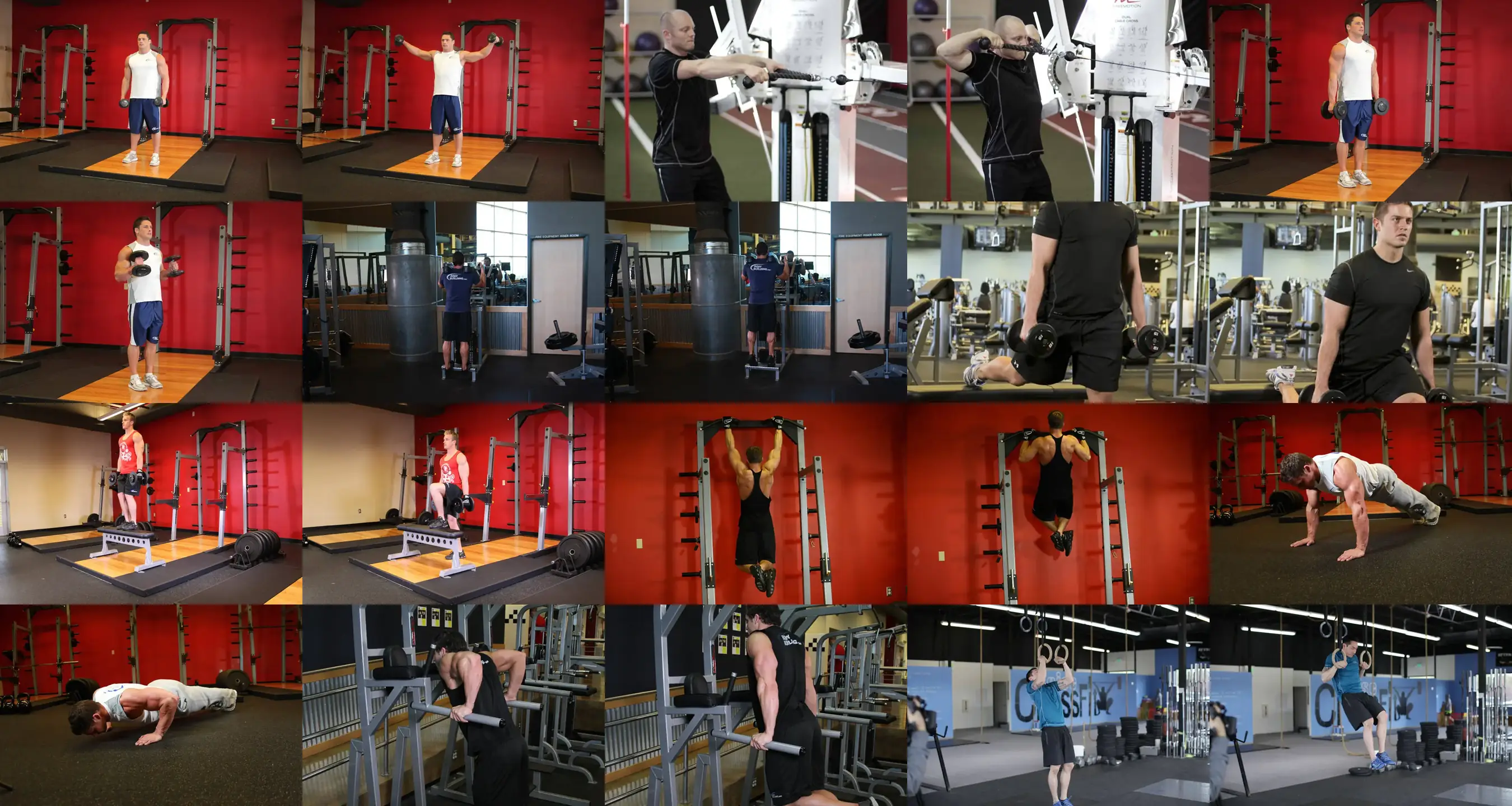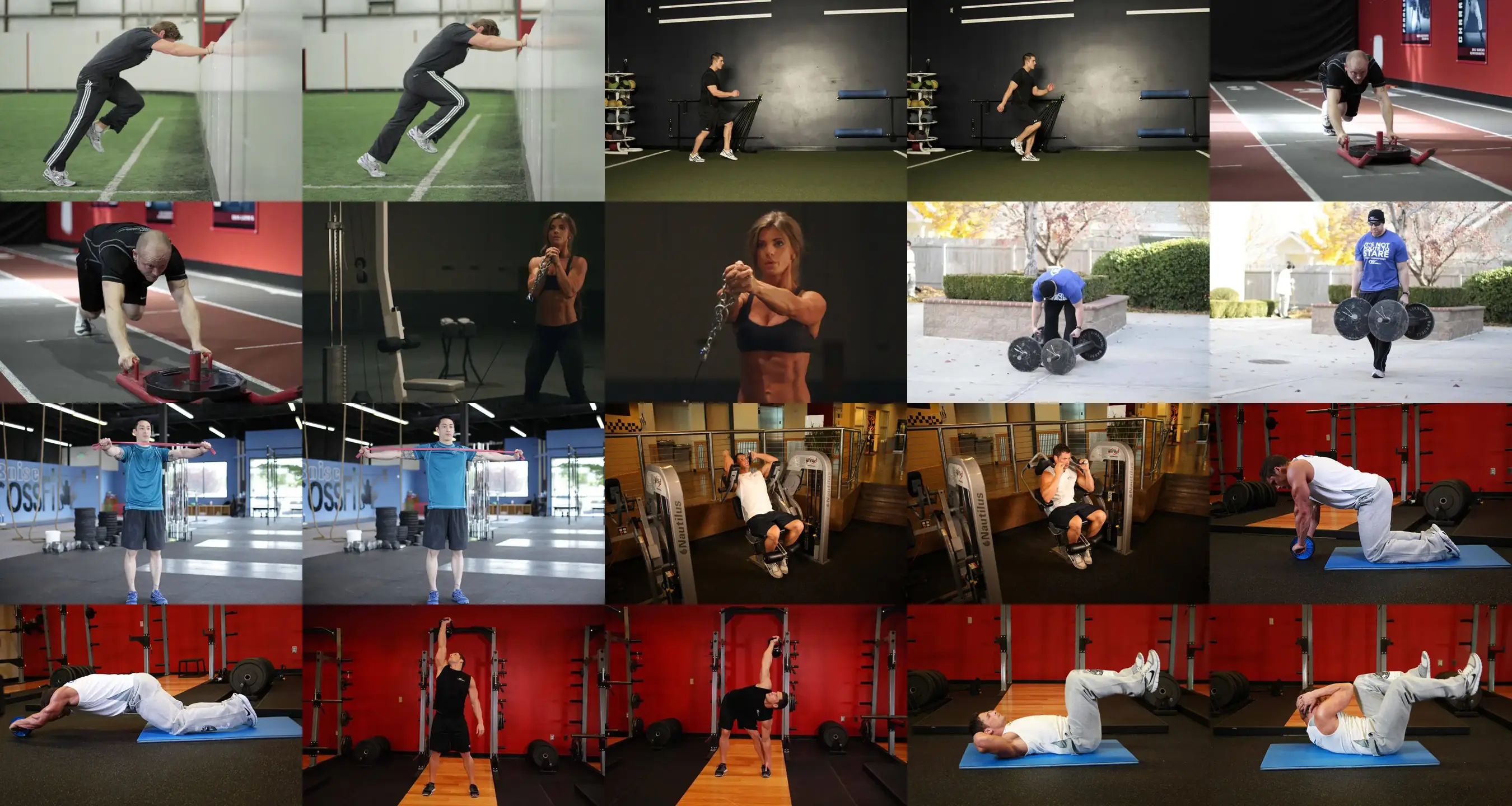
Setup and loading
No load is needed: use a non slip surface and leave at least 10 feet of clear space in front of you. Adjust difficulty with the number of jumps and rest, keeping sets short at 3 to 5 jumps with full recovery to protect quality.
How to do the standing long jump step by step
- Stand with feet hip width apart, toes forward and arms relaxed by your sides.
- Swing your arms back as you dip into a quarter squat, loading your hips and taking a quick breath in.
- Throw your arms forward and up hard as you extend your ankles, knees and hips together.
- While airborne, pull your knees toward your chest and reach your feet forward to add distance.
- Land on both feet at once with knees bent and hips back, exhaling to soak up the impact.
- Hold the landing for a second, stand up and walk back to the start line.
Form cues
- Arms drive the jump forward
- Fully extend your hips at takeoff
- Land softly, as quietly as possible
- Knees track over your feet on landing
Common mistakes
- Landing with straight legs: sends force into knees and back; bend hips and knees as you touch down.
- Not using your arms: costs a lot of distance; swing them hard back and then forward.
- Knees caving on landing: stresses the knee joint; push your knees out as you absorb.
- Jumping too high: wastes momentum vertically; aim for roughly a 45 degree takeoff angle.
How to make it easier or harder
If you are new to jumping, start with vertical squat jumps in place and practice landing from a low step. To progress, link several long jumps in a row without pausing or try single leg broad jumps, which demand far more strength and stability.
Sets and reps for your goal
Plyometrics
4 x 3 jumps3-6 sets of 3-8 jumps. In total, 60-100 contacts per session (40-60 if you're a beginner). Rest 1 to 2 minutes between sets.
Short, quiet ground contact. If the jump loses height or your foot sticks to the ground, stop: the set is no longer training reactivity. Two sessions per week, 48 h apart.
Power
5 x 23-6 sets of 1-5 reps with light or moderate loads (30-60% of your max on the main lifts), or with a ball or your bodyweight. Rest 2 to 3 minutes.
Every rep at the highest possible speed. As soon as you notice it moving slower (a 10-20% velocity loss), end the set. Train power fresh, never fatigued.
Speed
3-4 x 2 jumps + 10 m sprint · full rest4-8 reps of 10-40 meters (or 3-6 seconds). Full rest: 1 minute for every 10 meters.
Always at 95-100%. If your time gets more than 3-5% slower or your technique falls apart, stop: running tired trains endurance, not speed.
A guide for healthy adults. Adjust the load to your level and see a professional if you have an injury.
Check your form
Film yourself from the side or ask someone to watch, then tick what you get right.
Frequently asked questions
What is a good standing long jump distance?
It depends on age, sex and training background. As a rough guide, many trained adult men jump over 7 feet and many trained women over 6 feet. The most useful comparison is your own results over time.
How often should you train standing long jumps?
Because it is a high impact power drill, two or three sessions a week with low volume, around 15 to 30 quality jumps, is usually enough. Leave at least a day between hard jumping sessions.
Sports it suits
Gear for this exercise
- Exercise matThick (8-10 mm) for floor work.
As an Amazon Associate, Muscle Atlas earns from qualifying purchases.