Setup and loading
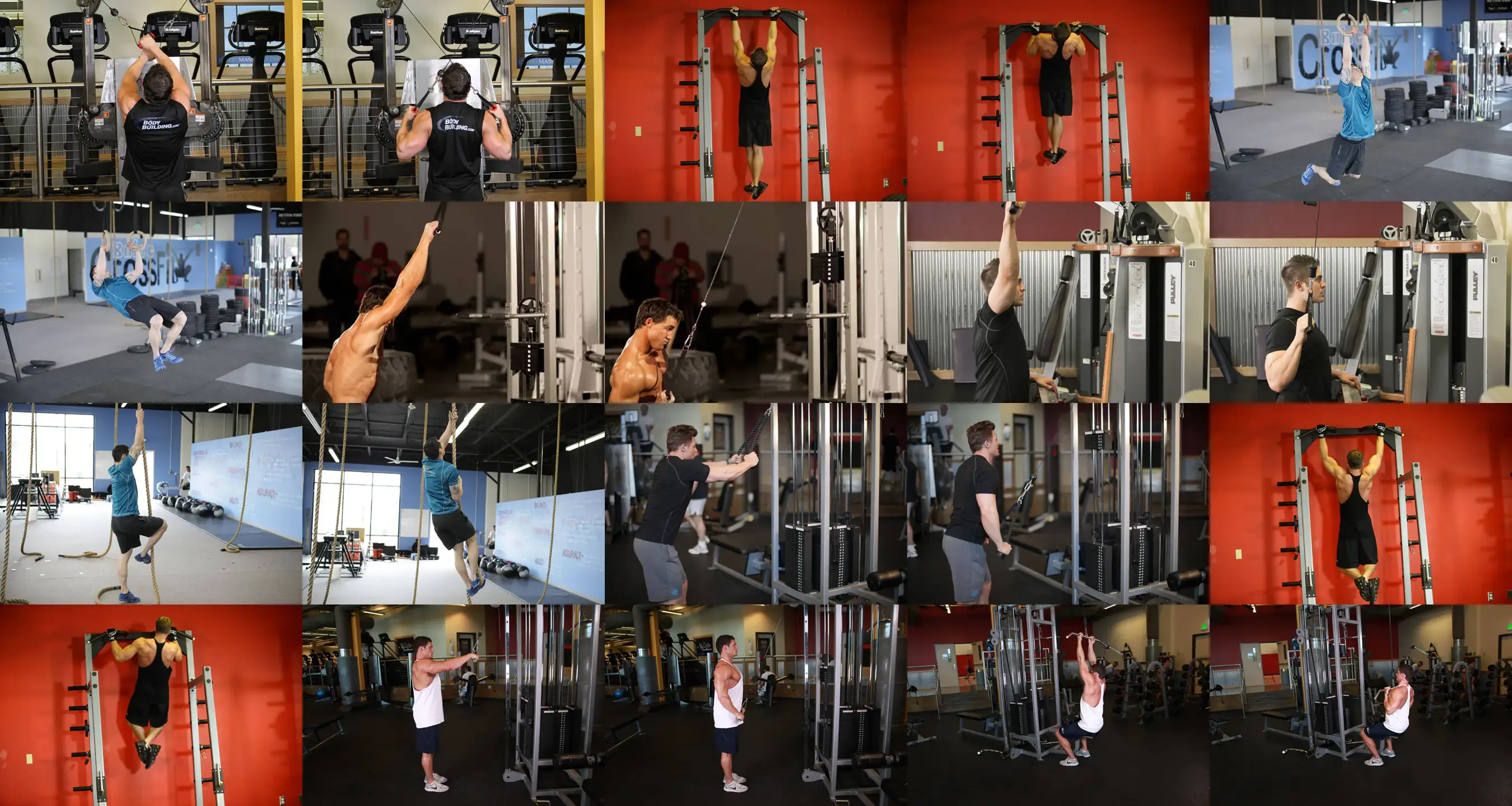
Attach a single handle to the high pulley and kneel facing it, far enough away that your arm can fully extend at the top. Pick a weight for 10-15 reps without twisting your torso; for power, use a moderate load and pull fast while controlling the return.
How to do the kneeling single-arm lat pulldown step by step
- Clip a single handle to the high pulley and kneel facing it with knees hip-width apart.
- Grab the handle with one hand, palm facing forward, and let your arm extend overhead to feel a lat stretch.
- Keep your torso tall or leaning slightly back, with your abs and glutes tight.
- Pull your shoulder down away from your ear first to engage your lat before bending your elbow.
- Exhale and drive your elbow down toward your hip, turning your palm to face you at the end.
- Squeeze your lat for a second with your elbow tucked to your side and your chest open.
- Inhale and return slowly until your arm is fully straight; finish your reps and switch sides.
Form cues
- Shoulder down before you pull
- Elbow to your pocket, tight to your side
- Torso still, no twisting toward the cable
- Full stretch at the top of every rep
Common mistakes
- Twisting your torso to move more weight: you lose lat isolation; go lighter and brace your core.
- Pulling with just your biceps: your lat does little; think about driving the elbow, not the hand.
- Shrugging at the top: your upper traps take over; start every rep by lowering the shoulder.
- Letting the weight snap back: you lose the eccentric; return over two or three seconds.
How to make it easier or harder
To make it easier, do a two-arm lat pulldown or a seated pulldown on the machine for more stability. To progress, add load, use two-second pauses at the bottom, or move to half-kneeling single-arm pulldowns and pull-ups.
Sets and reps for your goal
Power
4-6 x 2-5 · full rest3-6 sets of 1-5 reps with light or moderate loads (30-60% of your max on the main lifts), or with a ball or your bodyweight. Rest 2 to 3 minutes.
Every rep at the highest possible speed. As soon as you notice it moving slower (a 10-20% velocity loss), end the set. Train power fresh, never fatigued.
A guide for healthy adults. Adjust the load to your level and see a professional if you have an injury.
Check your form
Film yourself from the side or ask someone to watch, then tick what you get right.
Frequently asked questions
What is the single-arm lat pulldown good for?
It lets you train each lat separately, even out side-to-side differences and sharpen your mind-muscle connection. Kneeling adds core demand, which makes it useful for athletes and anyone after a more balanced back.
Single-arm or two-arm lat pulldown: which is better?
Two-arm pulldowns let you move more total weight; single-arm pulldowns improve range of motion and symmetry. Ideally, combine them, using the two-arm version as your main lift and the single-arm version as an accessory.