Setup and loading
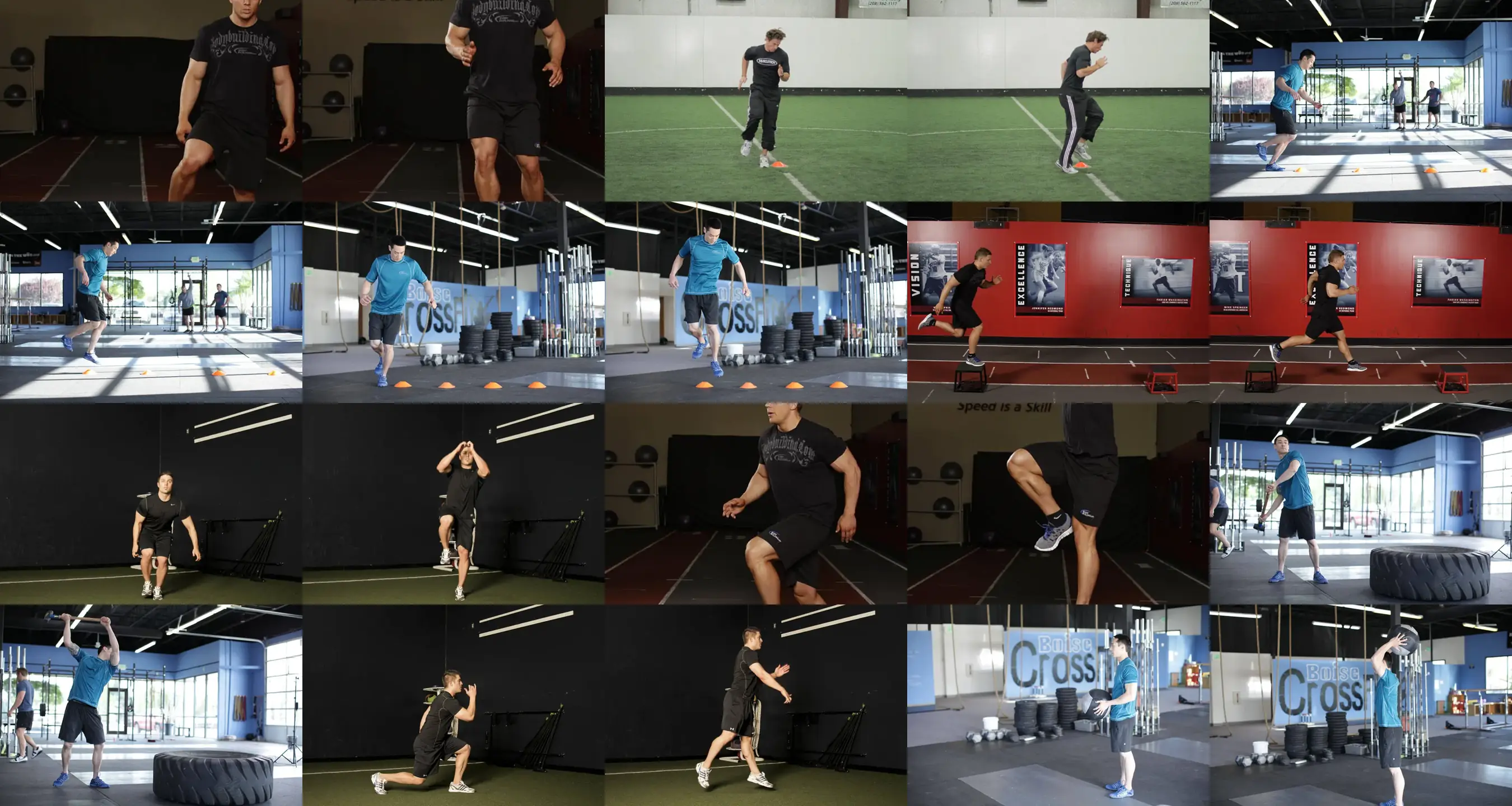
Use an 8 to 16 pound sledgehammer and a large, stable tire that absorbs the impact, with clear space around you. Pick a weight you can control for the whole set; if the hammer drags you around or bounces wildly, go lighter.
How to do the sledgehammer swings step by step
- Stand facing the tire about a hammer length away in a staggered stance with one foot slightly forward.
- Hold the hammer with your dominant hand near the head and the other hand at the end of the handle.
- Lift the hammer over your dominant shoulder, sliding that hand toward the head, while breathing in.
- Drive the hammer down hard, sliding your top hand down to meet the bottom hand and bending your knees slightly, exhaling.
- Strike the center of the tire with a neutral spine and let the rebound help you lift it again.
- Complete 8 to 12 strikes per side or work for time, switching your dominant hand and lead foot.
Form cues
- Slide your hand on every swing
- Strike with your abs and legs
- Neutral spine, soft knees
- Eyes on the impact point
Common mistakes
- Swinging with just your arms: you lose power and fry your shoulders; bend your trunk and knees.
- Rounding your back on impact: it loads your lower back; keep your chest open and abs tight.
- Loose grip: the hammer can bounce out of control; hold firm and adjust your distance.
- Working only one side: it creates imbalances; switch your top hand every set.
How to make it easier or harder
As a regression, use a lighter hammer or do medicine ball slams to learn the pattern. To progress, use a heavier hammer, lengthen the work interval, or alternate sides on every strike without pausing.
Sets and reps for your goal
Power
4-6 x 2-5 · full rest3-6 sets of 1-5 reps with light or moderate loads (30-60% of your max on the main lifts), or with a ball or your bodyweight. Rest 2 to 3 minutes.
Every rep at the highest possible speed. As soon as you notice it moving slower (a 10-20% velocity loss), end the set. Train power fresh, never fatigued.
A guide for healthy adults. Adjust the load to your level and see a professional if you have an injury.
Check your form
Film yourself from the side or ask someone to watch, then tick what you get right.
Frequently asked questions
What muscles do sledgehammer swings work?
Mainly your abs and obliques, along with your lats, shoulders, traps and forearms. Your legs and glutes also work to stabilize you and add power to each strike.
What weight sledgehammer should you use?
Most people start well with 8 to 12 pounds and progress to 16 or 20. A hammer that is too heavy slows you down and hurts technique, so prioritize fast, controlled strikes.