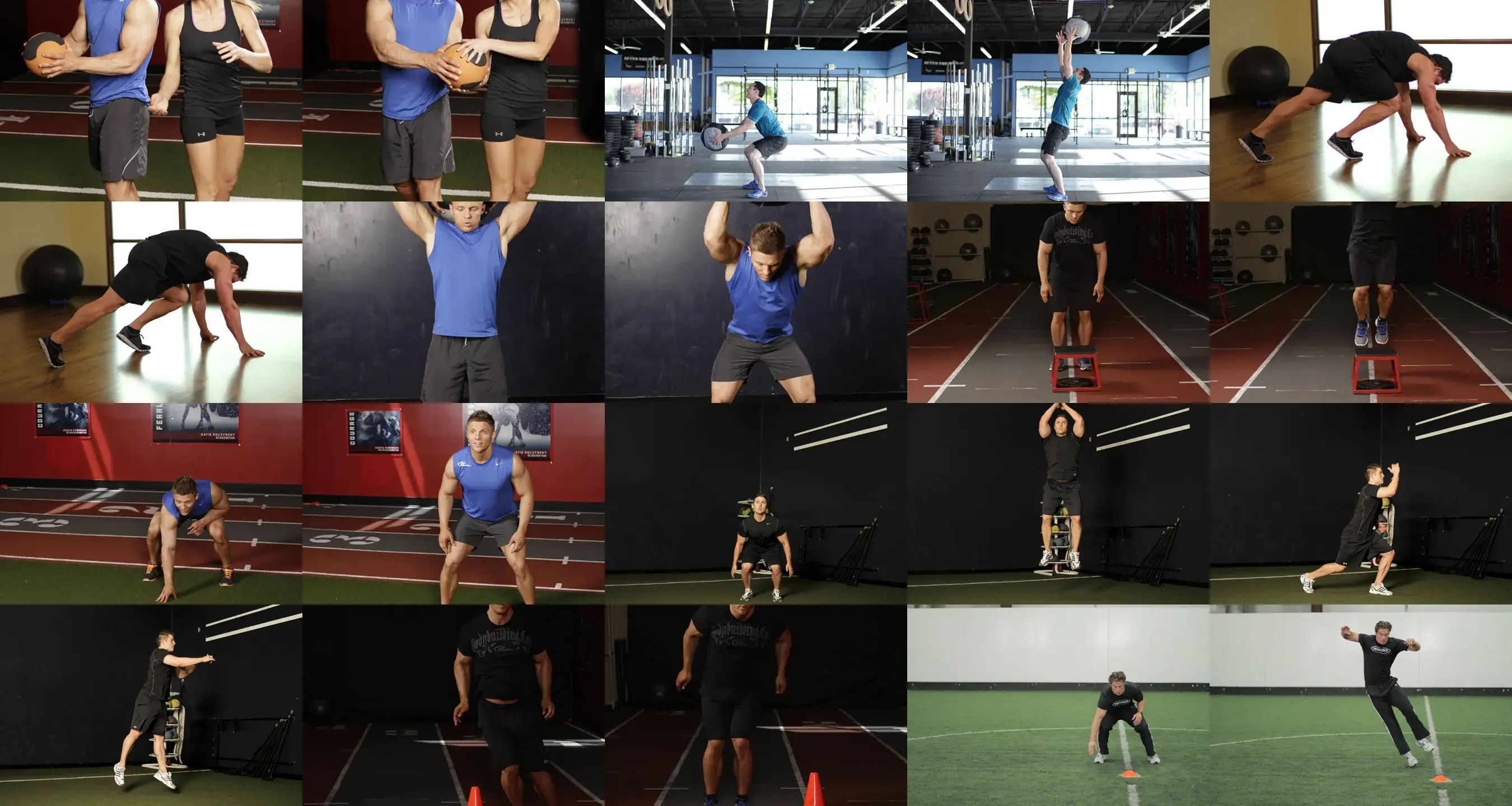
Setup and loading
Use a 6 to 12 pound ball that does not bounce wildly and a wide clear space behind you, or a partner at a safe distance. If the ball flies lower than on your first reps or you start pulling with your arms, it is too heavy.
How to do the backward medicine ball throw step by step
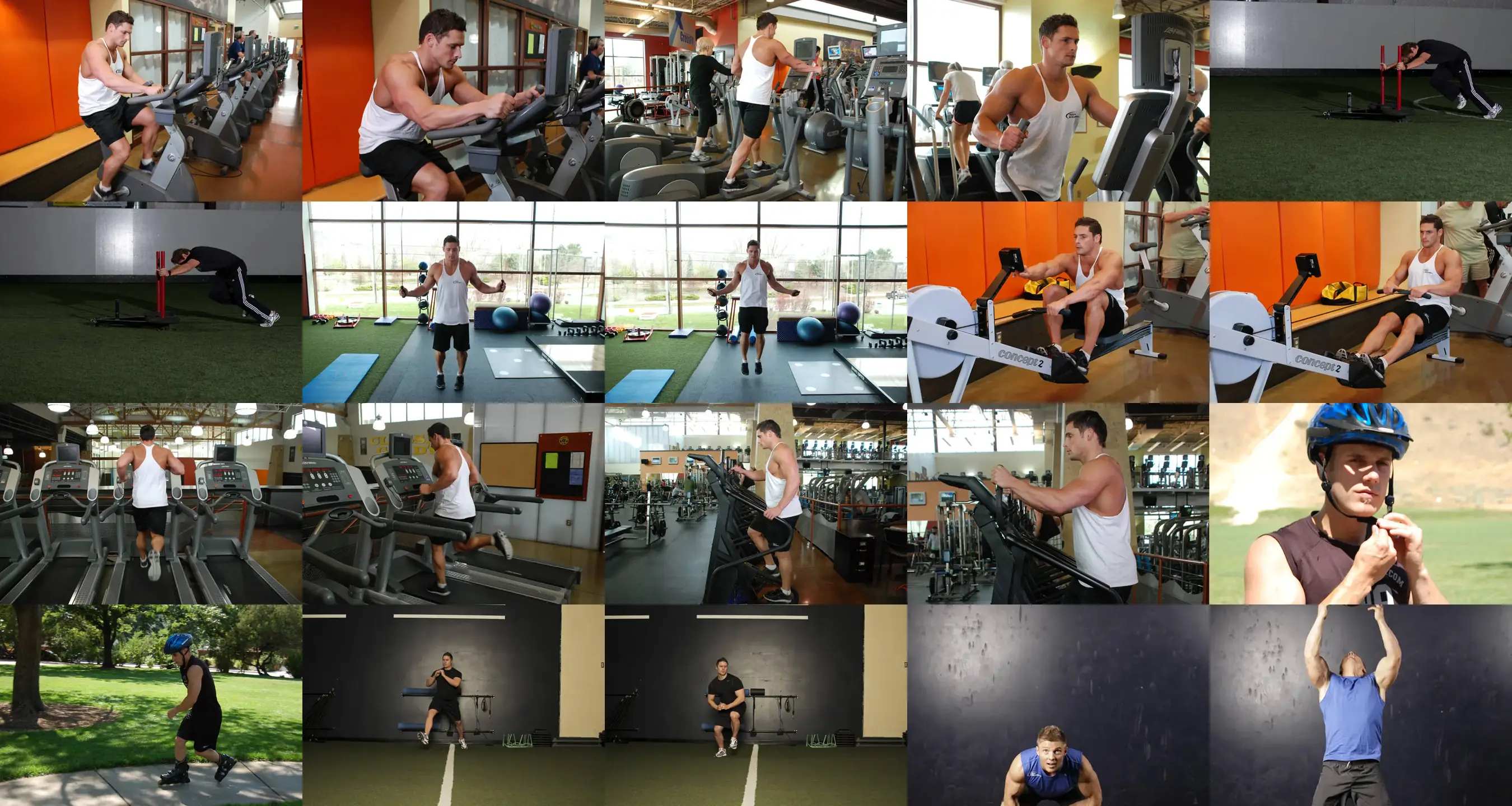
- Stand with feet hip width apart, your back to the throwing area, holding the ball with straight arms.
- Hinge at the hips and bend your knees, lowering the ball between your legs with a neutral spine and chest facing the floor.
- Take a breath and, without a long pause at the bottom, drive your hips, knees and ankles into extension at once.
- Let your straight arms swing the ball up in an arc as your body launches upward and slightly back.
- Release the ball overhead once you are fully extended, exhaling hard, and allow your feet to leave the floor.
- Land softly, turn to watch where the ball lands, and retrieve it before the next rep.
Form cues
- Throw with your hips, not your arms
- Long arms like a rope
- Full extension from feet to hands
- Neutral spine in the hinge
Common mistakes
- Throwing with just your arms: you lose most of the power; think about pushing the floor away.
- Rounding your back at the bottom: it loads your lower back; hinge and keep a long chest.
- Releasing too early: the ball goes low and short; wait until you are fully extended.
- Not checking the space behind you: you could hit someone; clear the area before every set.
How to make it easier or harder
As a regression, rehearse the pattern with a very light ball or do kettlebell swings to learn the explosive hinge. To progress, use a slightly heavier ball without losing height, measure each throw, or follow it with a sprint after retrieving the ball.
Sets and reps for your goal
Power
4-6 x 2-5 · full rest3-6 sets of 1-5 reps with light or moderate loads (30-60% of your max on the main lifts), or with a ball or your bodyweight. Rest 2 to 3 minutes.
Every rep at the highest possible speed. As soon as you notice it moving slower (a 10-20% velocity loss), end the set. Train power fresh, never fatigued.
A guide for healthy adults. Adjust the load to your level and see a professional if you have an injury.
Check your form
Film yourself from the side or ask someone to watch, then tick what you get right.
Frequently asked questions
What weight medicine ball should you use for backward throws?
Most adults do well with 6 to 12 pounds. What matters is that the ball leaves fast and high; if it slows down or you start yanking with your back, go lighter.
Do backward medicine ball throws improve your vertical jump?
They train the same fast triple extension of hip, knee and ankle you use to jump, which is why they show up in jump programs. They work best combined with actual jumps and strength training.
Sports it suits
Gear for this exercise
- Medicine ball3-6 kg (6-13 lb) for power throws.
As an Amazon Associate, Muscle Atlas earns from qualifying purchases.