Setup and loading
Use a properly inflated stability ball of the right size on a non-slip surface. Difficulty depends on where your legs rest: shins on the ball is easier, toes on the ball is harder.
How to do the stability ball pike step by step
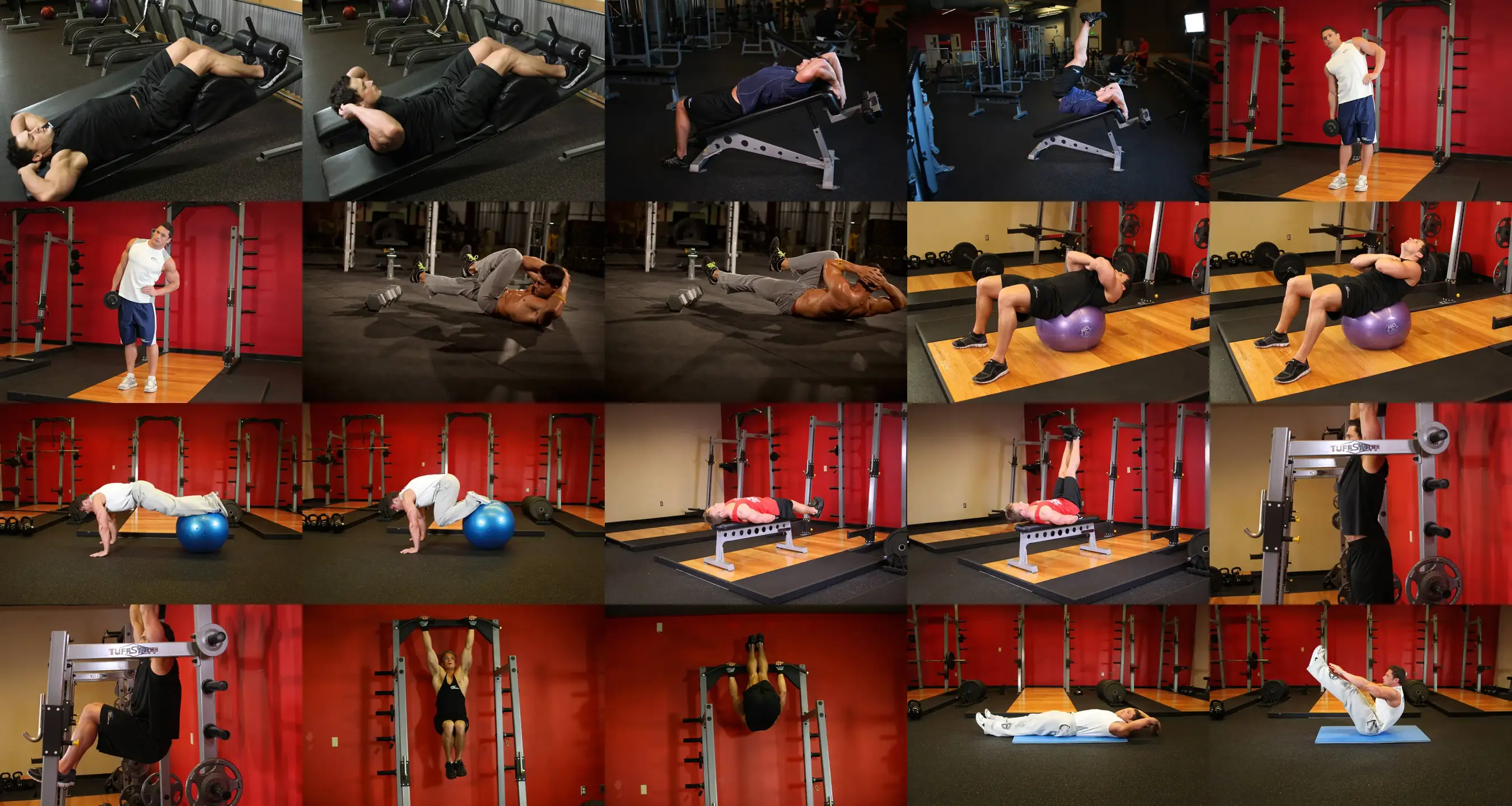
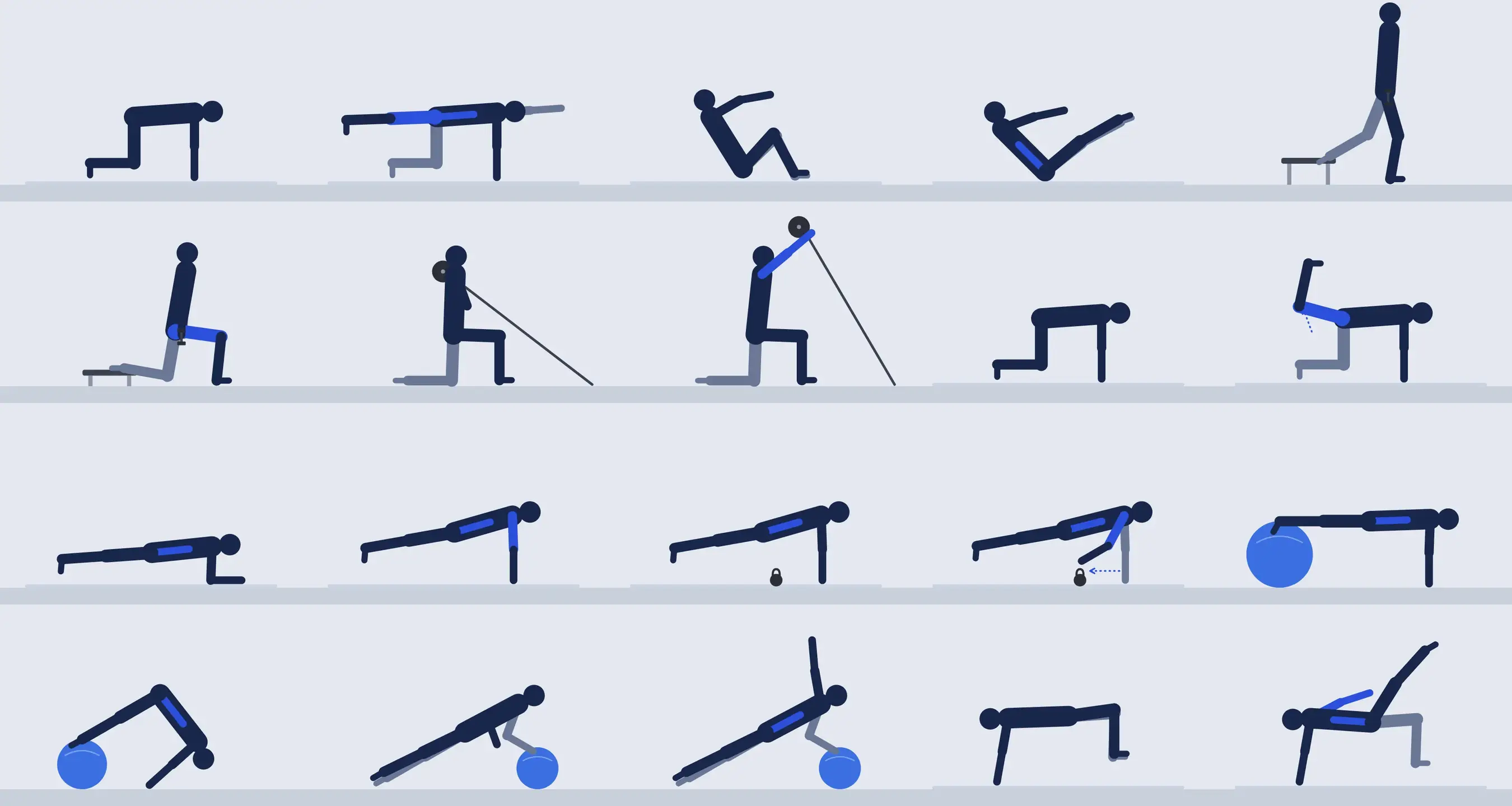
- Get into a high plank with hands under shoulders and your shins or the tops of your feet on the ball.
- Brace your abs and squeeze your glutes so your body forms a straight line and your lower back does not sag.
- Exhale and lift your hips toward the ceiling with straight legs, rolling the ball toward your hands.
- At the top, stack your shoulders over your hands in an inverted V with your head between your arms.
- Inhale and lower under control, rolling the ball back until you return to plank.
- Repeat 6 to 12 times without letting the ball drift sideways.
Form cues
- Legs straight, hips to the ceiling
- Shoulders over hands at the top
- Push the floor away hard
- Lower slowly to plank
Common mistakes
- Bending the knees: turns it into an easier variation; keep legs straight.
- Sagging the lower back on the return: loads your spine; brace before lowering.
- Shoulders behind your hands: loses stability; stack them over your wrists at the top.
- Using momentum: the ball can drift; take two or three seconds each way.
How to make it easier or harder
To regress, do stability ball knee tucks or a plank with feet on the ball. To progress, balance on just your toes, add a push-up between reps, or move to a single-leg pike on the ball.
Sets and reps for your goal
Core & Stability
3 x 8-10 · rest 60 s3-4 sets of 20-45 seconds or 8-12 slow reps. Rest 45 to 60 seconds.
Neutral spine, tight abs and controlled breathing. Progress in time or leverage before adding weight.
A guide for healthy adults. Adjust the load to your level and see a professional if you have an injury.
Check your form
Film yourself from the side or ask someone to watch, then tick what you get right.
Frequently asked questions
What is the difference between a ball pike and a ball knee tuck?
In a knee tuck you bend your legs and pull your knees to your chest. In a pike your legs stay straight and your hips rise much higher, creating a long lever that demands more core strength and shoulder stability.
What size stability ball do I need for pikes?
Pick a ball that puts your hips and knees at about 90 degrees when you sit on it: usually 55 cm if you are under about 5 foot 7, and 65 cm if taller. It should be firm so it rolls predictably.
Sports it suits
Gear for this exercise
- Stability ballPick the diameter for your height (55-65 cm for most people).
As an Amazon Associate, Muscle Atlas earns from qualifying purchases.