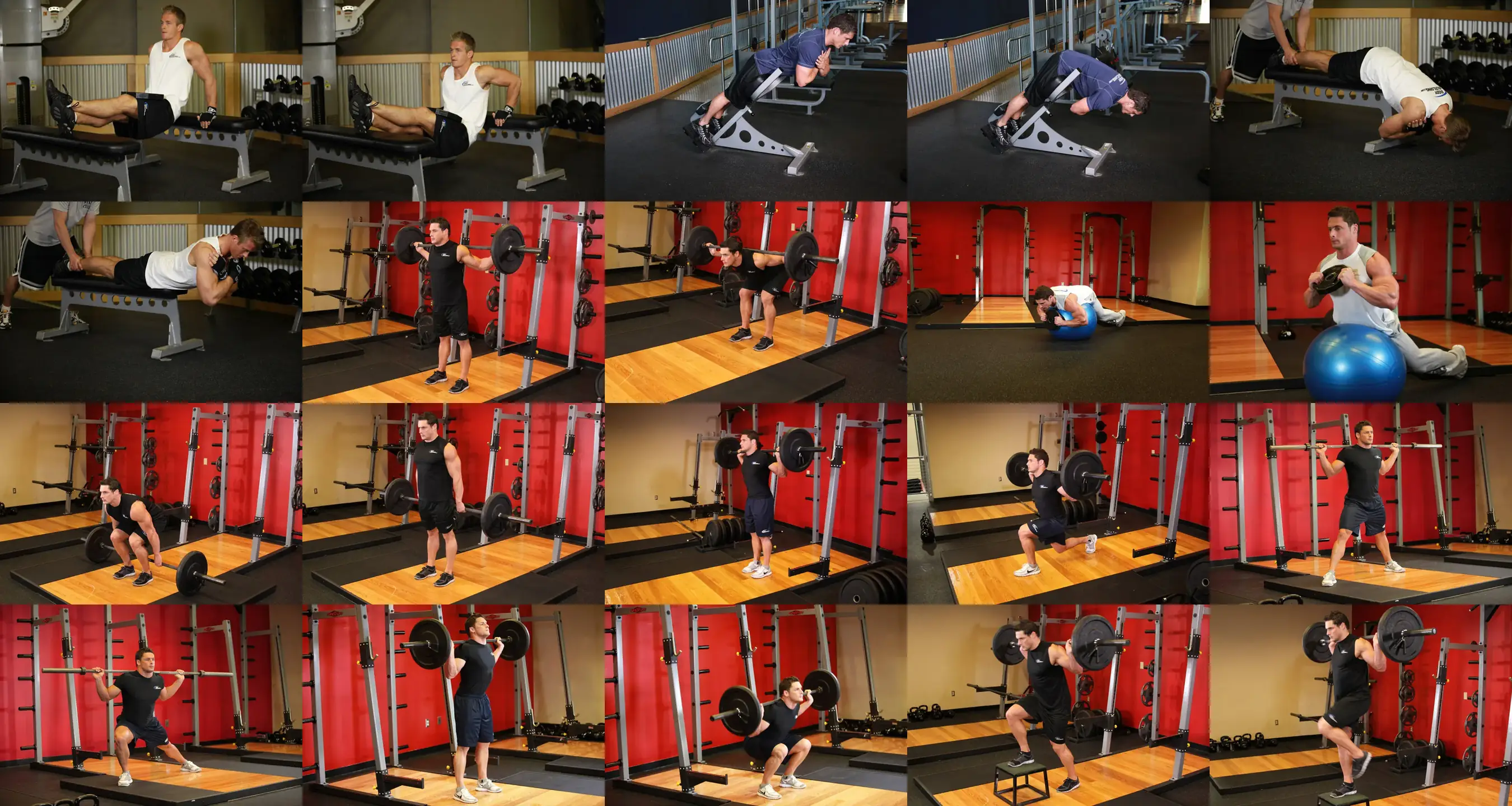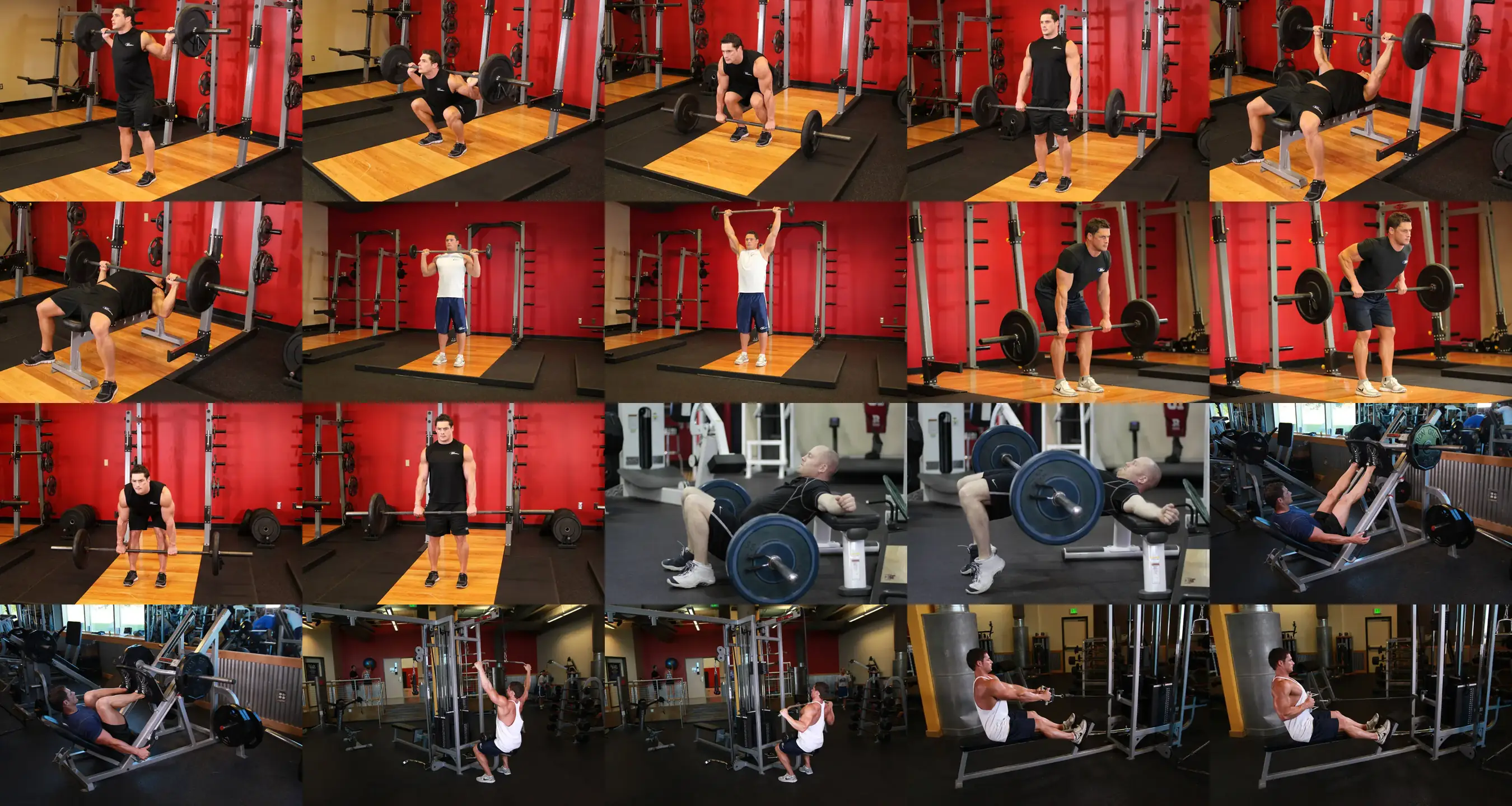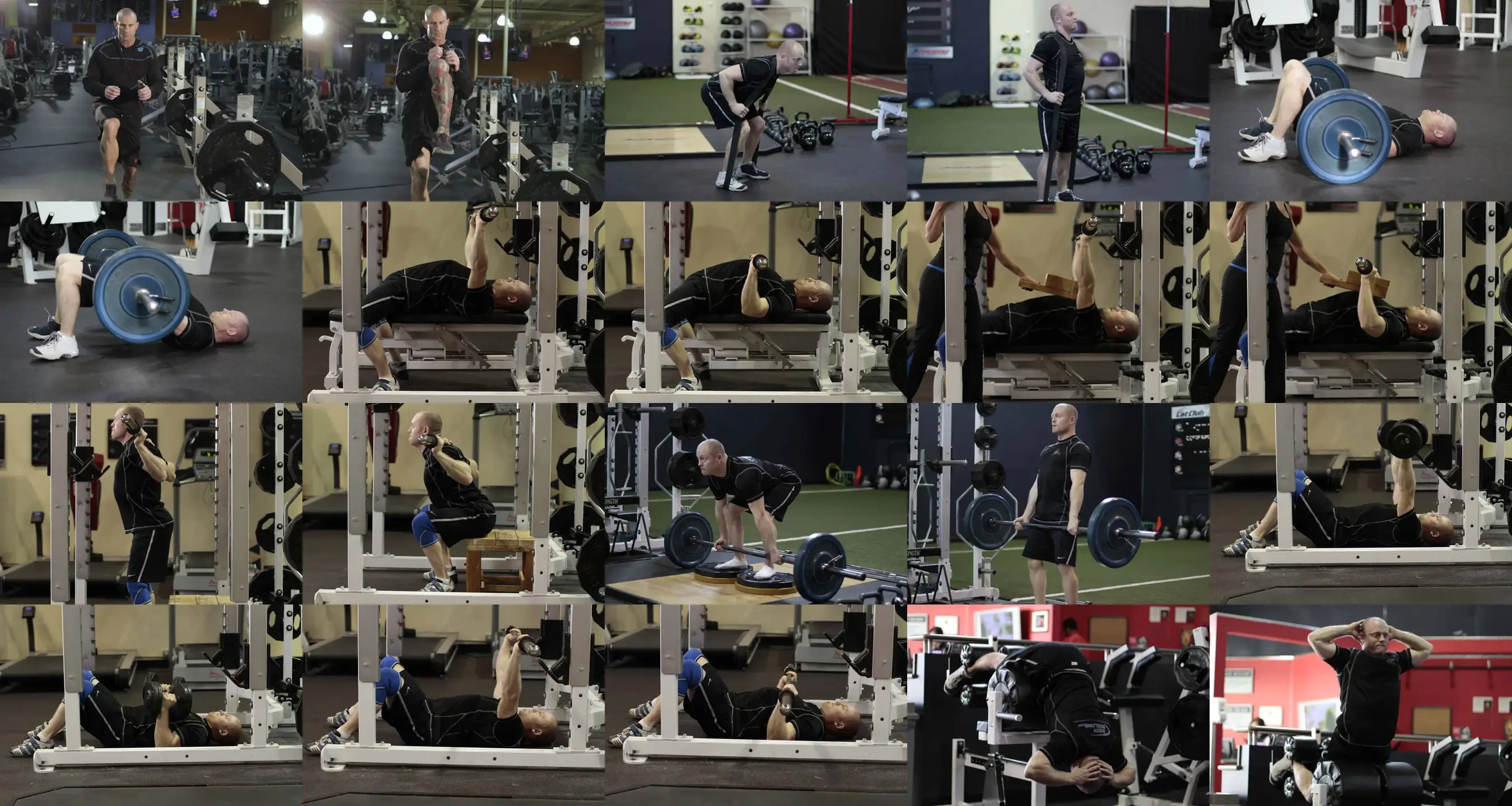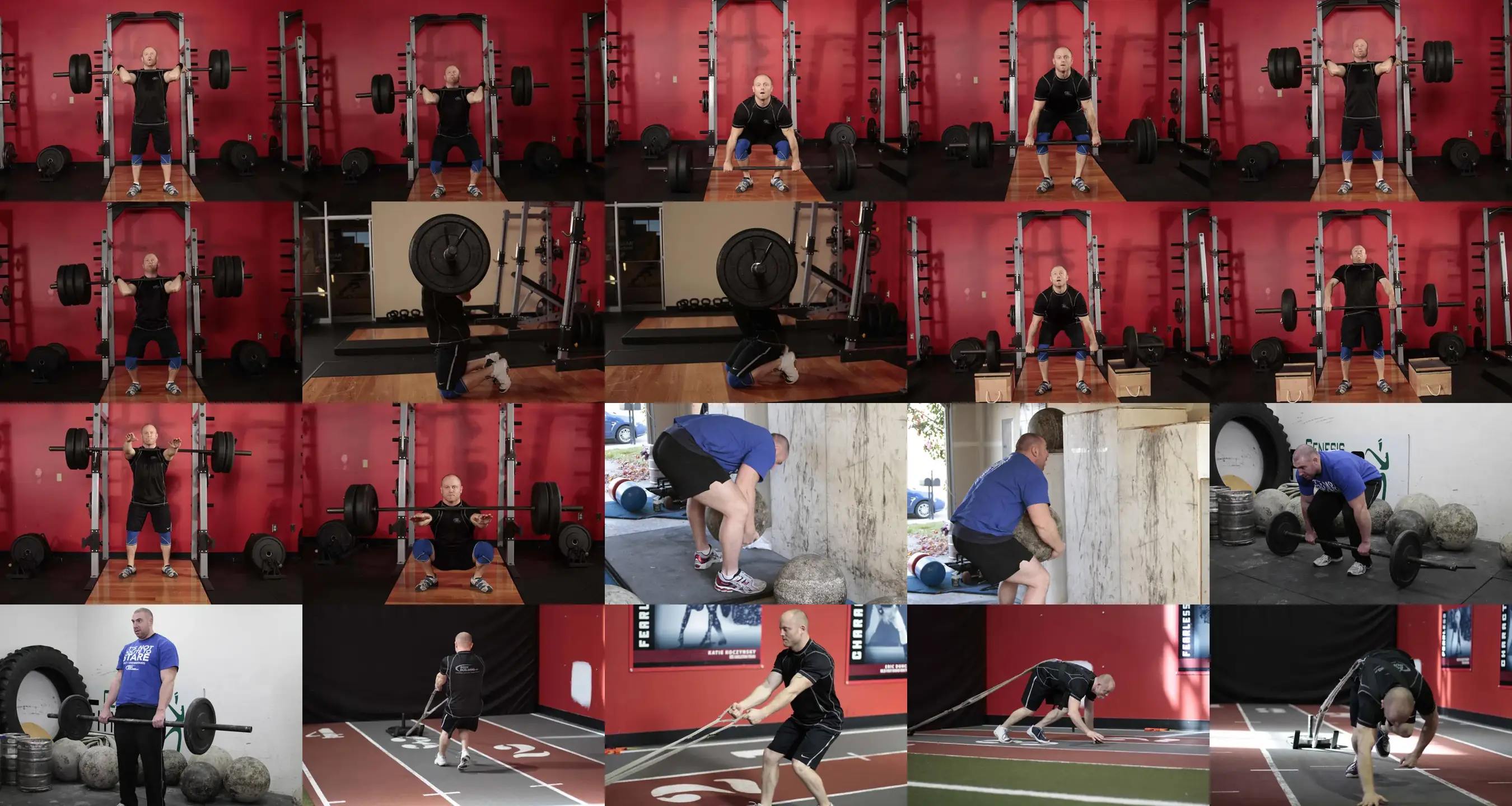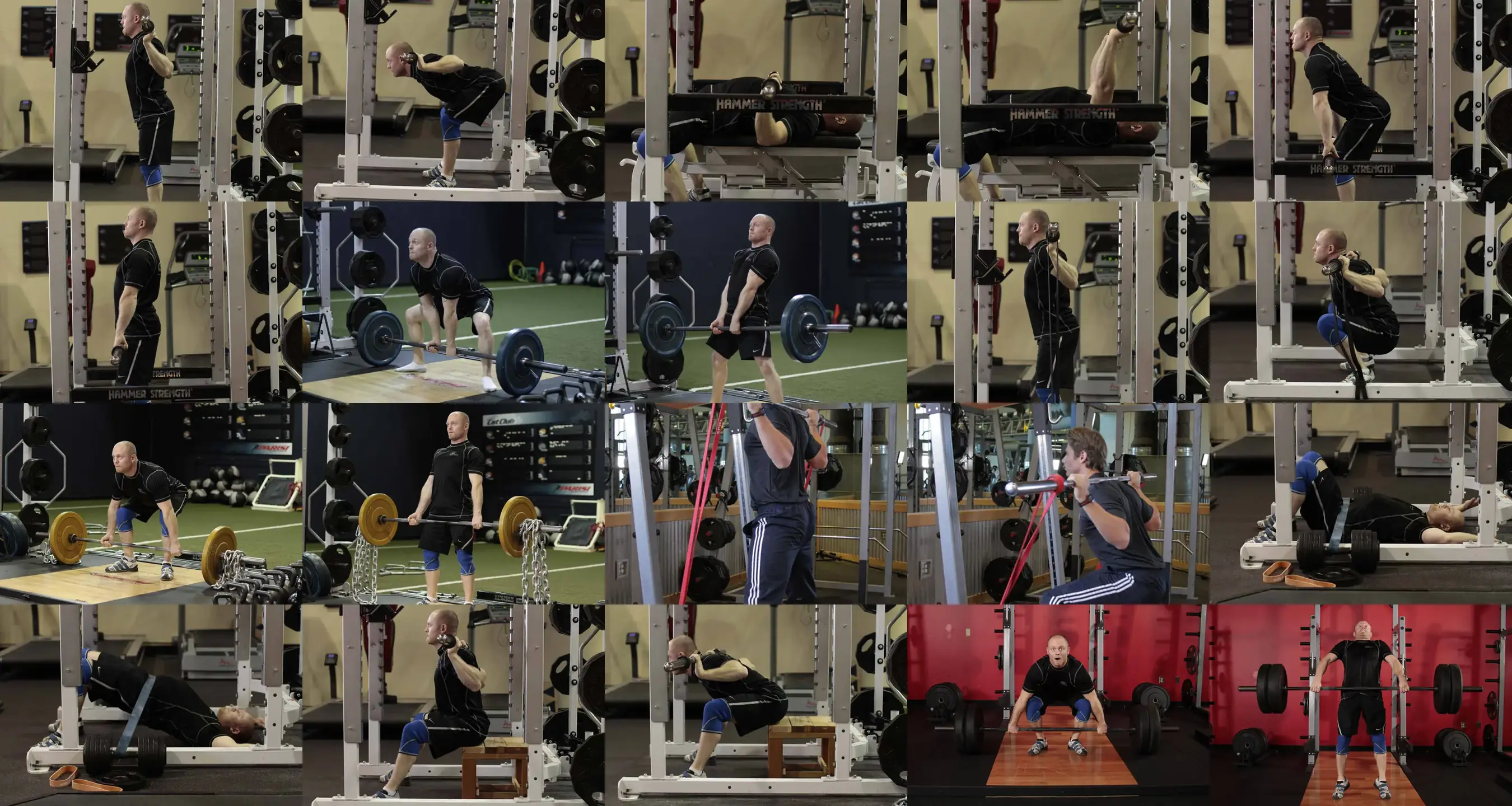
Setup and loading
Place a bench or box inside the rack with the hooks at shoulder height while seated, and sit with a wide foot stance. Start very light, even with an empty bar, because the lever on your lower back is long and range depends on your mobility.
How to do the seated good morning step by step
- Set the box inside the rack, place the bar low on your traps, and sit with feet a bit wider than shoulder width.
- Lift your chest, pull your shoulder blades together, and breathe in while bracing your abs before moving.
- Lean your torso forward from the hips, keeping your spine neutral and letting your pelvis rotate with your torso.
- Lower as far as you can without rounding your lower back, often with your chest near or just above your thighs.
- Return to upright by extending your hips and back together, exhaling as you approach vertical.
- Settle back into the upright position, take another breath, and repeat with the same controlled tempo.
Form cues
- Lean from the hips, not the spine
- Keep your chest up the whole way
- Feet wide to make room for your torso
- Move slowly and stay in control
Common mistakes
- Rounding your back on the way down: it loads the discs; shorten the range and lighten the bar.
- Dropping too fast: you lose control at the weakest point; take two to three seconds down.
- Feet too close together: your torso hits your legs and limits range; widen your stance.
- Using standing good morning weights: the lower back is more isolated here; start much lighter.
How to make it easier or harder
To make it easier, practice with a dowel or a band over your shoulders. To progress, add weight gradually, include a pause at the bottom, or move to standing barbell good mornings.
Sets and reps for your goal
Max Strength
4-5 x 3-6 · rest 2-3 min3-6 sets of 1-6 reps at 80-90% of your max (1RM). Rest 2 to 5 minutes.
Leave 1-3 reps in reserve. If your technique breaks down, lower the weight: strength is built with good reps.
A guide for healthy adults. Adjust the load to your level and see a professional if you have an injury.
Check your form
Film yourself from the side or ask someone to watch, then tick what you get right.
Frequently asked questions
What is the difference between seated and standing good mornings?
Seated, your knees stay bent and your legs barely help, so the hamstrings stretch little and the erectors and glutes do most of the work. Standing adds a big hamstring stretch and usually lets you handle a bit more weight.
Are seated good mornings good for your lower back?
They can strengthen the spinal erectors if you go light and keep a neutral spine. They are not a rehab exercise; if you have back pain, check with a qualified professional before adding them and start with an empty bar.
Sports it suits
Gear for this exercise
- Olympic barbell and platesTo keep progressing on the big lifts with heavy loads.
As an Amazon Associate, Muscle Atlas earns from qualifying purchases.