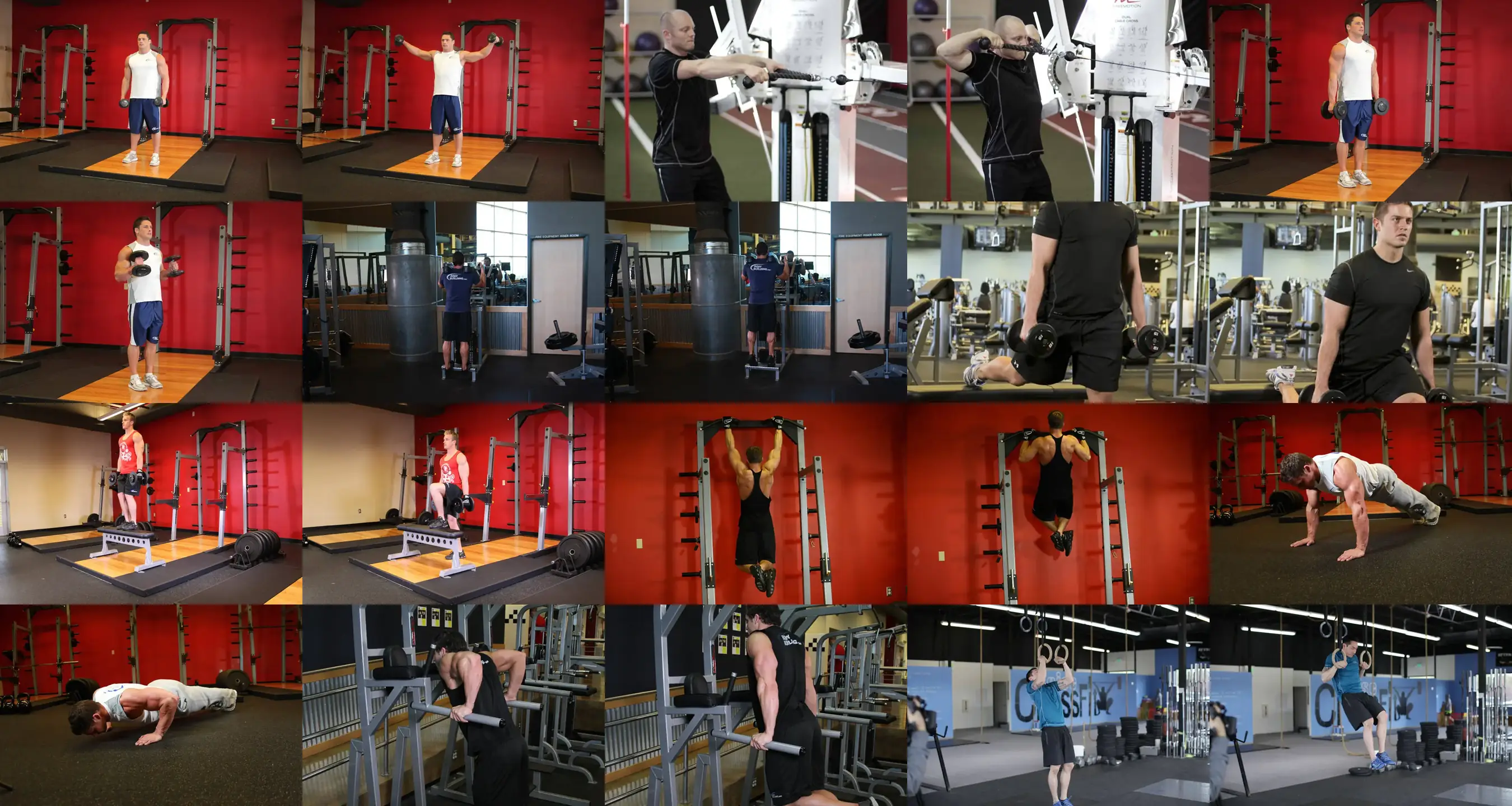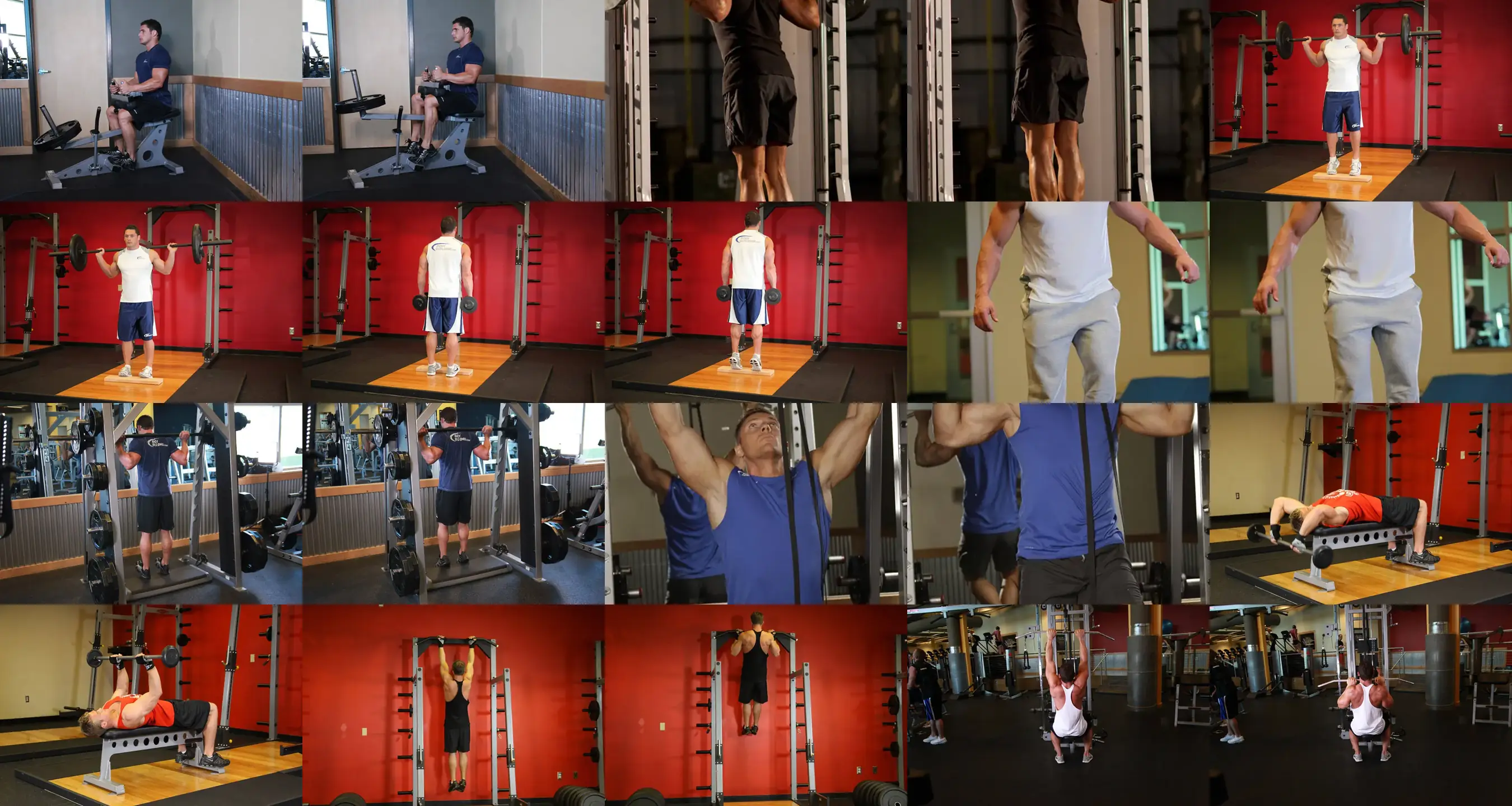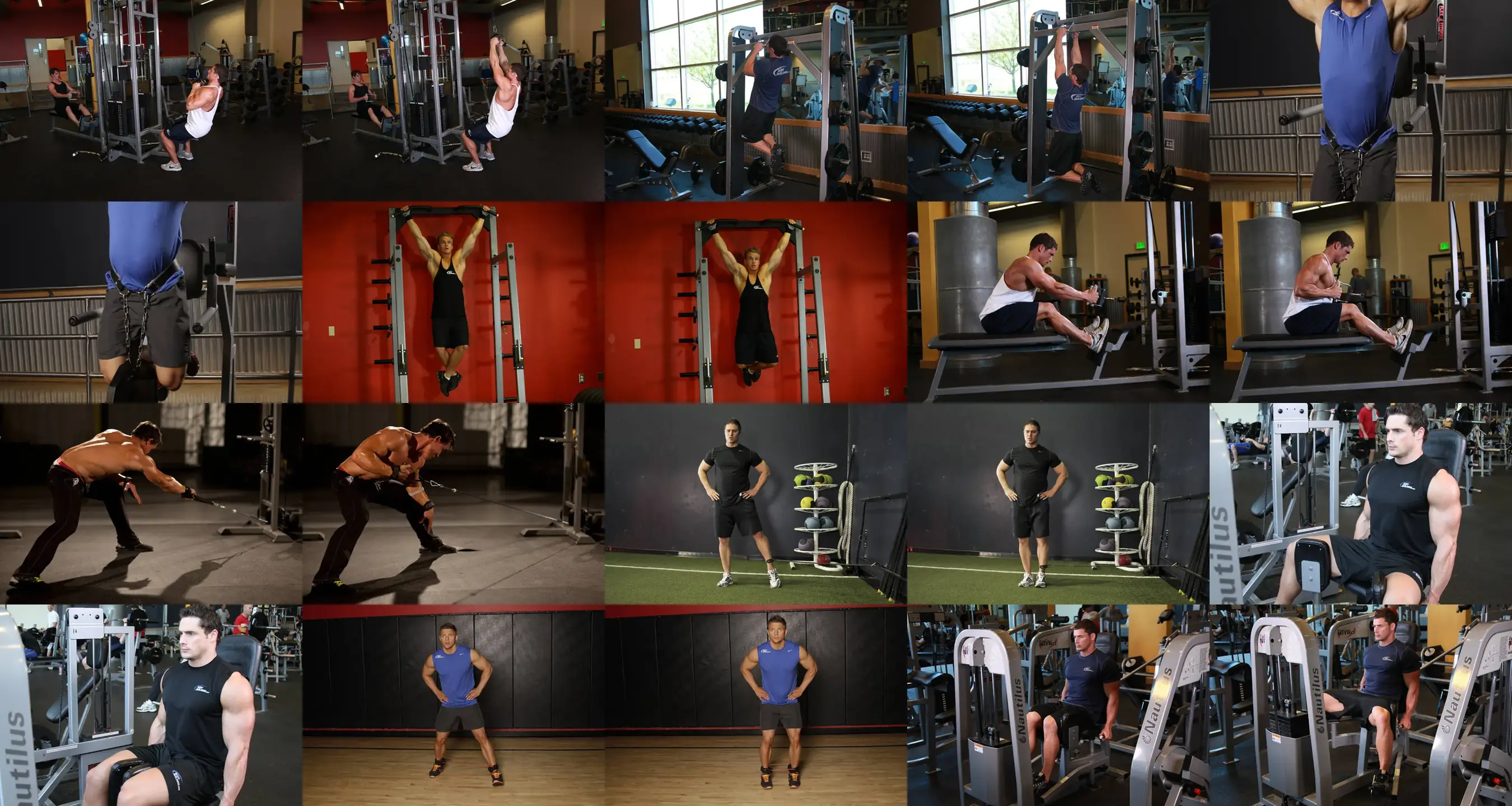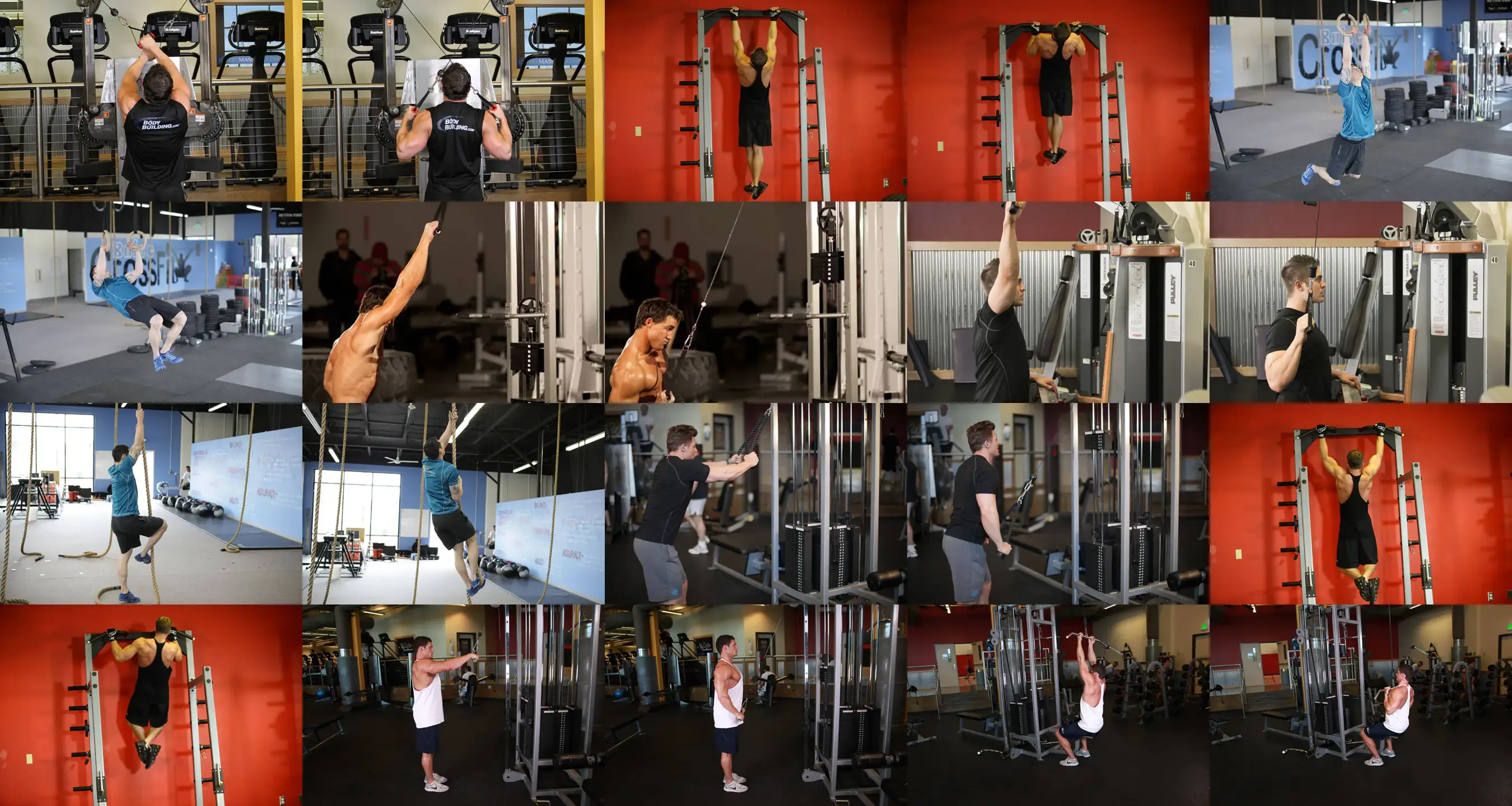
Setup and loading
Attach a single handle to the high pulley and set the pad so your thighs are locked in. Pick a weight that allows 10 to 15 reps without twisting your torso or yanking the cable.
How to do the one-arm lat pulldown step by step
- Sit facing the stack or slightly turned, thighs under the pad, holding the handle in one hand with your arm straight overhead.
- Let your shoulder rise slightly to stretch the lat, then pull your shoulder blade down before bending the elbow.
- Exhale as you pull your elbow down and toward your side, as if sliding it into your back pocket.
- Finish with the handle near your shoulder and your elbow by your ribs, without turning your chest toward the arm.
- Inhale and let the handle rise slowly over two to three seconds until your arm is fully straight again.
- Finish all reps on one arm before switching sides, and start with your weaker side each time.
Form cues
- Drive your elbow into your back pocket
- Keep your chest facing forward, no twisting
- Reach high at the top to stretch the lat
- Set your shoulder down before bending the elbow
Common mistakes
- Twisting your torso to pull the handle down: your core takes over; lower the weight and stay square.
- Pulling with your biceps: the handle drifts to your face; think about driving the elbow down instead.
- Cutting the top short: you lose the lat stretch; let your arm rise until it is straight.
- Leaning way back: it turns the pulldown into a row; keep your torso close to vertical.
How to make it easier or harder
If control is hard, start with a regular neutral-grip pulldown or a kneeling single-arm band pulldown. To progress, add pauses at the bottom, slow negatives, or move to single-arm assisted pull-ups.
Sets and reps for your goal
Hypertrophy
3-4 x 8-12 · rest 60-90 s3-4 sets of 6-12 reps (up to 15-20 on isolation exercises) at 65-80% of your max. Rest 1 to 2 minutes.
Get close to failure (0-3 reps in reserve) and control the lowering for 2-3 seconds. Accumulate 10-20 sets per muscle per week.
Max Strength
4-5 x 3-6 · rest 2-3 min3-6 sets of 1-6 reps at 80-90% of your max (1RM). Rest 2 to 5 minutes.
Leave 1-3 reps in reserve. If your technique breaks down, lower the weight: strength is built with good reps.
A guide for healthy adults. Adjust the load to your level and see a professional if you have an injury.
Check your form
Film yourself from the side or ask someone to watch, then tick what you get right.
Frequently asked questions
Is the one-arm pulldown better than the regular pulldown?
It is not better, just different. The single-arm version gives more range and helps balance sides, while the two-arm version lets you move more total weight. Most back programs benefit from using both.
How should I sit for a one-arm pulldown?
You can face the machine or turn slightly toward the working side so the cable lines up with your arm. What matters most is locking your thighs under the pad and keeping your chest square throughout.