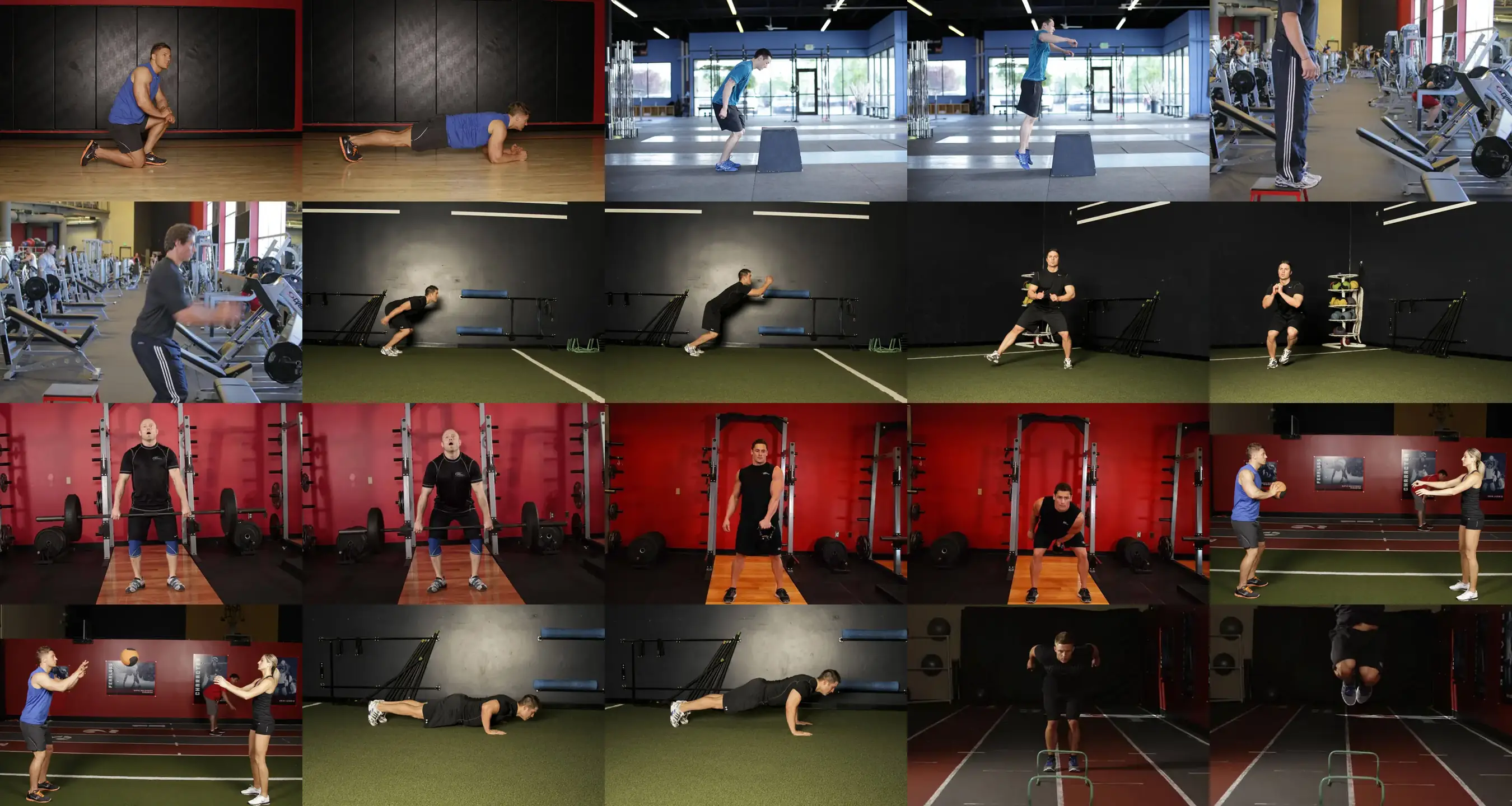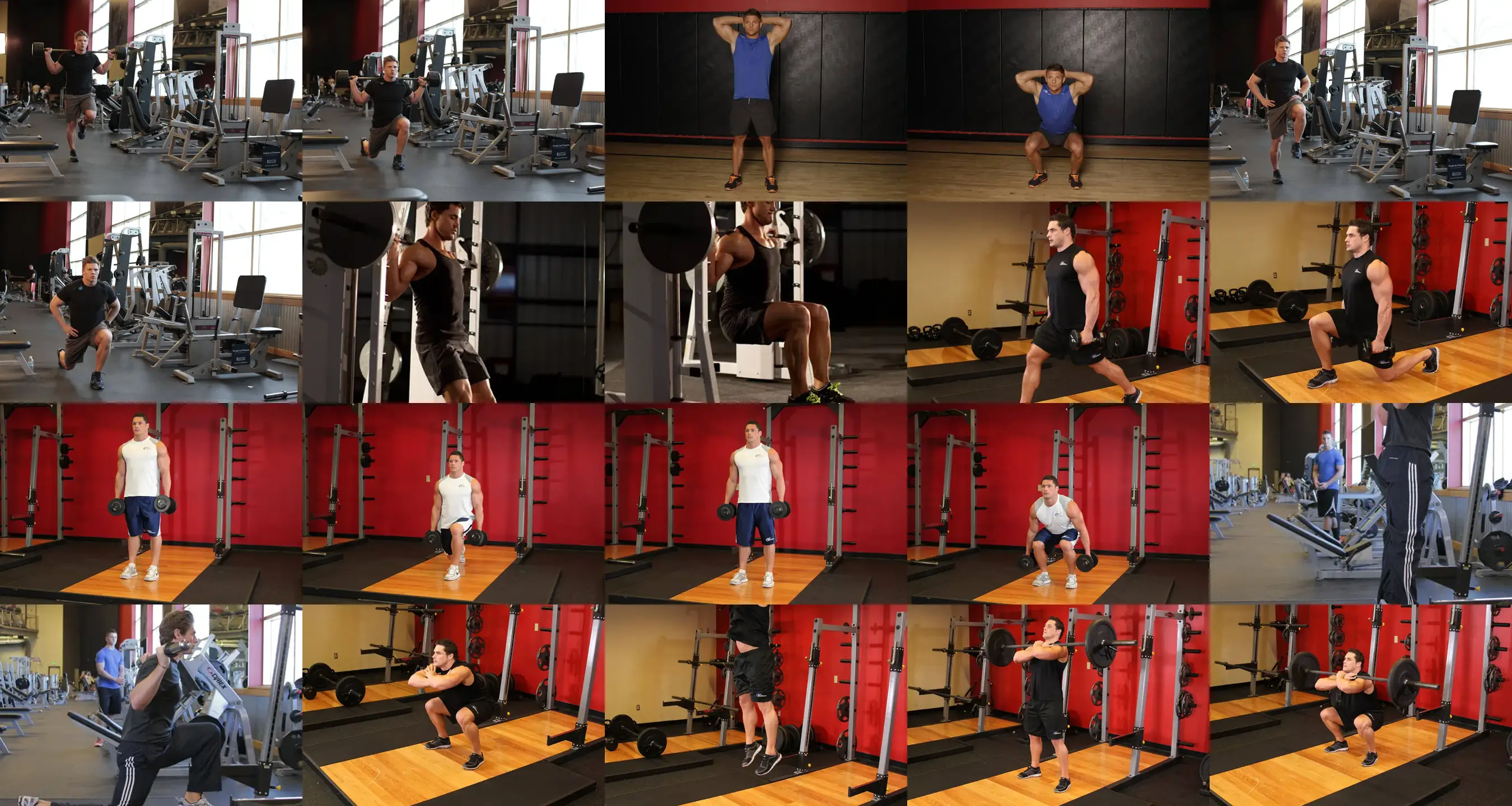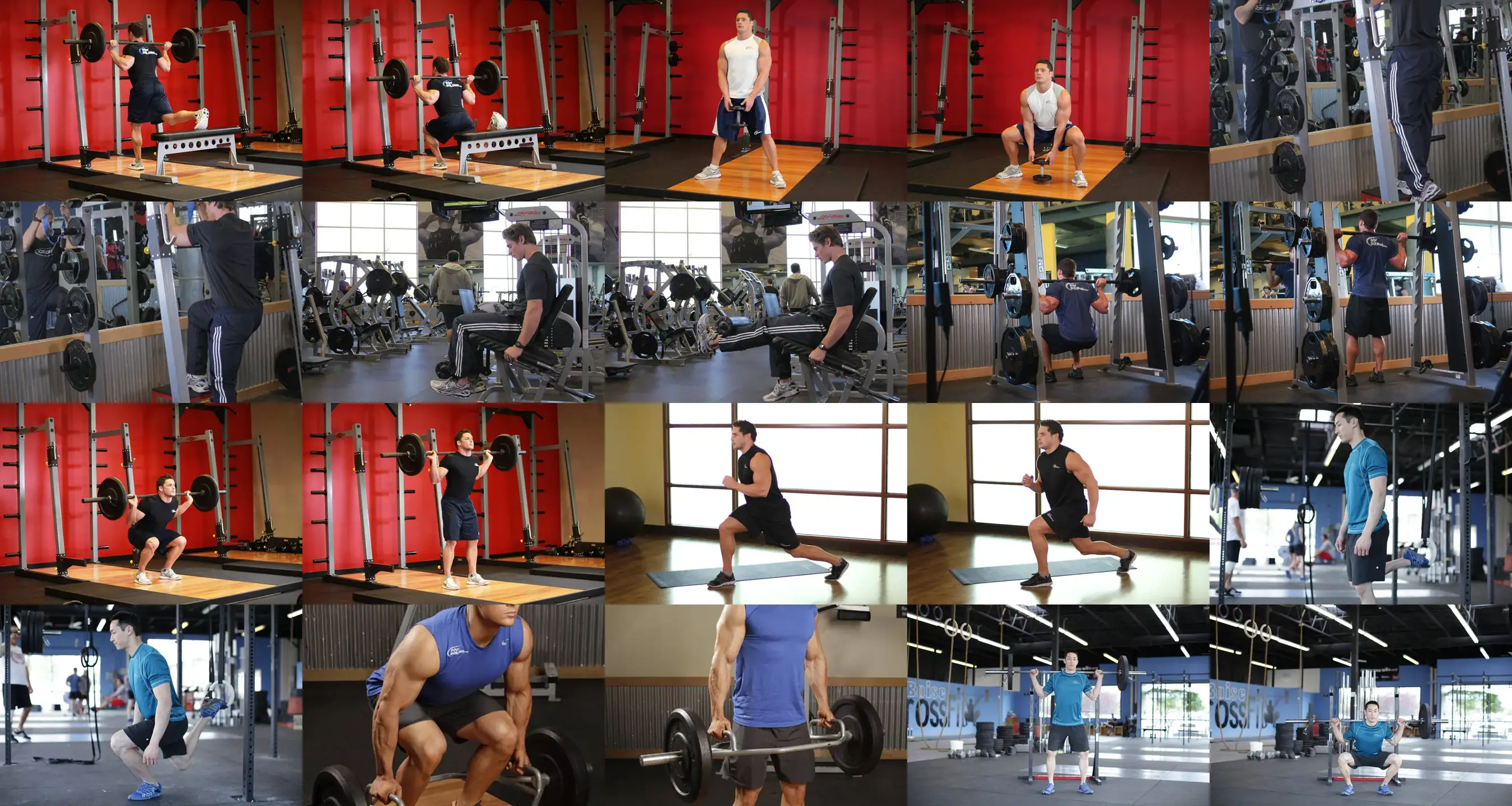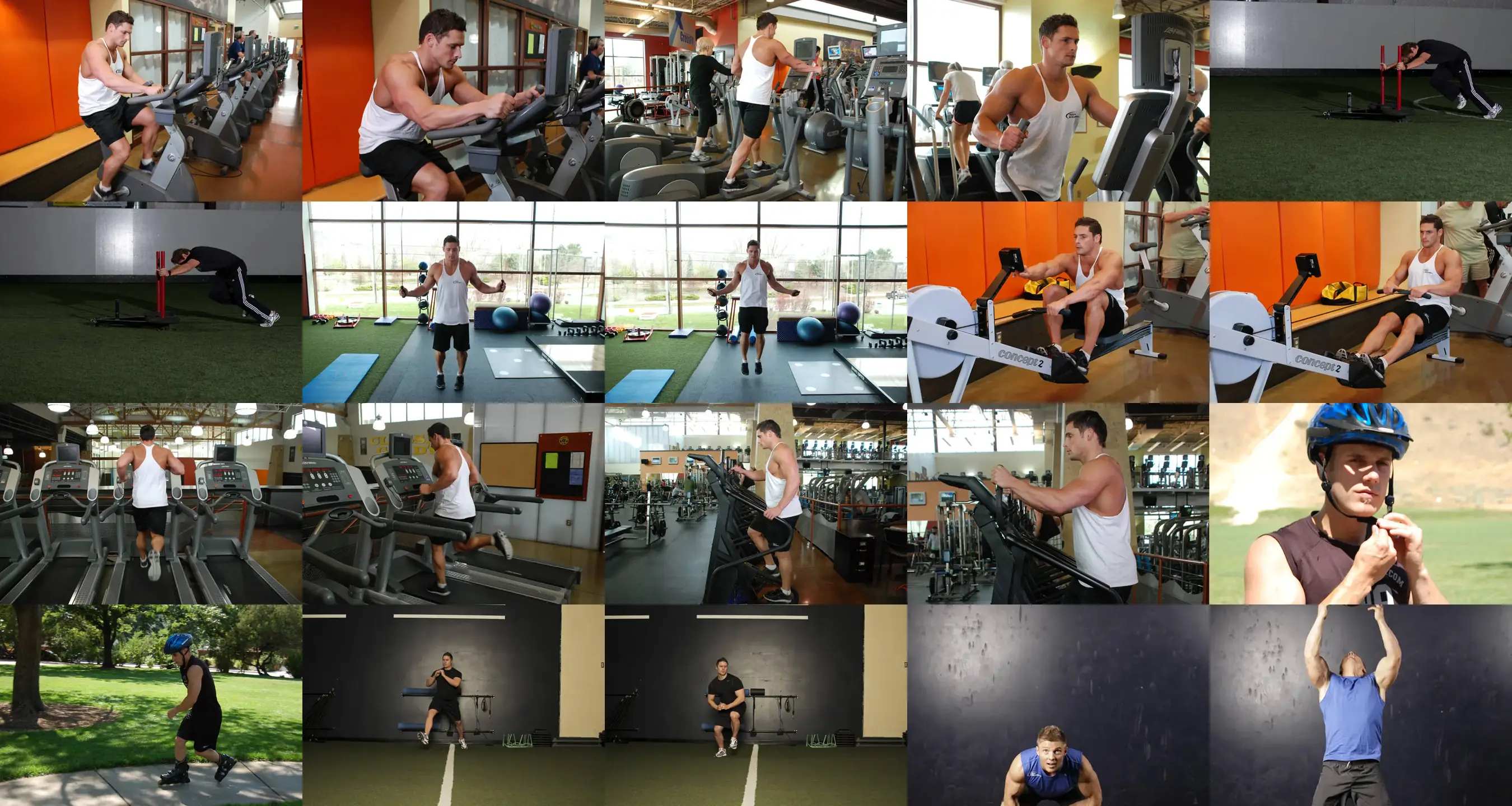
Setup and loading
Do it without load on a forgiving surface like grass or mats. Adjust difficulty with jump height and contact time: start with single jumps and a pause, then link them.
How to do the double-leg butt kick step by step
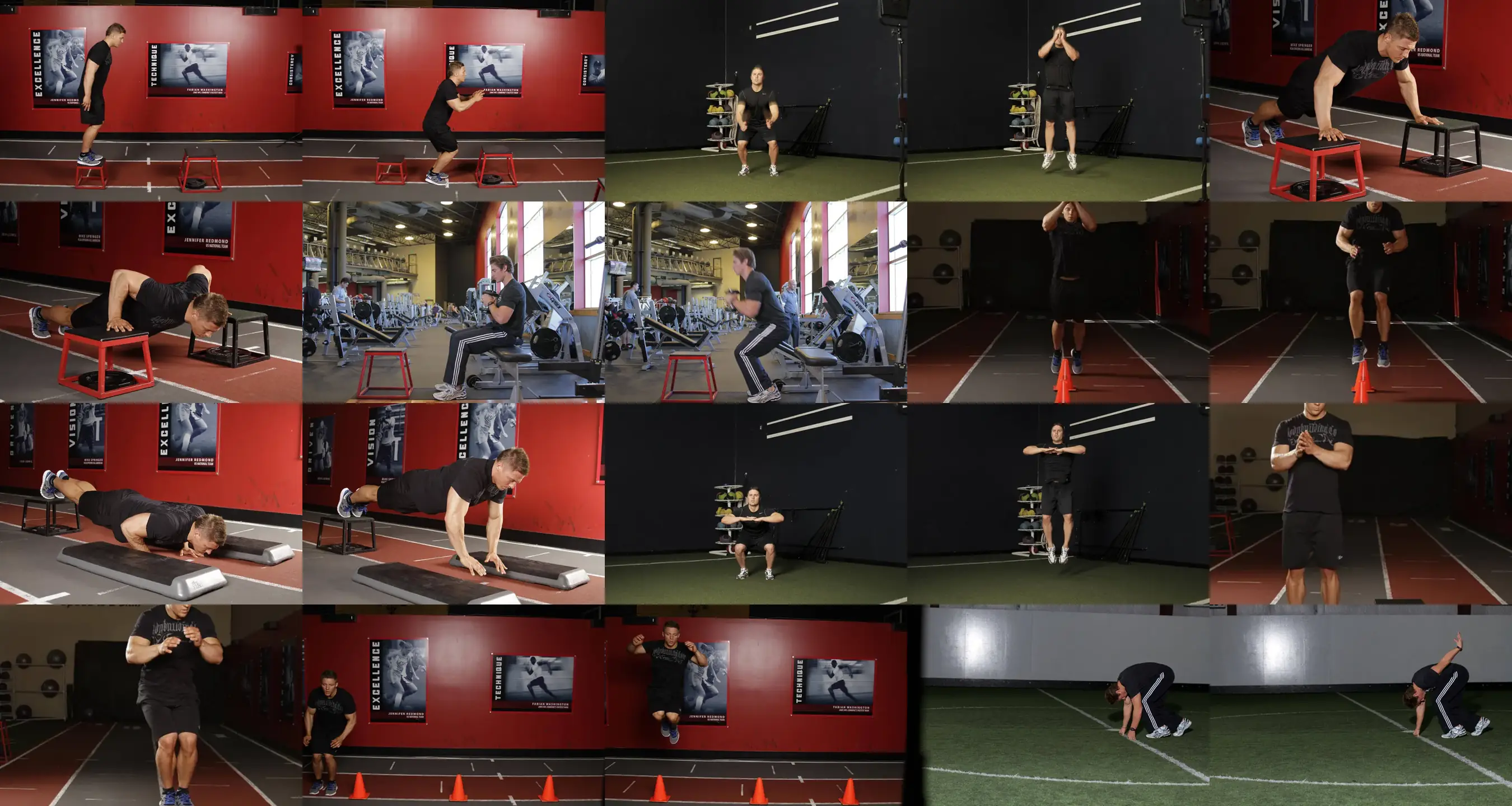
- Stand with feet hip width apart, knees slightly bent and arms at your sides.
- Drop into a quick half squat, swinging your arms back and breathing in.
- Jump by extending your hips, knees and ankles while throwing your arms up.
- At the top, snap your knees bent to bring your heels toward your glutes, thighs close to vertical.
- Straighten your legs before landing and touch down softly on the balls of your feet, exhaling.
- Stick the landing or rebound into the next jump, doing sets of 5 to 10 reps.
Form cues
- Go up first, heels second
- Thighs point down, not to your chest
- Legs ready before you land
- Quiet landing
Common mistakes
- Kicking your heels before takeoff: the jump stays low; finish extension first.
- Pulling your knees to your chest: it becomes a tuck jump; keep thighs vertical.
- Landing with legs still kicked back: you land off balance; straighten them in time.
- Landing stiff on your heels: it jars your joints; absorb through the forefoot.
How to make it easier or harder
As a regression, do butt kicks while jogging in place or plain vertical jumps. To progress, link jumps with minimal ground contact or move to the single leg version.
Sets and reps for your goal
Plyometrics
3-5 x 3-6 jumps · rest 1-2 min3-6 sets of 3-8 jumps. In total, 60-100 contacts per session (40-60 if you're a beginner). Rest 1 to 2 minutes between sets.
Short, quiet ground contact. If the jump loses height or your foot sticks to the ground, stop: the set is no longer training reactivity. Two sessions per week, 48 h apart.
A guide for healthy adults. Adjust the load to your level and see a professional if you have an injury.
Check your form
Film yourself from the side or ask someone to watch, then tick what you get right.
Frequently asked questions
What does the double leg butt kick jump work?
It combines quad and glute power at takeoff with a fast hamstring knee bend. It improves running cycle coordination and vertical explosiveness.
How is it different from a tuck jump?
In a tuck jump you pull your knees to your chest by flexing your hips. Here your hips stay more extended and the knees bend to bring your heels back, which involves the hamstrings more.
Sports it suits
Gear for this exercise
- Exercise matThick (8-10 mm) for floor work.
As an Amazon Associate, Muscle Atlas earns from qualifying purchases.