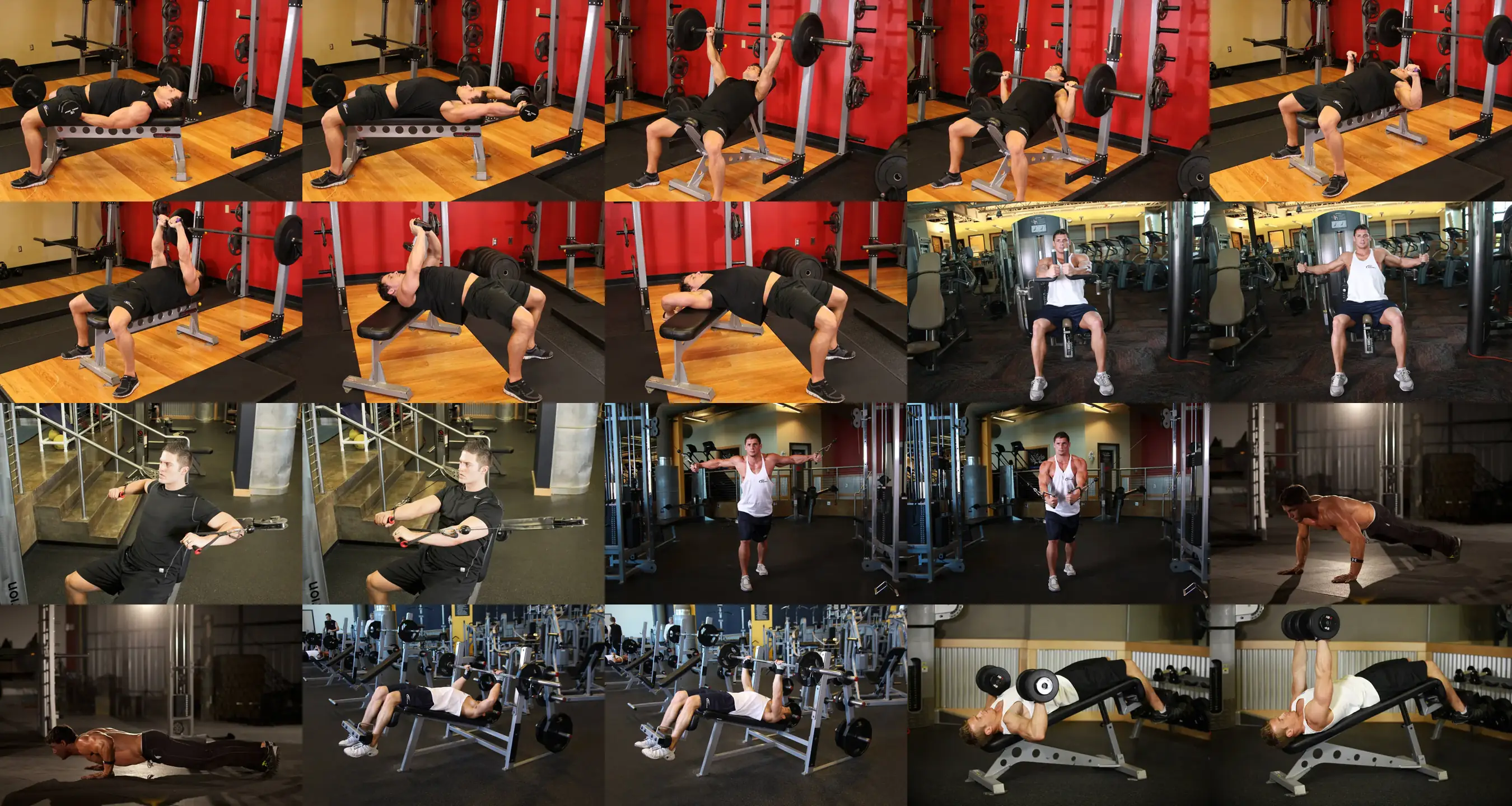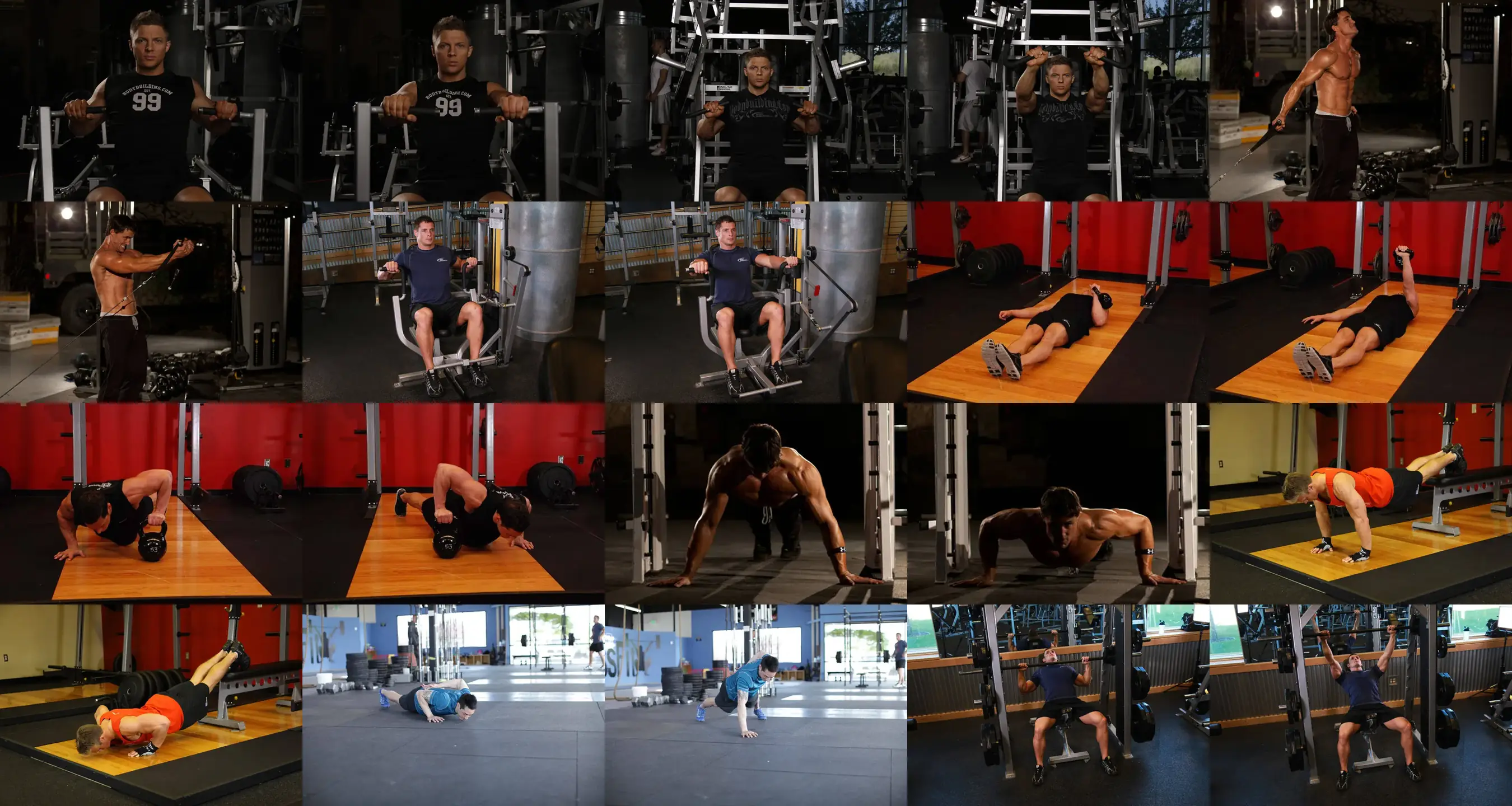
Setup and loading
Set the seat so the handles line up with your mid chest and your back is fully supported. Pick a load you can press for 8 to 12 reps and adjust the start position for a comfortable stretch.
How to do the lever chest press step by step
- Adjust the seat so the handles are at mid chest height and sit with your back against the pad.
- Grab the handles with an overhand or neutral grip, elbows slightly below your shoulders.
- Lift your chest and pull your shoulder blades together, feet planted on the floor or footrest.
- Exhale and press the handles until your arms are straight, without lifting your back or slamming into lockout.
- Inhale and return slowly until you feel a comfortable chest stretch, without letting the plates touch.
- Keep your head on the pad and your shoulders down for the entire set.
Form cues
- Chest up, shoulder blades pinned to the pad
- Handles lined up with your mid chest
- Press without peeling your back off the pad
- Return slowly without the plates touching
Common mistakes
- Seat set wrong: it changes the target and loads the shoulder, so align handles with mid chest.
- Rounding your shoulders as you press: front delts compensate, so keep chest up and blades pinned.
- Letting the weight drop on the return: you lose the lowering phase, so take two seconds.
- Short range from too much load: less stimulus, so lighten up and use full range.
How to make it easier or harder
To regress, reduce the load or use a slightly shorter range at first. To progress, add weight, do single-arm reps on independent-arm machines or move on to the dumbbell bench press.
Sets and reps for your goal
Hypertrophy
3-4 x 8-12 · rest 60-90 s3-4 sets of 6-12 reps (up to 15-20 on isolation exercises) at 65-80% of your max. Rest 1 to 2 minutes.
Get close to failure (0-3 reps in reserve) and control the lowering for 2-3 seconds. Accumulate 10-20 sets per muscle per week.
Max Strength
4-5 x 3-6 · rest 2-3 min3-6 sets of 1-6 reps at 80-90% of your max (1RM). Rest 2 to 5 minutes.
Leave 1-3 reps in reserve. If your technique breaks down, lower the weight: strength is built with good reps.
A guide for healthy adults. Adjust the load to your level and see a professional if you have an injury.
Check your form
Film yourself from the side or ask someone to watch, then tick what you get right.
Frequently asked questions
Is the lever chest press as good as the bench press?
For building muscle it can be just as effective, since you can safely train close to failure. The bench press demands more stability and coordination. Using both gives you the benefits of each.
What seat height should I use on a chest press machine?
The handles should line up with your mid chest, roughly at nipple level. Higher handles shift work to your shoulders, and lower ones make the path feel awkward.