Setup and loading
Use a low, sturdy box, 6 to 12 inches tall, on a non-slip floor, and stand sideways about a foot away. Start at the lowest height and raise it only once every landing is quiet with your knees aligned.
How to do the lateral box jump step by step
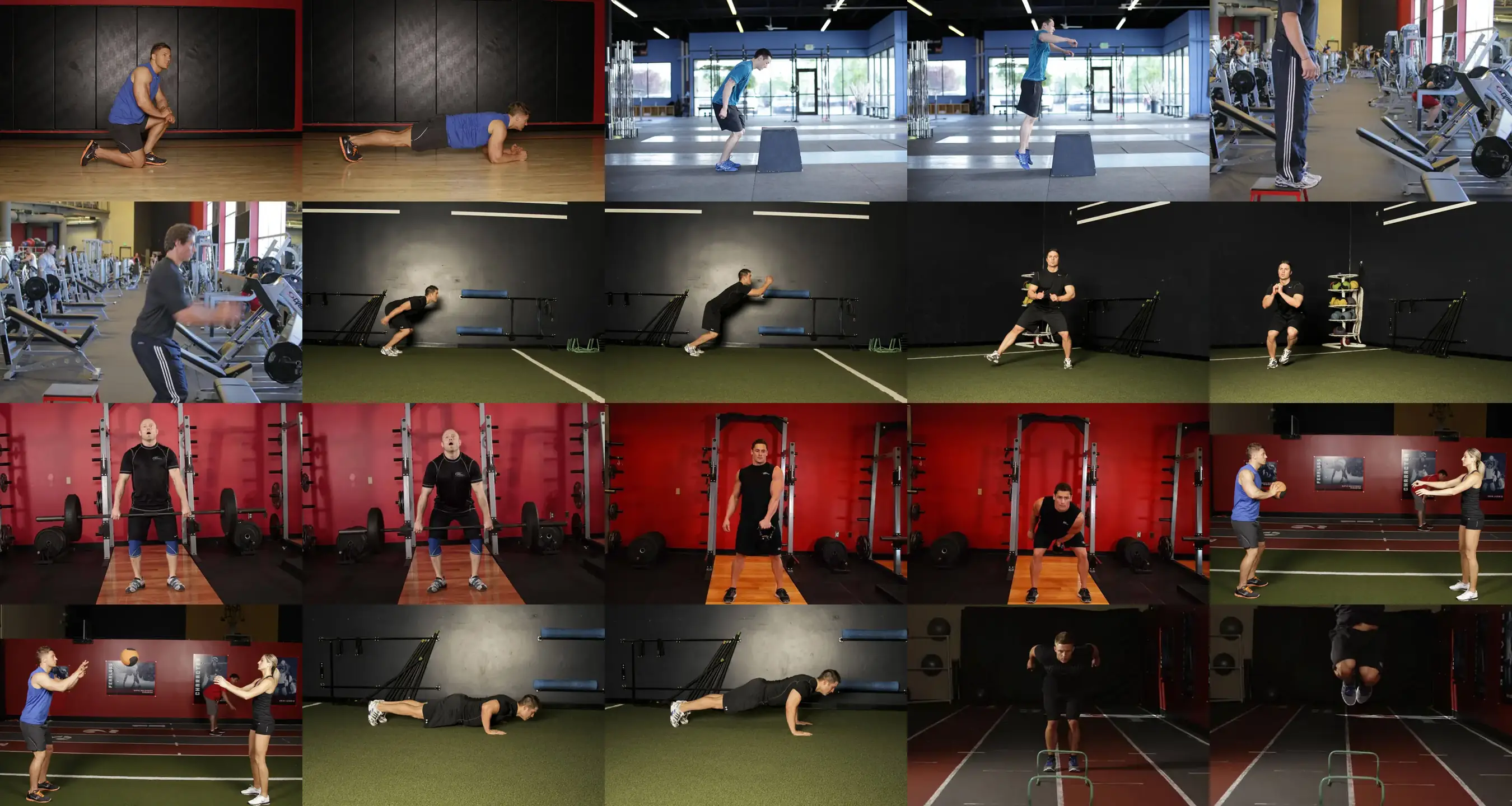
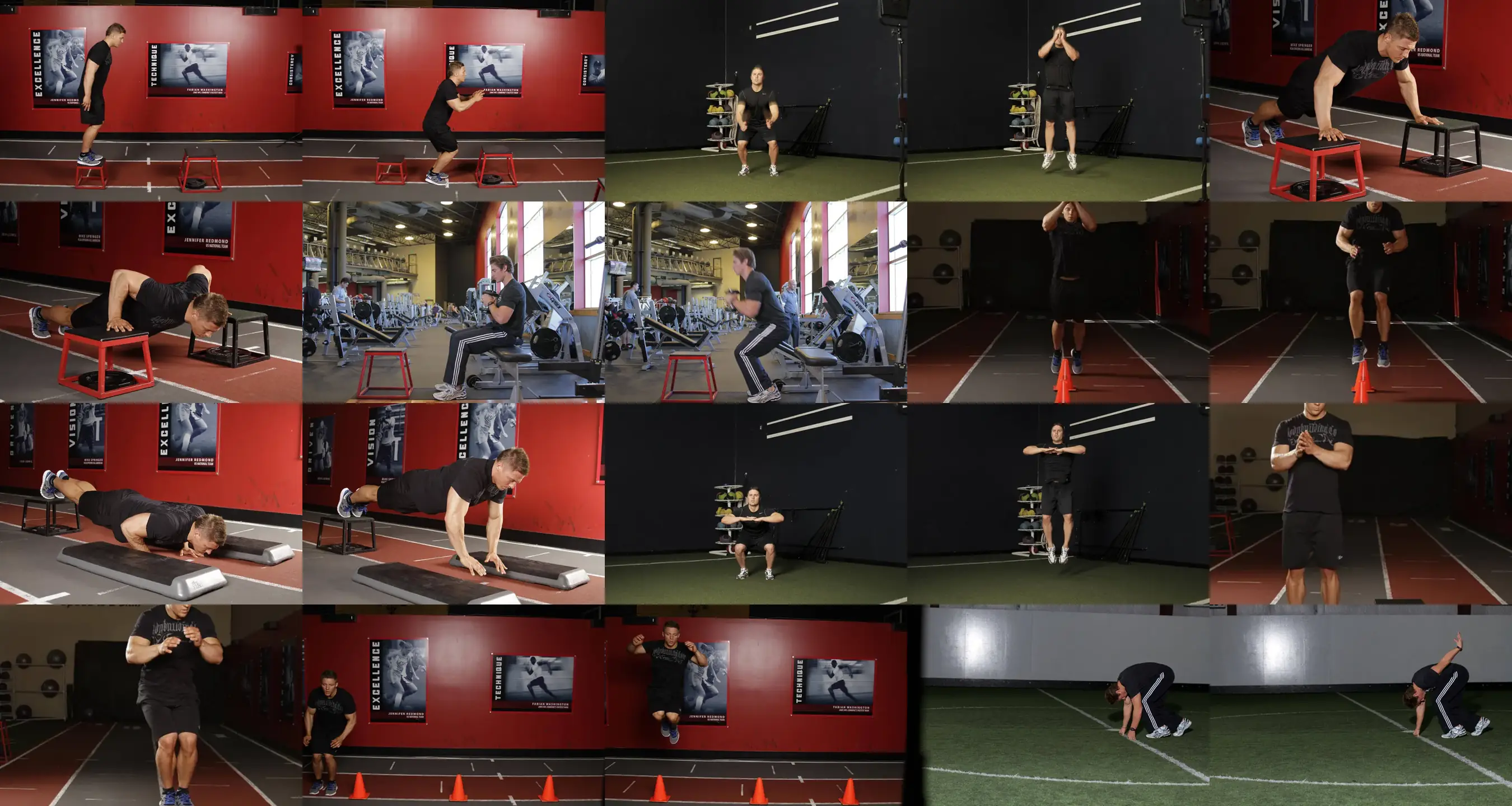
- Stand sideways next to the box, about a foot away, with feet hip-width apart.
- Drop into a quick quarter squat, swinging your arms back and loading the balls of your feet.
- Drive up and sideways with both legs, swinging your arms to gain height.
- Land on the box with both feet at once, knees bent and tracking over your toes.
- Hold the landing for a second with your chest up and hips slightly back.
- Step down off the far side of the box and take a breath before the next rep.
- Finish your reps in one direction, then repeat facing the other way to train both sides.
Form cues
- Soft, quiet landing on the box
- Knees in line with your toes
- Let your arms power the jump
- Chest up and hips back on landing
Common mistakes
- Knees caving on landing: it stresses the knee; push knees out and use a lower box.
- Box too high: you land in a deep squat or trip; pick a height you control.
- Jumping down off the box: it adds needless impact; step down between reps.
- Landing one foot first: you lose stability; land with both feet at the same time.
How to make it easier or harder
To start, practice lateral hops over a line on the floor or a very low hurdle with a pause between jumps. To progress, raise the box, link side-to-side jumps over it, or move to single-leg lateral hops and skater jumps.
Sets and reps for your goal
Plyometrics
3-5 x 3-6 jumps · rest 1-2 min3-6 sets of 3-8 jumps. In total, 60-100 contacts per session (40-60 if you're a beginner). Rest 1 to 2 minutes between sets.
Short, quiet ground contact. If the jump loses height or your foot sticks to the ground, stop: the set is no longer training reactivity. Two sessions per week, 48 h apart.
A guide for healthy adults. Adjust the load to your level and see a professional if you have an injury.
Check your form
Film yourself from the side or ask someone to watch, then tick what you get right.
Frequently asked questions
What are lateral box jumps good for?
They build power in the side-to-side plane and improve knee and hip stability when landing. They're useful for sports with changes of direction, like soccer, basketball or tennis, and they train your adductors and glute medius.
How high should the box be for lateral box jumps?
For beginners, 6 to 12 inches. The right height lets you land softly with aligned knees and without sinking into a deep squat. Raise it only when your technique is consistent rep after rep.
Sports it suits
Gear for this exercise
- Plyo boxFoam boxes forgive missed jumps.
As an Amazon Associate, Muscle Atlas earns from qualifying purchases.