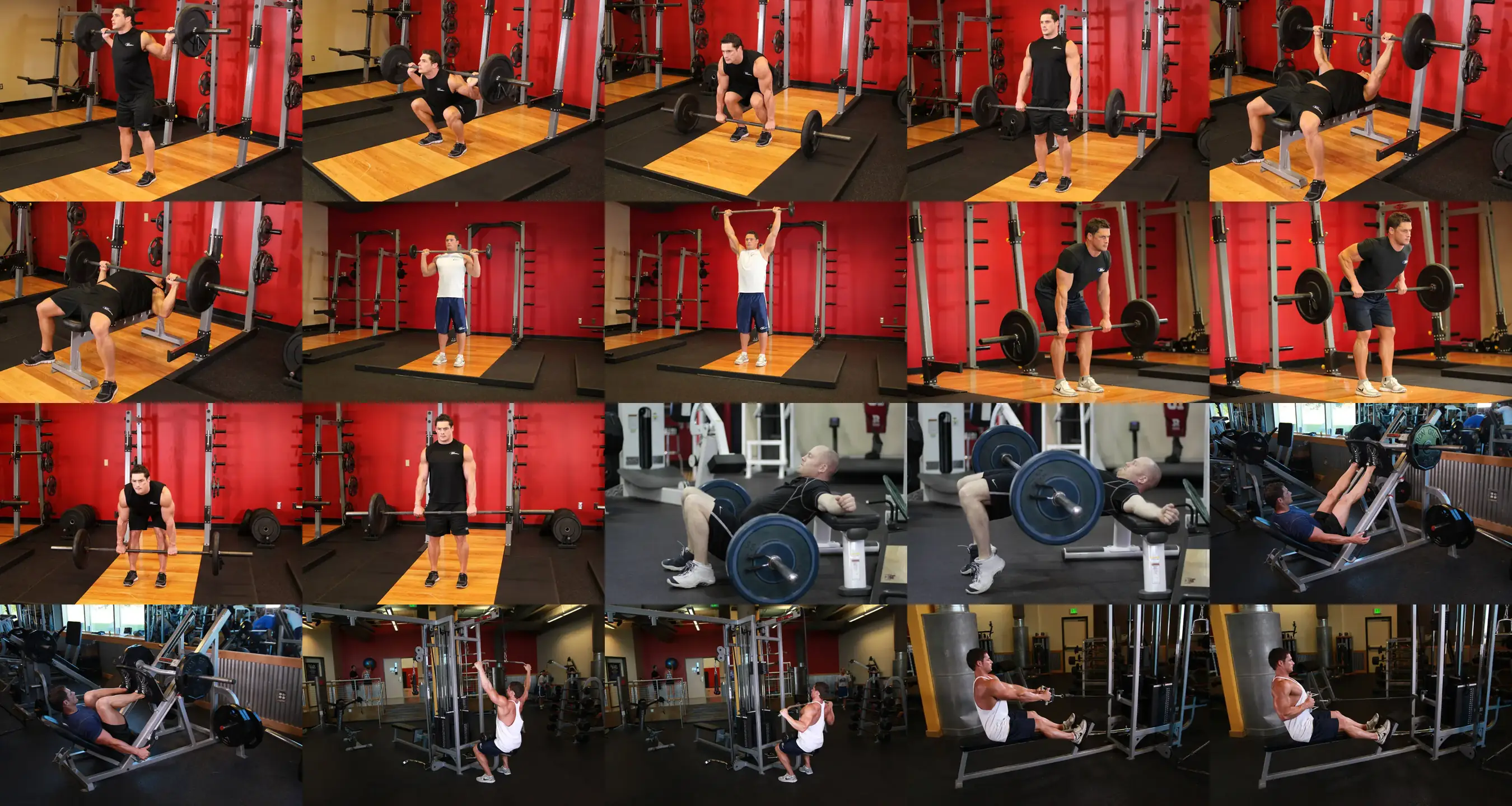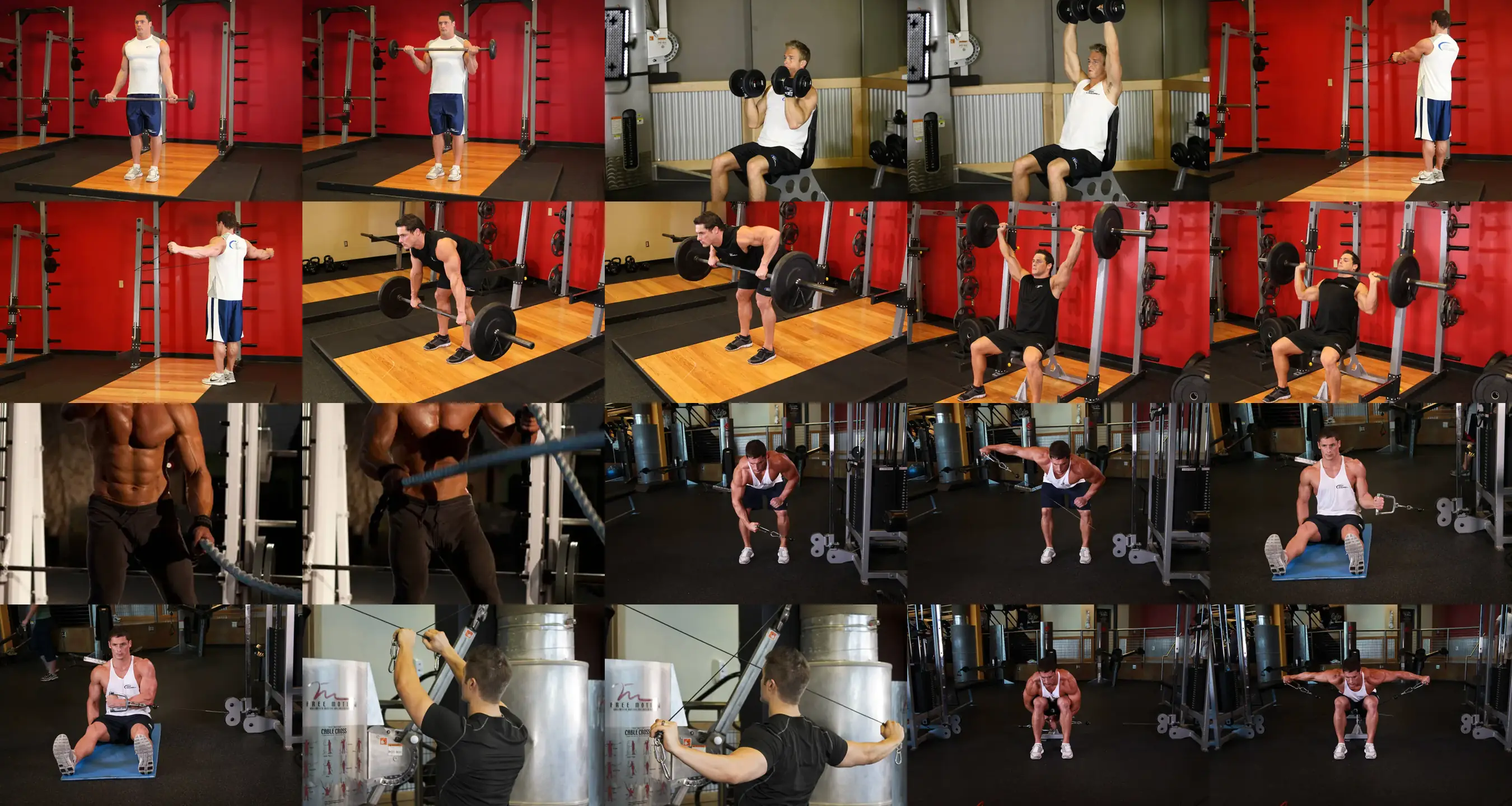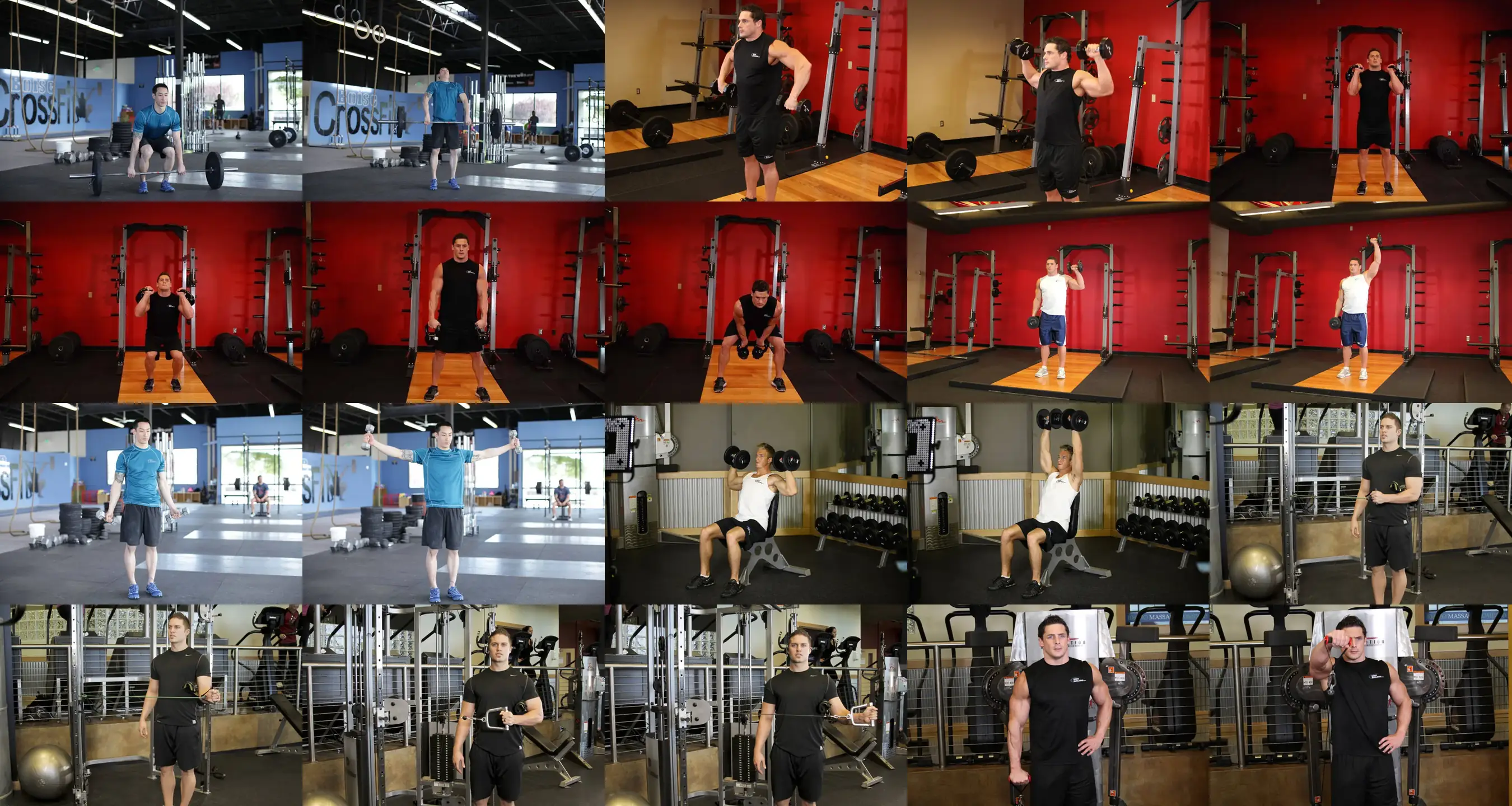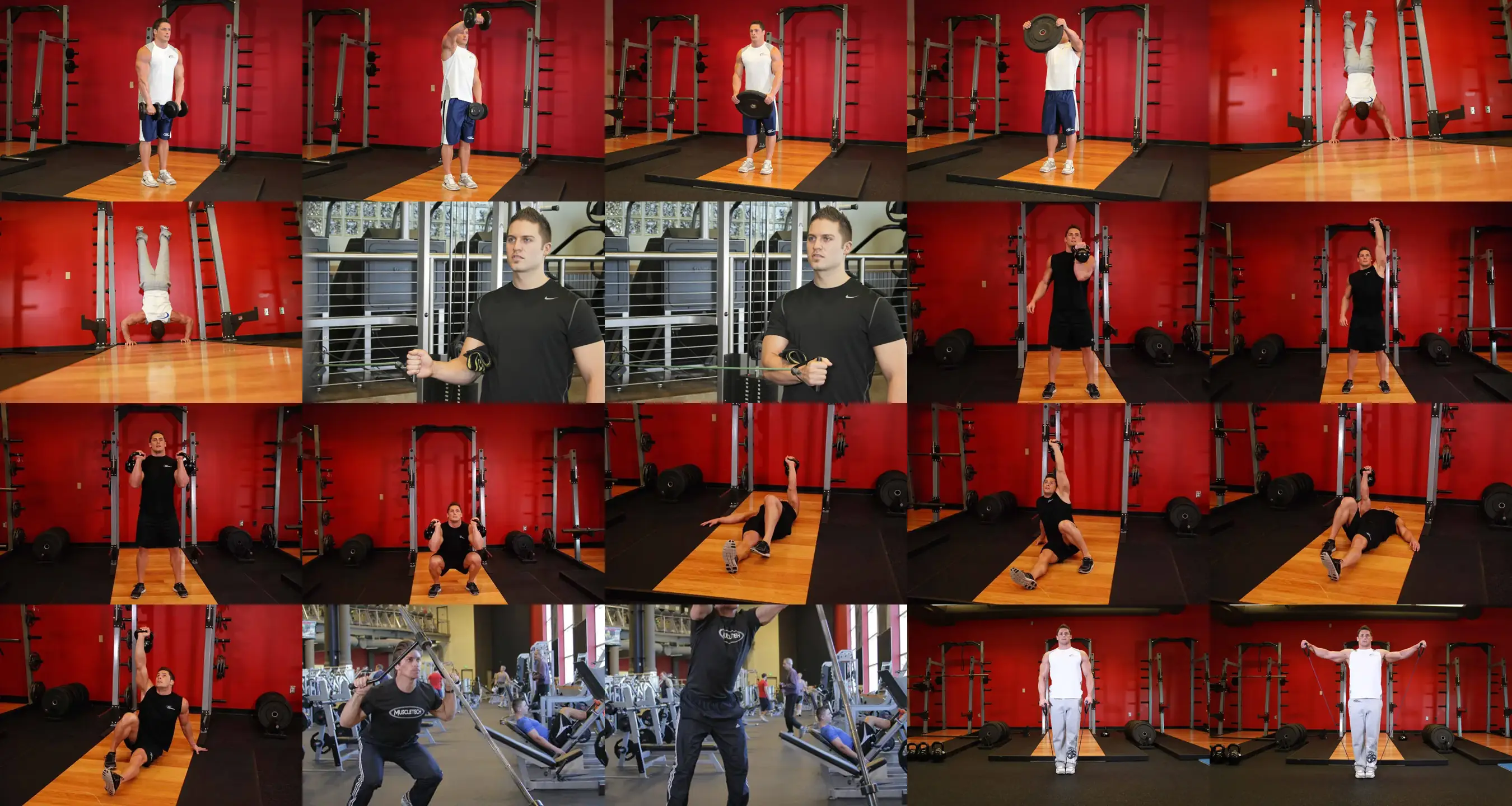
Setup and loading
Use light dumbbells: your arm acts as a long lever, so small jumps in weight feel big. Choose a weight you can lift for 12 to 20 reps with a controlled lowering and no body swing.
How to do the dumbbell lateral raise step by step
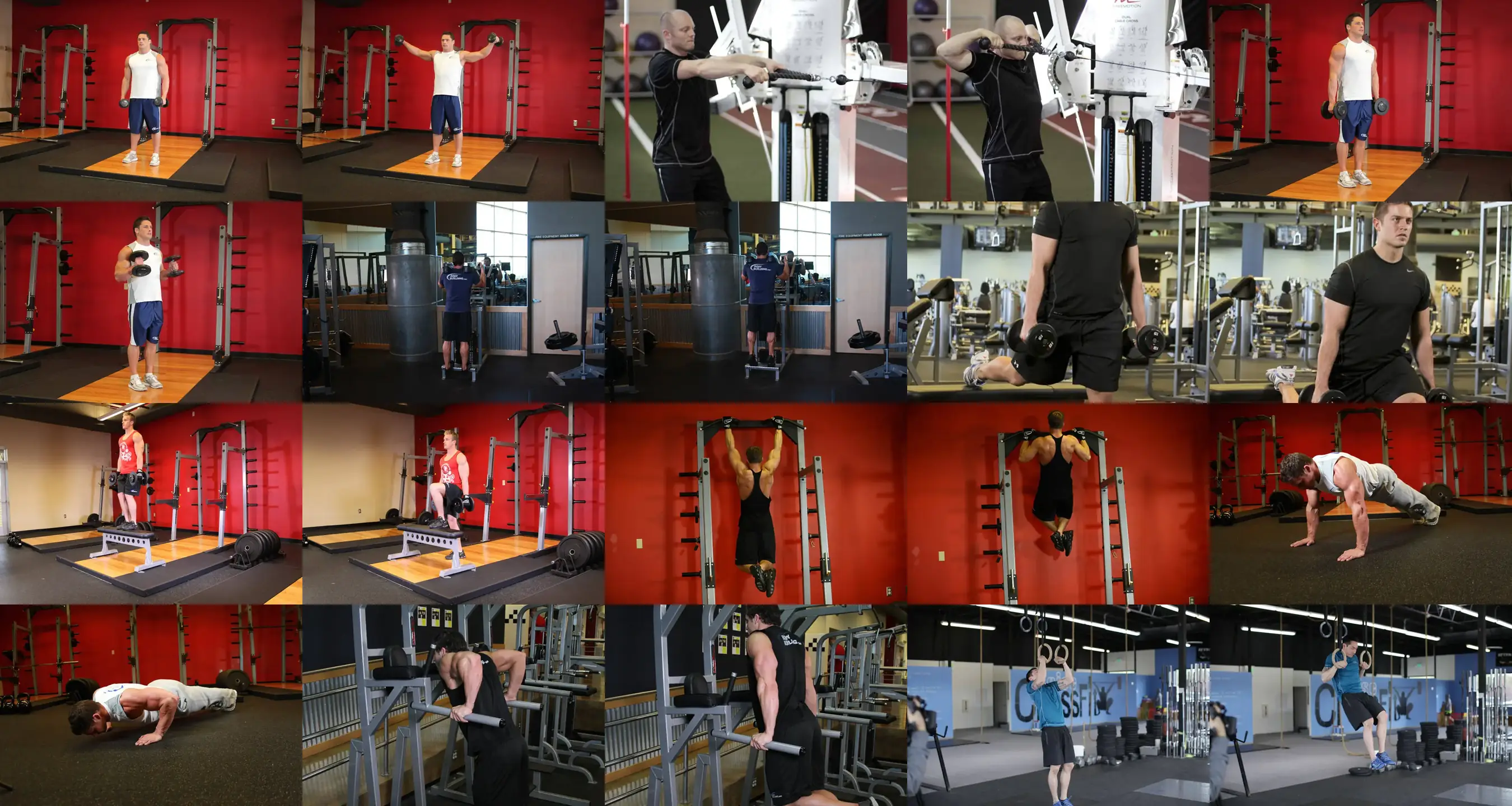
- Stand with your feet hip-width apart, knees soft, holding a dumbbell in each hand beside your thighs.
- Lean your torso forward very slightly and bend your elbows about 15 degrees, keeping that angle the whole way.
- Breathe in and raise your arms out to the sides, as if pushing the dumbbells away toward the walls.
- Stop when your elbows reach shoulder height, with your elbows slightly higher than your hands.
- Pause briefly at the top without shrugging, and breathe out.
- Lower the dumbbells over 2 to 3 seconds until they almost touch your thighs, then start the next rep right away.
Form cues
- Lead with your elbows, not your hands
- Shoulders down, away from your ears
- Push the dumbbells out toward the walls
- Lower twice as slowly as you lift
Common mistakes
- Swinging your body: momentum does the lifting; drop the weight and keep your torso still.
- Shrugging at the top: it shifts work to your neck; stop at shoulder height and relax your traps.
- Hands rising above your elbows: it rotates the shoulder inward; always lead with your elbow.
- Dropping the dumbbells: you lose half the stimulus; control the lowering for 2 to 3 seconds.
How to make it easier or harder
To make it easier, do them seated on a bench or one arm at a time while holding a support to remove any swing. To progress, try cable lateral raises, lean-away lateral raises, or side-lying incline raises, or add partial reps at the end of a set.
Sets and reps for your goal
Hypertrophy
3-4 x 12-203-4 sets of 6-12 reps (up to 15-20 on isolation exercises) at 65-80% of your max. Rest 1 to 2 minutes.
Get close to failure (0-3 reps in reserve) and control the lowering for 2-3 seconds. Accumulate 10-20 sets per muscle per week.
A guide for healthy adults. Adjust the load to your level and see a professional if you have an injury.
Check your form
Film yourself from the side or ask someone to watch, then tick what you get right.
Frequently asked questions
How much weight should I use for lateral raises?
Far less than for presses. Most people progress best with dumbbells around 10 to 20 pounds and higher reps, 12 to 20. If you need to swing or shrug to get the weight up, it is too heavy.
Should you raise your arms above shoulder height?
You do not need to. Shoulder height already trains your side delts through their most useful range. Going higher tends to bring in your upper traps. If your mobility is good, you can go slightly higher without shrugging.
Sports it suits
Gear for this exercise
- Adjustable dumbbellsSave space and replace a whole dumbbell rack at home.
As an Amazon Associate, Muscle Atlas earns from qualifying purchases.