Setup and loading
Place the bar low on your traps, as in a low bar squat, and unrack it with the hooks around mid chest. Start light, around 30 to 40 percent of your squat, because the leverage on your back is very long.
How to do the good morning step by step
- Unrack the bar across your lower traps and stand with your feet about hip width apart.
- Bend your knees slightly, take a big breath, and brace your abs as if bracing for a punch.
- Push your hips back and tip your torso forward, keeping a neutral spine and the bar over your midfoot.
- Lower until you feel a strong hamstring stretch, usually near parallel to the floor, without losing your lower back arch.
- Drive your hips forward and squeeze your glutes to return to standing.
- Exhale as you finish the rep, then breathe in and brace again before the next one.
Form cues
- Push your hips back like closing a door
- Neutral spine, eyes a few feet ahead
- Soft knees that stay locked in place
- Only go as low as your back allows
Common mistakes
- Rounding the back on the way down: it loads the spinal discs; shorten the range and reduce weight.
- Bending the knees too much: it turns into a squat; keep a slight, fixed knee bend.
- Going too heavy: the long lever forces bad positions; prioritize control and technique.
- Looking up at the ceiling: it cranks your neck; keep your head in line with your torso.
How to make it easier or harder
If you are still learning to hinge, start with band good mornings or a dowel on your back. To progress, add weight gradually, try safety squat bar good mornings, or add a pause at the bottom.
Sets and reps for your goal
Max Strength
4-5 x 3-6 · rest 2-3 min3-6 sets of 1-6 reps at 80-90% of your max (1RM). Rest 2 to 5 minutes.
Leave 1-3 reps in reserve. If your technique breaks down, lower the weight: strength is built with good reps.
A guide for healthy adults. Adjust the load to your level and see a professional if you have an injury.
Check your form
Film yourself from the side or ask someone to watch, then tick what you get right.
Frequently asked questions
Are good mornings bad for your back?
They are not bad if you use appropriate weight and keep a neutral spine. Problems usually come from loading too heavy or rounding your back. Start light, control the range, and add weight only when your technique is solid.
What is the difference between a good morning and a Romanian deadlift?
Both are hip hinges, but in the good morning the bar sits on your back, far from your hips, which lengthens the lever and loads the spinal erectors more. In the RDL the bar hangs from your hands and grip limits the load.
Sports it suits
Gear for this exercise
- Olympic barbell and platesTo keep progressing on the big lifts with heavy loads.
As an Amazon Associate, Muscle Atlas earns from qualifying purchases.
Variations and similar exercises
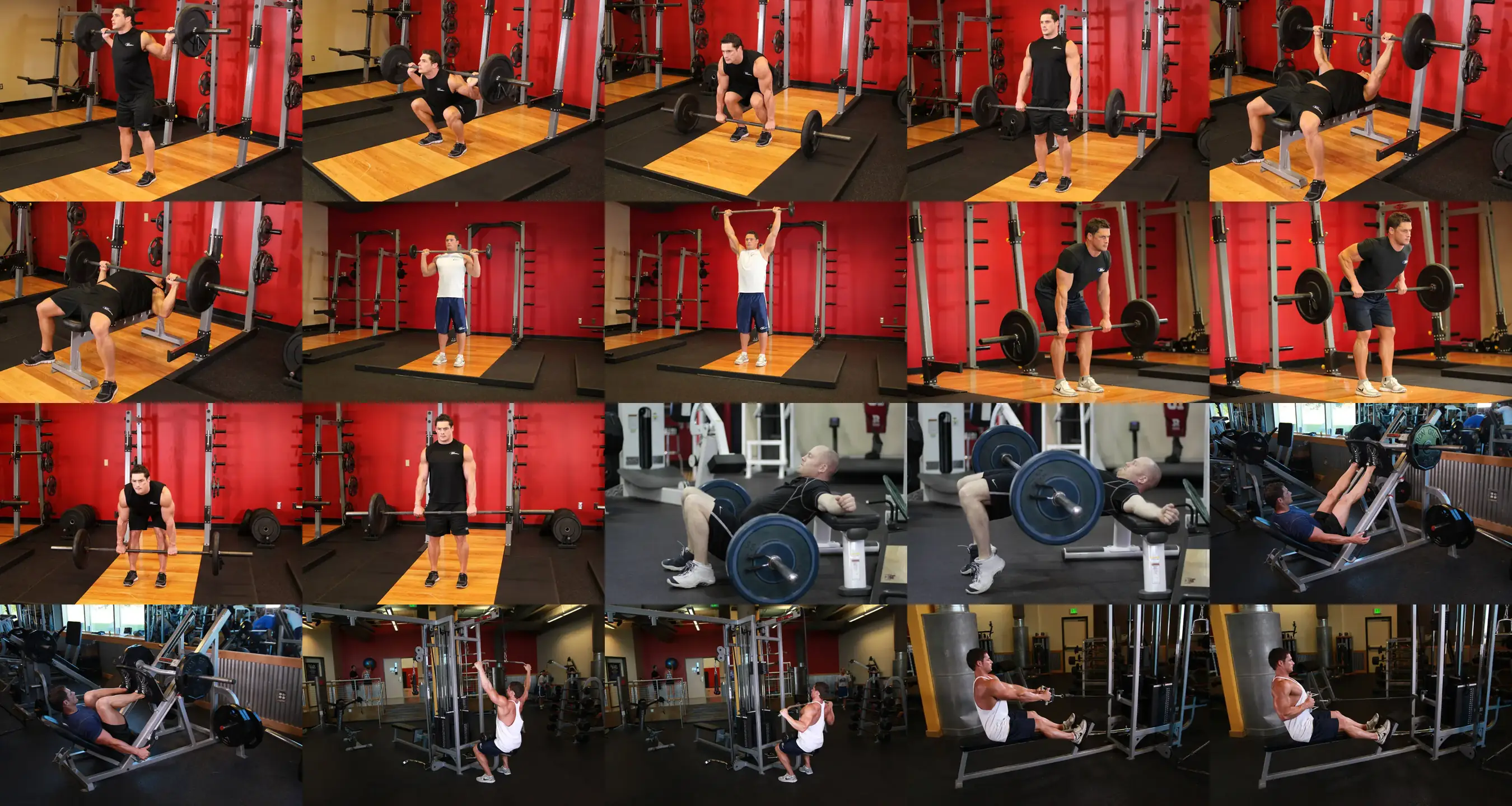
Conventional Deadlift
Romanian Deadlift
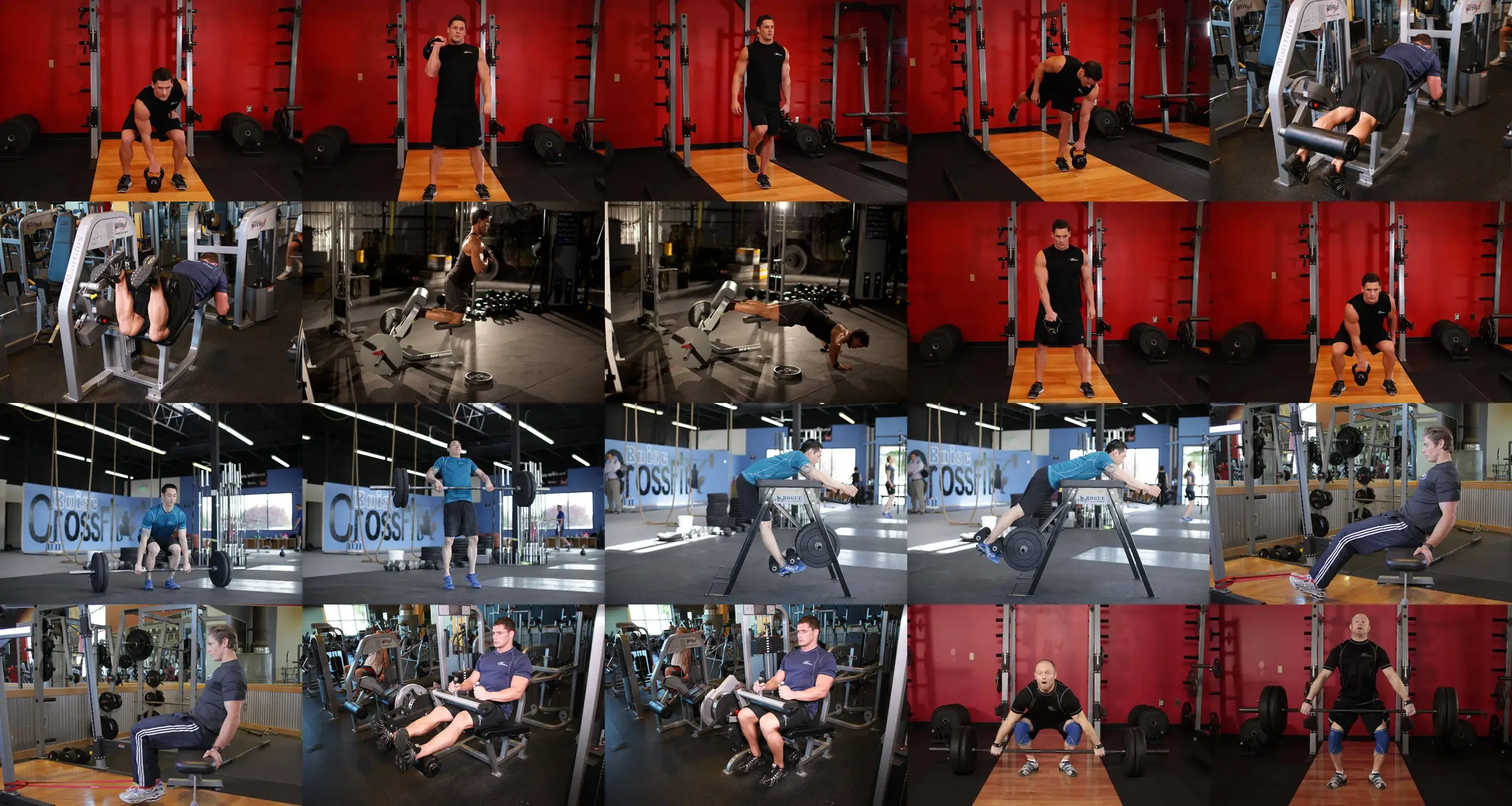
Kettlebell Single-Leg Deadlift
Reverse Hyperextension
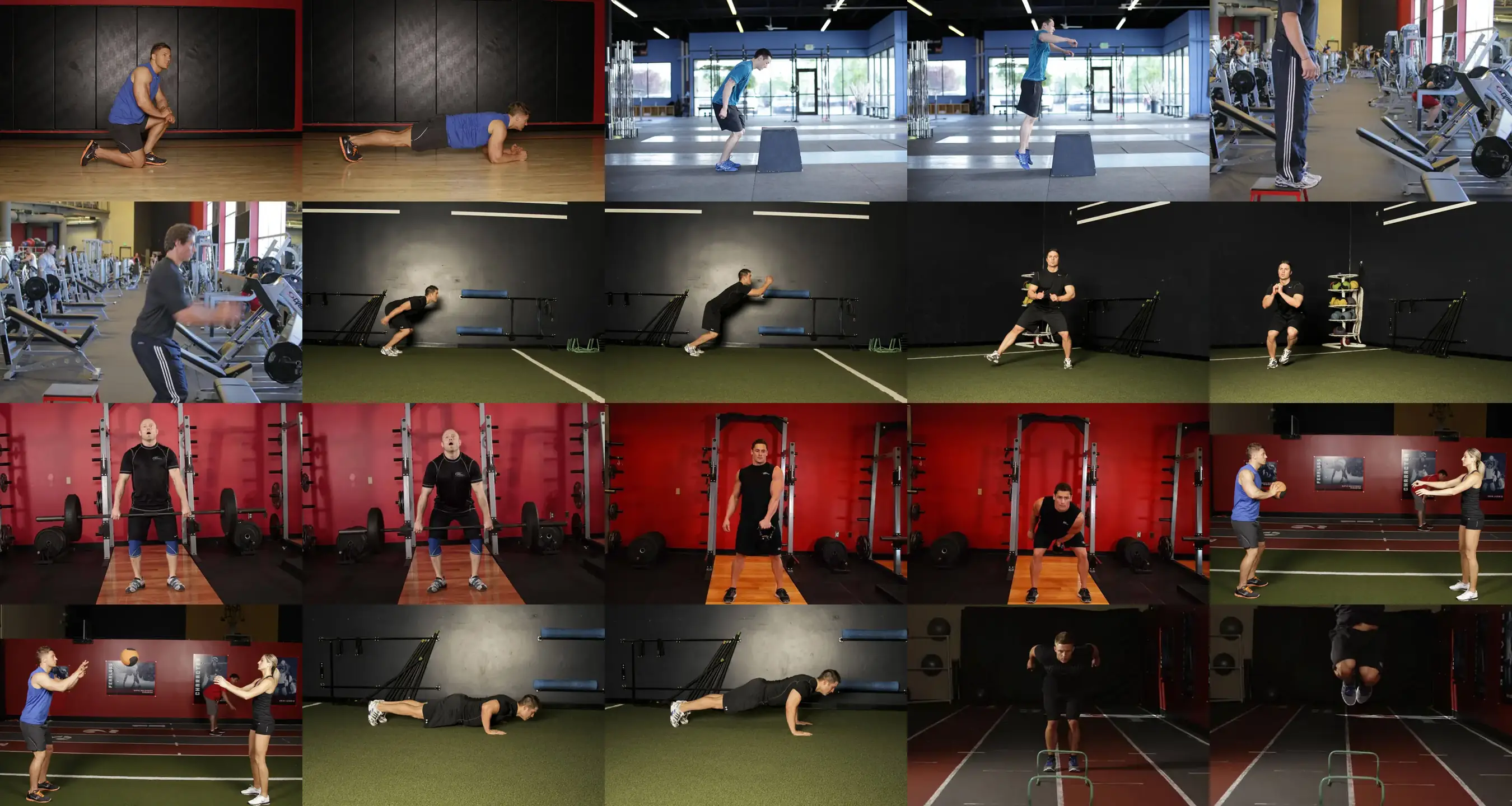
One-Arm Kettlebell Swing
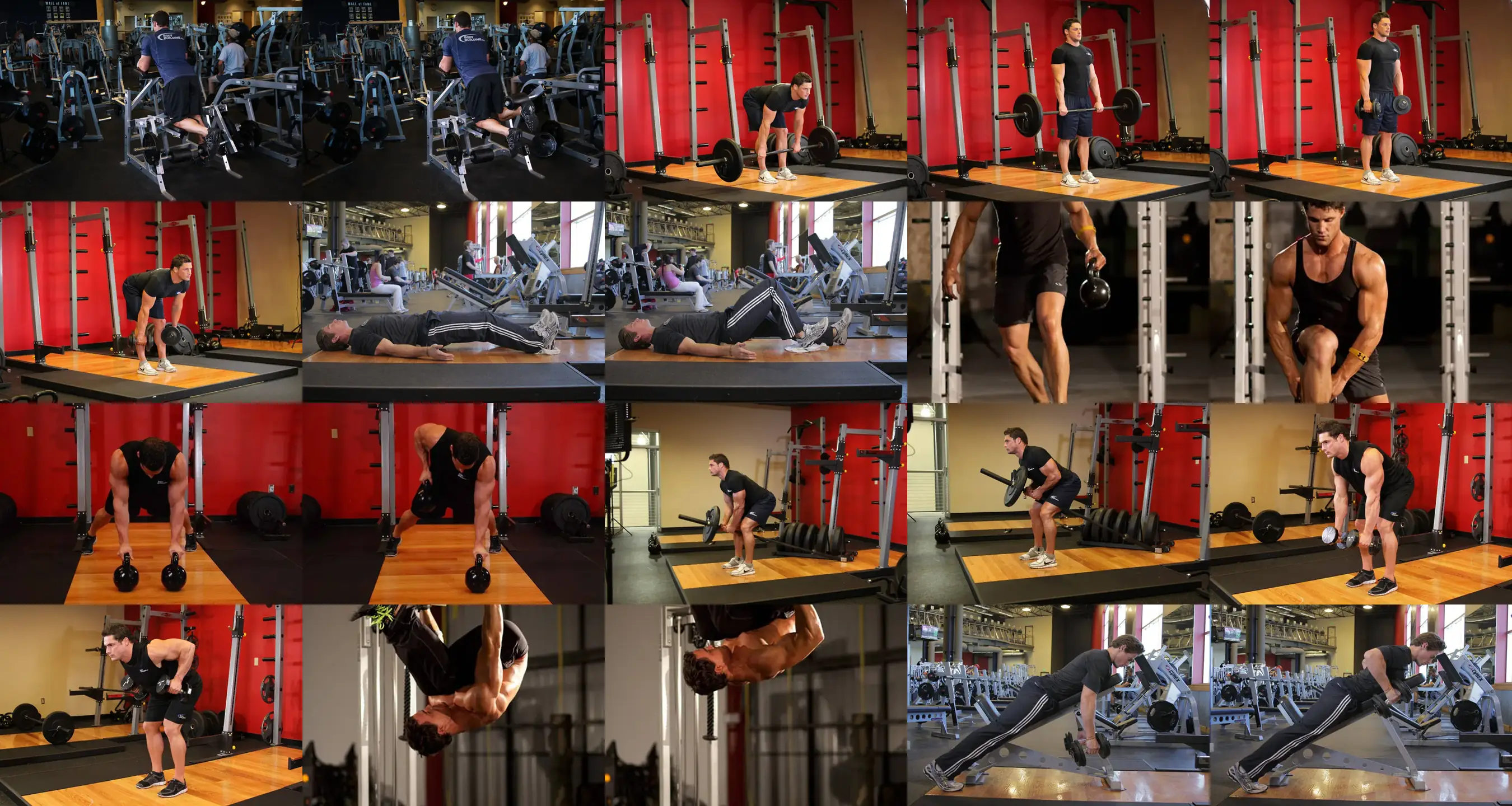
Stiff-Legged Barbell Deadlift
Sumo Deadlift