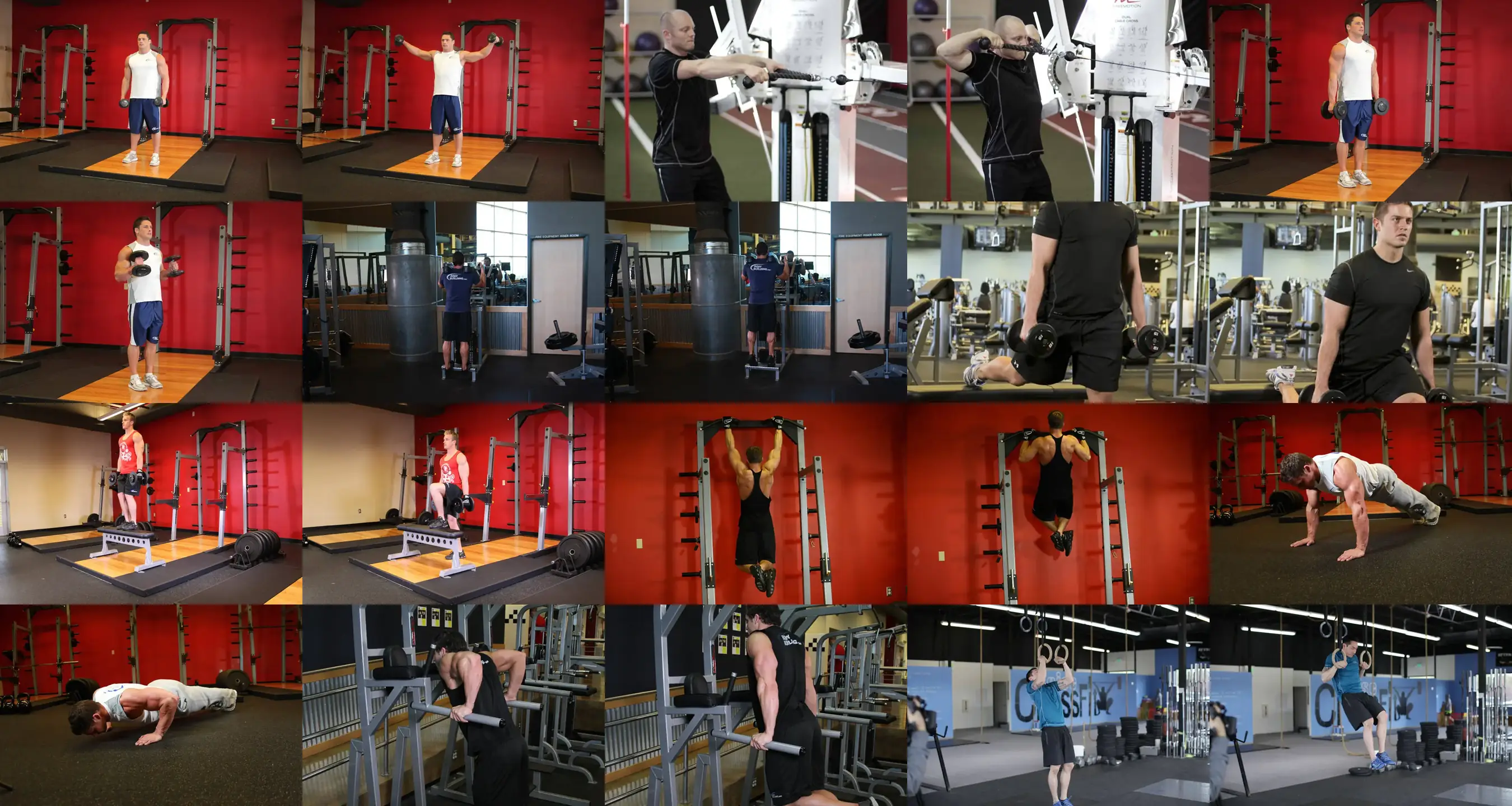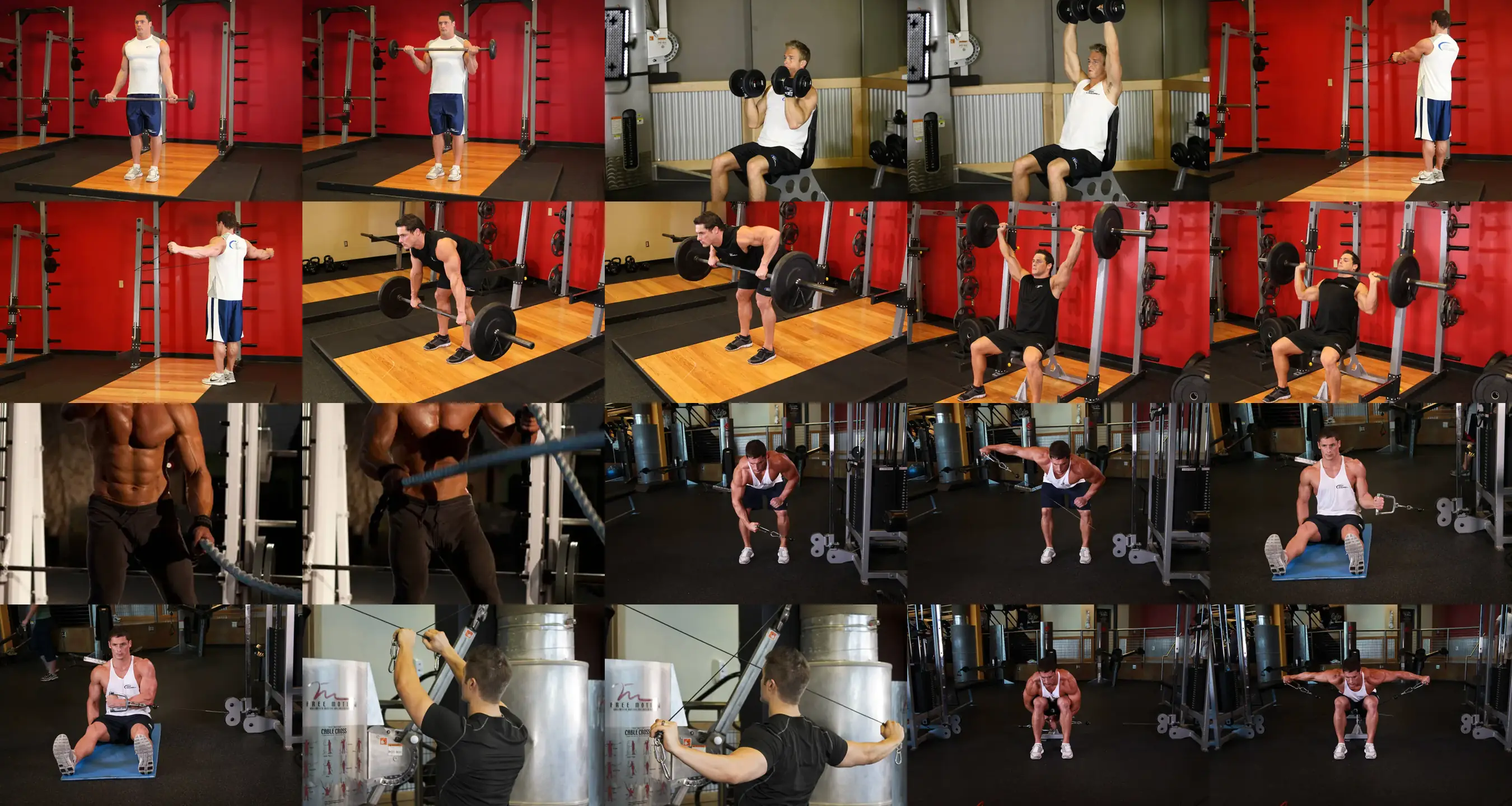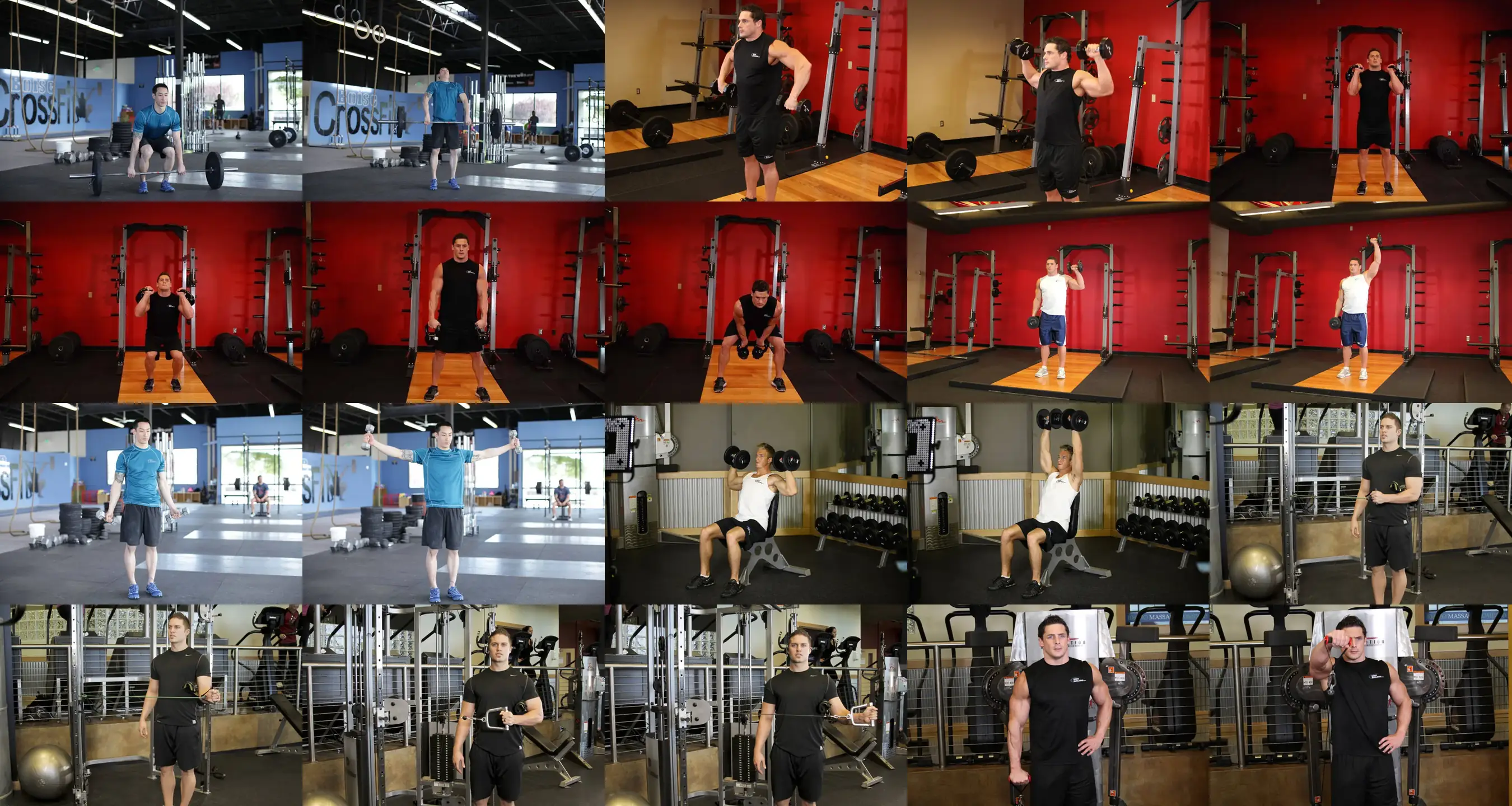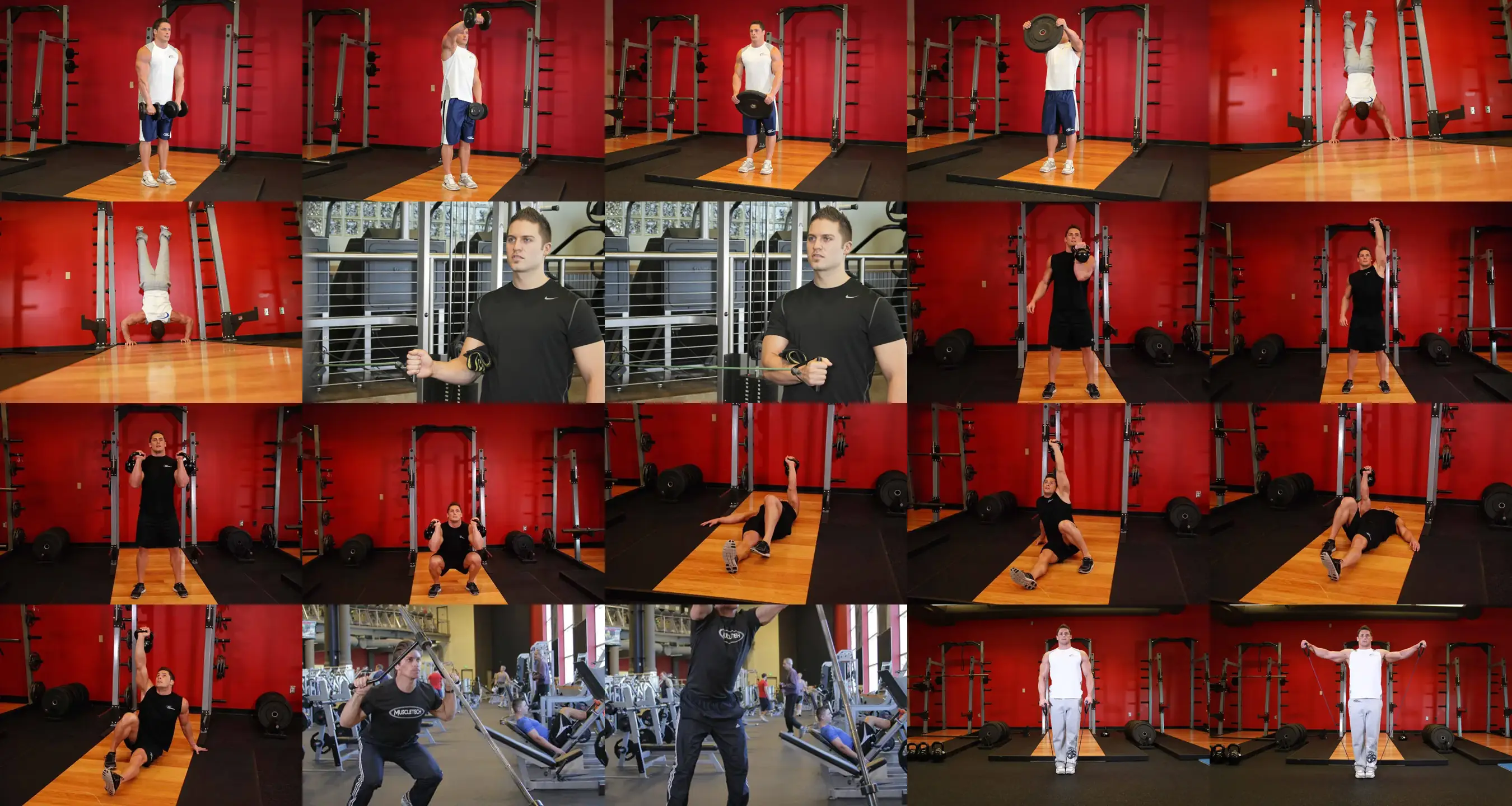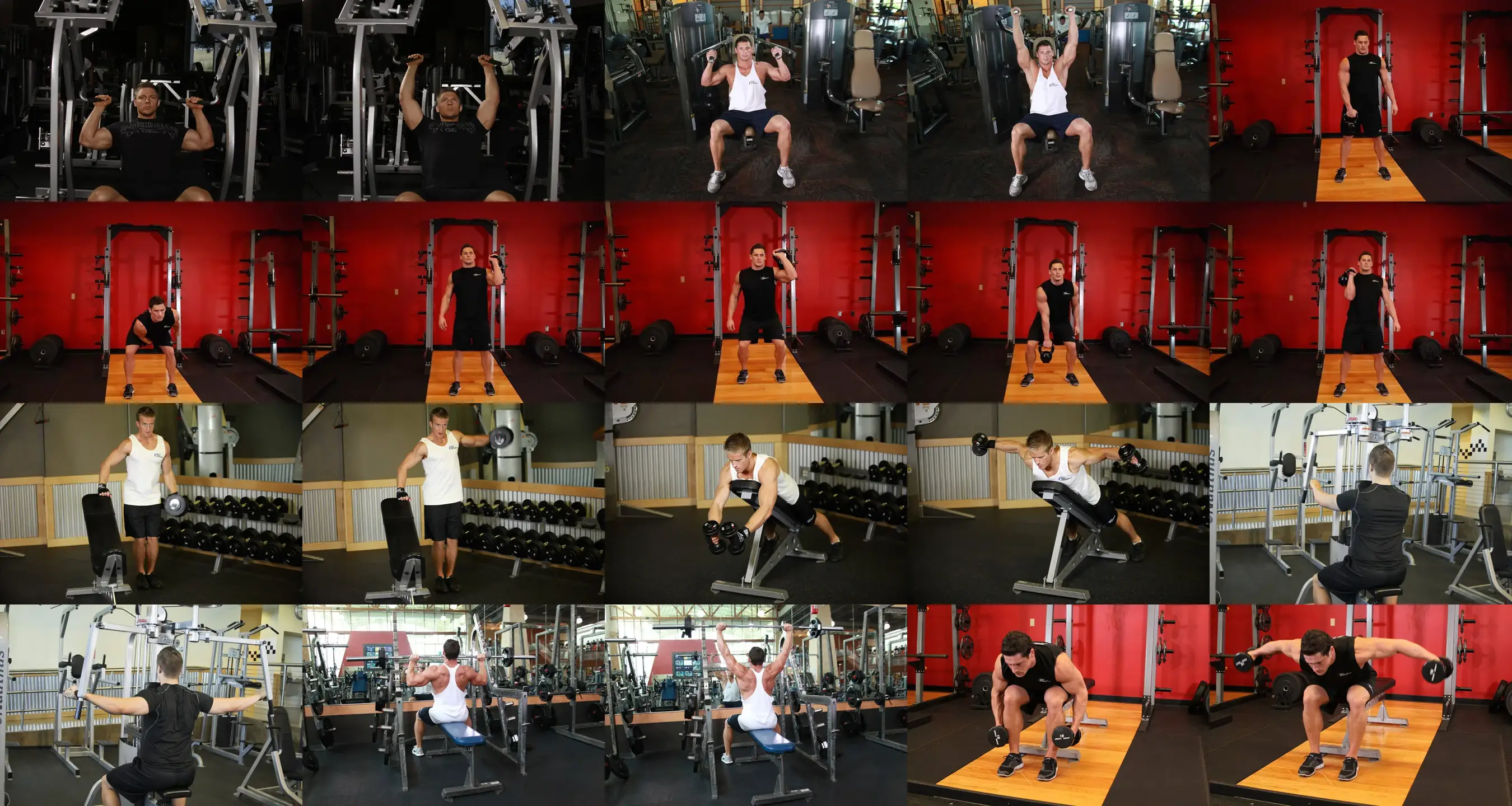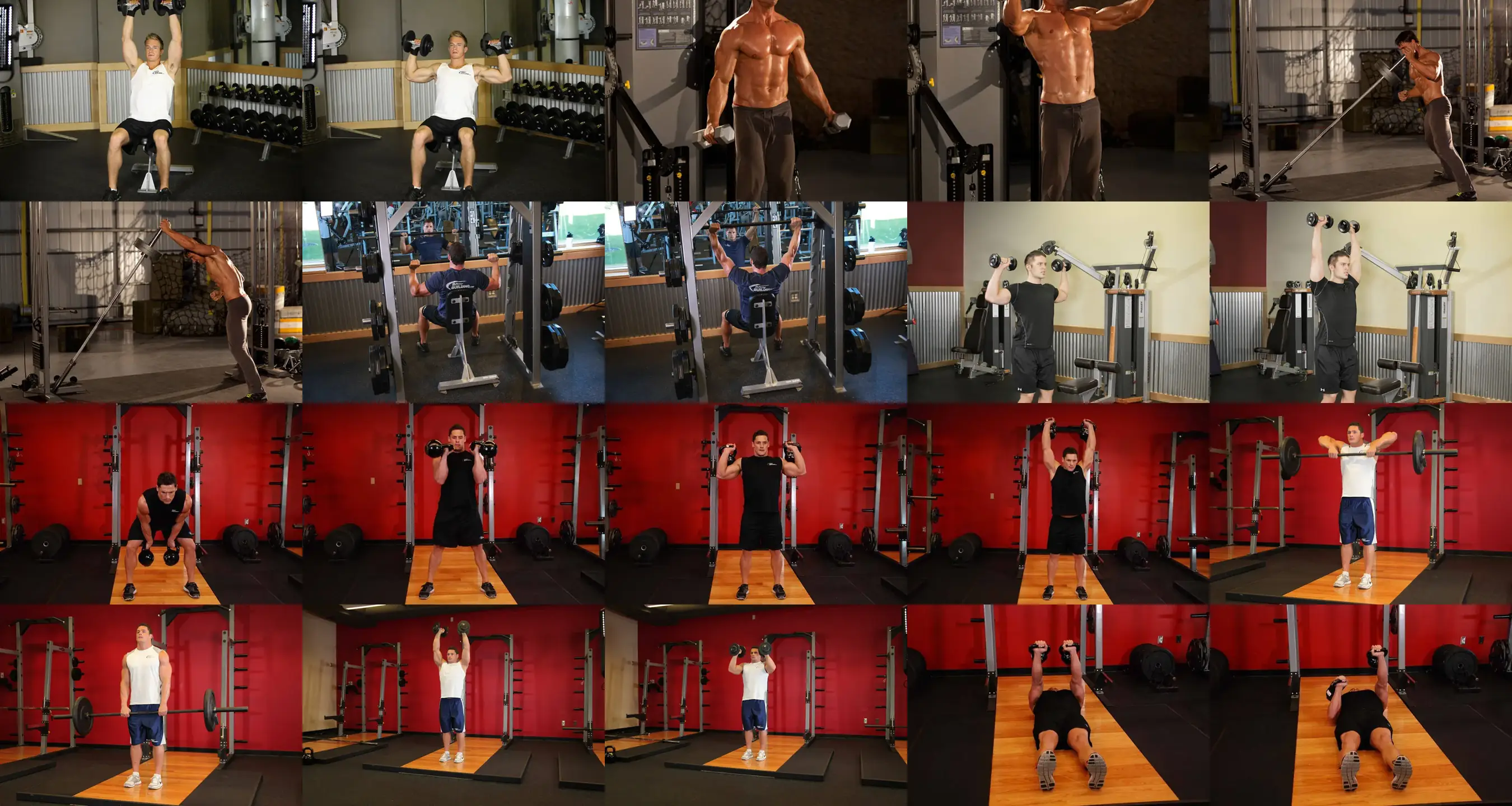
Setup and loading
Stand holding a light dumbbell in each hand in front of your thighs, feet hip width apart. Use less weight than a standard lateral raise, because your arms spend a long time extended at shoulder height, and pick a load for 8 to 12 full cycles.
How to do the front-to-lateral raise step by step
- Stand holding the dumbbells in front of your thighs, palms facing you, elbows slightly bent.
- Exhale and raise your arms forward to shoulder height.
- Without lowering the dumbbells, sweep your arms out to the sides on a horizontal plane into a T.
- Inhale and lower the dumbbells along your sides to your thighs.
- On the next rep reverse the order: raise out to the sides, sweep to the front, and lower in front.
- Keep your torso still and shoulders down through the whole cycle.
Form cues
- Arms at shoulder height on top
- Slow horizontal sweep
- Shoulders away from your ears
- Solid torso, no swinging
Common mistakes
- Letting the arms sag during the sweep: tension drops; keep them at shoulder height.
- Using your lateral raise weight: you cannot hold the position; start lighter.
- Shrugging late in the set: the traps cover for fatigue; reduce weight or reps.
- Swinging your torso to lift: momentum replaces the shoulders; squeeze glutes and abs.
How to make it easier or harder
As a regression, do front and lateral raises separately, or use lighter dumbbells for fewer cycles. To progress, add two second holds at each corner, increase the cycles, or raise the weight very gradually.
Sets and reps for your goal
Hypertrophy
3 x 10-15 · rest 60 s3-4 sets of 6-12 reps (up to 15-20 on isolation exercises) at 65-80% of your max. Rest 1 to 2 minutes.
Get close to failure (0-3 reps in reserve) and control the lowering for 2-3 seconds. Accumulate 10-20 sets per muscle per week.
A guide for healthy adults. Adjust the load to your level and see a professional if you have an injury.
Check your form
Film yourself from the side or ask someone to watch, then tick what you get right.
Frequently asked questions
What is the front-to-lateral raise good for?
It trains the front and side delts in one exercise with a lot of time under tension. It works well as a pump finisher at the end of a shoulder session or when you have little equipment but want a big stimulus.
How many reps of front-to-lateral raises should I do?
Count each full path as one rep and aim for 8 to 12 cycles per set with light weight. Because your arms stay elevated so long, fatigue arrives faster than with a single raise, so adjust the weight accordingly.
Sports it suits
Gear for this exercise
- Adjustable dumbbellsSave space and replace a whole dumbbell rack at home.
As an Amazon Associate, Muscle Atlas earns from qualifying purchases.