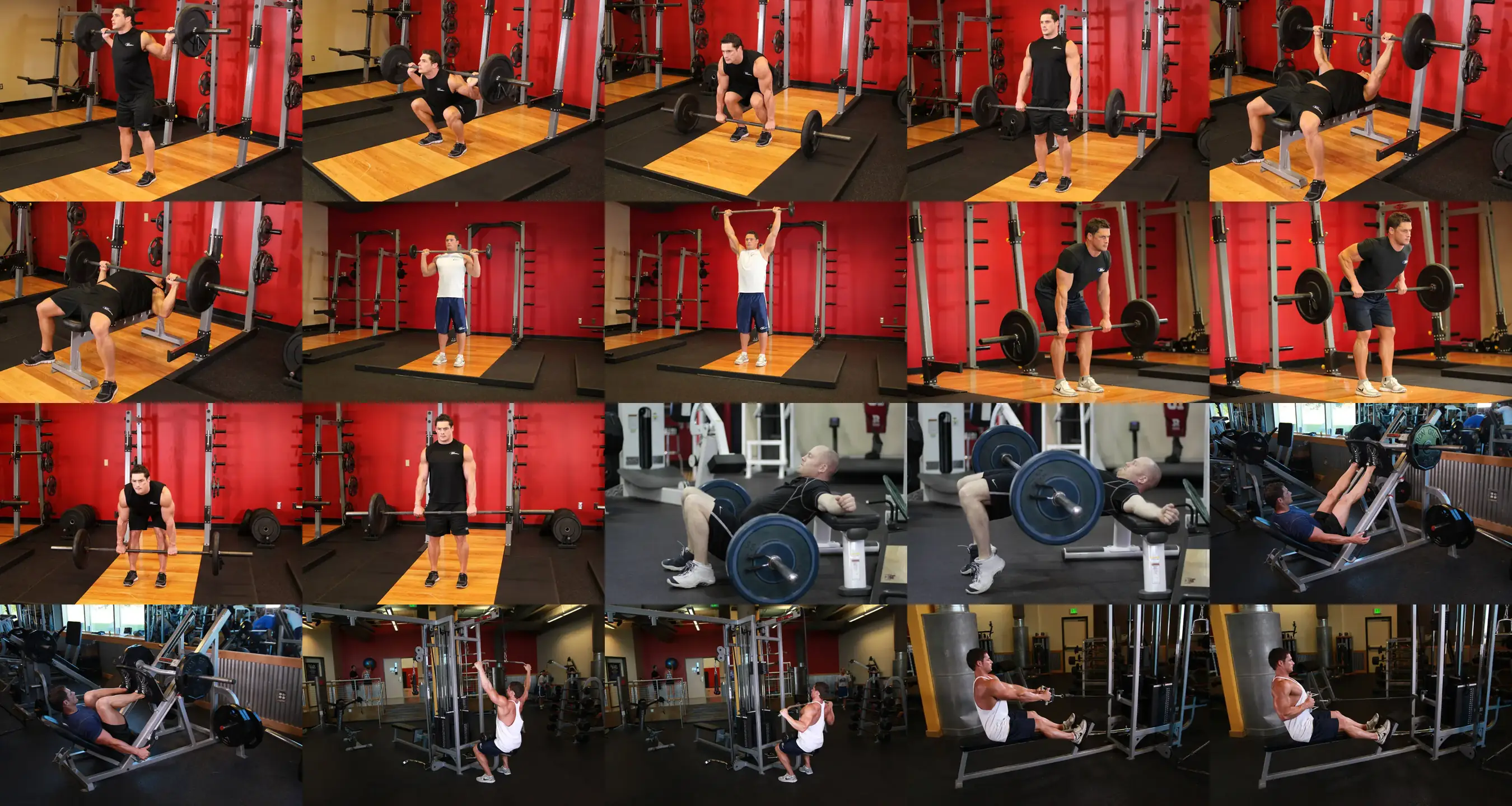
Setup and loading
Attach a short straight bar or rope to the low pulley and stand close to it with feet hip width apart. Use a shoulder-width grip and a weight that allows 12 to 15 reps with your elbows reaching shoulder height.
How to do the cable upright row step by step
- Attach a straight bar to the low pulley and grip it overhand at shoulder width.
- Stand very close to the pulley with straight arms and the bar in front of your thighs.
- Brace your abs and keep your chest tall without leaning back toward the floor behind you.
- Exhale and pull the bar up close to your body, driving your elbows out to shoulder height.
- Pause briefly at the top with the bar at chest height and your elbows above your hands.
- Inhale and lower slowly, resisting the cable, until your arms are fully straight.
Form cues
- Stand close so the cable pulls straight up
- Grip at shoulder width, never closer
- Elbows up and out to shoulder line
- Control the descent against the cable
Common mistakes
- Grip too narrow: it increases shoulder internal rotation; widen to shoulder width.
- Leaning back: your lower back compensates for the pull; reduce the weight and stay upright.
- Elbows above your shoulders: risk of discomfort; stop at shoulder line.
- Letting the weight drop: you lose the cable's advantage; lower over two seconds.
How to make it easier or harder
To make it easier, use a rope, which lets your hands separate freely, or do light dumbbell upright rows. To progress, add load, lengthen the top pause or do it one arm at a time with a D-handle.
Sets and reps for your goal
Hypertrophy
3-4 x 8-12 · rest 60-90 s3-4 sets of 6-12 reps (up to 15-20 on isolation exercises) at 65-80% of your max. Rest 1 to 2 minutes.
Get close to failure (0-3 reps in reserve) and control the lowering for 2-3 seconds. Accumulate 10-20 sets per muscle per week.
Max Strength
4-5 x 3-6 · rest 2-3 min3-6 sets of 1-6 reps at 80-90% of your max (1RM). Rest 2 to 5 minutes.
Leave 1-3 reps in reserve. If your technique breaks down, lower the weight: strength is built with good reps.
A guide for healthy adults. Adjust the load to your level and see a professional if you have an injury.
Check your form
Film yourself from the side or ask someone to watch, then tick what you get right.
Frequently asked questions
What is the benefit of a cable upright row?
The cable keeps tension through the whole range, including the bottom, and gives you precise control on the way down. You can also switch between bar and rope to find the grip that feels best for your shoulders.
What grip should I use for cable upright rows?
A shoulder-width or slightly wider grip is usually the most comfortable and targets the side delts more. Very narrow grips increase internal rotation and can irritate the shoulder.
Sports it suits
Variations and similar exercises
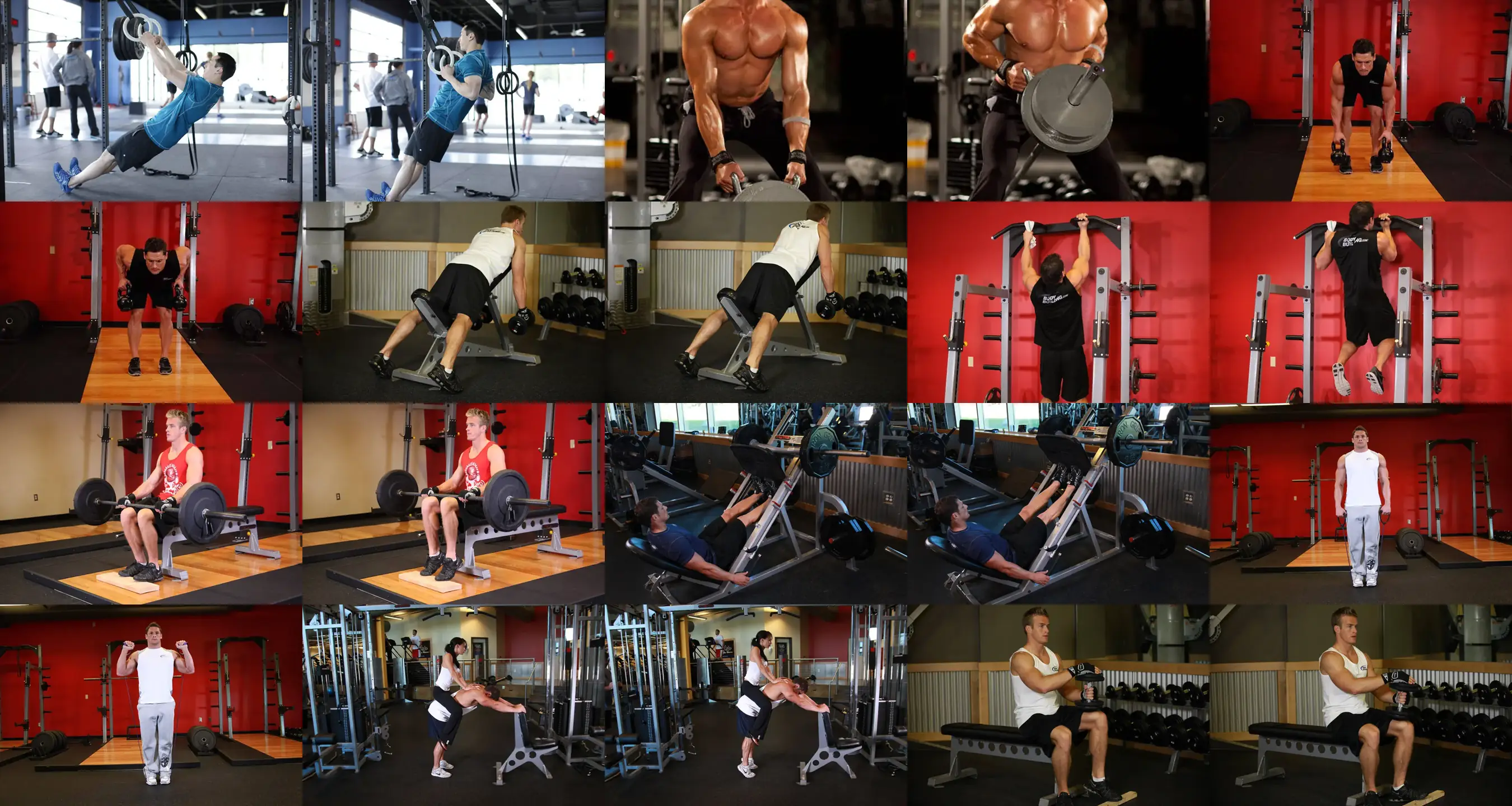
Incline Bench Scapular Shrug
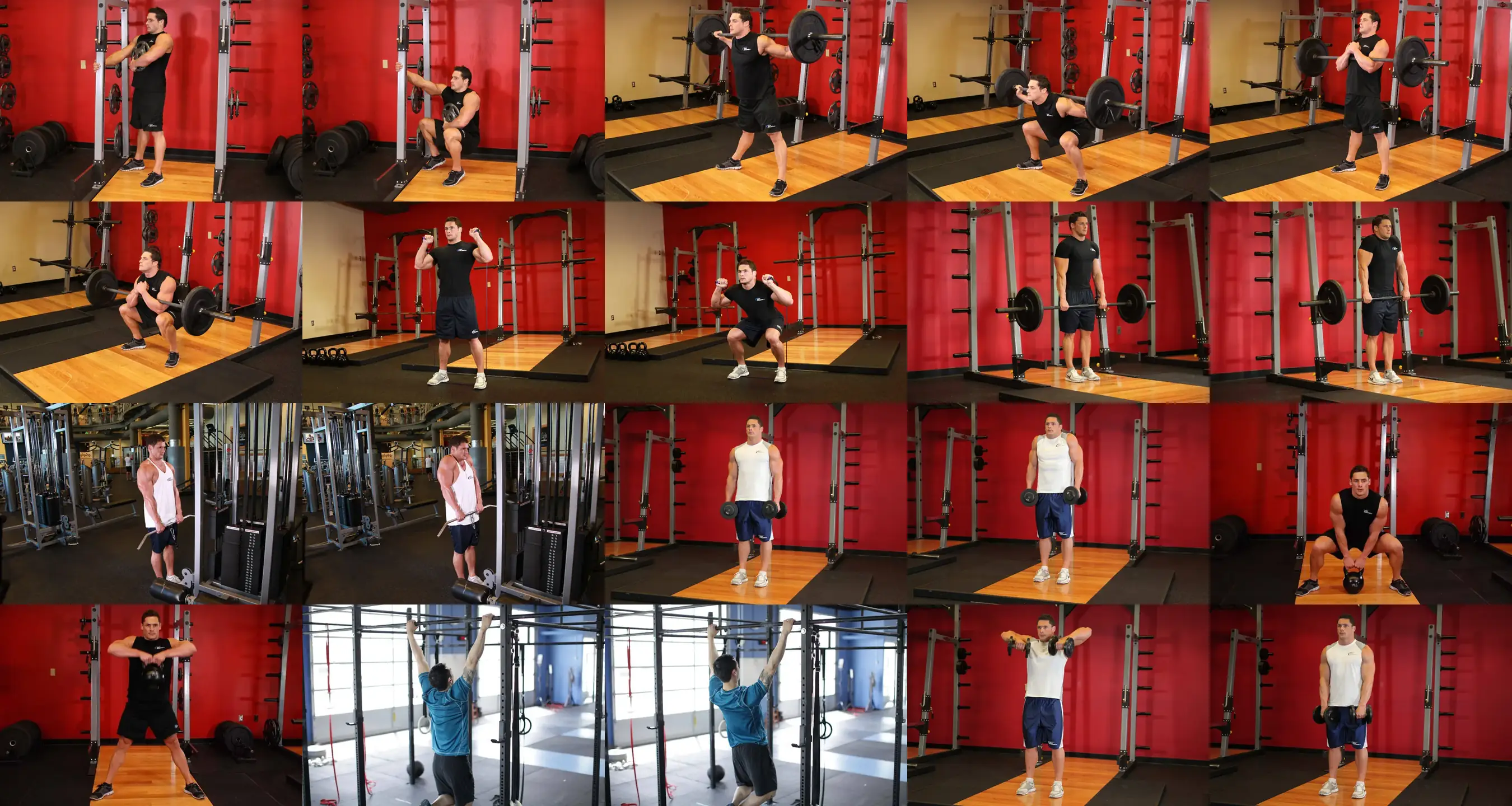
Barbell Shrug
Cable Shrug
Dumbbell Shrug
Kettlebell Sumo High Pull
Dumbbell Upright Row
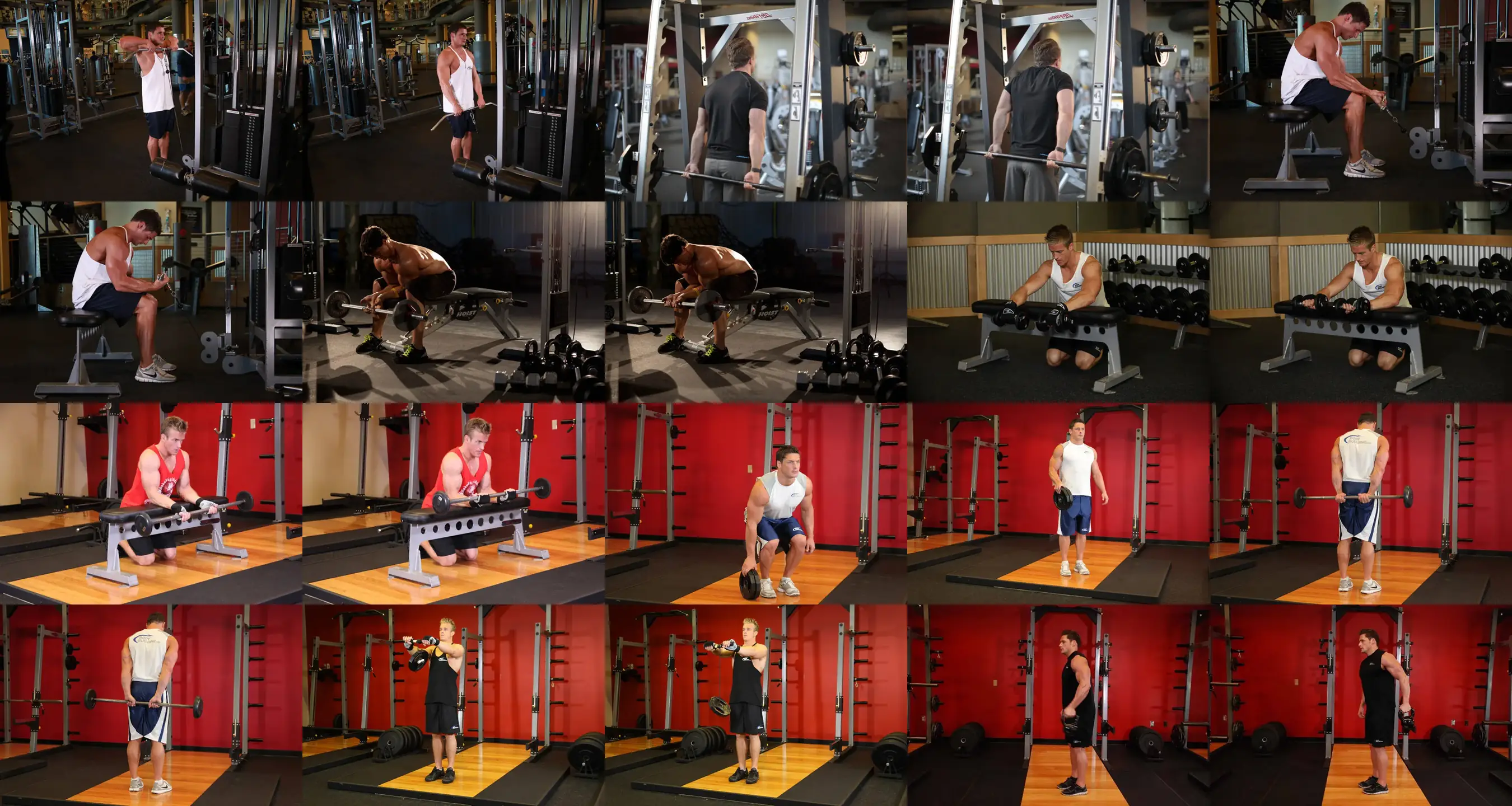
Smith Machine Behind-the-Back Shrug