Setup and loading
Set the seat so you reach the handles with straight arms above and slightly in front of you, and tuck your knees under the pad if there is one. Choose a weight for 10 to 12 reps without your torso swinging or your shoulders shrugging.
How to do the lever high row step by step
- Adjust the seat and knee pad so the handles sit overhead and slightly forward, and sit with your chest against the support if there is one.
- Grab the handles with an overhand or neutral grip, arms straight, letting your shoulders rise slightly to stretch your back.
- First pull your shoulders down and back, then exhale as you pull the handles toward your shoulders.
- Drive your elbows down and back until your hands reach shoulder height, keeping your chest up.
- Squeeze your back for one second at the end without leaning back.
- Inhale and return slowly until your arms are straight, without letting the plates rest.
Form cues
- Shoulders down before you pull
- Elbows back and down
- Chest up the whole time
- Slow return into the stretch
Common mistakes
- Shrugging as you pull: your upper traps dominate; start each rep by depressing your shoulder blades.
- Leaning back: you use momentum instead of your back; keep your chest on the pad.
- Seat set wrong: it limits the stretch at the top; adjust until you reach with straight arms.
- Pulling with just your arms: your biceps tire first; think about moving your elbows, not your hands.
How to make it easier or harder
To make it easier, go light and practice shoulder blade depression, or use a neutral-grip cable pulldown. To progress, train one arm at a time if the machine allows, add pauses, or use slow eccentric reps.
Sets and reps for your goal
Hypertrophy
3-4 x 8-12 · rest 60-90 s3-4 sets of 6-12 reps (up to 15-20 on isolation exercises) at 65-80% of your max. Rest 1 to 2 minutes.
Get close to failure (0-3 reps in reserve) and control the lowering for 2-3 seconds. Accumulate 10-20 sets per muscle per week.
Max Strength
4-5 x 3-6 · rest 2-3 min3-6 sets of 1-6 reps at 80-90% of your max (1RM). Rest 2 to 5 minutes.
Leave 1-3 reps in reserve. If your technique breaks down, lower the weight: strength is built with good reps.
A guide for healthy adults. Adjust the load to your level and see a professional if you have an injury.
Check your form
Film yourself from the side or ask someone to watch, then tick what you get right.
Frequently asked questions
What is the difference between a high row and a lat pulldown?
The pulldown pulls vertically from overhead with more lat emphasis. The high row pulls diagonally toward your shoulders, sharing the work between lats and mid-back. They pair well in the same program.
Is an overhand or neutral grip better?
A neutral grip is usually easier on shoulders and elbows and allows a bit more load. An overhand grip flares the elbows slightly and may hit the upper back more. Use whichever lets you feel your back best.
Sports it suits
Variations and similar exercises
Mixed-Grip Chin-Up
Towel-Assisted One-Arm Chin-Up
Scapular Pull-Up
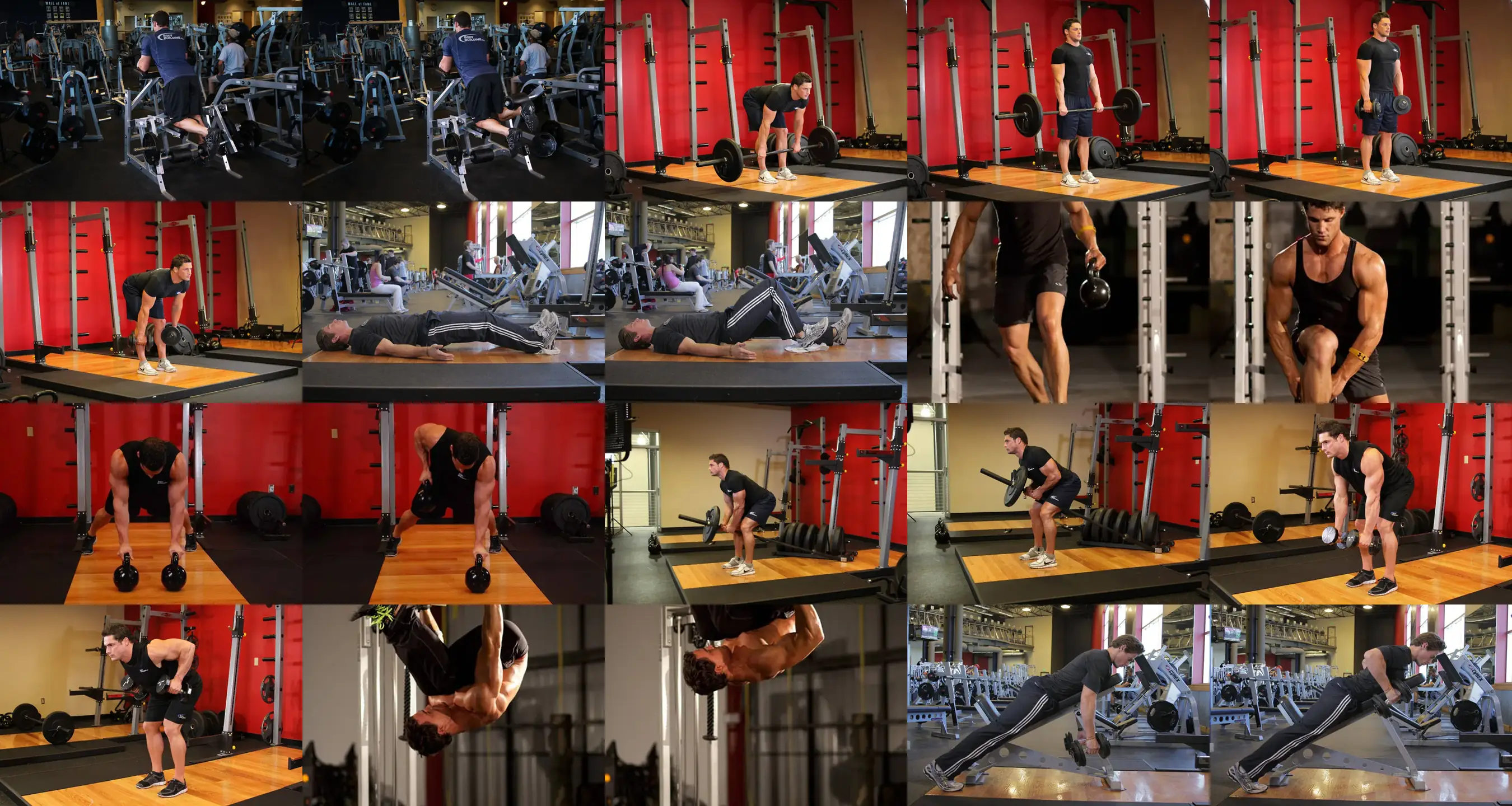
Alternating Renegade Row
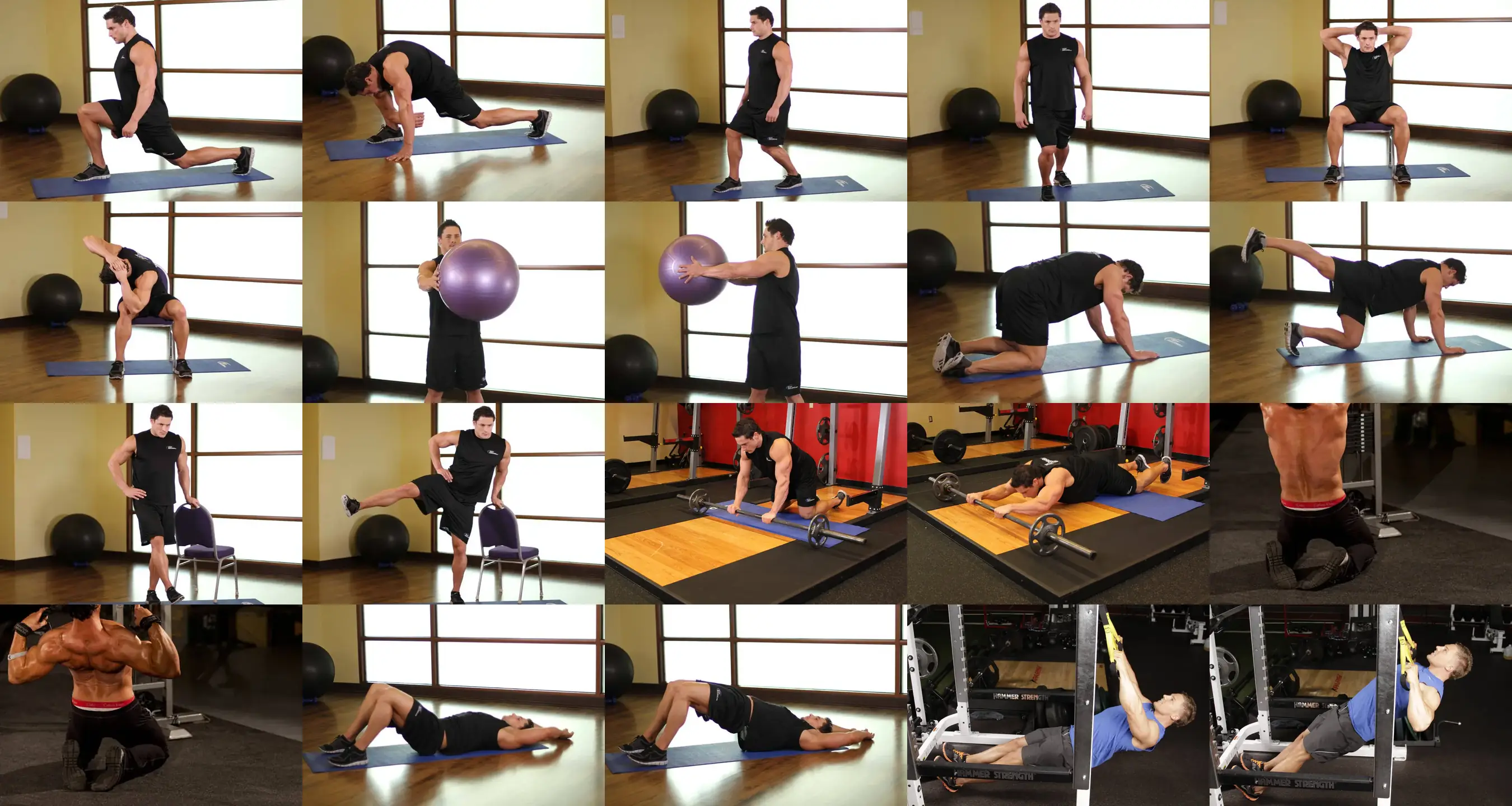
Kneeling High Cable Row
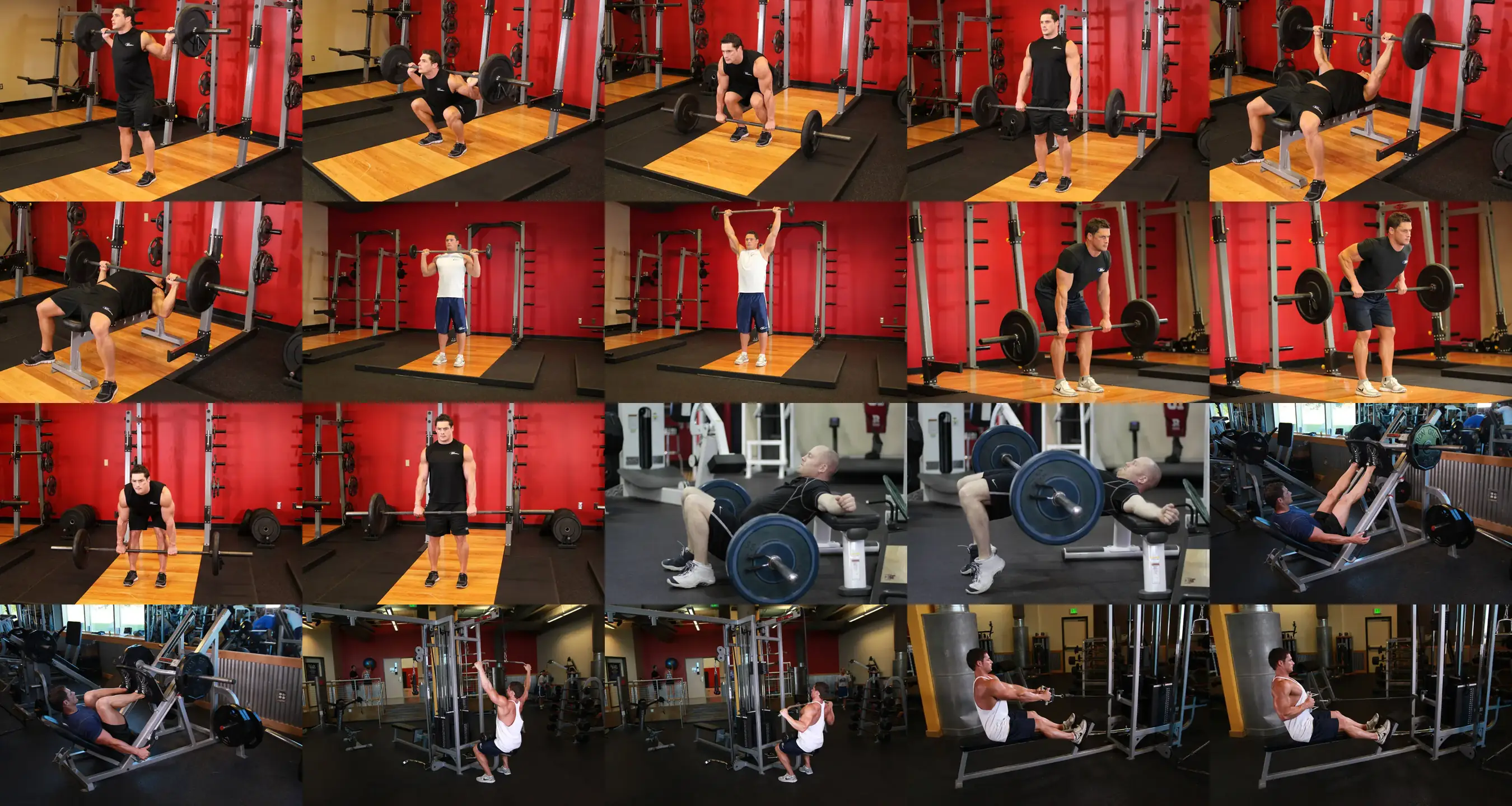
Seated Cable Row
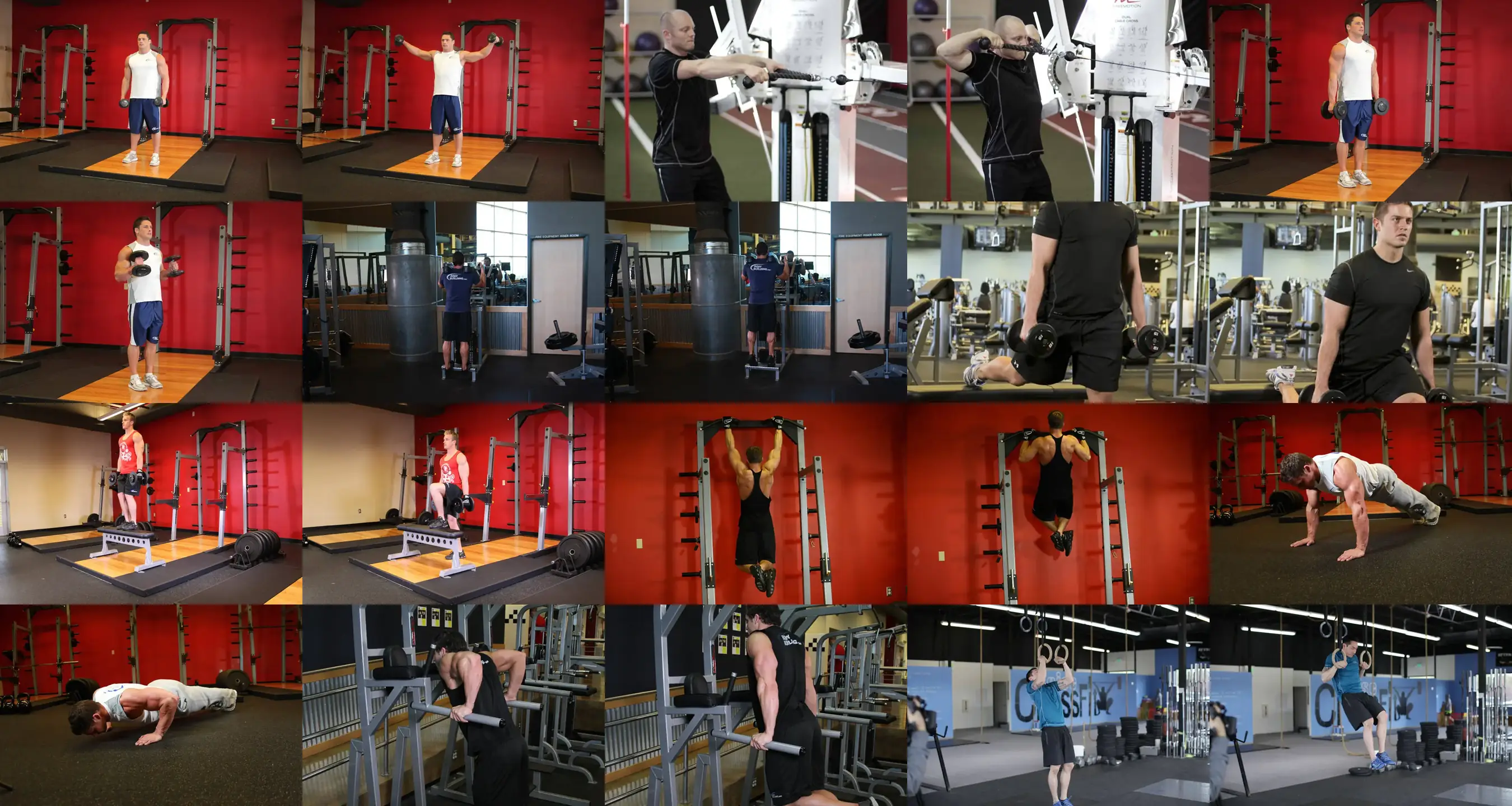
Cable Face Pull